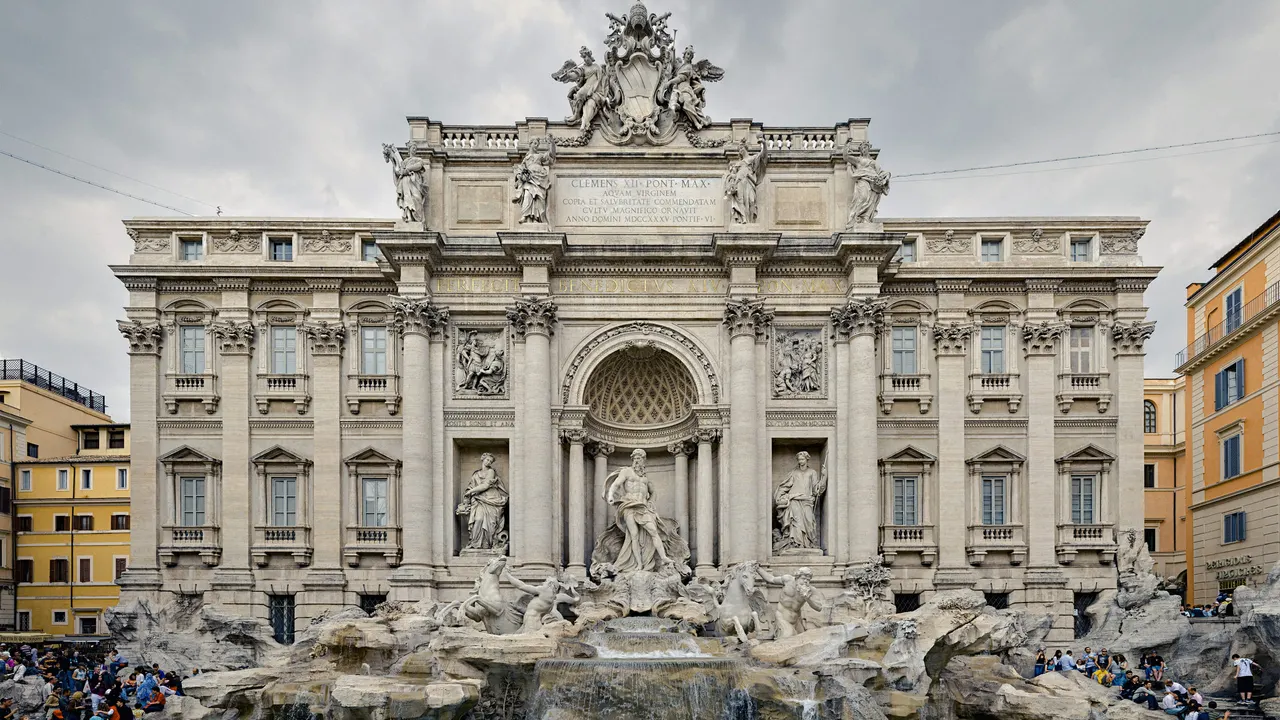
Italy Classic itinerary — August 2026
For the Italy Classic trip (Rome, Florence & Venice), August 2026 is mixed for weather comfort. Across Rome, Florence and Venice, daytime highs run from about 29°C / 84°F to 33°C / 91°F. Plan around 7–9 days for the full Rome, Florence & Venice loop.
In this order — about 7–9 days:
- Rome3 nights
- Florence2 nights
- Venice2 nights
- Route noteReserve the longest intercity leg first and keep transfer days free of timed sights.
By TripSapien · Updated August 24, 2026
Rome
Rome in August
TempTemperature
89°F / 69°F
31.9°C / 20.7°C
RainPrecipitation
10d
1in · 24.8mm
LightDaylight
14.4h
Sea
80.2°F
26.8°C
August is Rome's hottest quiet month as some local businesses close for Ferragosto; confirm restaurants before crossing town.
City overview
Rome is built around the Tiber crossing, the Seven Hills, and 2,500 years of reuse: imperial forums, Renaissance piazzas, Baroque fountains, and Vatican territory sit within a few metro stops. First-time visitors usually split time between Centro Storico, Colosseo, Trastevere, Prati, Testaccio, and the Villa Borghese/Spanish Steps side of the north centre.
Food & drink
Rome is a pasta-and-market city first: carbonara, cacio e pepe, amatriciana, gricia, supplì, carciofi alla giudia, and thin Roman pizza all have local anchors. Testaccio and Trastevere handle trattoria dinners, the Jewish Ghetto is the place to look for artichokes, and coffee/gelato remain cheaper at stand-up counters than at seated piazza tables despite Rome's Michelin-level fine dining scene.
Events & festivals
- Aug 1 – Aug 31
Opera at Caracalla - Verdi's La Traviata
Experience the lyric opera 'La Traviata' by Verdi performed nightly at the ancient Baths of Caracalla, starting at 21:00.
Planning lead · dates set closer in · Source: festival research
- Aug 1 – Aug 31
If you are in Rome during summertime don’t miss the chance to experience a lyric opera in the truly unique setting of the Caracalla Baths.
Planning lead · dates set closer in · Source: Month Signals
Holidays & observances
- Aug 15AssumptionPublic holiday
Top sights
Ranked for August suitability using weather, setting, ratings, and review volume.
- 1Colosseum
- 2Pantheon
- 3Trevi Fountain
- 4Spanish Steps & Trinità dei Monti
- 5Piazza Navona, Campo de' Fiori & the Jewish Ghetto
- 6Trastevere & Testaccio
- 7Roman Forum & Palatine Hill
- 8St Peter's Basilica & Vatican Museums
- 9Villa Borghese & Galleria Borghese
- 10Via Appia Antica
 1
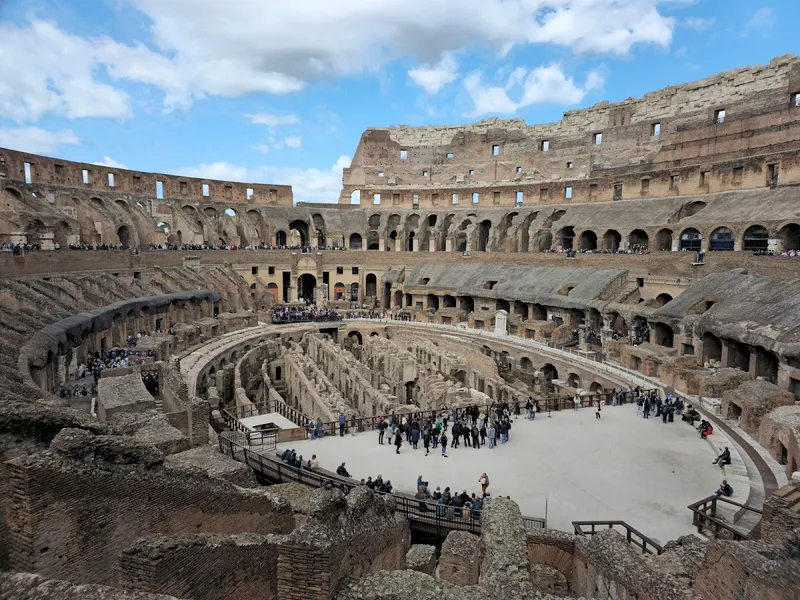
1Colosseum
4.8★ · 493,292outdoorOpen dailyThe Flavian amphitheatre anchors the Colosseo district and is the visual shorthand for imperial Rome. It pairs with the Roman Forum and Palatine Hill on the same archaeological axis.
WikipediaTimed tickets and identity checks are normal; reserve the arena or underground tiers only when the ticket explicitly includes them.
 2
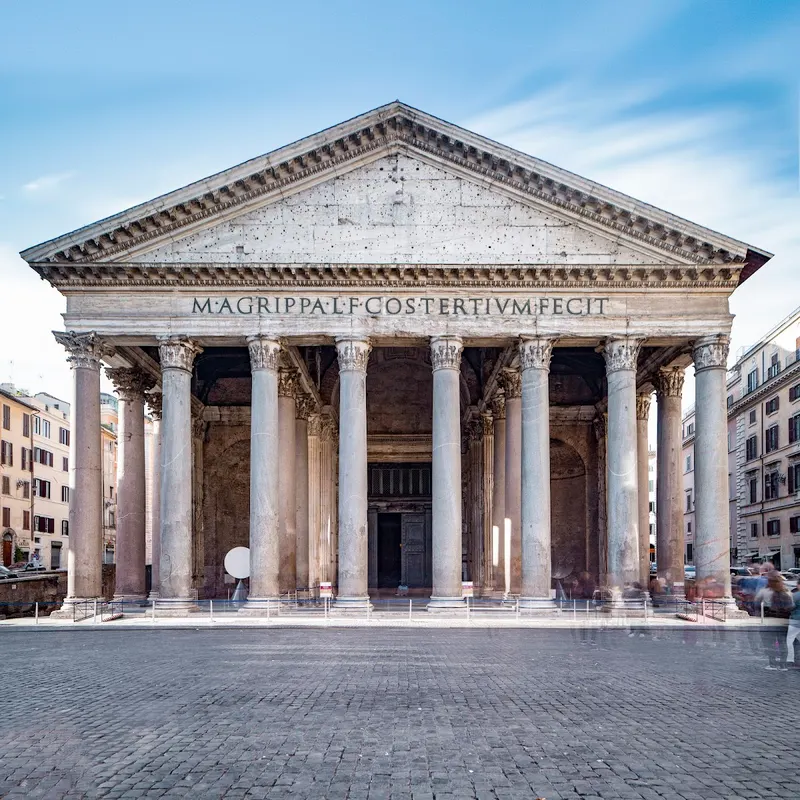
2Pantheon
4.8★ · 279,735outdoorOpen dailyThe ancient temple-turned-church keeps its concrete dome and central oculus intact in the middle of the old city. Piazza della Rotonda makes it easy to combine with coffee, gelato, and nearby churches.
 3
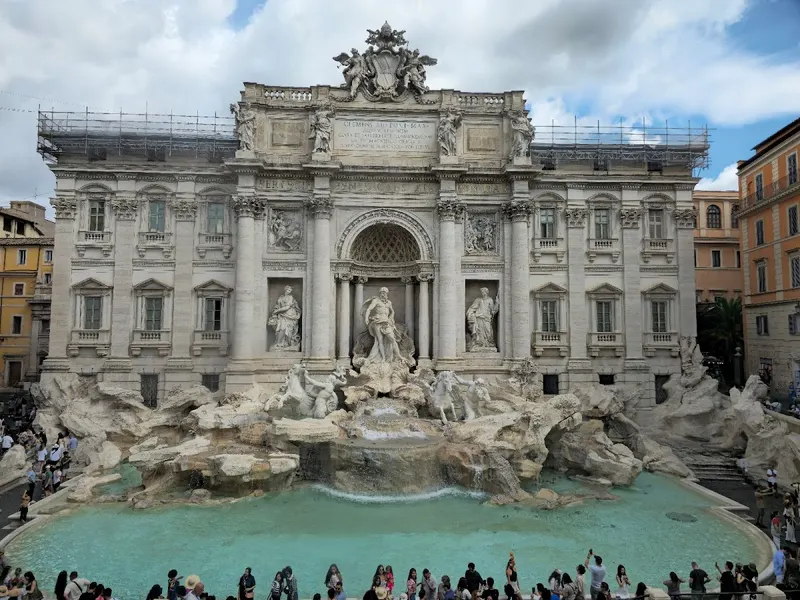
3Trevi Fountain
4.7★ · 506,090outdoorOpen dailyThe Baroque fountain sits in a tight piazza between the Pantheon and Spanish Steps walking routes. Early morning is the only reliable quiet window.
Wikipedia
Show 7 more sights
- 4Spanish Steps & Trinità dei Monti
- 5Piazza Navona, Campo de' Fiori & the Jewish Ghetto
- 6Trastevere & Testaccio
- 7Roman Forum & Palatine Hill
- 8St Peter's Basilica & Vatican Museums
- 9Villa Borghese & Galleria Borghese
- 10Via Appia Antica
Neighborhoods
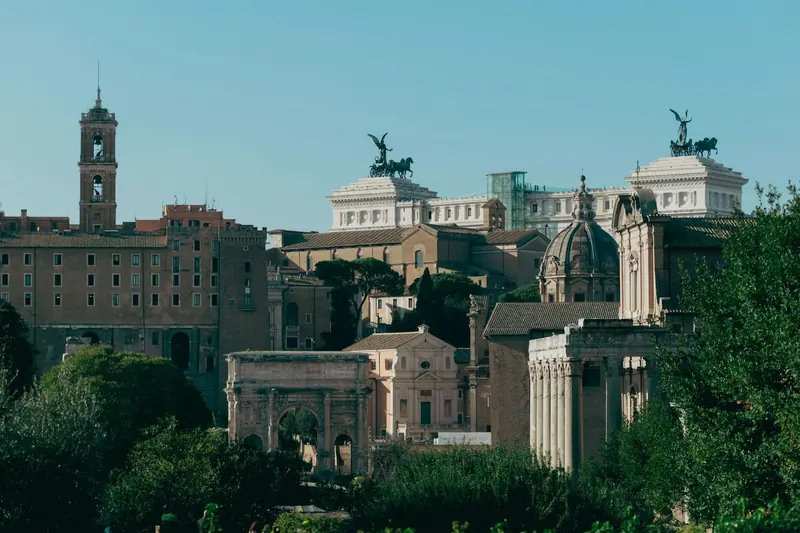 1
1Centro Storico
The old centre is a maze of piazzas and church facades around the Pantheon, Piazza Navona, Campo de' Fiori, and the Jewish Ghetto. It is walkable, expensive, and unbeatable for first-night Rome.
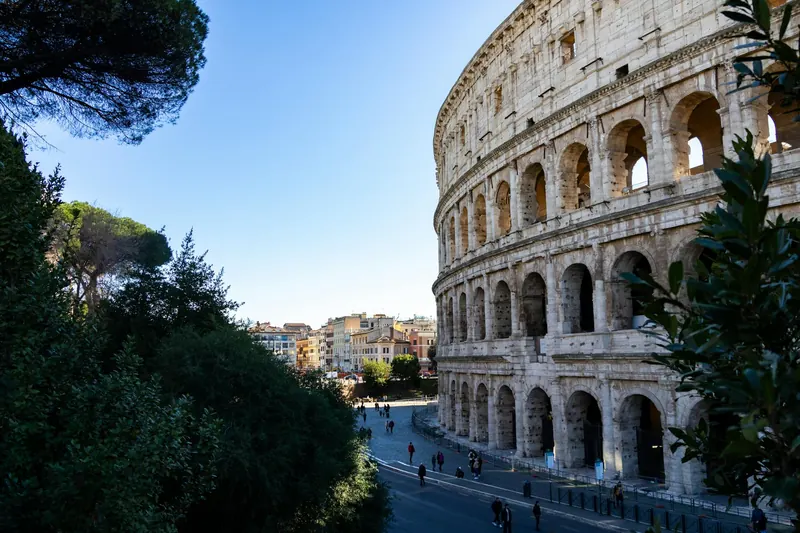 2
2Colosseo & Monti
Colosseo is ancient stone and tour groups; Monti just north of it adds wine bars, boutiques, and sloped lanes around Via Urbana. It is a strong base when the Forum and Palatine matter more than Vatican mornings.
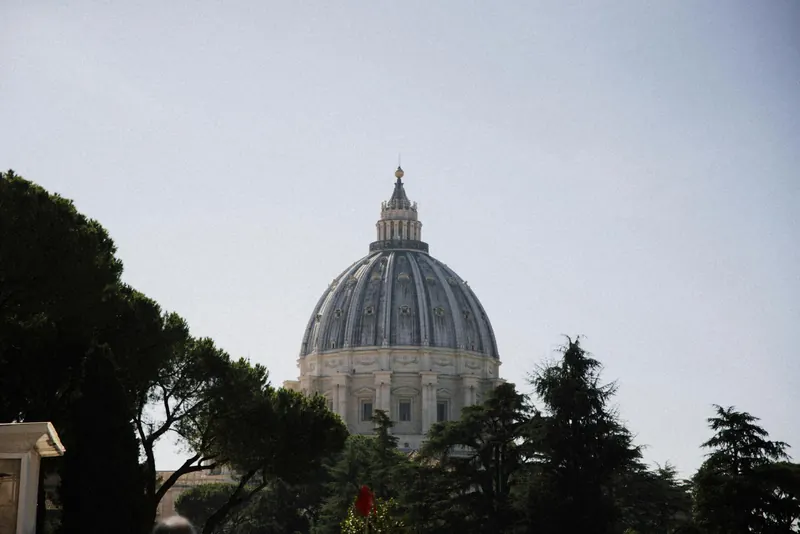 3
3Prati & Vatican
Prati is gridded, calmer, and useful for Vatican Museums entries, St Peter's Basilica, and shopping on Via Cola di Rienzo. It feels less medieval than Centro Storico and works well for families.
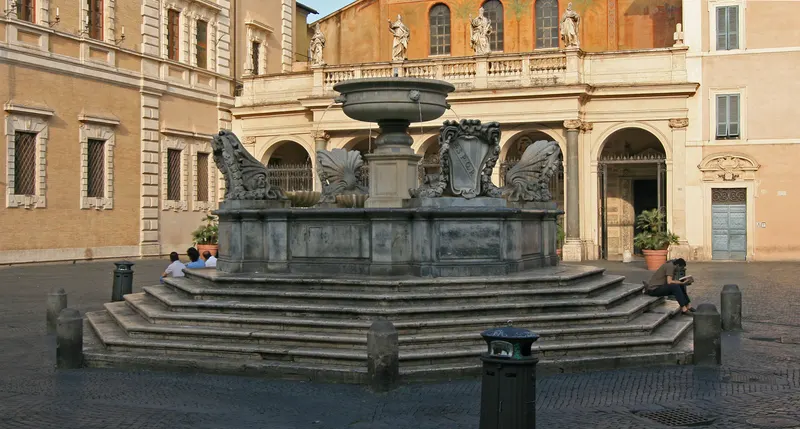 4
4Trastevere
Trastevere sits west of the Tiber with cobbled lanes, Santa Maria in Trastevere, aperitivo crowds, and trattorias. Sleep here for evening atmosphere, not fast metro access.
 5
5Testaccio & Aventino
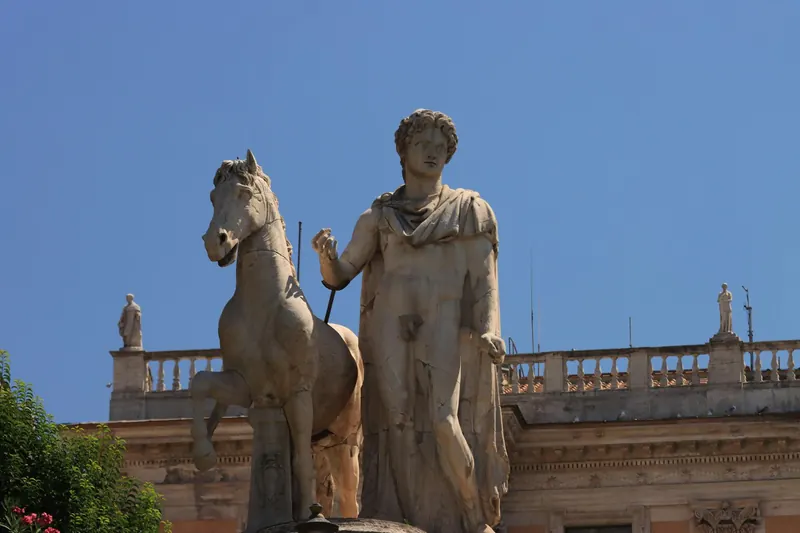
Testaccio is Rome's food district, anchored by the market, Monte Testaccio, and old slaughterhouse spaces. Aventino above it is quieter, with orange gardens and the famous keyhole view.
 6
6Spanish Steps, Via Veneto & Villa Borghese
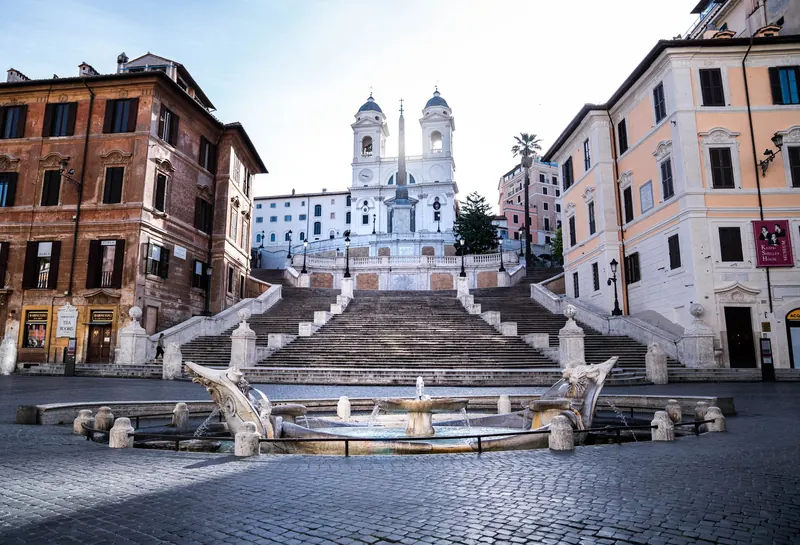
This northern-centre zone is Rome at its polished end: hotels, fashion streets, embassies, the Trevi-Spagna walk, and park access. It costs more but reduces taxi time for gallery-heavy days.
Getting around
Rome uses ATAC buses, trams, and Metro lines A, B, and C; contactless fares are EUR1.50 per 100-minute ride with a EUR7 daily cap, and Termini is the main rail/metro interchange. The Leonardo Express links Fiumicino Airport to Termini in about 30 minutes, but walking is still fastest inside Centro Storico because many marquee sights sit off the metro grid.
Florence
Florence in August
TempTemperature
91°F / 66°F
32.6°C / 18.7°C
RainPrecipitation
5d
2.2in · 55mm
LightDaylight
13.8h
August is the hottest month, with some local closures and better evenings at Piazzale Michelangelo.
City overview
Florence is a compact Arno River city where the medieval street grid, Medici palaces, Brunelleschi dome, and Oltrarno workshops put Renaissance art within short walks. Santa Maria Novella handles arrivals, San Giovanni and Santa Croce hold the museum core, and Santo Spirito or San Niccolò show the working south-bank layer.
Food & drink
Florence food is Tuscan and offal-friendly: bistecca alla fiorentina is a thick T-bone grilled rare, ribollita reheats bread, beans, and cavolo nero into soup, pappa al pomodoro softens tomato and bread, and lampredotto fills street sandwiches with simmered tripe. Mercato Centrale, Sant'Ambrogio Market, Nerbone, Via de' Neri sandwich shops, and Oltrarno trattorie add crostini neri, pappardelle al cinghiale, cantucci, Chianti, and Brunello.
Events & festivals
- Aug 1 – Aug 31
Estate Fiorentina 2026
A month-long summer festival featuring open-air concerts, theater performances, art exhibitions, and cultural events throughout Florence.
Planning lead · dates set closer in · Source: festival research
- Aug 10 – Aug 20
Florence Dance Festival 2026
An international dance festival showcasing contemporary and classical dance performances in various venues across Florence.
Planning lead · dates set closer in · Source: festival research
- Aug 10
Festa di San Lorenzo - Notte Bianca 2026
The White Night of San Lorenzo, celebrating the patron saint of Florence with late-night cultural events, concerts, and fireworks.
Planning lead · dates set closer in · Source: festival research
- Aug 14 – Aug 16
Firenze Rocks 2026
A major rock music festival held in Florence, attracting international artists and large crowds.
Planning lead · dates set closer in · Source: festival research
- Aug 22 – Aug 29
Florence Jazz Festival 2026
A week-long jazz festival featuring renowned jazz musicians performing in historic locations around Florence.
Planning lead · dates set closer in · Source: festival research
Holidays & observances
- Aug 15AssumptionPublic holiday
Top sights
Ranked for August suitability using weather, setting, ratings, and review volume.
- 1Ponte Vecchio and Vasari Corridor
- 2Palazzo Pitti and Boboli Gardens
- 3Cathedral of Santa Maria del Fiore and Brunelleschi's Dome
- 4Santa Croce
- 5Uffizi Gallery
- 6Palazzo Vecchio and Piazza della Signoria
- 7Bargello Museum
- 8Santa Maria Novella
- 9Galleria dell'Accademia
- 10Piazzale Michelangelo and San Miniato al Monte
 1
1Ponte Vecchio and Vasari Corridor
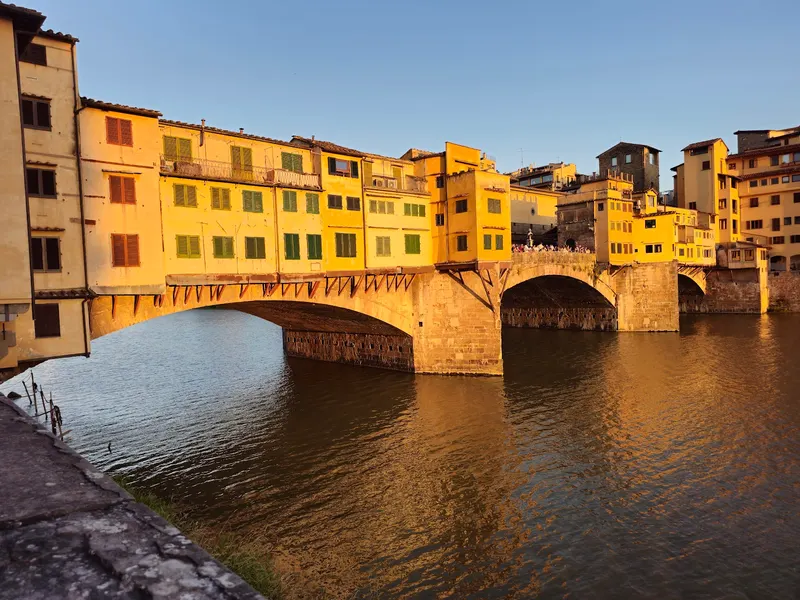
4.7★ · 150,547outdoorThe shop-lined bridge over the Arno dates to 1345 and survived World War II. Goldsmiths replaced butchers in the Renaissance, and the 1565 Vasari Corridor runs above the shops toward Palazzo Pitti.
 2
2Palazzo Pitti and Boboli Gardens
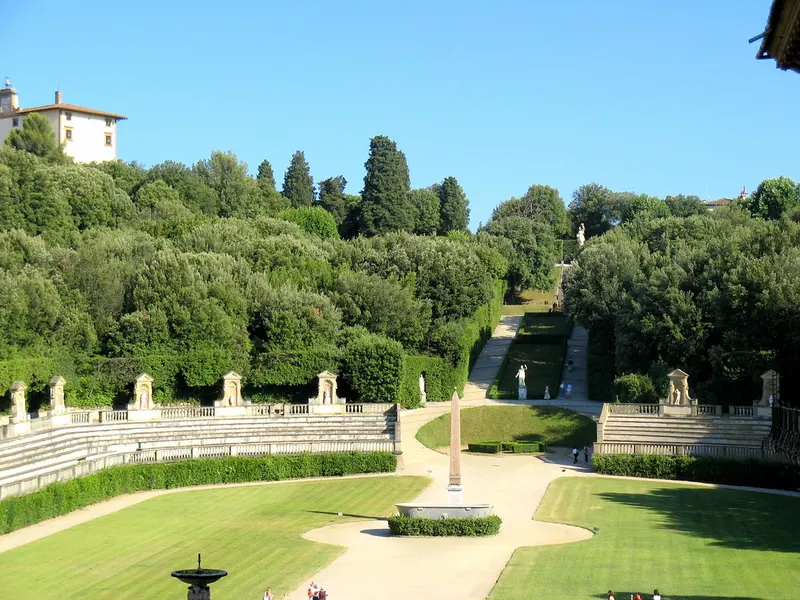
4.2★ · 30,046outdoorOpen dailyThe Pitti Palace became the Medici and later royal residence south of the Arno, with Palatine Gallery rooms, treasury collections, costume displays, and the Boboli Gardens behind it.
 3
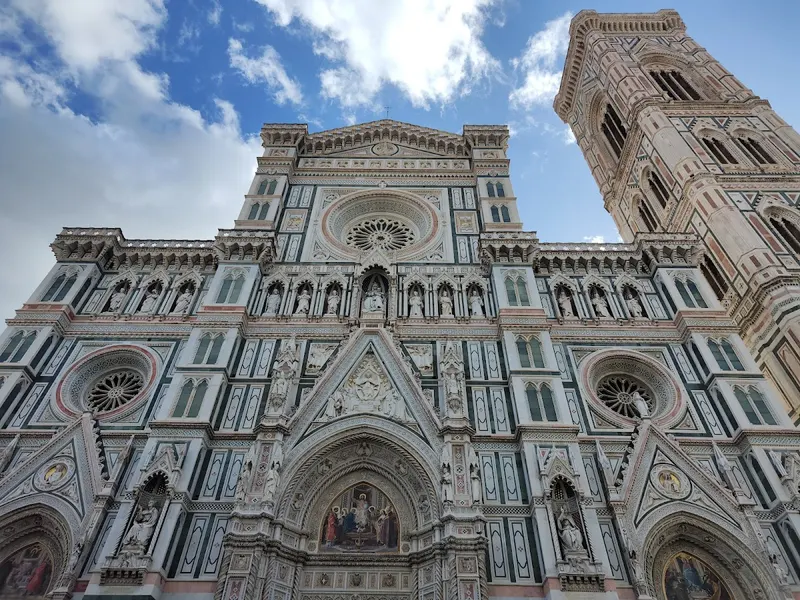
3Cathedral of Santa Maria del Fiore and Brunelleschi's Dome
4.8★ · 108,694indoorClosed SunFlorence began the cathedral in the 13th century and finished the massive brick dome under Filippo Brunelleschi in the 15th century. The complex includes the cathedral, Giotto's Campanile, the Baptistery, and the Opera del Duomo museum.
Dome climbs require a reserved time slot and 464 steps; the cathedral floor is free but separate from monument tickets.
Show 7 more sights
- 4Santa Croce
- 5Uffizi Gallery
- 6Palazzo Vecchio and Piazza della Signoria
- 7Bargello Museum
- 8Santa Maria Novella
- 9Galleria dell'Accademia
- 10Piazzale Michelangelo and San Miniato al Monte
Neighborhoods
 1
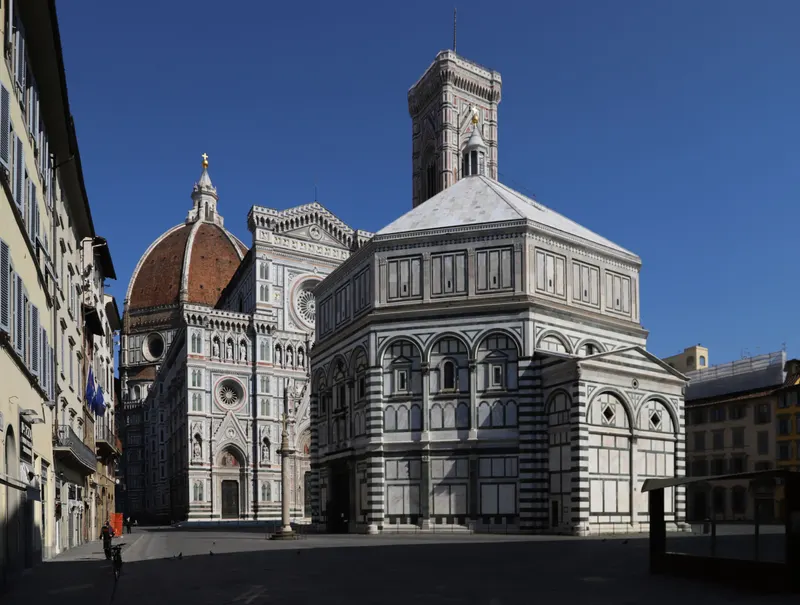
1San Giovanni and Piazza del Duomo
San Giovanni is cathedral Florence, with the Duomo, Baptistery, Campanile, Via Calzaiuoli, Piazza della Repubblica, and the densest day-trip crowds.
 2
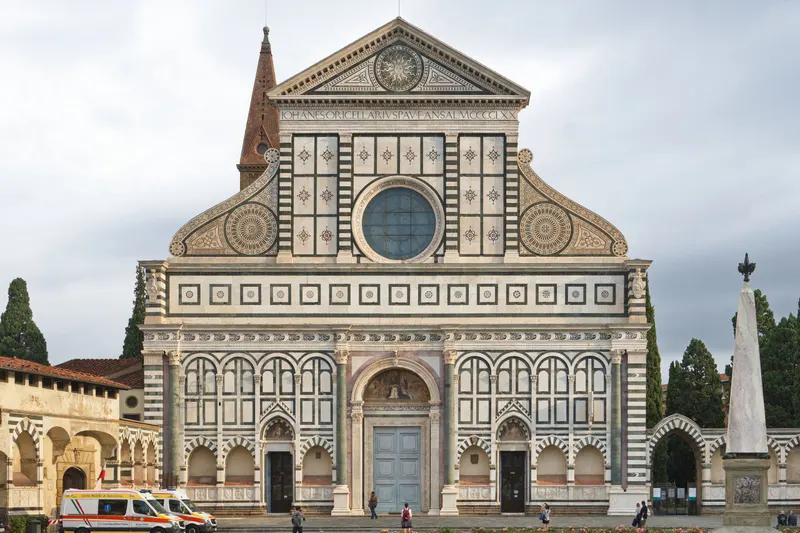
2Santa Maria Novella
Santa Maria Novella is arrival-and-hotel Florence, with Firenze SMN, the basilica, Via della Scala, tram stops, and practical restaurants near the station.
 3
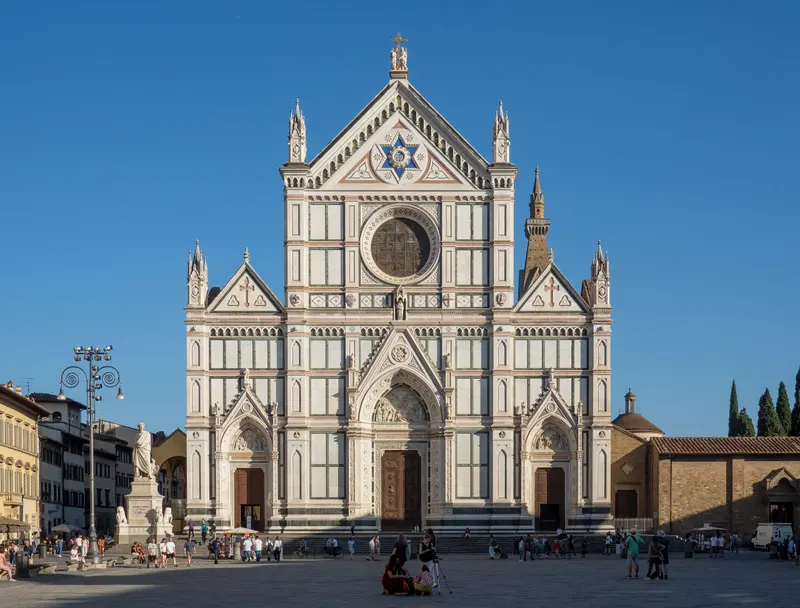
3Santa Croce
Santa Croce mixes basilica courtyards, leather shops, bars, Sant'Ambrogio market, and evening squares east of the Uffizi core.
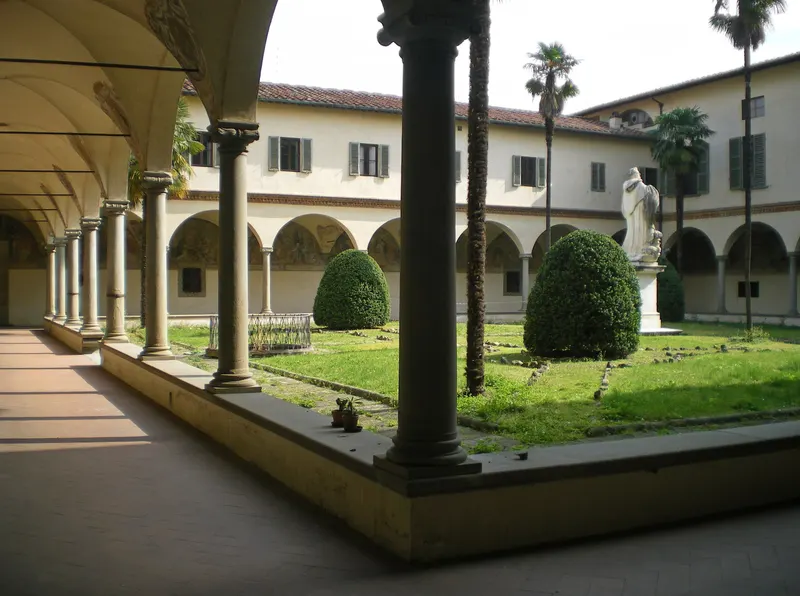 4
4San Lorenzo and San Marco
San Lorenzo and San Marco carry market stalls, the Medici Chapels, Mercato Centrale, Accademia, university blocks, and cheaper food around Via Faenza.
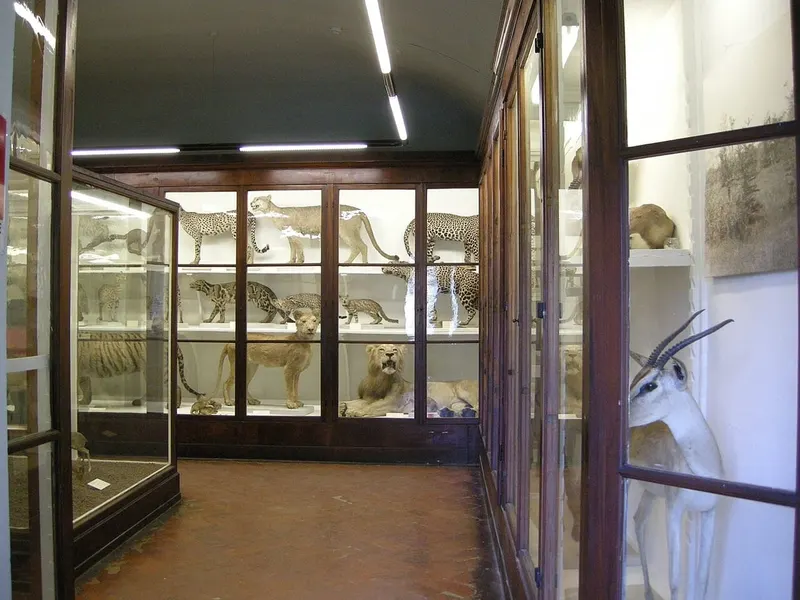 5
5Oltrarno, Santo Spirito, and San Frediano
Oltrarno feels craft-heavy and residential, with Santo Spirito, San Frediano workshops, Palazzo Pitti, Boboli, wine bars, and fewer bus groups.
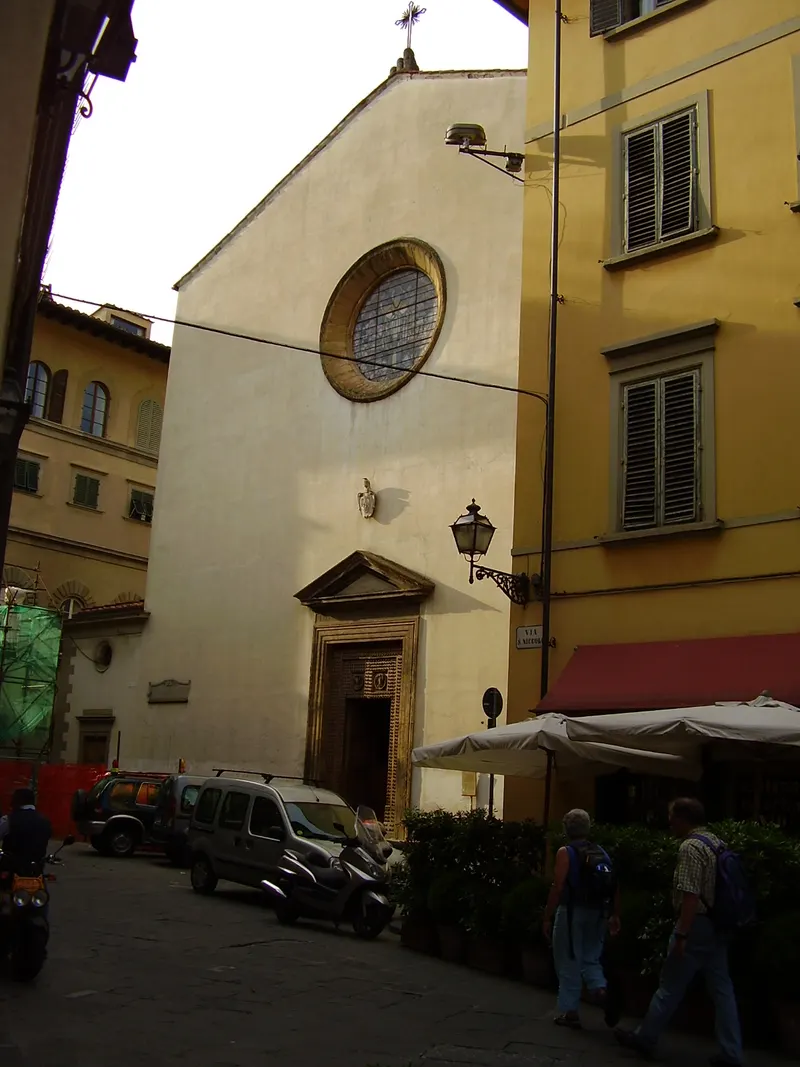 6
6San Niccolò and the hills
San Niccolò climbs toward Piazzale Michelangelo and San Miniato, with gates, studios, aperitivo bars, stair lanes, and the best skyline angle.
Getting around
Florence's historic center is fastest on foot, with ZTL rules making rental cars a liability inside the core. Tram T2 links the airport with Santa Maria Novella, T1 reaches Villa Costanza park-and-ride and Scandicci, and regional buses or trains from SMN handle Fiesole, Siena, Pisa, Lucca, and Chianti transfers.
Venice
Venice in August
TempTemperature
84°F / 66°F
28.8°C / 19°C
RainPrecipitation
6d
2.6in · 65mm
LightDaylight
13.9h
Sea
80.4°F
26.9°C
August remains hot, with Lido beach plans and Biennale pavilions working better than packed San Marco afternoons.
City overview
Venice is a lagoon city of six sestieri, where the Grand Canal, smaller rii, footbridges, and vaporetti replace normal streets. San Marco holds the republic's power symbols, Dorsoduro and Cannaregio give calmer art-and-food bases, and the islands of Murano, Burano, Torcello, Giudecca, and Lido explain the lagoon beyond the postcard core.
Food & drink
Venice food is lagoon-and-bacaro specific: cicchetti are small bar snacks eaten standing with ombra wine, sarde in saor marinates sardines with onion, vinegar, raisins, and pine nuts, baccala mantecato whips salted cod into a creamy spread, and risotto al nero di seppia gets its black color from cuttlefish ink. Rialto Market, Cannaregio's Fondamenta della Misericordia, Dorsoduro's Campo Santa Margherita, and San Polo bacari are better anchors than Piazza San Marco restaurants for bigoli in salsa, fritto misto, spritz, and seafood.
Holidays & observances
- Aug 15AssumptionPublic holiday
Top sights
Ranked for August suitability using weather, setting, ratings, and review volume.
- 1Grand Canal and Rialto Bridge
- 2Arsenale and Giardini della Biennale
- 3Piazza San Marco and Saint Mark's Basilica
- 4Doge's Palace
- 5Santa Maria della Salute
- 6Gallerie dell'Accademia
- 7Peggy Guggenheim Collection
- 8Cannaregio Jewish Ghetto
- 9Burano and the Lace Museum
- 10Murano Glass Museum
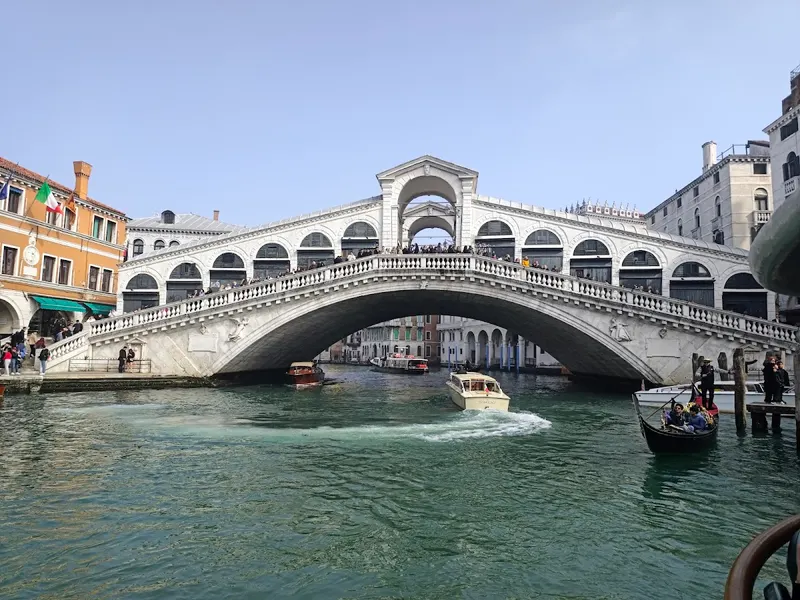 1
1Grand Canal and Rialto Bridge
4.7★ · 192,115outdoorThe Grand Canal curves through Venice past palaces, traghetto crossings, and vaporetto stops, with the stone Rialto Bridge spanning the commercial center since the late 16th century. Rialto Market still anchors the San Polo side.
 2
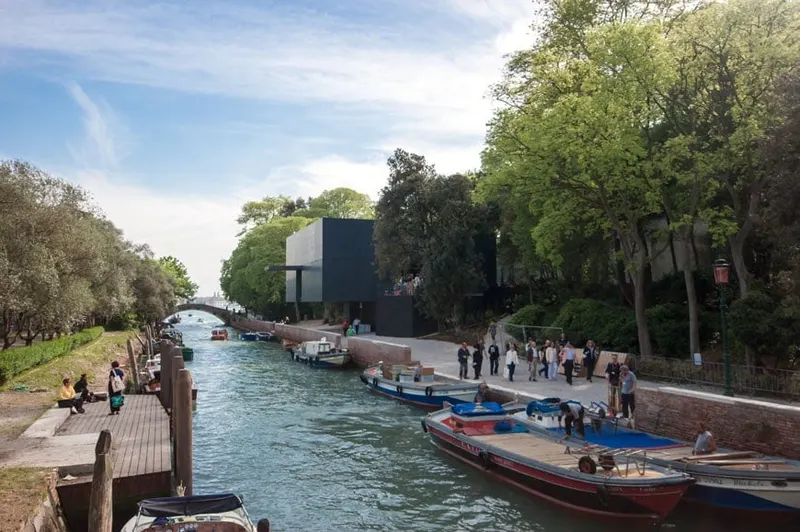
2Arsenale and Giardini della Biennale
4.5★ · 12,380outdoorClosed MonThe Arsenale was the Venetian Republic's shipbuilding engine, and the nearby Giardini now hold national pavilions for La Biennale di Venezia. Art Biennale runs in even years and Architecture Biennale in odd years.
 3
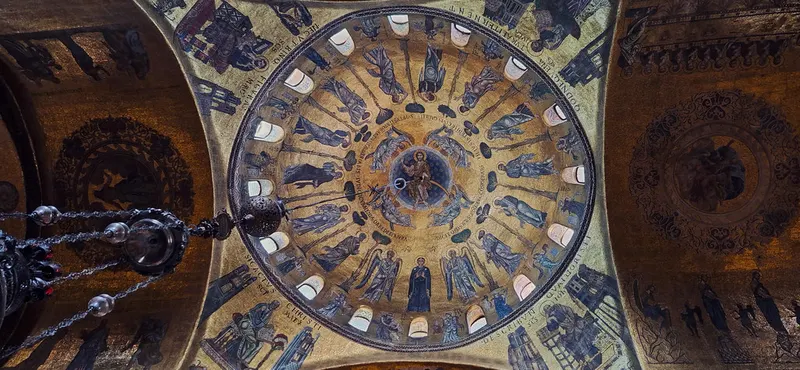
3Piazza San Marco and Saint Mark's Basilica
4.7★ · 28,607indoorOpen dailyThe basilica grew from the 11th century around Byzantine mosaics, marble floors, and relics of Saint Mark brought from Alexandria. The square also holds the Campanile, Procuratie arcades, and the main approach to the Doge's Palace.
Reserve timed basilica entry in busy months and use dawn or winter for uncrowded square photos.
Show 7 more sights
- 4Doge's Palace
- 5Santa Maria della Salute
- 6Gallerie dell'Accademia
- 7Peggy Guggenheim Collection
- 8Cannaregio Jewish Ghetto
- 9Burano and the Lace Museum
- 10Murano Glass Museum
Neighborhoods
 1
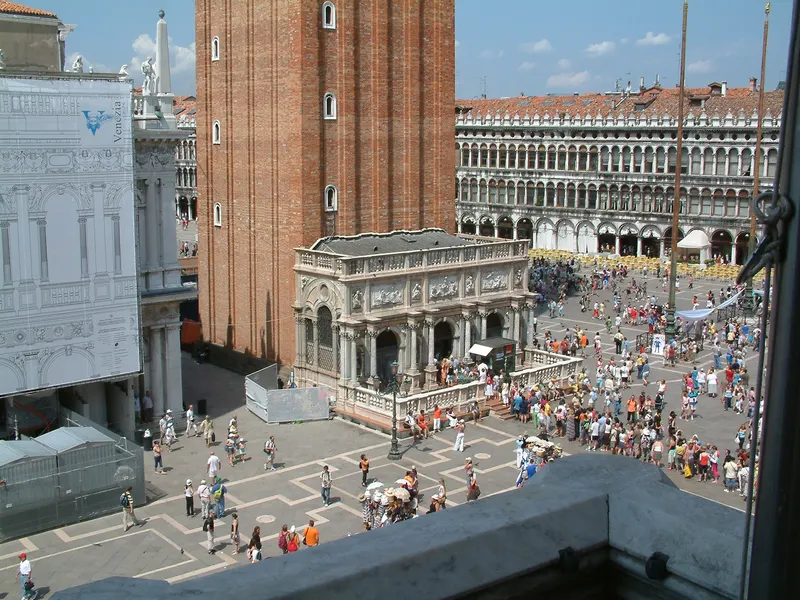
1San Marco
San Marco is dense and ceremonial, with the basilica, Doge's Palace, La Fenice, luxury hotels, and the tightest crowd pressure around Piazza San Marco.
 2
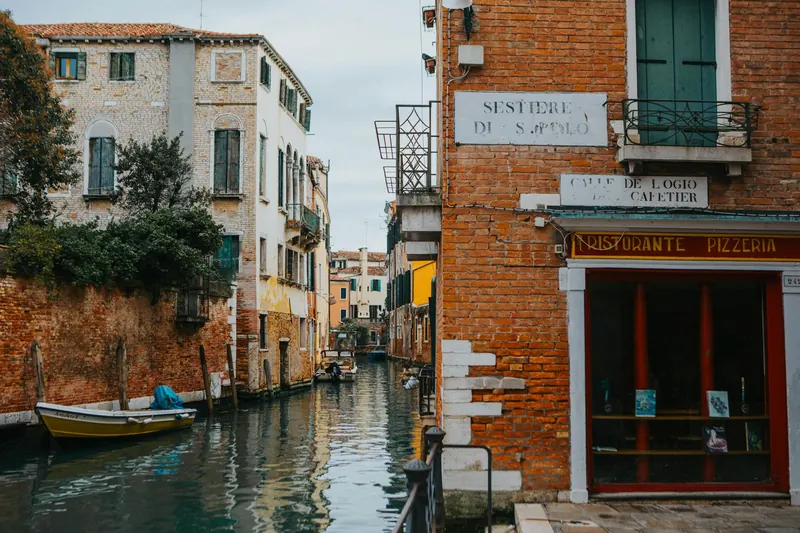
2San Polo
San Polo is merchant Venice, with Rialto Bridge, Rialto Market, bacari, Frari church nearby, and narrow lanes between the Grand Canal and Santa Croce.
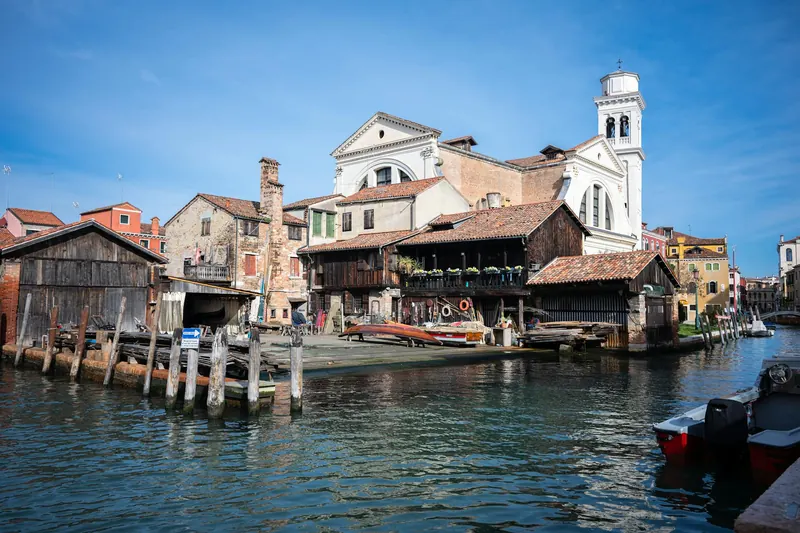 3
3Dorsoduro
Dorsoduro feels artier and student-heavy, with Accademia, Peggy Guggenheim, Zattere, Campo Santa Margherita, and views across Giudecca Canal.
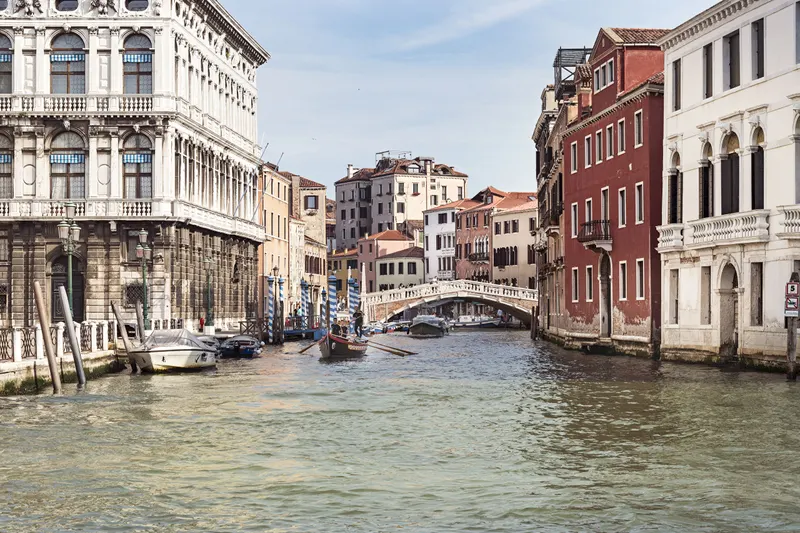 4
4Cannaregio
Cannaregio is the north-side base, with the Jewish Ghetto, Fondamenta della Misericordia bars, Strada Nova, and quieter canal edges near Madonna dell'Orto.
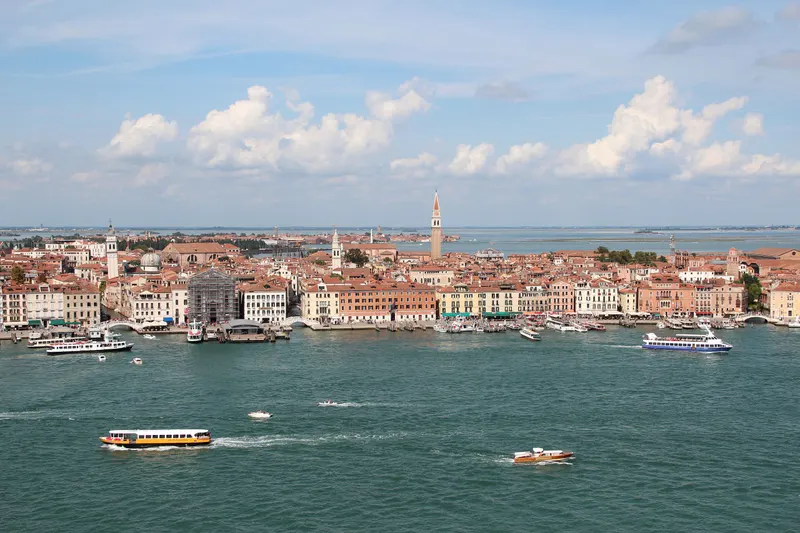 5
5Castello
Castello stretches from San Marco crowds to local streets around San Giovanni e Paolo, the Arsenale, Via Garibaldi, and Biennale gardens.
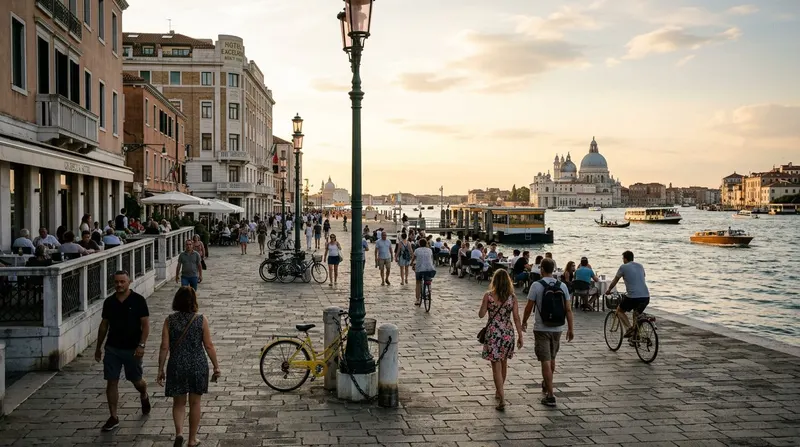 6
6Giudecca and Lido
Giudecca gives wide canal views and hotel terraces across from Dorsoduro, while Lido has beaches, bikes, Art Deco hotels, and the Venice Film Festival.
Getting around
ACTV vaporetti and buses use time-based Venezia Unica tickets, and Line 1 is the slow Grand Canal sightseeing route while Line 2 is faster for Rialto, San Marco, Giudecca, and Piazzale Roma. Walking is fastest inside each sestiere, traghetti cross the Grand Canal at selected points, and airport access uses bus 5 to Piazzale Roma or Alilaguna boats from Marco Polo.
Planning the Italy Classic route?
Add your dates and we'll pace all 3 cities — every place checked for closures, limited hours, and booking needs in August.
Weather by month for the Italy Classic trip
In August, climate averages for Rome, Florence and Venice show daytime highs from 29°C / 84°F to 33°C / 91°F, with nights down to about 19°C / 66°F in the coolest of those cities. The rainiest of those cities averages about 6 rainy days. Based on climate averages for Rome, Florence and Venice, August is mixed for weather comfort.
The most comfortable months for this route are September, May and October, based on average daytime temperatures and rainfall in Rome, Florence and Venice. August 2026 is mixed for weather comfort.
Common questions about the Italy Classic trip
- When is the best time to do the Italy Classic trip?
- The most comfortable months across Rome, Florence and Venice are September, May and October, based on average daytime temperatures and rainfall for those cities. August is mixed for weather comfort — see the city climate sections below for the averages in August 2026.
- How many days do you need for the Italy Classic trip?
- A comfortable Italy Classic trip runs about 7–9 days, allowing roughly Rome 3, Florence 2, Venice 2 nights plus travel between stops. Add a day if you want a slower pace or extra day trips.
- What's the route for the Italy Classic trip?
- The classic order is Rome, Florence & Venice. The detailed month sections below cover Rome, Florence and Venice.
Ready to plan the Italy Classic trip?
Turn this route into a day-by-day plan for August 2026, every stop checked for closures and booking needs on your exact dates.