Bavaria & Austria itinerary — February 2027
For the Bavaria & Austria trip (Munich, Salzburg & Vienna), February 2027 is one of the less comfortable months by weather. Across Munich, Salzburg and Vienna, daytime highs run from about 5°C / 41°F to 6°C / 43°F. Plan around 8–10 days for the full Munich, Salzburg & Vienna loop.
In this order — about 8–10 days:
- Munich3 nightsGermany
- Salzburg2 nightsAustria
- Vienna3 nightsAustria
- Route noteReserve the longest intercity leg first and keep transfer days free of timed sights.
By TripSapien · Updated August 24, 2026
Munich
Munich in February
TempTemperature
40°F / 26°F
4.7°C / -3.2°C
RainPrecipitation
9d
1.8in · 45mm
LightDaylight
10h
February stays wintry, with Fasching events and indoor museums useful between cold Altstadt walks.
City overview
Munich sits on the Isar in southern Bavaria, where Altstadt, Maxvorstadt, Schwabing, Ludwigsvorstadt-Isarvorstadt, Haidhausen, and Nymphenburg link royal squares, art museums, beer halls, science museums, parks, football, and Alpine rail days. The city is polished and orderly, but Oktoberfest tents, river surfing, student galleries, and beer gardens keep it from feeling like a museum piece.
Food & drink
Munich food is Bavarian and beer-hall specific: Weisswurst is a poached veal sausage eaten with sweet mustard and a pretzel, Schweinshaxe is crisp pork knuckle, Obatzda is a paprika-seasoned cheese spread, and Leberkaese is sliced warm from a loaf. Viktualienmarkt, Hofbräuhaus, Augustiner-Keller, Gaertnerplatz, Elisabethmarkt, and beer gardens in the English Garden and Hirschgarten add roast pork, spaetzle, radishes, Apfelstrudel, and Helles lager.
Events & festivals
- Feb 5
- Feb 9
- Feb 11
- Feb 12
- Feb 13
- Feb 17
Show all 13 events for February
- Feb 17
- Feb 19
- Feb 24
- Feb 25
- Feb 26
- Feb 27
- Feb 28
Top sights
Ranked for February suitability using weather, setting, ratings, and review volume.
- 1Marienplatz and Neues Rathaus
- 2Englischer Garten and Eisbach wave
- 3BMW Welt and Olympic Park
- 4Frauenkirche
- 5Munich Residenz
- 6Nymphenburg Palace
- 7Allianz Arena
- 8Deutsches Museum
- 9Hofbräuhaus
- 10Pinakotheken and Kunstareal
 1
1Marienplatz and Neues Rathaus
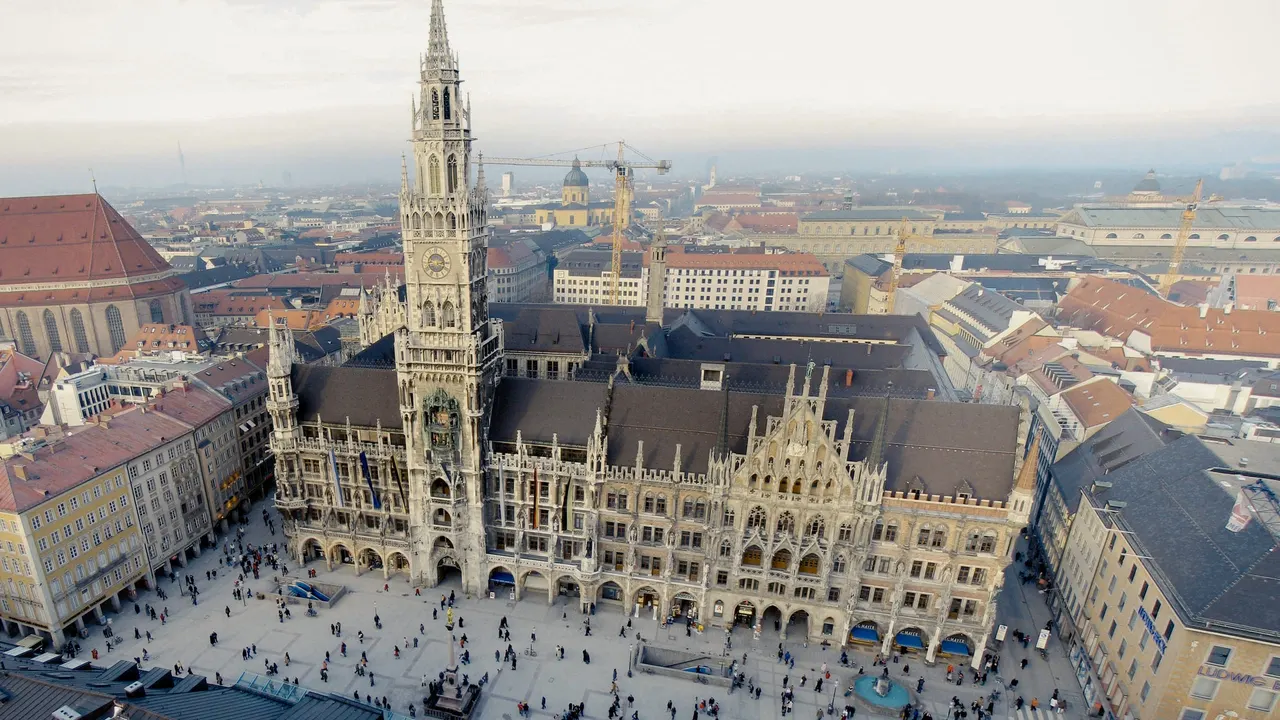
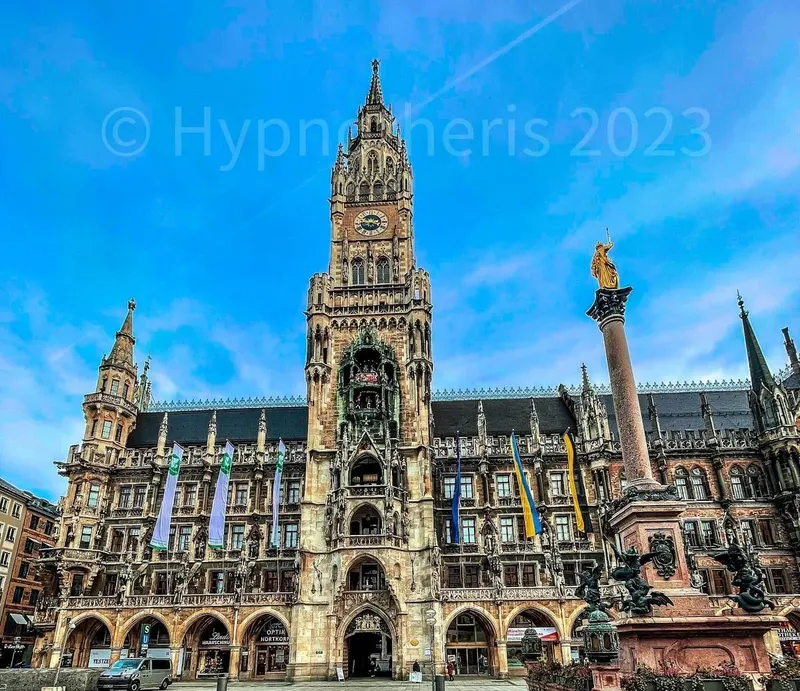
4.7★ · 2,110outdoorOpen dailyMarienplatz has been Munich's central square since the medieval market period, with the 19th-century New Town Hall and its Glockenspiel facing the column. S-Bahn and U-Bahn platforms sit directly below the square.
 2
2Englischer Garten and Eisbach wave
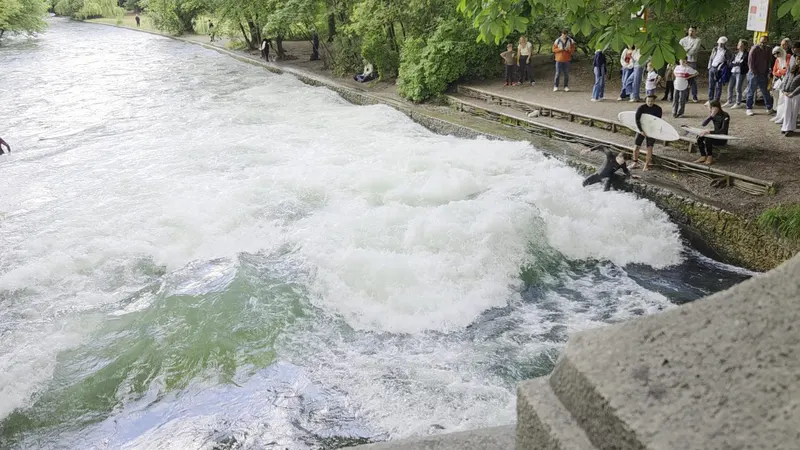
4.7★ · 21,874outdoorOpen dailyThe English Garden is one of Europe's largest urban parks, stretching north from the Residenz area with meadows, streams, beer gardens, and the Eisbach surf wave. The Chinese Tower beer garden is the classic stop.
 3
3BMW Welt and Olympic Park
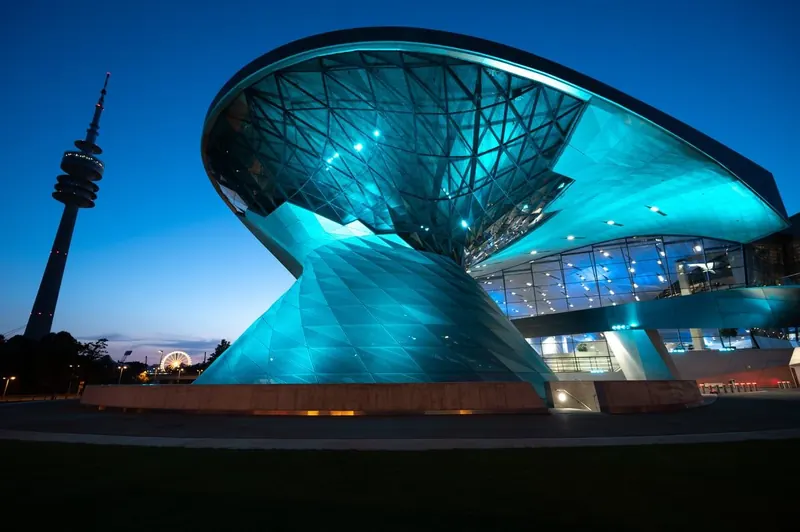
4.7★ · 39,283indoorOpen dailyBMW Welt, the BMW Museum, and the 1972 Olympic Park cluster in northern Munich beside the tent-roof stadiums and tower. The U3 line links the area to the center.
Show 7 more sights
- 4Frauenkirche
- 5Munich Residenz
- 6Nymphenburg Palace
- 7Allianz Arena
- 8Deutsches Museum
- 9Hofbräuhaus
- 10Pinakotheken and Kunstareal
Neighborhoods
 1
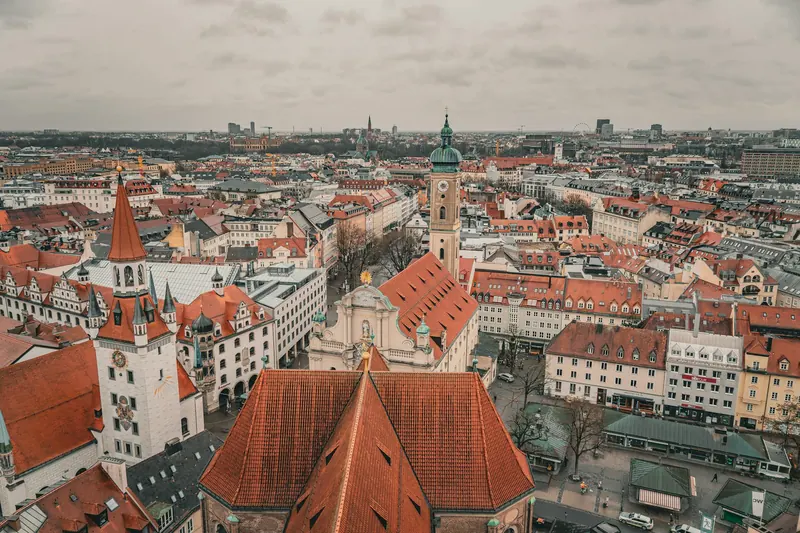
1Altstadt and Lehel
Altstadt and Lehel are central and ceremonial, with Marienplatz, Frauenkirche, Viktualienmarkt, Residenz, Hofgarten, and Isar access.
 2
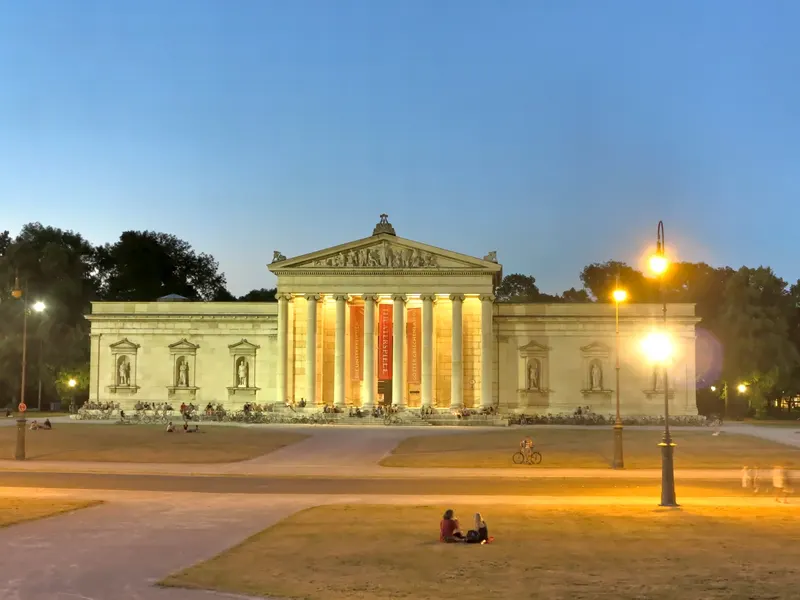
2Maxvorstadt
Maxvorstadt is museum-and-student focused, with Kunstareal, Pinakotheken, Koenigsplatz, universities, bookshops, cafes, and small bars.
 3
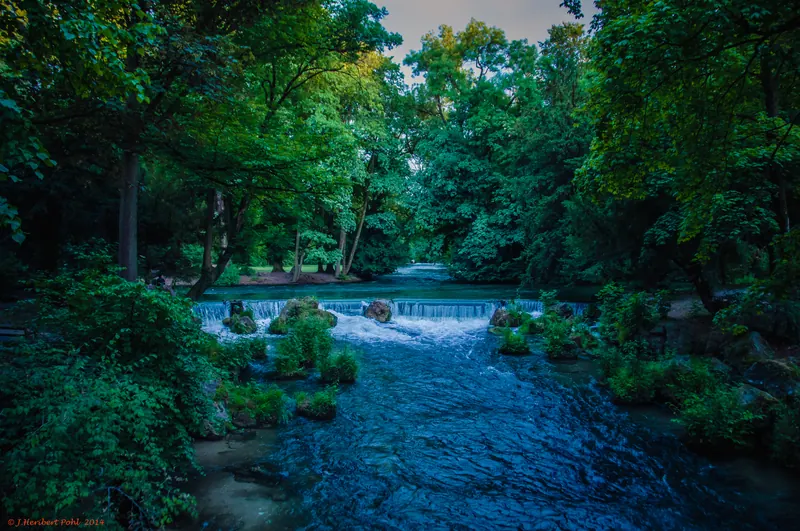
3Schwabing and English Garden
Schwabing has cafe history, Art Nouveau facades, Leopoldstrasse, university life, and quick access to the English Garden and Eisbach.
 4
4Ludwigsvorstadt-Isarvorstadt
Ludwigsvorstadt-Isarvorstadt holds Hauptbahnhof, Glockenbachviertel, Gärtnerplatz, Deutsches Museum, nightlife, and the Theresienwiese Oktoberfest grounds.
 5
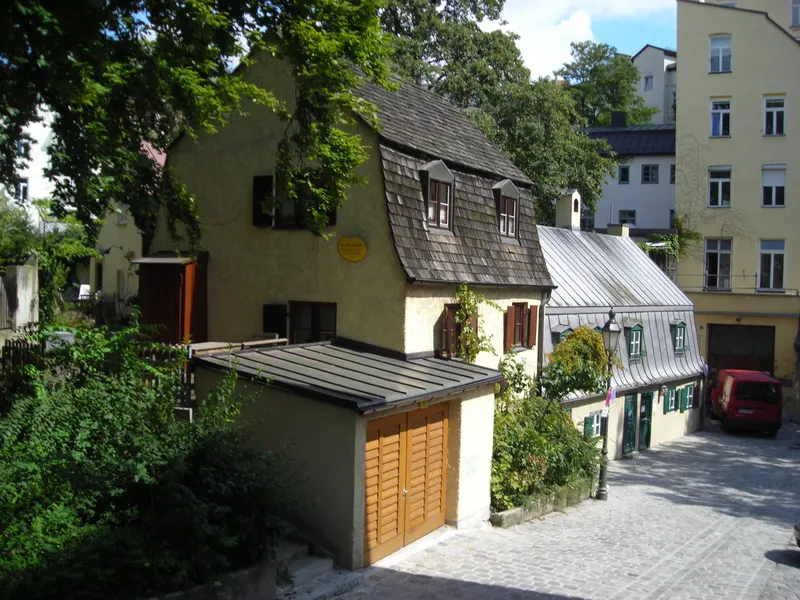
5Haidhausen
Haidhausen feels village-like east of the Isar, with Gasteig area, Wiener Platz, French Quarter streets, beer gardens, and Ostbahnhof links.
 6
6Nymphenburg and Neuhausen
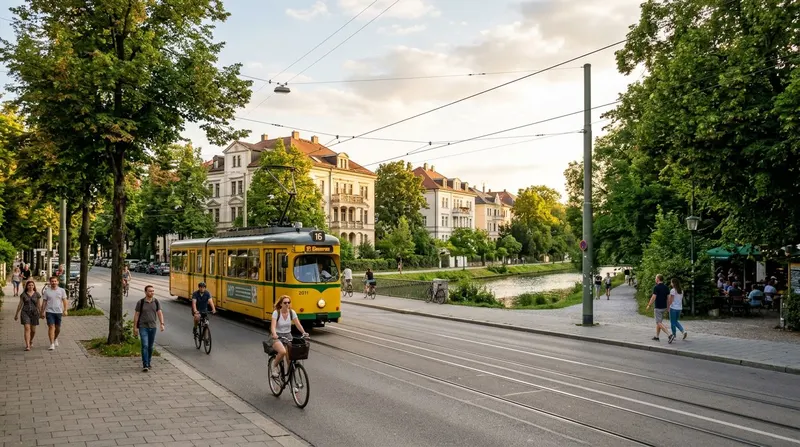
Nymphenburg and Neuhausen are residential and green, with palace canals, Hirschgarten, beer gardens, villas, and tram routes west from the center.
Getting around
MVV covers U-Bahn, S-Bahn, trams, buses, and regional trains with zone-based tickets and airport lines S1 and S8. Walk the Altstadt, use U-Bahn for Olympic Park and Allianz Arena, trams for Nymphenburg, and regional trains for Alpine or Salzburg days.
Salzburg
Salzburg in February
TempTemperature
42°F / 27°F
5.7°C / -2.8°C
RainPrecipitation
10d
2in · 50mm
LightDaylight
10h
February stays wintry, with mountain views clear after cold fronts and paths still slick.
City overview
Salzburg is a Salzach River city of prince-archbishop power, baroque church domes, Mozart addresses, and fortress views pressed between Mönchsberg, Kapuzinerberg, and the northern Alps. The Altstadt holds the UNESCO core, Neustadt and Mirabell carry gardens and station access, and Hellbrunn, Nonntal, and the mountain edges turn the city into a compact base for alpine day trips.
Food & drink
Salzburg tables lean on Salzburger Nockerl, Mozartkugel, schnitzel, Kasnocken, Bosna sausage, apple strudel, beer-hall roast pork, and alpine cheeses. Grünmarkt, Schrannenmarkt, Café Tomaselli, and Augustiner Bräu Mülln give the best first pass from old-town sweets to beer-hall plates.
Top sights
Ranked for February suitability using weather, setting, ratings, and review volume.
- 1Mirabell Palace and Gardens
- 2Hellbrunn Palace and Trick Fountains
- 3St Peter’s Abbey and Cemetery
- 4Salzburg Cathedral
- 5Haus der Natur
- 6Hohensalzburg Fortress
- 7Residenzplatz and DomQuartier
- 8Schloss Leopoldskron
- 9Mozart’s Birthplace
- 10Museum der Moderne Mönchsberg
 1
1Mirabell Palace and Gardens
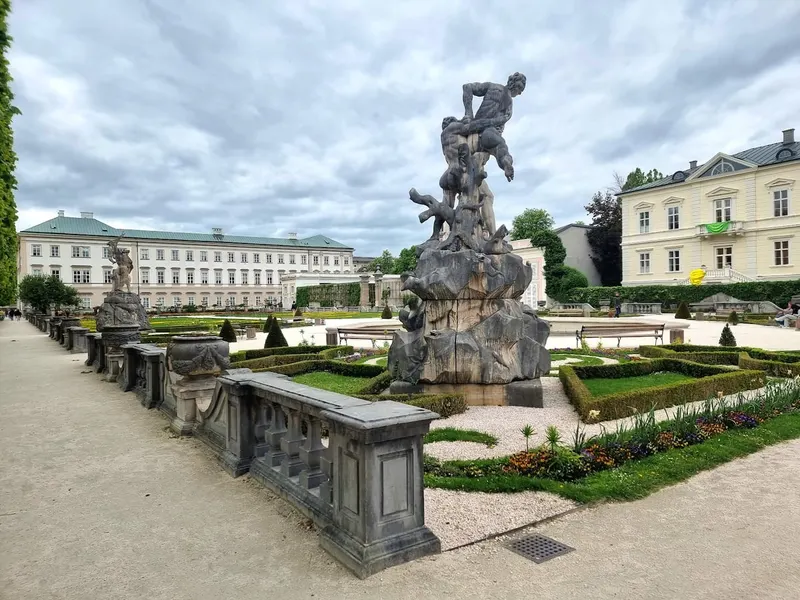
4.7★ · 14,681outdoorOpen dailyPrince-Archbishop Wolf Dietrich built the palace in 1606 for Salome Alt, and the baroque gardens later became one of Salzburg’s signature views toward the fortress. The Pegasus Fountain and marble hall sit north of the river.
 2
2Hellbrunn Palace and Trick Fountains
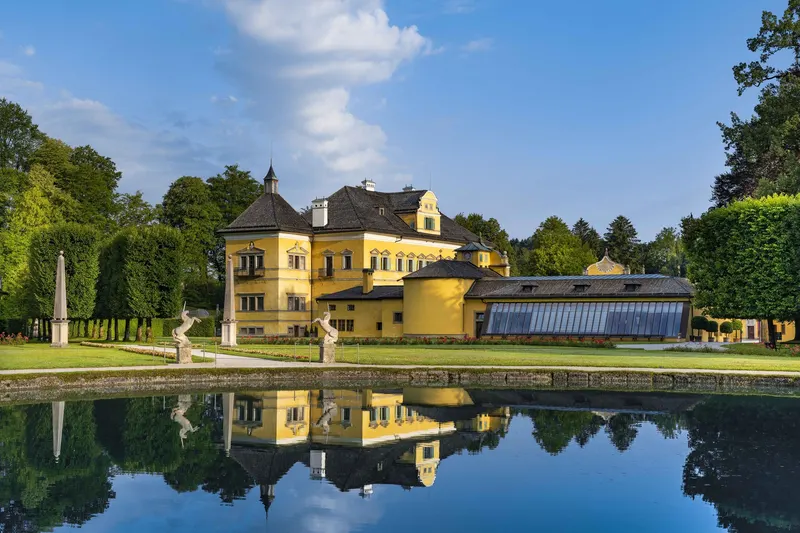
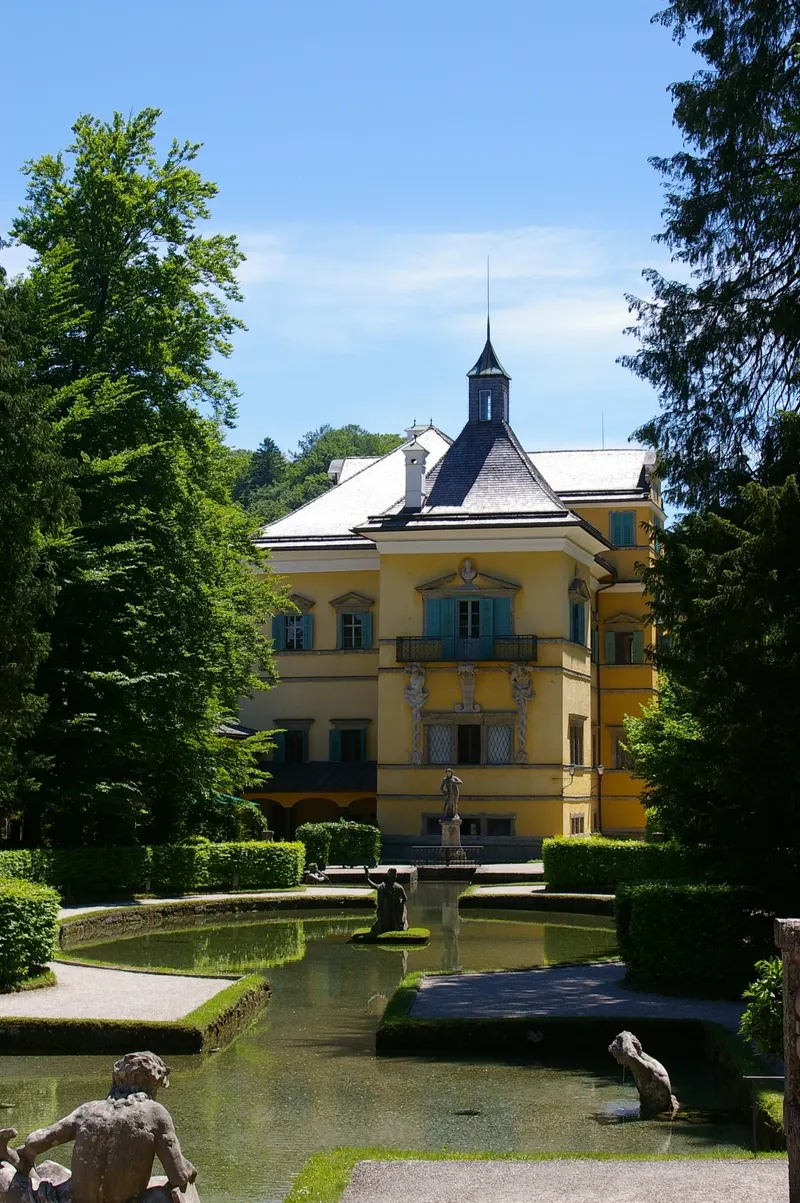
4.6★ · 22,257outdoorOpen dailyPrince-Archbishop Markus Sittikus built Hellbrunn as a pleasure palace from 1613 to 1619, with water-powered jokes, grottoes, and garden machinery. The palace sits south of the center near Anif.
 3
3St Peter’s Abbey and Cemetery
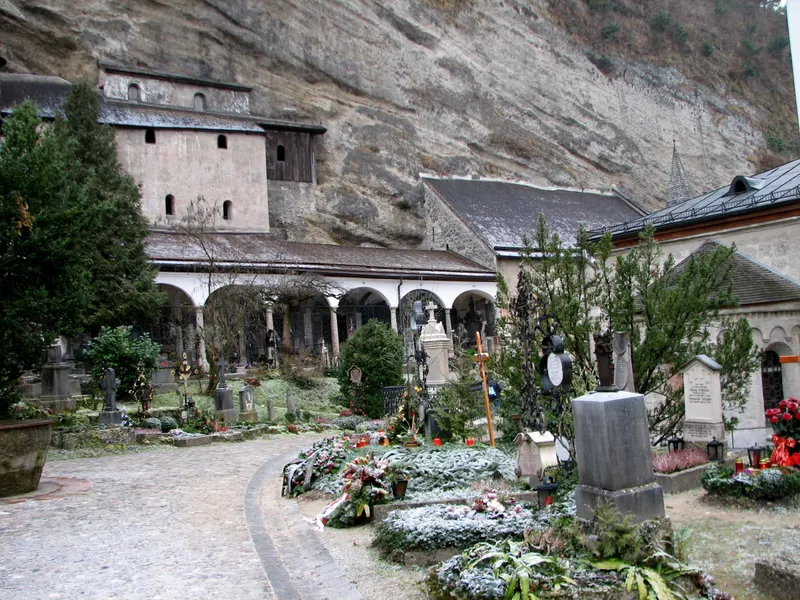
4.5★ · 769outdoorOpen dailyThe Benedictine abbey traces its foundation to St Rupert around 696, making it one of the oldest monastic sites in the German-speaking world. The cemetery, catacombs, and church are tucked below Mönchsberg near the cathedral.
Show 7 more sights
- 4Salzburg Cathedral
- 5Haus der Natur
- 6Hohensalzburg Fortress
- 7Residenzplatz and DomQuartier
- 8Schloss Leopoldskron
- 9Mozart’s Birthplace
- 10Museum der Moderne Mönchsberg
Neighborhoods
 1
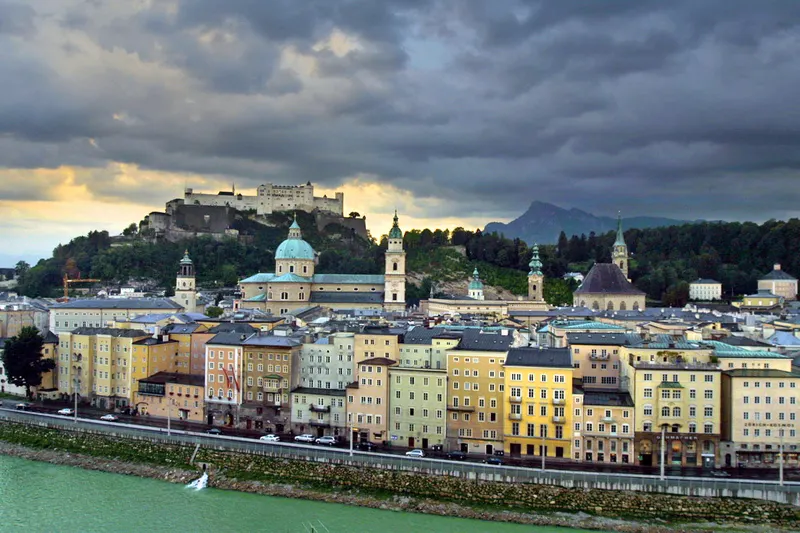
1Altstadt
The UNESCO old town is ornate and compact, with Getreidegasse, the cathedral, Residenzplatz, St Peter’s, festival halls, and fortress lanes.
 2
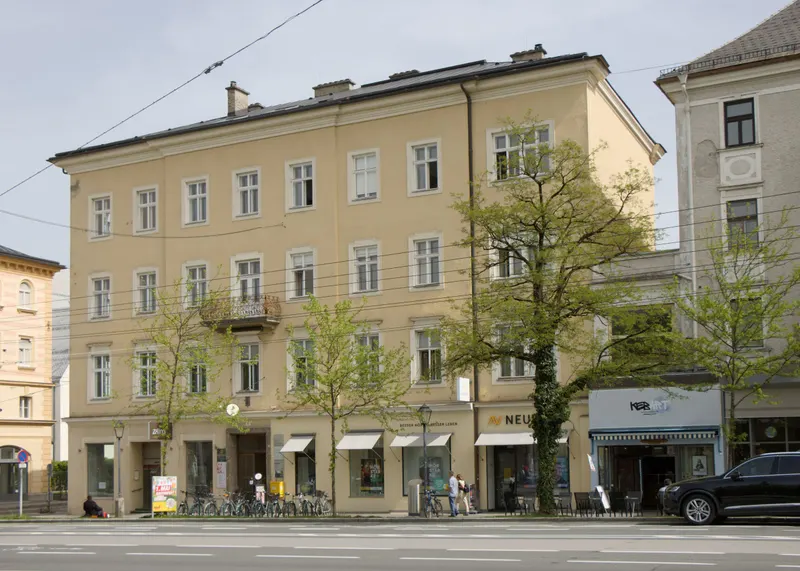
2Neustadt and Mirabell
Neustadt is practical and elegant, with Mirabell gardens, Mozart Residence, Linzergasse, hotels, and the main route toward the station.
 3
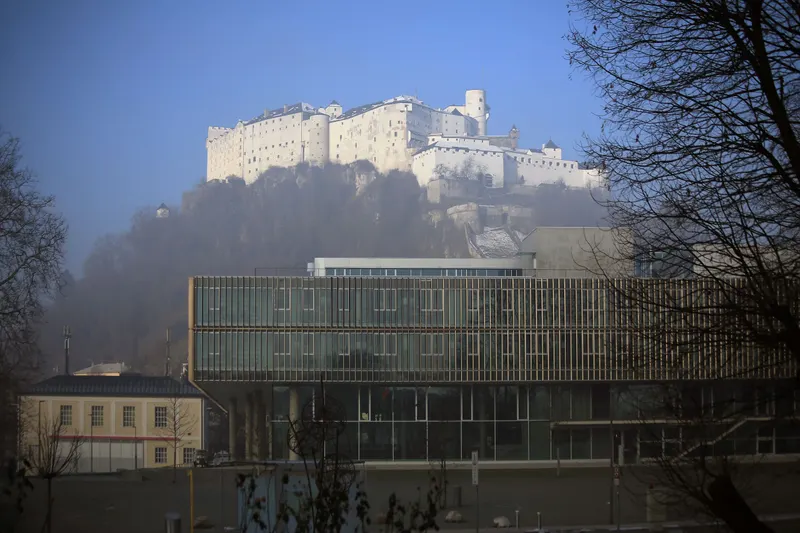
3Nonntal
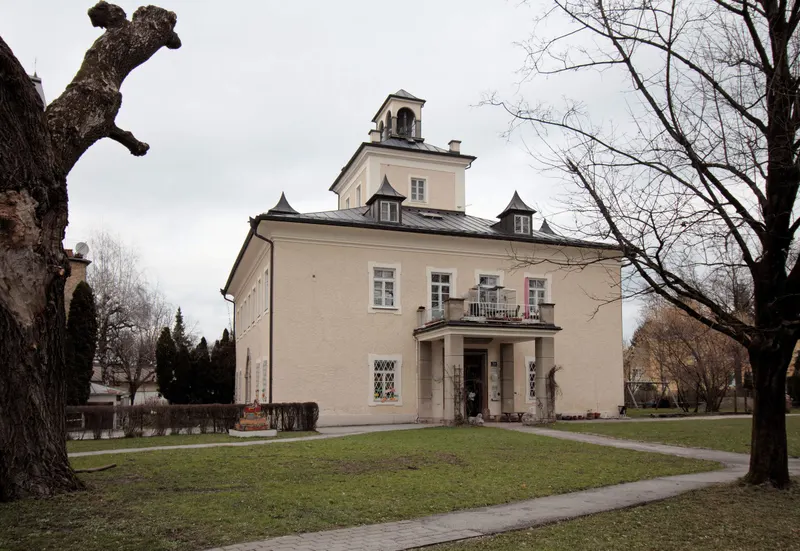
Nonntal is quieter and local, with Nonnberg Abbey, university buildings, St Erhard church, and walks toward Leopoldskron.
 4
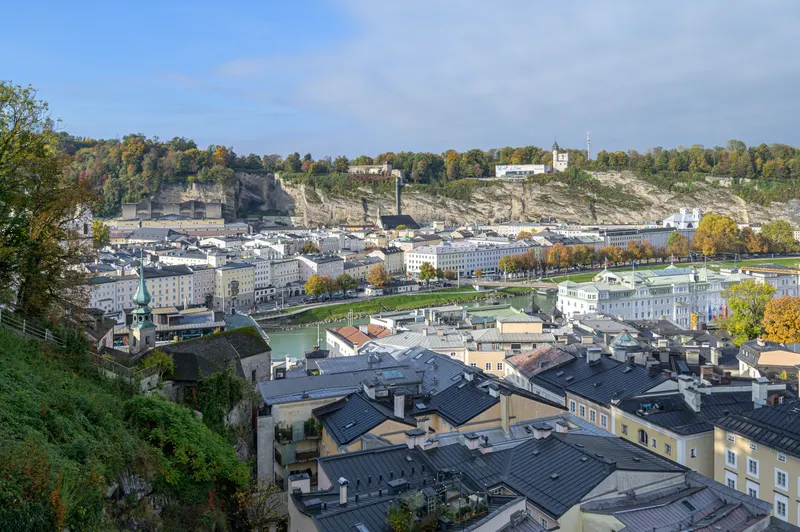
4Mönchsberg and Riedenburg
Mönchsberg and Riedenburg add villas, viewpoints, modern art, wooded paths, and calmer streets just above the old-town crowds.
 5
5Lehen and Elisabeth-Vorstadt
Lehen and Elisabeth-Vorstadt are station-side and residential, with cheaper hotels, rail links, local shops, and less postcard polish.
 6
6Hellbrunn and Anif edge
Hellbrunn and Anif feel green and suburban, with the trick fountains, zoo, palace park, bike paths, and mountain glimpses south of town.
Getting around
Salzburg’s core is best on foot, with trolleybuses and buses linking the station, Mirabell, Altstadt edges, Hellbrunn, and airport. The Salzburg Card bundles transit with major sights, while bikes work well along the Salzach in dry weather.
Vienna
Vienna in February
TempTemperature
42°F / 28°F
5.7°C / -2°C
RainPrecipitation
7d
1.6in · 40mm
LightDaylight
10h
February stays wintry, with ball season, opera nights, and museum days carrying the visit.
City overview
Vienna sits on the Danube edge with the Innere Stadt, Leopoldstadt, Neubau, Wieden, Mariahilf, Landstrasse, Hietzing, and the Ringstrasse organizing imperial palaces, coffeehouses, music, museums, markets, and wine taverns. The city is strongest when the Hofburg, Schoenbrunn, Belvedere, MuseumsQuartier, Prater, and Naschmarkt are treated as linked districts rather than isolated monuments.
Food & drink
Vienna food is built around cafes, Beisln, and wine taverns: Wiener schnitzel is a thin breaded cutlet fried crisp, Tafelspitz is boiled beef with horseradish and apple sauce, Kaiserschmarrn tears sugared pancake into pieces, and Sachertorte layers chocolate cake with apricot jam. Naschmarkt, Cafe Central, Cafe Sacher, Cafe Hawelka, Grinzing, Neubau, and Karmelitermarkt add goulash, apple strudel, apricot dumplings, melange coffee, and heuriger snacks.
Events & festivals
- Feb 1 – Feb 28
Carnival Season Events in Vienna 2027
Various carnival balls, parades, and cultural events celebrating the traditional Viennese Fasching (Carnival) season.
Planning lead · dates set closer in · Source: festival research
- Feb 3
- Feb 5 – Feb 25
Vienna Philharmonic Concerts - February 2027
A series of classical music concerts by the Vienna Philharmonic Orchestra at the Musikverein.
Planning lead · dates set closer in · Source: festival research
- Feb 10
- Feb 12
Vienna Opera Ball 2027
The prestigious annual Vienna Opera Ball held at the Vienna State Opera, featuring classical music, dancing, and elegant socializing.
Planning lead · dates set closer in · Source: festival research
- Feb 15 – Feb 28
Vienna International Film Festival - February Screenings 2027
A selection of international and Austrian films screened at various cinemas across Vienna, showcasing contemporary cinema.
Planning lead · dates set closer in · Source: festival research
Show all 9 events for February
- Feb 16
- Feb 16
- Feb 25
Top sights
Ranked for February suitability using weather, setting, ratings, and review volume.
- 1Prater and Riesenrad
- 2Kunsthistorisches Museum
- 3Schoenbrunn Palace
- 4Hofburg Palace
- 5Belvedere Palace
- 6Stephansdom
- 7Albertina
- 8Vienna State Opera
- 9MuseumsQuartier
- 10Naschmarkt
 1
1Prater and Riesenrad
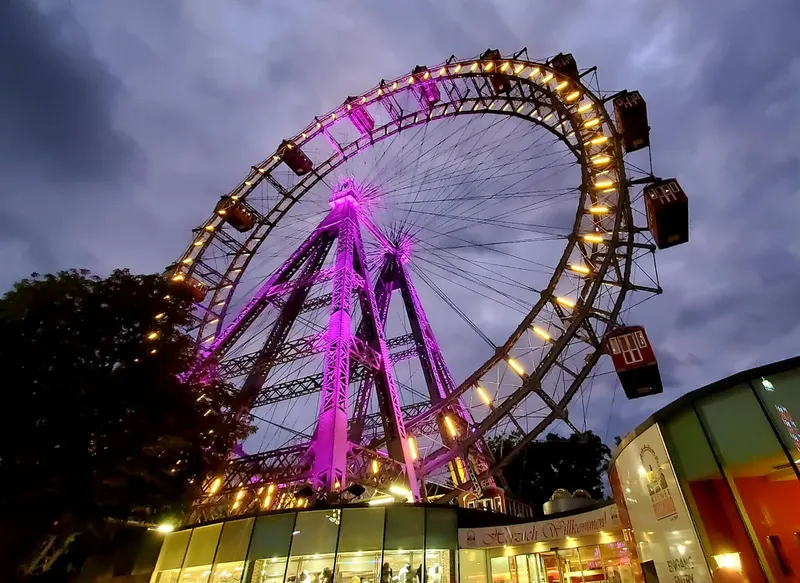
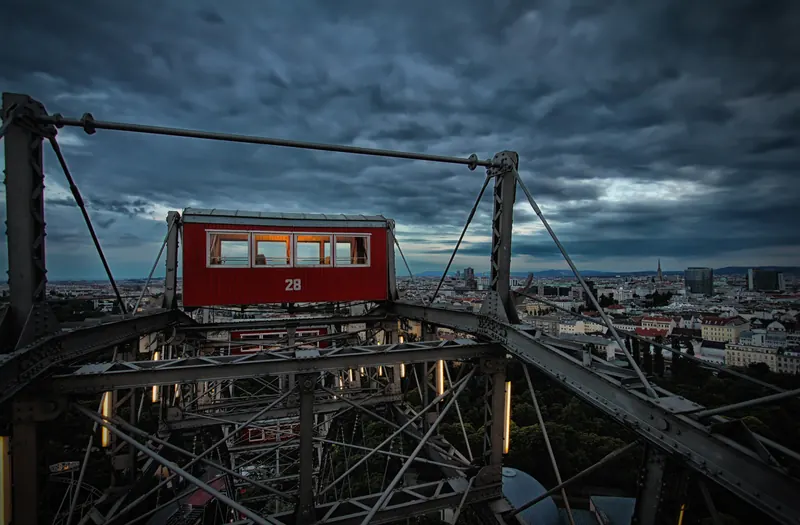
4.5★ · 48,073outdoorOpen dailyThe Prater amusement park in Leopoldstadt is centered on the 1897 Giant Ferris Wheel, old rides, beer gardens, and long park avenues. Praterstern has U-Bahn and S-Bahn access.
 2
2Kunsthistorisches Museum
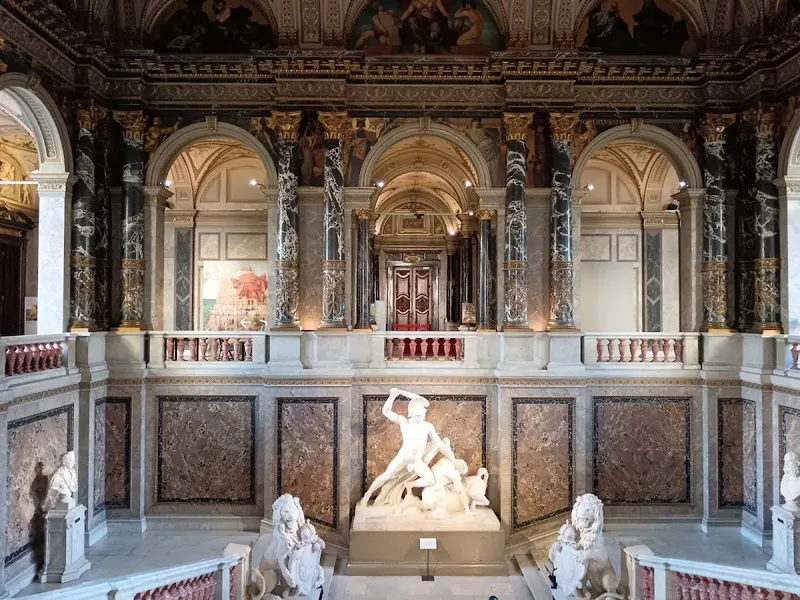
4.8★ · 34,665indoorClosed MonThe Ringstrasse museum opened in 1891 for Habsburg art collections and holds Bruegel, Rubens, Velazquez, Titian, Egyptian antiquities, and imperial objects. It faces the Natural History Museum across Maria-Theresien-Platz.
Wikipedia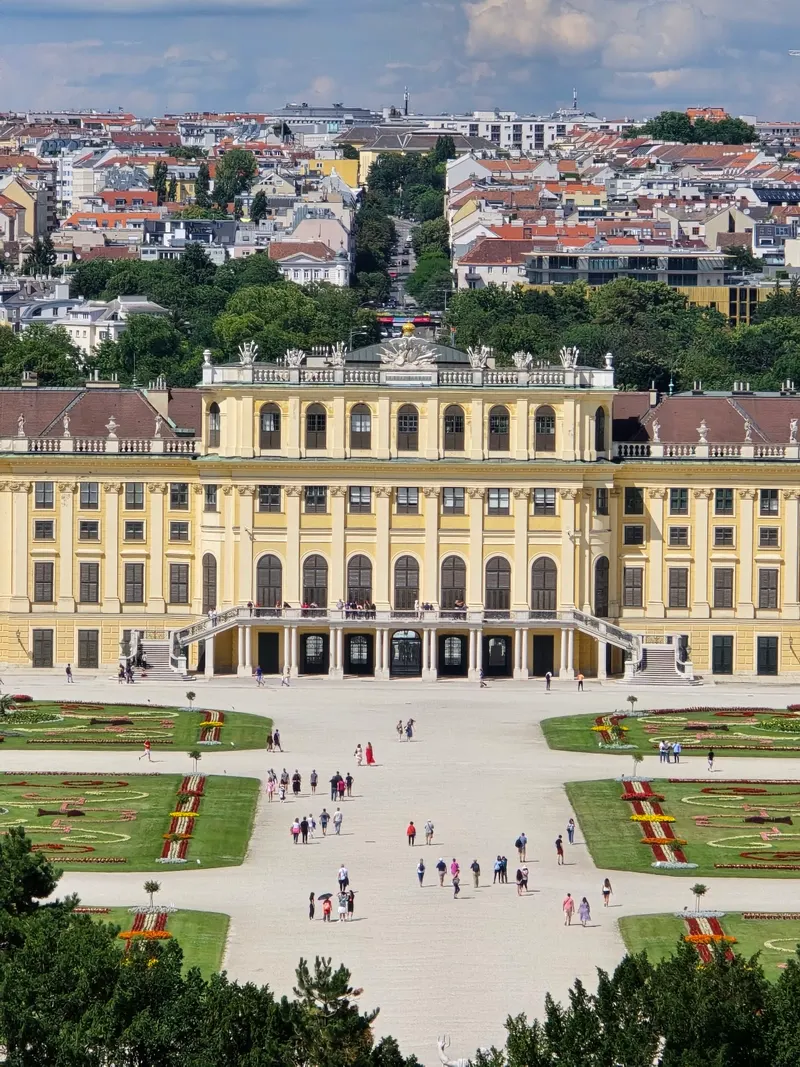 3
3Schoenbrunn Palace
4.7★ · 180,172indoorOpen dailyThe Habsburg summer palace grew in the 18th century with state rooms, gardens, Gloriette, fountains, and the Tiergarten nearby. It sits in Hietzing on U4.
WikipediaPalace interior tickets are timed; gardens are busiest on mild weekends.
Show 7 more sights
- 4Hofburg Palace
- 5Belvedere Palace
- 6Stephansdom
- 7Albertina
- 8Vienna State Opera
- 9MuseumsQuartier
- 10Naschmarkt
Neighborhoods
 1
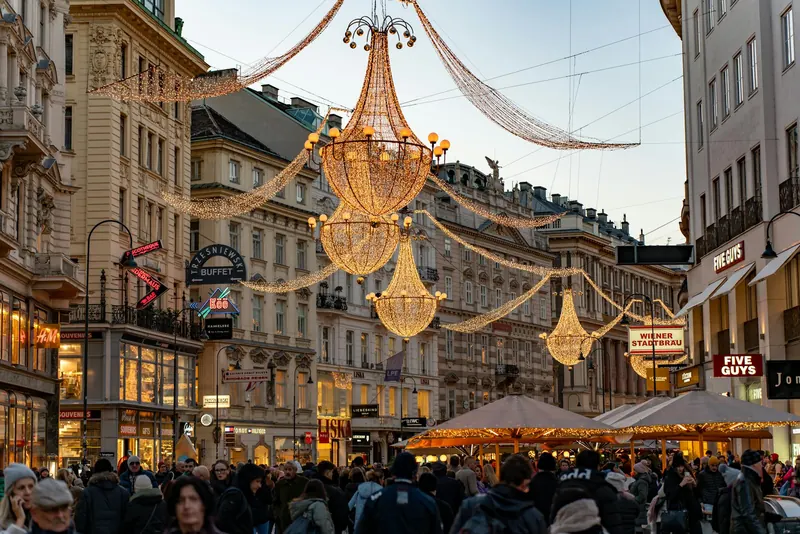
1Innere Stadt and Ringstrasse
Innere Stadt is imperial and compact, with Stephansdom, Hofburg, Graben, Kohlmarkt, State Opera, Ringstrasse museums, and coffeehouses.
 2
2Leopoldstadt and Prater
Leopoldstadt adds Prater rides, Augarten, Karmelitermarkt, Danube Canal bars, Jewish history, and easier park space.
 3
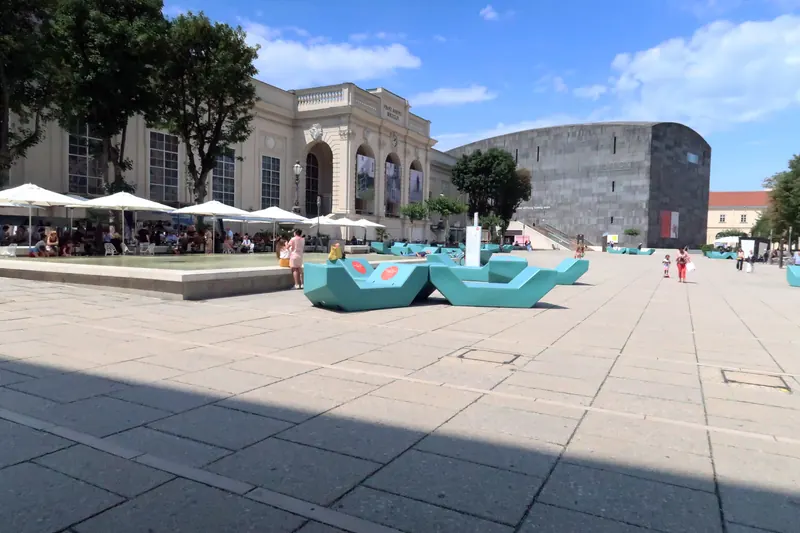
3Neubau and MuseumsQuartier
Neubau is arts-and-design focused, with MuseumsQuartier, Spittelberg lanes, Mariahilfer Strasse, galleries, cafes, and small shops.
 4
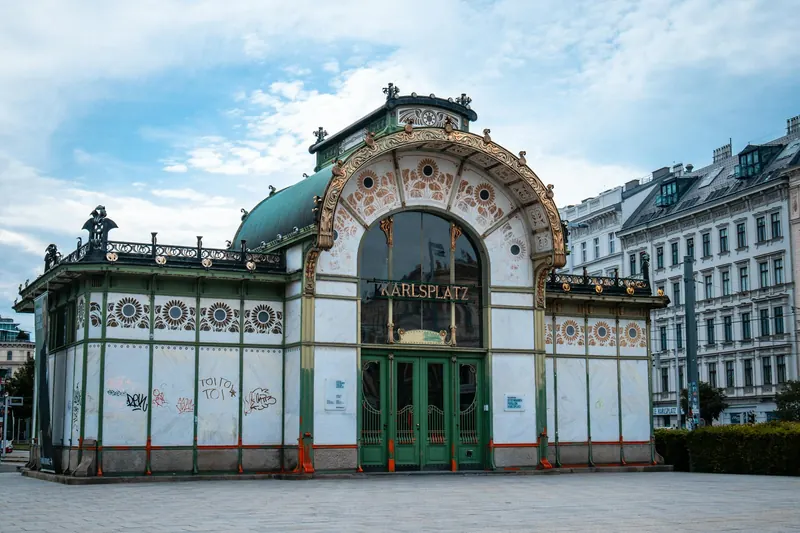
4Wieden and Karlsplatz
Wieden has Karlskirche, Naschmarkt, Secession, Freihausviertel restaurants, and tram links just south of the Ring.
 5
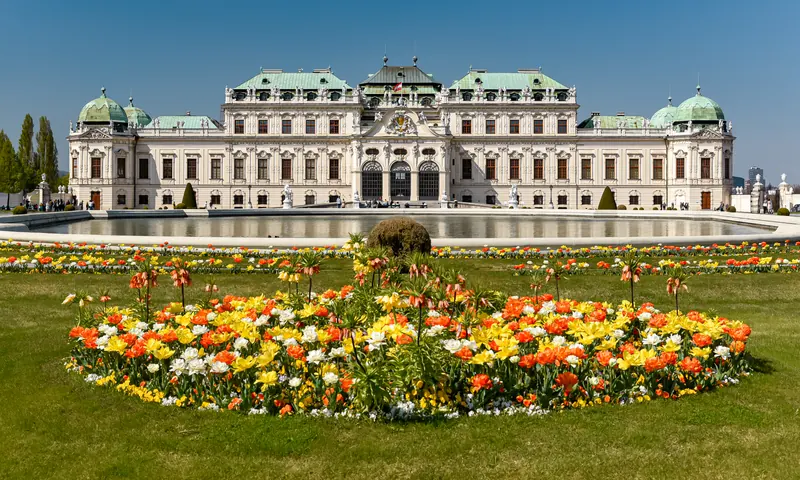
5Landstrasse
Landstrasse is palace-and-transit useful, with Belvedere, Stadtpark, Hundertwasserhaus, embassies, and Wien Mitte airport-train access.
 6
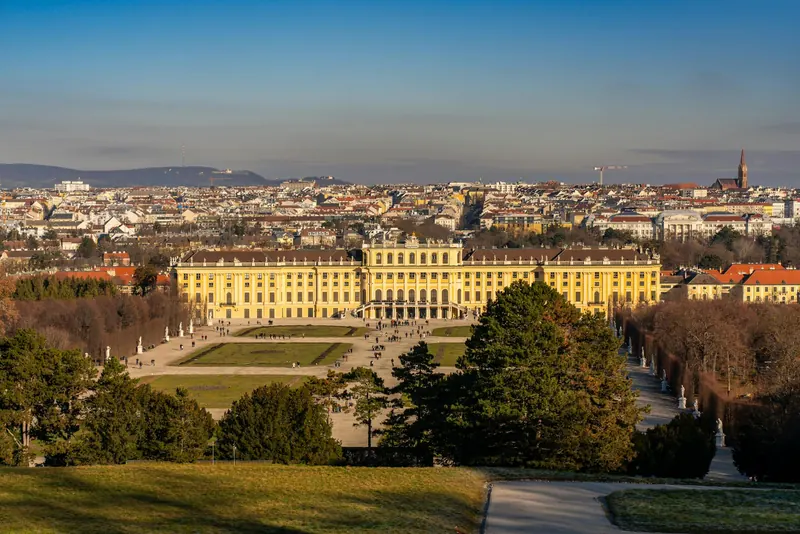
6Hietzing and Schoenbrunn
Hietzing is residential and palace-led, with Schoenbrunn, Tiergarten, villas, cafes, and U4 access to the center.
Getting around
Wiener Linien runs U-Bahn, trams, buses, and night services, while OBB and S-Bahn handle airport and regional trips. Use U-Bahn for Schoenbrunn, Prater, and Hauptbahnhof, trams for Ringstrasse views, and trains for Bratislava or Wachau connections.
Planning the Bavaria & Austria route?
Add your dates and we'll pace all 3 cities — every place checked for closures, limited hours, and booking needs in February.
Weather by month for the Bavaria & Austria trip
In February, climate averages for Munich, Salzburg and Vienna show daytime highs from 5°C / 41°F to 6°C / 43°F, with nights down to about -3°C / 27°F in the coolest of those cities. The rainiest of those cities averages about 10 rainy days. Based on climate averages for Munich, Salzburg and Vienna, February is one of the less comfortable months by weather.
The most comfortable months for this route are September, August and May, based on average daytime temperatures and rainfall in Munich, Salzburg and Vienna. February 2027 is a lower-comfort month.
Common questions about the Bavaria & Austria trip
- When is the best time to do the Bavaria & Austria trip?
- The most comfortable months across Munich, Salzburg and Vienna are September, August and May, based on average daytime temperatures and rainfall for those cities. February is one of the less comfortable months by weather — see the city climate sections below for the averages in February 2027.
- How many days do you need for the Bavaria & Austria trip?
- A comfortable Bavaria & Austria trip runs about 8–10 days, allowing roughly Munich 3, Salzburg 2, Vienna 3 nights plus travel between stops. Add a day if you want a slower pace or extra day trips.
- What's the route for the Bavaria & Austria trip?
- The classic order is Munich, Salzburg & Vienna. The detailed month sections below cover Munich, Salzburg and Vienna.
Ready to plan the Bavaria & Austria trip?
Turn this route into a day-by-day plan for February 2027, every stop checked for closures and booking needs on your exact dates.