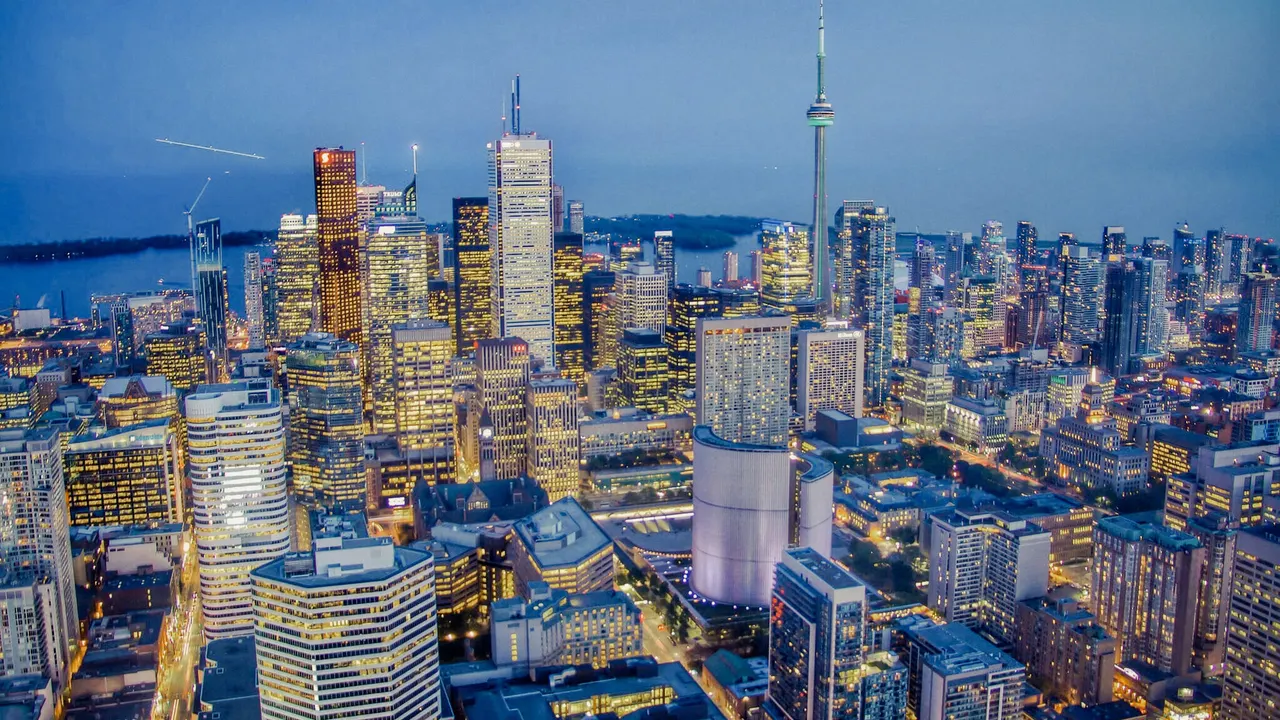
Eastern Canada itinerary — February 2027
For the Eastern Canada trip (Toronto, Montreal & Quebec City), February 2027 is mixed for weather comfort. Across Toronto, Montreal and Quebec City, daytime highs run from about -4°C / 25°F to -1°C / 30°F. Plan around 8–10 days for the full Toronto, Montreal & Quebec City loop.
In this order — about 8–10 days:
- Toronto3 nights
- Montreal3 nights
- Quebec City2 nights
- Route noteReserve the longest intercity leg first and keep transfer days free of timed sights.
By TripSapien · Updated August 24, 2026
Toronto
Toronto in February
TempTemperature
31°F / 16°F
-0.8°C / -9°C
RainPrecipitation
8d
2in · 51mm
LightDaylight
10.3h
February stays very cold, with Winter Stations, museums, and subway-linked dinners safer than exposed lakefront walks.
City overview
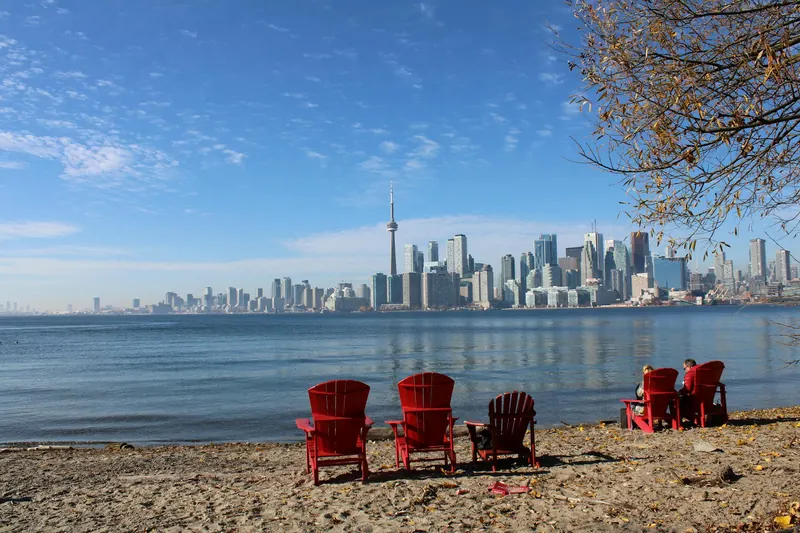
Toronto sits on Lake Ontario, with Downtown, Kensington Market, The Annex, Distillery District, Leslieville, Yorkville, Queen West, and The Beaches linking towers, streetcars, islands, markets, museums, sports venues, and immigrant food corridors. The CN Tower, St Lawrence Market, Toronto Islands, Queen Street West, and University Avenue give the city a clear axis from waterfront to neighborhoods.
Food & drink
Toronto food is market-stall and diaspora-heavy: peameal bacon sandwiches stack cornmeal-crusted back bacon on a bun, Jamaican patties wrap spiced beef or vegetables in flaky yellow pastry, doubles use curried chickpeas between bara, and butter tarts are the sticky Canadian bakery stop. St Lawrence Market, Kensington Market, Chinatown, Koreatown, Little Italy, Greektown, Queen West, and Scarborough food courts add poutine, dim sum, Korean barbecue, Italian sandwiches, souvlaki, and late-night slices.
Events & festivals
- Feb 3
- Feb 4
- Feb 4
- Feb 4
- Feb 5
40 Years Of Keyboard Fantasies: The Music Of Beverly Glenn-Copeland
Music · Jazz.
Source: Ticketmaster
- Feb 5
Show all 29 events for February
- Feb 5
- Feb 11
- Feb 11
- Feb 11
- Feb 12 – Feb 21
Toronto Black Film Festival 2027
The Toronto Black Film Festival showcases noteworthy Black films and provides a forum to debate major cultural, social, and socio-economic issues.
Planning lead · dates set closer in · Source: festival research
- Feb 12
- Feb 12
- Feb 13
- Feb 14
- Feb 17
- Feb 17
Dexter and the Moonrocks: Friends That I Don't Like - Canadian Tour
Music · Rock.
Source: Ticketmaster
- Feb 18
- Feb 19
- Feb 19
Warner Bros. Discovery presents Bugs Bunny at the Symphony
Arts & Theatre · Children's Theatre.
Source: Ticketmaster
- Feb 20
- Feb 20
- Feb 23
Music Toronto present Duo Concertante with Dior Quartet
Arts & Theatre · Classical.
Source: Ticketmaster
- Feb 25
- Feb 27
- Feb 27
- Feb 27
- Feb 28
- Feb 28
Top sights
Ranked for February suitability using weather, setting, ratings, and review volume.
- 1Toronto Islands
- 2St Lawrence Market
- 3Toronto City Hall and Nathan Phillips Square
- 4Royal Ontario Museum
- 5Art Gallery of Ontario
- 6Hockey Hall of Fame
- 7CN Tower
- 8Ripley's Aquarium of Canada
- 9Casa Loma
- 10Distillery District
 1
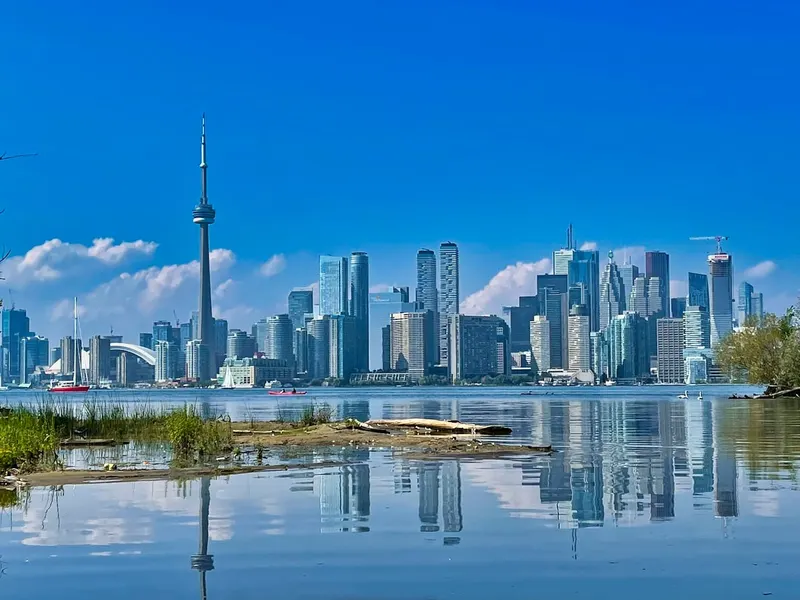
1Toronto Islands
4.7★ · 2,019outdoorFerries from Jack Layton Ferry Terminal reach Ward's Island, Centre Island, beaches, bike paths, picnic areas, and skyline viewpoints. The car-free islands are the fastest escape from Downtown traffic.
Wikipedia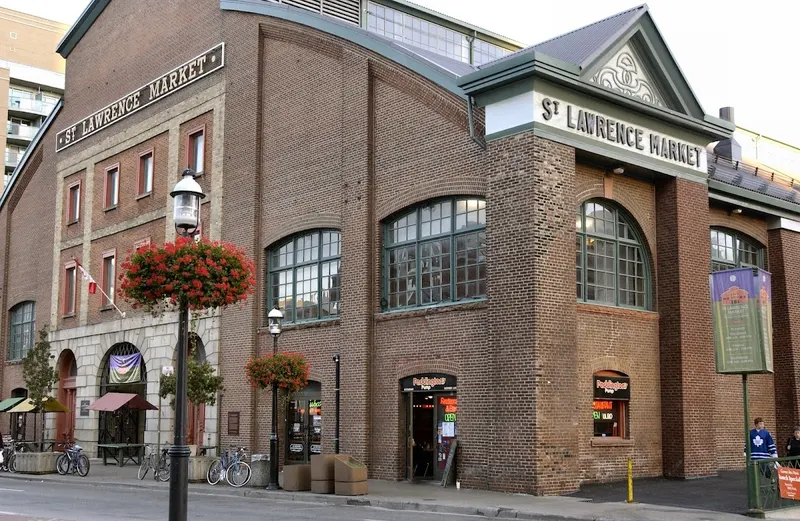 2
2St Lawrence Market
4.6★ · 42,216outdoorClosed MonThe market district dates to 19th-century Toronto, with the South Market holding butchers, bakeries, produce stalls, seafood, cheese, and peameal bacon sandwiches. It is east of the Financial District near Front Street.
Wikipedia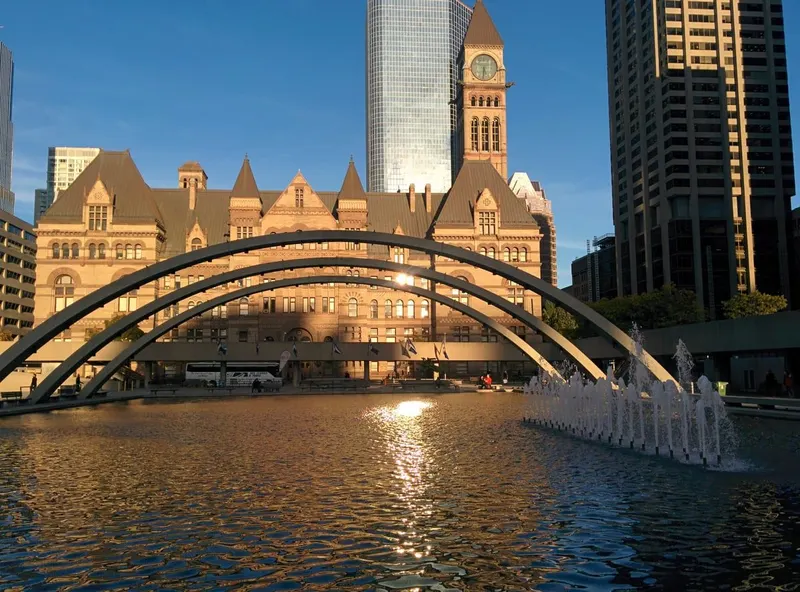 3
3Toronto City Hall and Nathan Phillips Square
4.6★ · 41,268outdoorOpen dailyViljo Revell designed the curved twin towers and council chamber, opened in 1965 beside the older City Hall. Nathan Phillips Square adds the Toronto sign, skating in winter, public events, and direct access to Queen station.
Show 7 more sights
- 4Royal Ontario Museum
- 5Art Gallery of Ontario
- 6Hockey Hall of Fame
- 7CN Tower
- 8Ripley's Aquarium of Canada
- 9Casa Loma
- 10Distillery District
Neighborhoods
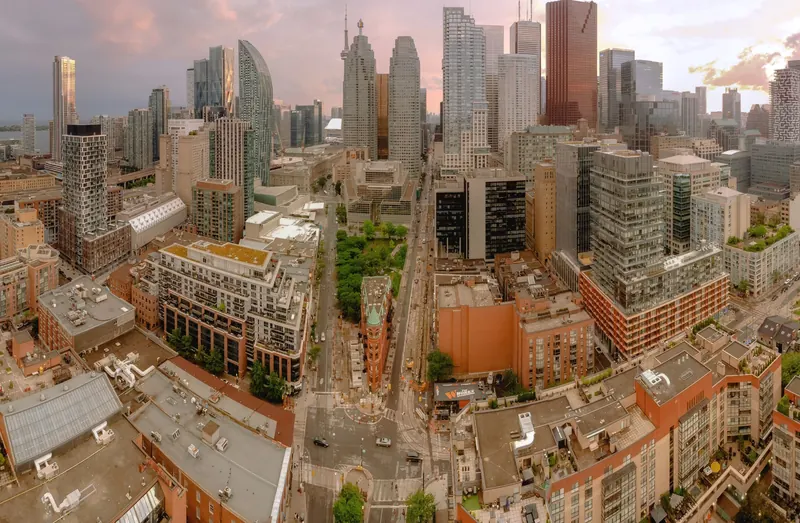 1
1Downtown and Entertainment District
Downtown is vertical and event-heavy, with Union Station, CN Tower, Rogers Centre, Scotiabank Arena, theatres, hotels, and PATH corridors.
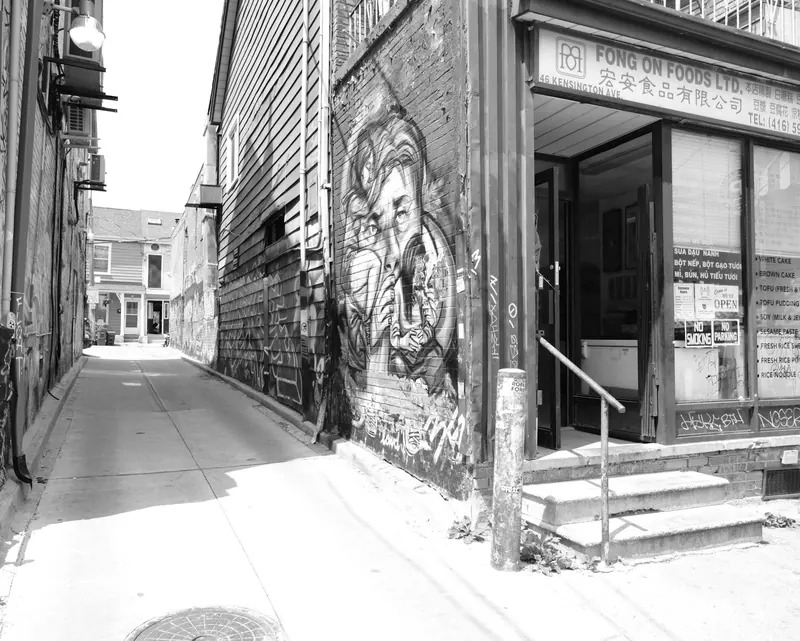 2
2Kensington Market and Chinatown
Kensington and Chinatown are dense and food-driven, with vintage shops, produce stands, dumpling houses, cafes, murals, and Spadina streetcars.
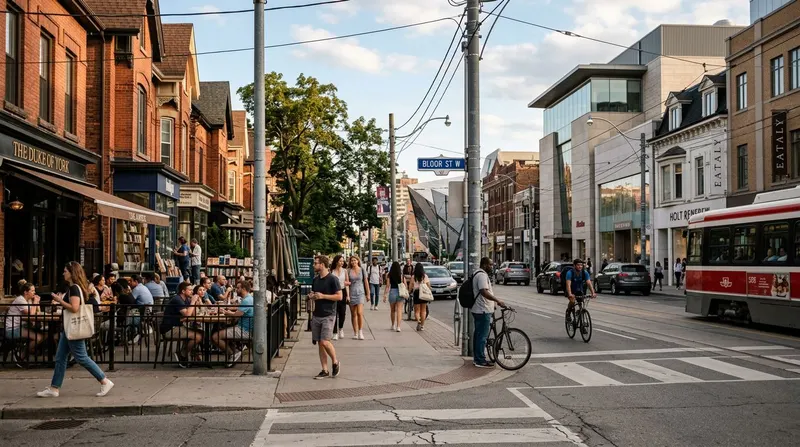 3
3The Annex and Yorkville
The Annex and Yorkville mix university blocks, bookstores, ROM, Bata Shoe Museum, Bloor shopping, Victorian houses, and restaurant patios.
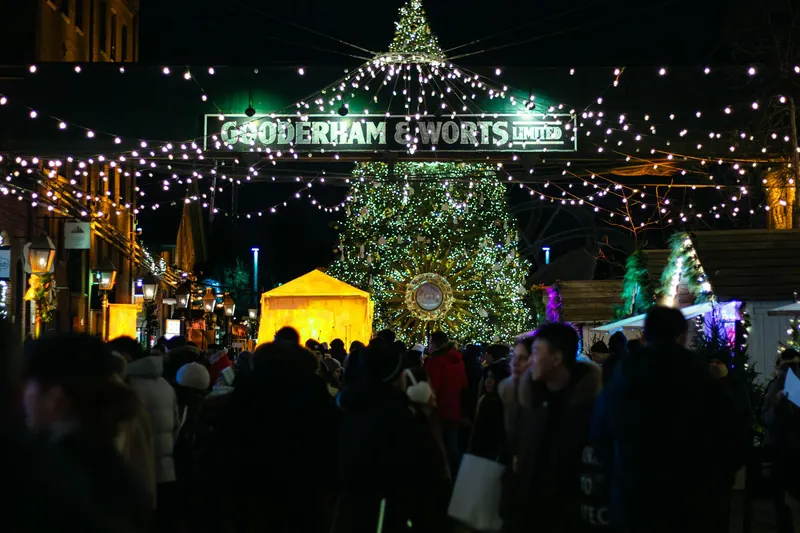 4
4Distillery District and Corktown
Distillery and Corktown feel brick-and-arts focused, with galleries, theatres, cafes, market events, Canary District paths, and streetcar access.
 5
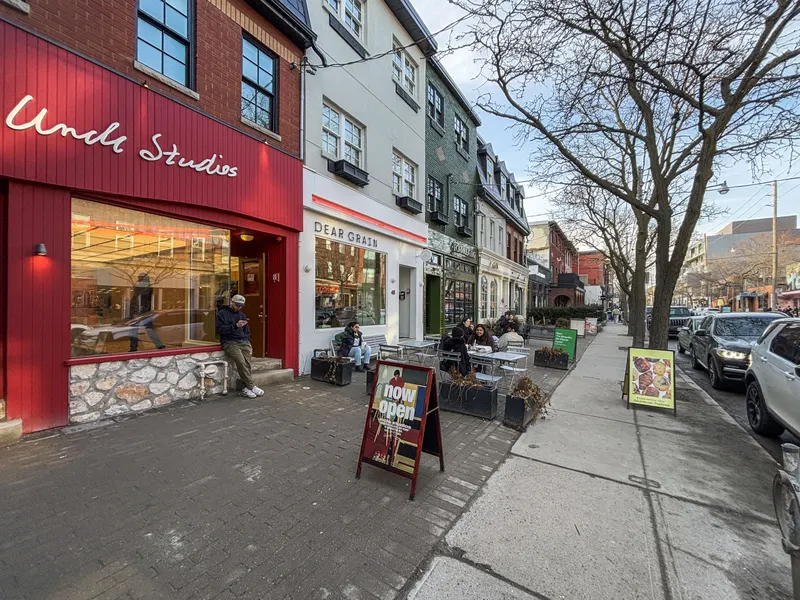
5Queen West and Ossington
Queen West and Ossington are nightlife-and-design heavy, with Trinity Bellwoods, boutiques, music rooms, cocktail bars, bakeries, and galleries.
 6
6Leslieville and The Beaches
Leslieville and The Beaches are east-end and local, with brunch streets, Queen Street East shops, boardwalks, parks, and lakefront routes.
Getting around
TTC subway, streetcars, and buses use PRESTO and contactless payment, while GO Transit and UP Express link Union Station with suburbs, Niagara routing, and Pearson Airport. Use subway lines for north-south distance, streetcars for Queen and King corridors, ferries for the islands, and GO trains for day trips.
Montreal
Montreal in February
TempTemperature
26°F / 10°F
-3.4°C / -12.4°C
RainPrecipitation
9d
2.6in · 66mm
LightDaylight
10.1h
February remains freezing, with Montréal en Lumiere, Nuit Blanche, RÉSO, and museums better than long outdoor routes.
City overview
Montréal sits on the Island of Montréal beside the St Lawrence River and Mount Royal, with Vieux-Montréal, Plateau Mont-Royal, Mile End, Outremont, Le Village, Little Italy, and Quartier des Spectacles linking French-speaking street life, festivals, food counters, churches, markets, parks, and metro stations. The city works best when Notre-Dame Basilica, Old Port, Mont Royal, Schwartz's Deli, Jean-Talon Market, and Place des Arts are treated as neighborhood anchors.
Food & drink
Montréal food is Jewish deli, Quebecois comfort, and market-driven: St-Viateur and Fairmount bagels are boiled in honeyed water and baked in wood-fired ovens, smoked meat stacks peppery brisket on rye, poutine covers fries with curds and gravy, and tourtiere wraps spiced meat in pie crust. Jean-Talon Market, Atwater Market, Boulevard Saint-Laurent, Mile End bakeries, Schwartz's, La Banquise, and Little Italy add sugar pie, maple taffy, Portuguese chicken, steame hot dogs, and Québec cheeses.
Events & festivals
- Feb 2
- Feb 4 – Feb 14
Les Rendez-vous du cinéma québécois 2027
An annual film festival showcasing Quebec cinema, including premieres, retrospectives, and discussions.
Planning lead · dates set closer in · Source: festival research
- Feb 4
- Feb 4
- Feb 4
- Feb 5
Show all 38 events for February
- Feb 5
- Feb 5 – Feb 27
- Feb 5
- Feb 5 – Feb 6
- Feb 6
- Feb 6
- Feb 7 – Feb 28
- Feb 7
- Feb 7
- Feb 9
- Feb 10 – Feb 11
- Feb 11
- Feb 12 – Feb 13
- Feb 12
- Feb 17
- Feb 18 – Feb 28
Montréal en lumière 2027
A winter festival celebrating food and wine, performing arts, and free indoor and outdoor activities across Montreal.
Planning lead · dates set closer in · Source: festival research
- Feb 18 – Feb 21
- Feb 19
- Feb 19
Dexter and the Moonrocks: Friends That I Don't Like - Canadian Tour
Music · Rock.
Source: Ticketmaster
- Feb 19
- Feb 19
- Feb 20
- Feb 20
- Feb 20
- Feb 21
- Feb 24
- Feb 24
- Feb 25
- Feb 26
- Feb 26
- Feb 27
- Feb 27
Top sights
Ranked for February suitability using weather, setting, ratings, and review volume.
- 1Mount Royal Park
- 2Notre-Dame Basilica
- 3Montréal Museum of Fine Arts
- 4Saint-Joseph's Oratory
- 5Place des Arts and Quartier des Spectacles
- 6Jean-Talon Market
- 7Montréal Biodome
- 8Olympic Stadium
- 9Schwartz's Deli
- 10Old Port of Montréal
 1
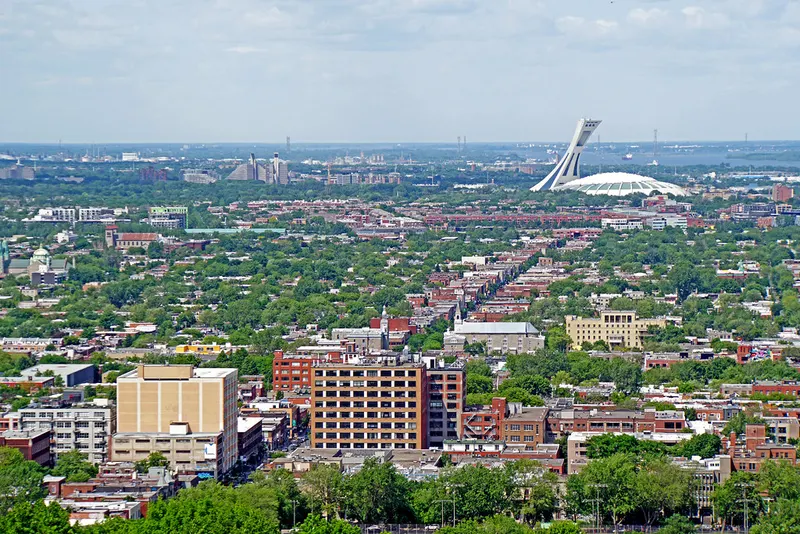
1Mount Royal Park
4.8★ · 26,789outdoorOpen dailyFrederick Law Olmsted helped design the mountain park in the 1870s, with Kondiaronk Belvedere, Beaver Lake, trails, winter tubing, and views over downtown. Bus routes and Peel station approaches lead uphill.
Wikipedia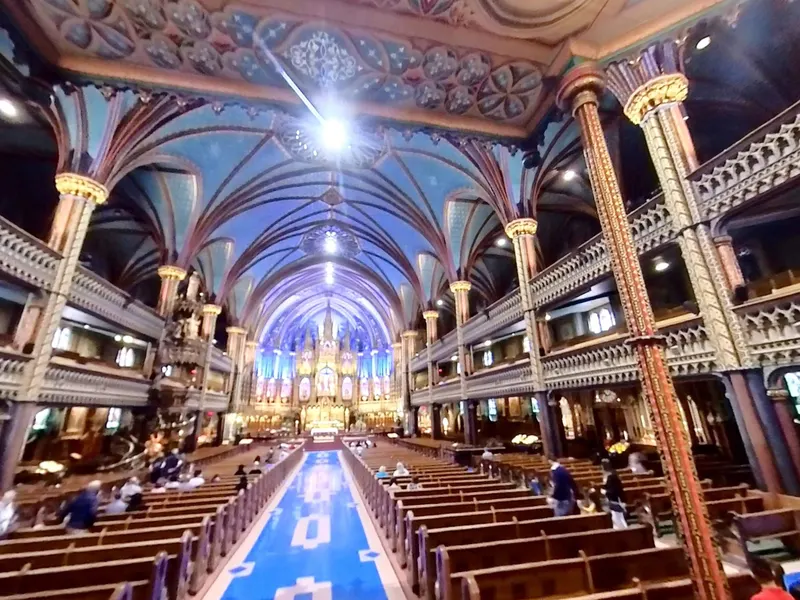 2
2Notre-Dame Basilica
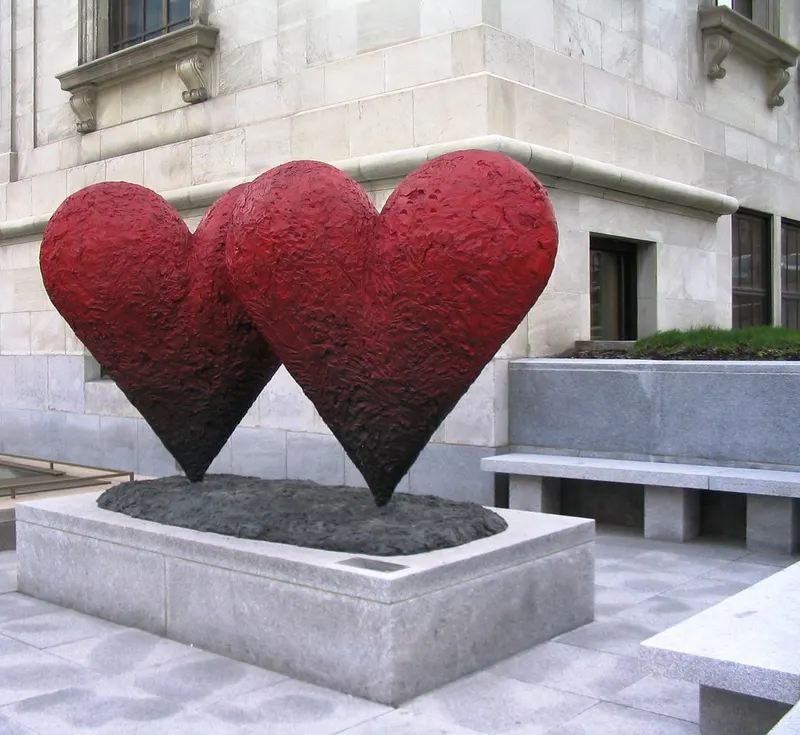
4.7★ · 37,655indoorOpen dailyJames O'Donnell designed the Gothic Revival basilica, completed in the 1820s on Place d'Armes, with a blue-and-gold interior, carved wood, stained glass, and a major Casavant organ. It anchors Vieux-Montréal near the Old Port.
Reserve entry and evening light-show tickets ahead on weekends.
 3
3Montréal Museum of Fine Arts
4.7★ · 17,212indoorClosed MonThe museum on Sherbrooke Street holds Canadian, Québec, Inuit, European, decorative-arts, design, and temporary exhibition collections across several pavilions. It is close to Guy-Concordia station and downtown hotels.
Wikipedia
Show 7 more sights
- 4Saint-Joseph's Oratory
- 5Place des Arts and Quartier des Spectacles
- 6Jean-Talon Market
- 7Montréal Biodome
- 8Olympic Stadium
- 9Schwartz's Deli
- 10Old Port of Montréal
Neighborhoods
 1
1Vieux-Montréal and Old Port
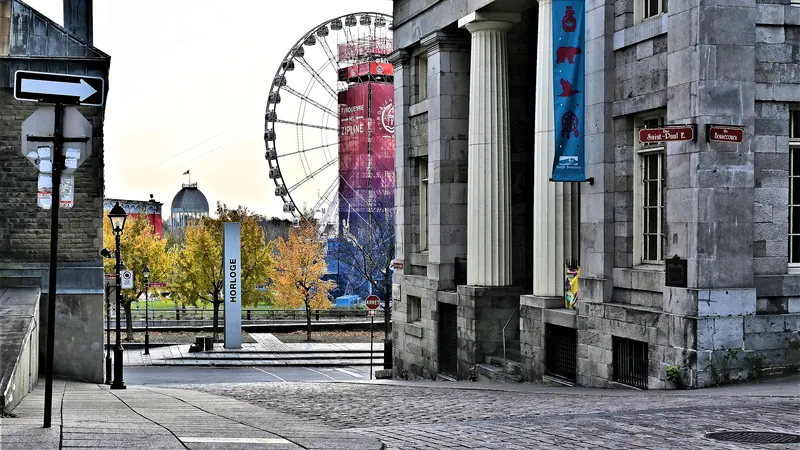
Vieux-Montréal is stone-built and river-facing, with Notre-Dame Basilica, Place Jacques-Cartier, Bonsecours Market, museums, hotels, and Old Port piers.
 2
2Plateau Mont-Royal
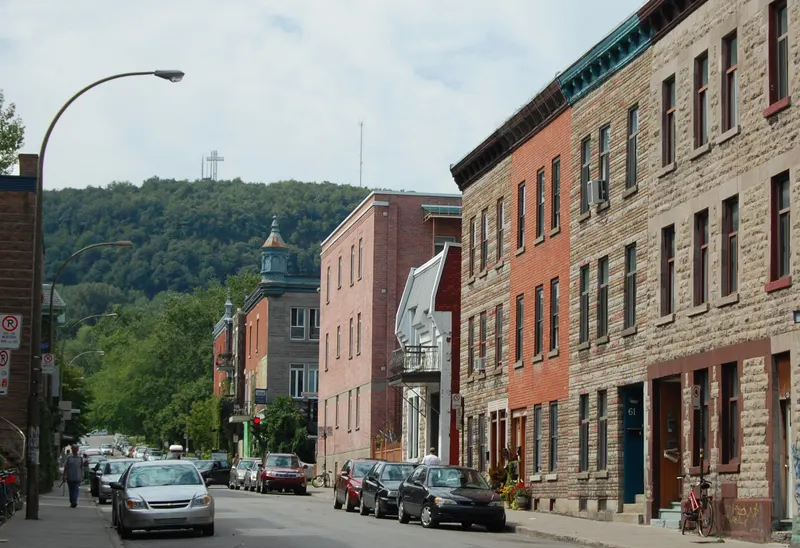
The Plateau is colorful and residential, with spiral staircases, Saint-Laurent, Mont-Royal Avenue, parks, cafes, bars, and Schwartz's nearby.
 3
3Mile End and Outremont
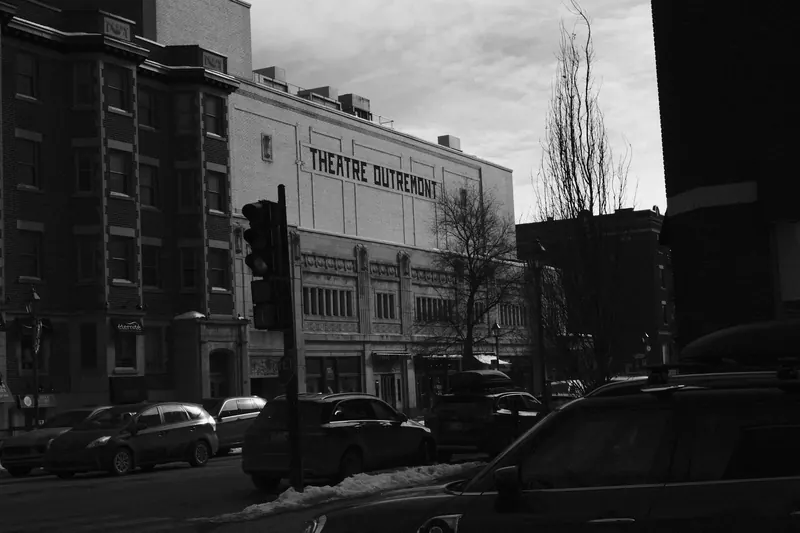
Mile End and Outremont are food-and-arts focused, with St-Viateur Bagel, Fairmount Bagel, cafes, bookshops, galleries, synagogues, and quiet side streets.
 4
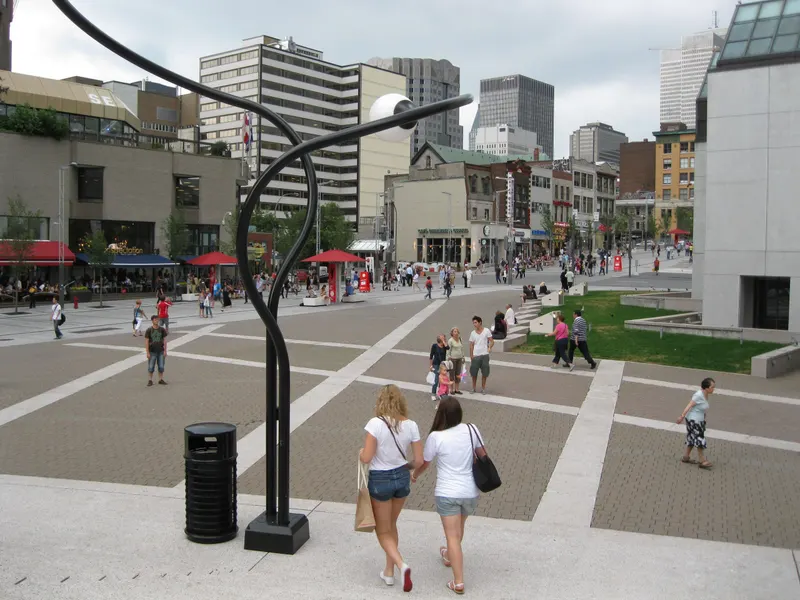
4Quartier des Spectacles and Downtown
Quartier des Spectacles and downtown are festival-and-office driven, with Place des Arts, Sainte-Catherine, McGill, museums, hotels, and RÉSO access.
 5
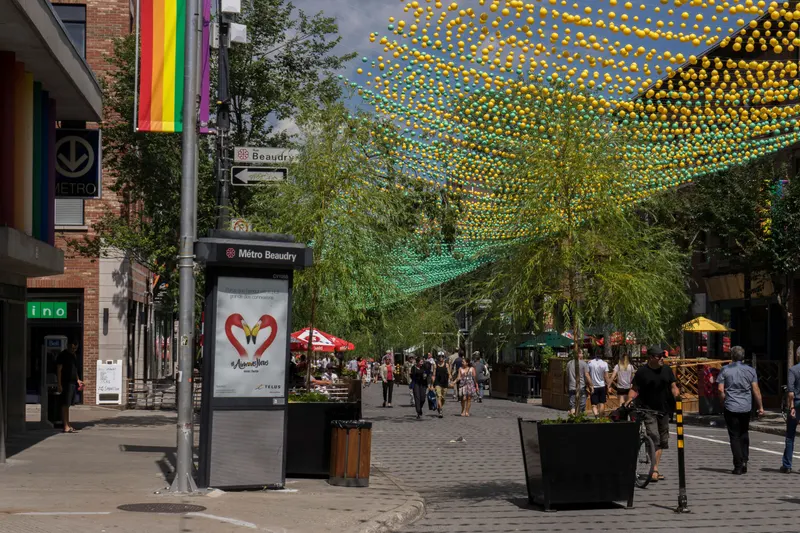
5Le Village and Latin Quarter
Le Village and Latin Quarter add LGBTQ nightlife, UQAM, Berri-UQAM station, theatres, terraces, bars, and late restaurant corridors.
 6
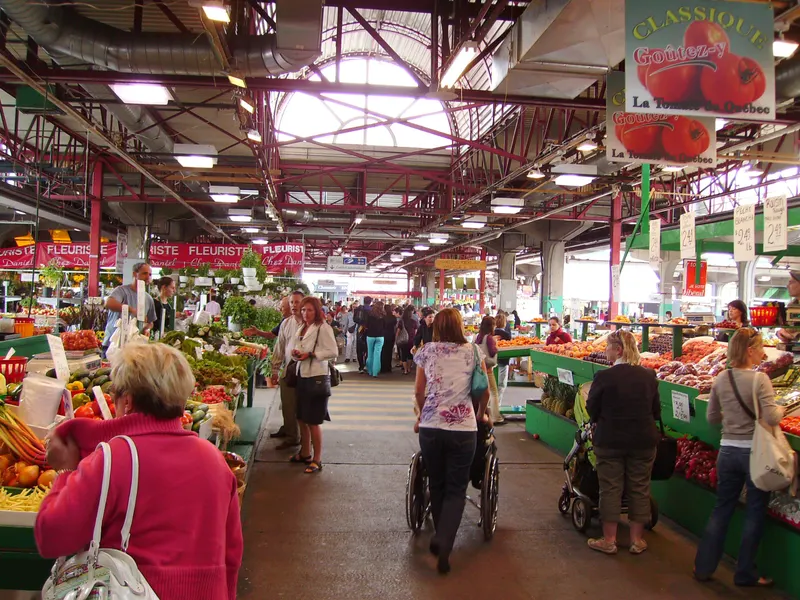
6Little Italy and Jean-Talon
Little Italy and Jean-Talon are market-led and local, with Jean-Talon Market, cafes, bakeries, pasta shops, parks, and easy metro access.
Getting around
STM metro and buses use OPUS cards and app tickets, with Berri-UQAM, Bonaventure, Jean-Talon, Lionel-Groulx, and Place-des-Arts as useful nodes. Walk Vieux-Montréal and Plateau streets, use the Orange and Green metro lines across the core, and use VIA Rail from Central Station for Québec City.
Quebec City
Quebec City in February
TempTemperature
24°F / 4°F
-4.2°C / -15.3°C
RainPrecipitation
10d
2.6in · 66mm
LightDaylight
10.1h
February is Carnival month and still very cold, so build warm indoor breaks between outdoor events.
City overview
Québec City rises above the St. Lawrence River as North America strongest walled old town, with Upper Town fortifications, Lower Town lanes, and French-speaking neighborhoods packed into a steep core. Vieux-Québec, Petit Champlain, Saint-Roch, Montcalm, and the Old Port give the most useful visitor frame.
Food & drink
Québec City food is built around poutine, tourtiere, crepes, pea soup, maple taffy, pouding chomeur, sucre a la creme, and French-Canadian comfort cooking. Rue Saint-Jean, Saint-Roch, Petit Champlain, Old Port restaurants, and the Île d Orléans farm stands make the best first route.
Events & festivals
- Feb 1 – Feb 28
City-wide, first two weeks of February and spanning 3 weekends.
Planning lead · dates set closer in · Source: Month Signals
- Feb 5 – Feb 14
The Quebec Winter Carnival (French: Carnaval de Québec), commonly known in both English and French as Carnaval, is a pre-Lenten festival held in Quebec City.
Planning lead · projected date · Source: TripSapien festival dataset
- Feb 5
- Feb 6
- Feb 10
- Feb 11
Show all 10 events for February
- Feb 12
- Feb 13
- Feb 20
- Feb 27
Top sights
Ranked for February suitability using weather, setting, ratings, and review volume.
- 1Dufferin Terrace
- 2Montmorency Falls
- 3Fortifications and city gates
- 4Château Frontenac
- 5Quartier Petit Champlain
- 6Plains of Abraham
- 7The Citadelle
- 8Place Royale and Notre-Dame-des-Victoires
- 9Musée de la civilisation
- 10Parliament Building
 1
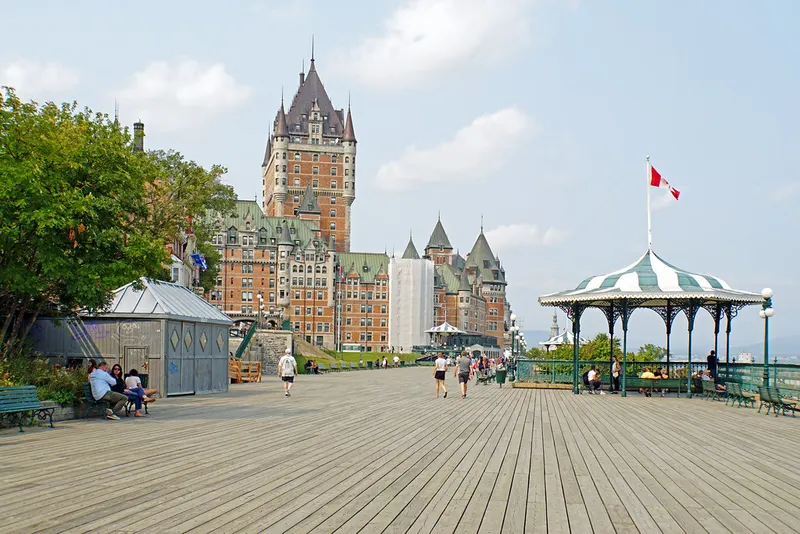
1Dufferin Terrace
4.8★ · 2,340outdoorOpen dailyThe wooden boardwalk runs below Château Frontenac with river views, buskers, winter slides, and access to the Governors Promenade. It is the easiest walk for understanding the cliff-top city.
Wikipedia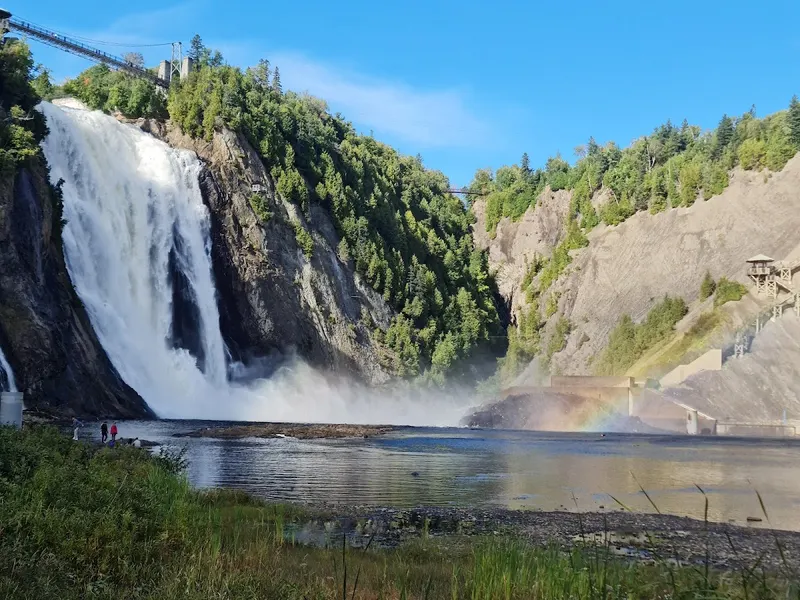 2
2Montmorency Falls
4.7★ · 36,521outdoorOpen dailyThe waterfall drops higher than Niagara just east of the city, with bridges, viewpoints, stairs, and a cable car. It is close enough for a half-day from Old Québec.
Wikipedia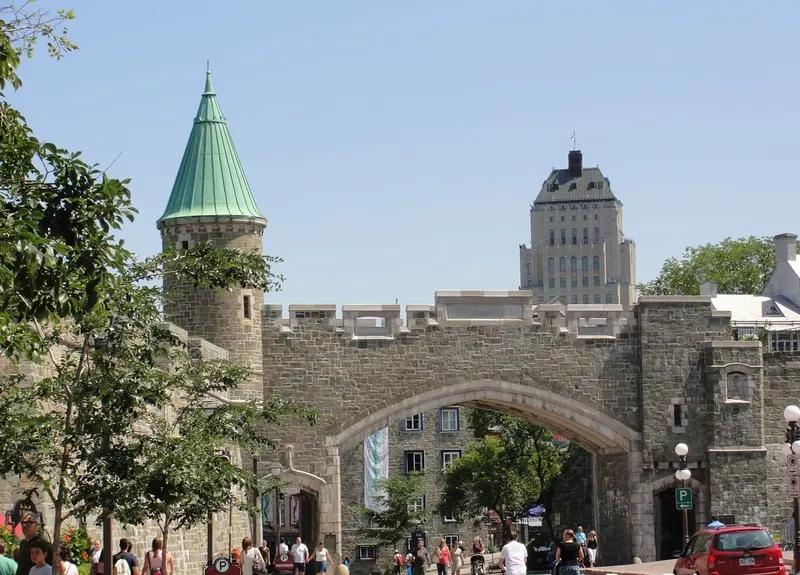 3
3Fortifications and city gates
4.7★ · 333outdoorQuébec preserved walls, gates, and bastions that make the old town rare in North America. Porte Saint-Louis and Porte Saint-Jean are the most visible entries into Upper Town.
Show 7 more sights
- 4Château Frontenac
- 5Quartier Petit Champlain
- 6Plains of Abraham
- 7The Citadelle
- 8Place Royale and Notre-Dame-des-Victoires
- 9Musée de la civilisation
- 10Parliament Building
Neighborhoods
 1
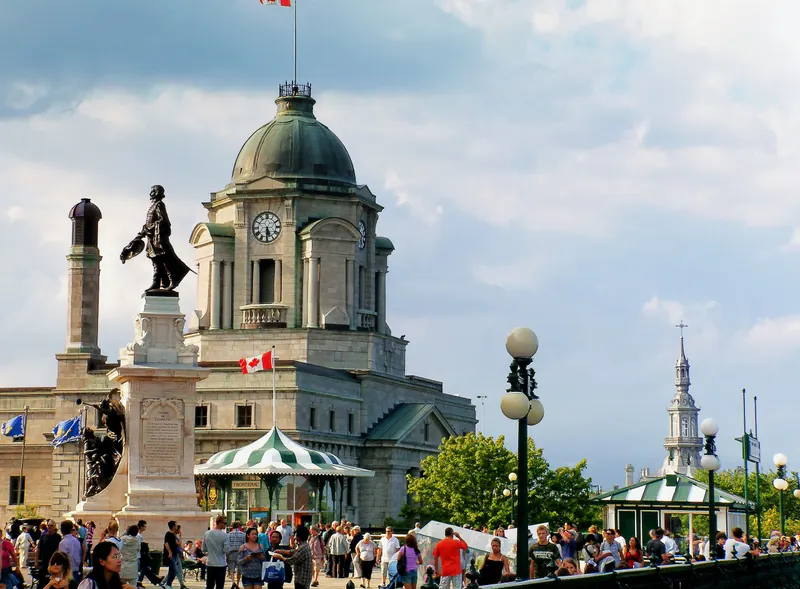
1Vieux-Québec Upper Town
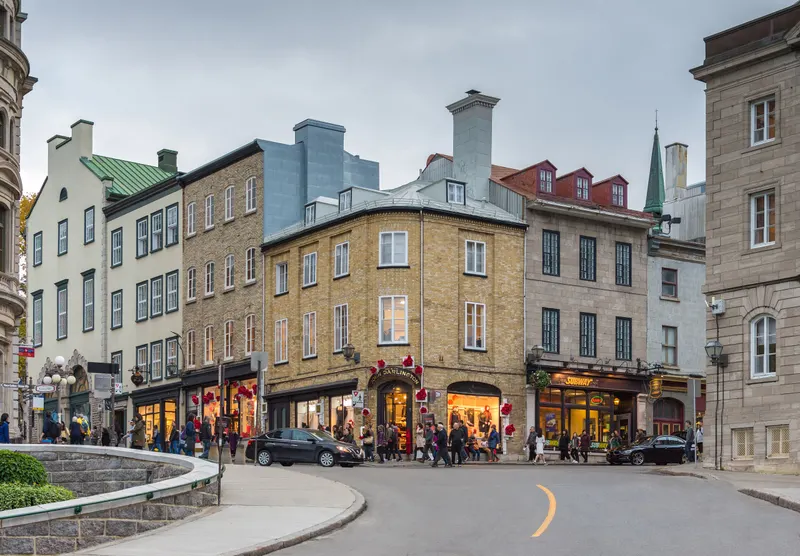
Upper Town is fortified and ceremonial, with Château Frontenac, Dufferin Terrace, gates, churches, hotels, museums, and steep streets.
 2
2Petit Champlain and Lower Town
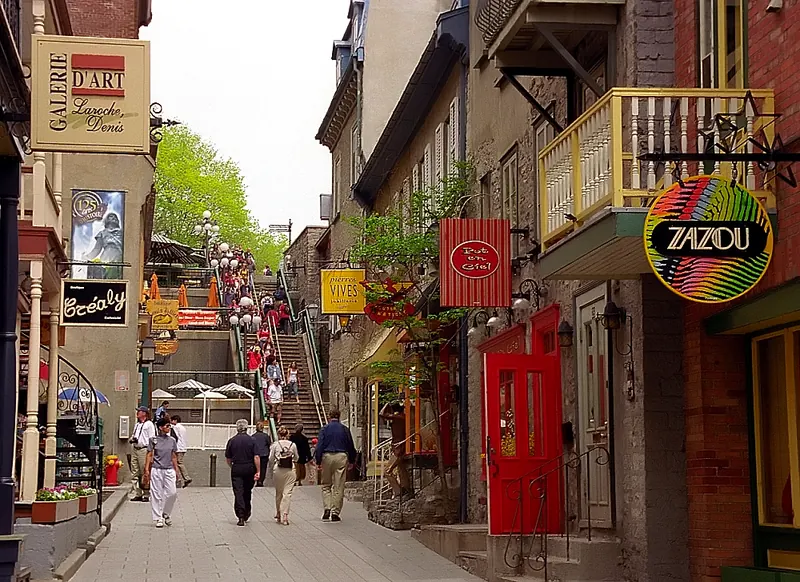
Lower Town is compact and atmospheric, with Place Royale, boutiques, restaurants, murals, the funicular, and river-level lanes.
 3
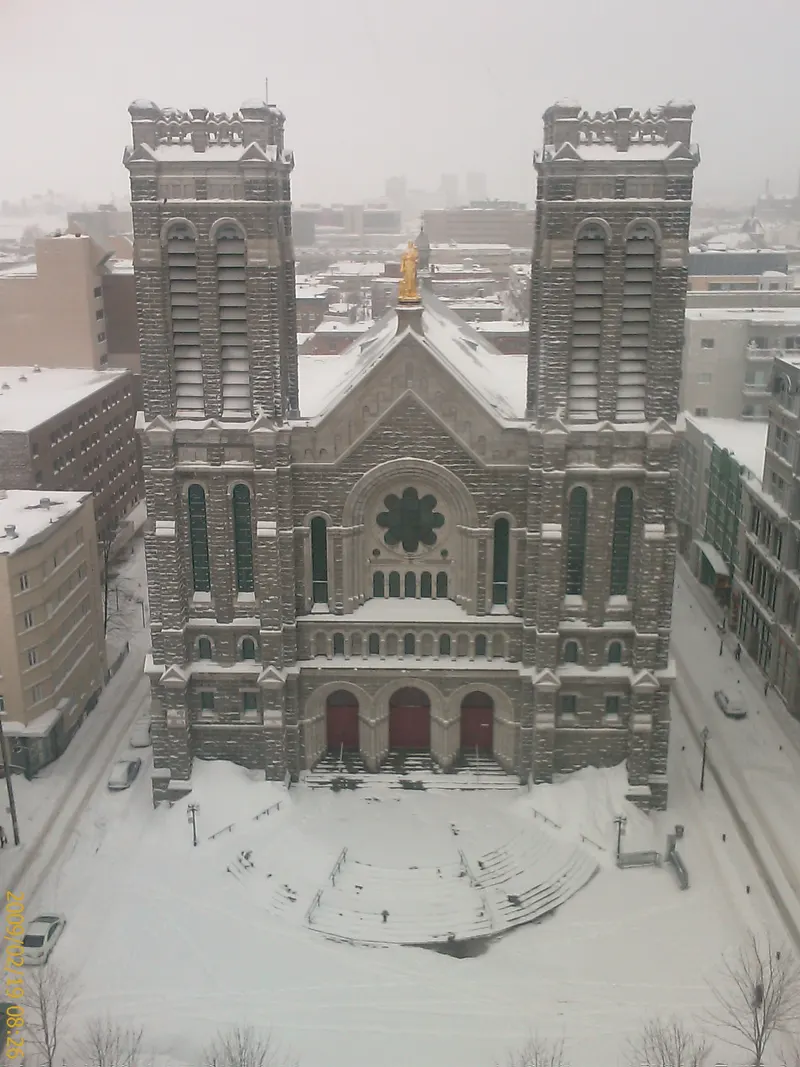
3Old Port
The Old Port is quieter and river-facing, with museums, cruise docks, antique shops, market streets, and paths toward the marina.
 4
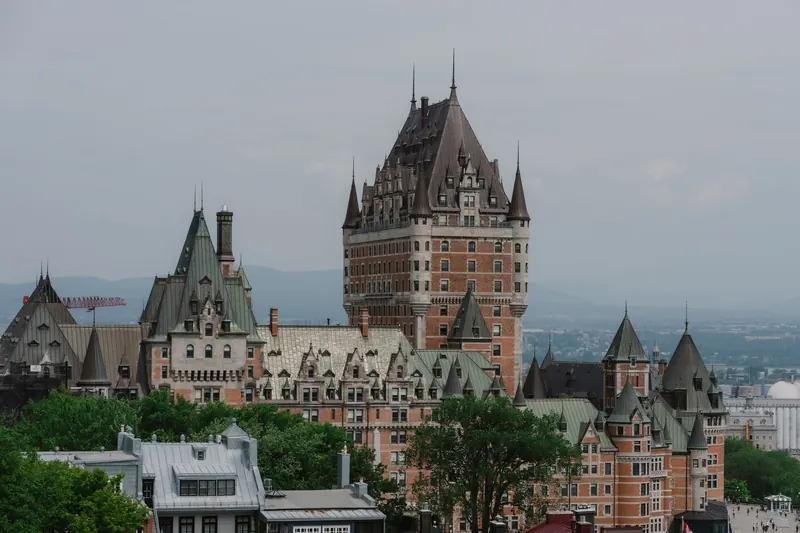
4Saint-Roch
Saint-Roch is lower-city and local, with Rue Saint-Joseph, cafes, tech offices, bars, shops, and a less postcard-focused feel.
 5
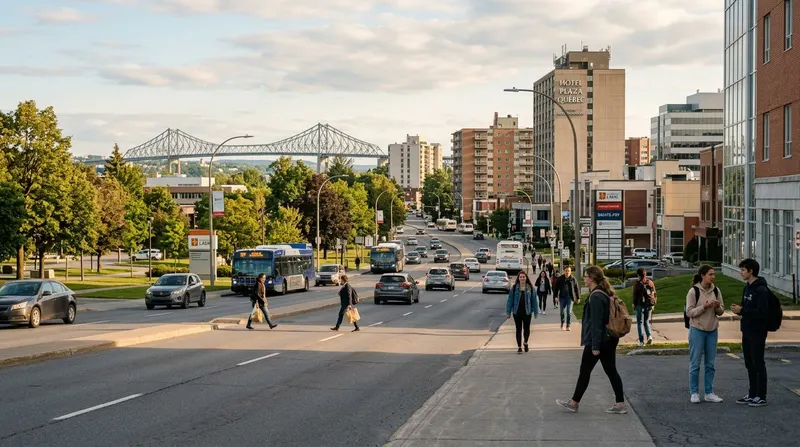
5Montcalm and Grande Allee
Montcalm adds museums, restaurants, nightlife, the Plains of Abraham, and residential streets west of the old walls.
 6
6Sainte-Foy and Sillery
The western districts are practical and suburban, with universities, malls, rail stations, hotels, parks, and bridges toward Levis.
Getting around
Old Québec is walkable but steep, while RTC buses connect Saint-Roch, Sainte-Foy, Montmorency, and suburban hotels. The funicular saves the Lower Town climb, and the Québec-Levis ferry gives the best skyline view from the river.
Planning the Eastern Canada route?
Add your dates and we'll pace all 3 cities — every place checked for closures, limited hours, and booking needs in February.
Weather by month for the Eastern Canada trip
In February, climate averages for Toronto, Montreal and Quebec City show daytime highs from -4°C / 25°F to -1°C / 30°F, with nights down to about -15°C / 5°F in the coolest of those cities. The rainiest of those cities averages about 10 rainy days. Based on climate averages for Toronto, Montreal and Quebec City, February is mixed for weather comfort.
The most comfortable months for this route are August, September and May, based on average daytime temperatures and rainfall in Toronto, Montreal and Quebec City. February 2027 is mixed for weather comfort.
Common questions about the Eastern Canada trip
- When is the best time to do the Eastern Canada trip?
- The most comfortable months across Toronto, Montreal and Quebec City are August, September and May, based on average daytime temperatures and rainfall for those cities. February is mixed for weather comfort — see the city climate sections below for the averages in February 2027.
- How many days do you need for the Eastern Canada trip?
- A comfortable Eastern Canada trip runs about 8–10 days, allowing roughly Toronto 3, Montreal 3, Quebec City 2 nights plus travel between stops. Add a day if you want a slower pace or extra day trips.
- What's the route for the Eastern Canada trip?
- The classic order is Toronto, Montreal & Quebec City. The detailed month sections below cover Toronto, Montreal and Quebec City.
Ready to plan the Eastern Canada trip?
Turn this route into a day-by-day plan for February 2027, every stop checked for closures and booking needs on your exact dates.