China Classic itinerary — July 2026
For the China Classic trip (Beijing, Xi’an & Shanghai), July 2026 is mixed for weather comfort. Across Beijing, Xi'an and Shanghai, daytime highs run from about 32°C / 90°F to 33°C / 91°F. Plan around 9–11 days for the full Beijing, Xi’an & Shanghai loop.
In this order — about 9–11 days:
- Beijing4 nights
- Xi'an2 nights
- Shanghai3 nights
- Route noteReserve the longest intercity leg first and keep transfer days free of timed sights.
By TripSapien · Updated October 22, 2026
Beijing
Beijing in July
TempTemperature
89°F / 72°F
31.8°C / 22°C
RainPrecipitation
13d
6.7in · 170mm
LightDaylight
14.6h
July is hottest and wettest, so check storm forecasts before Great Wall or Summer Palace days.
City overview
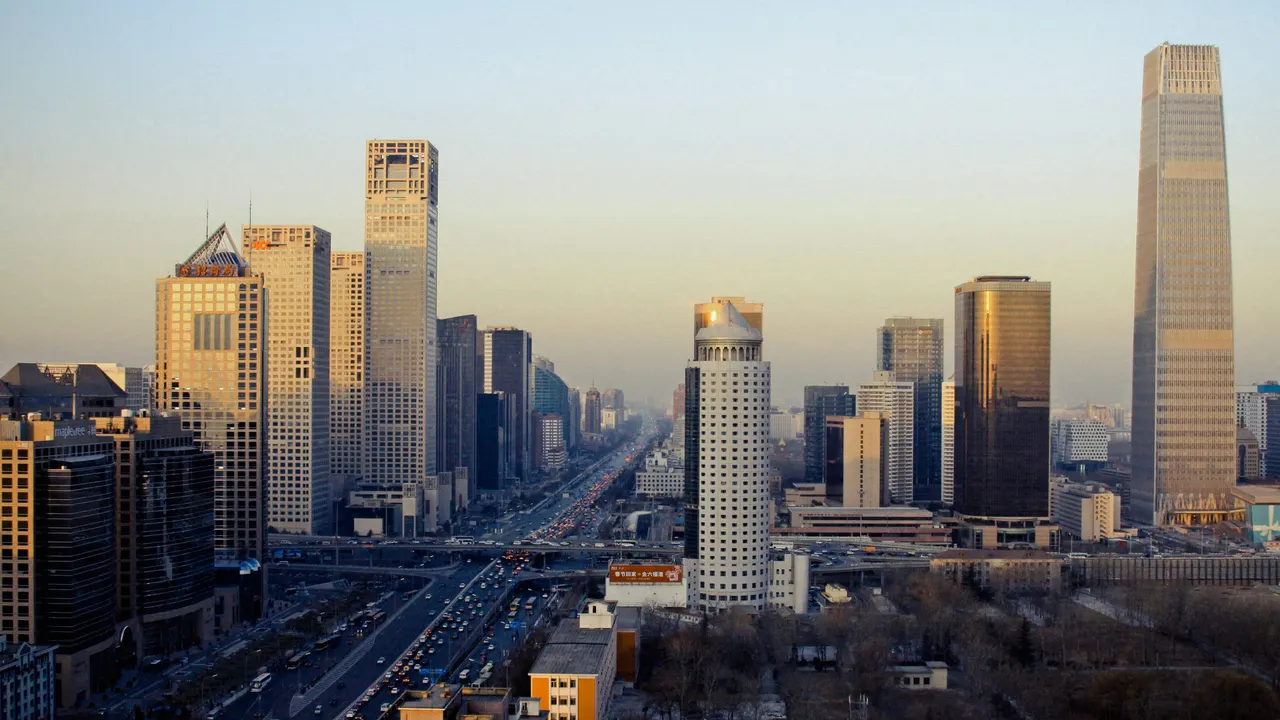
Beijing is a northern China capital built on imperial axes, ring roads, hutong lanes, subway corridors, and mountain passes north of the plain. Dongcheng and Xicheng hold Tiananmen, the Forbidden City, hutongs, and temples; Chaoyang handles Sanlitun and embassies; Haidian points to universities, the Summer Palace, and old imperial gardens.
Food & drink
Beijing food is wheat, roast, and street-snack heavy: Peking duck is carved into thin pancakes with scallion, cucumber, and sweet bean sauce, zhajiangmian covers noodles with soybean-paste pork sauce, and jianbing folds egg, herbs, and crisp cracker into a breakfast crepe. Guijie in Dongcheng, Qianmen-Dashilar, Wudaoying Hutong, Sanlitun, and old duck restaurants such as Quanjude or Dadong add hotpot, lamb skewers, dumplings, donkey burgers, lvdagun, wandouhuang, and tea.
Top sights
Ranked for July suitability using weather, setting, ratings, and review volume.
- 1Yonghegong Lama Temple
- 2Forbidden City (Palace Museum)
- 3Temple of Heaven
- 4National Museum of China
- 5Hutongs around Nanluoguxiang, Qianmen, and Liulichang
- 6798 Art District
- 7Great Wall at Mutianyu or Badaling
- 8Summer Palace
- 9Beihai Park
- 10Tiananmen Square
 1
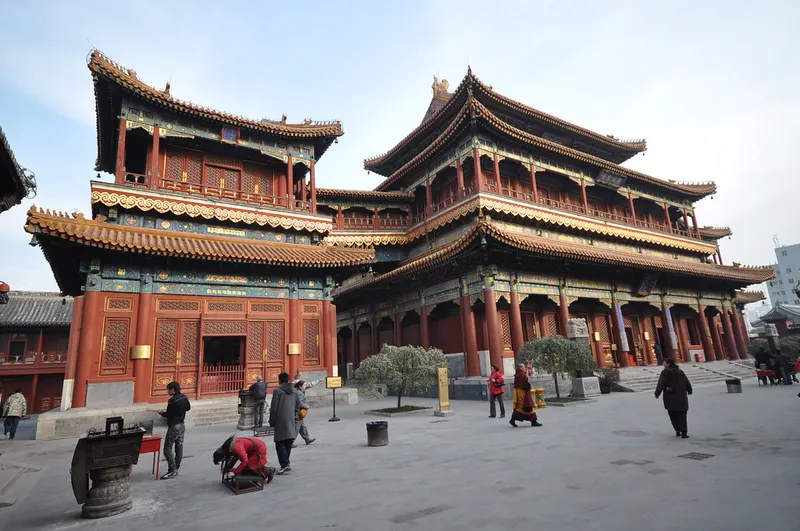
1Yonghegong Lama Temple
4.7★ · 1,099indoorOpen dailyThe Tibetan Buddhist temple complex in Dongcheng began as a Qing princely residence before becoming a monastery. It sits near the Confucius Temple and Wudaoying Hutong cafes.
Wikipedia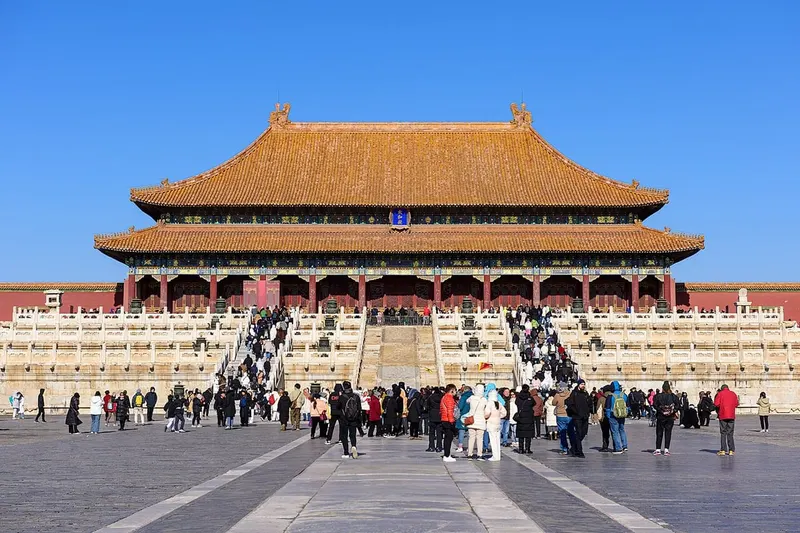 2
2Forbidden City (Palace Museum)
4.6★ · 16,635indoorClosed MonThe Ming and Qing imperial palace sits north of Tiananmen Gate on Beijing's central axis, with halls, courtyards, gates, and collections spread across the walled complex. It served emperors from the early 15th century until 1912.
Tickets are date-limited and ID-linked; reserve before arrival and bring the passport used for booking.
 3
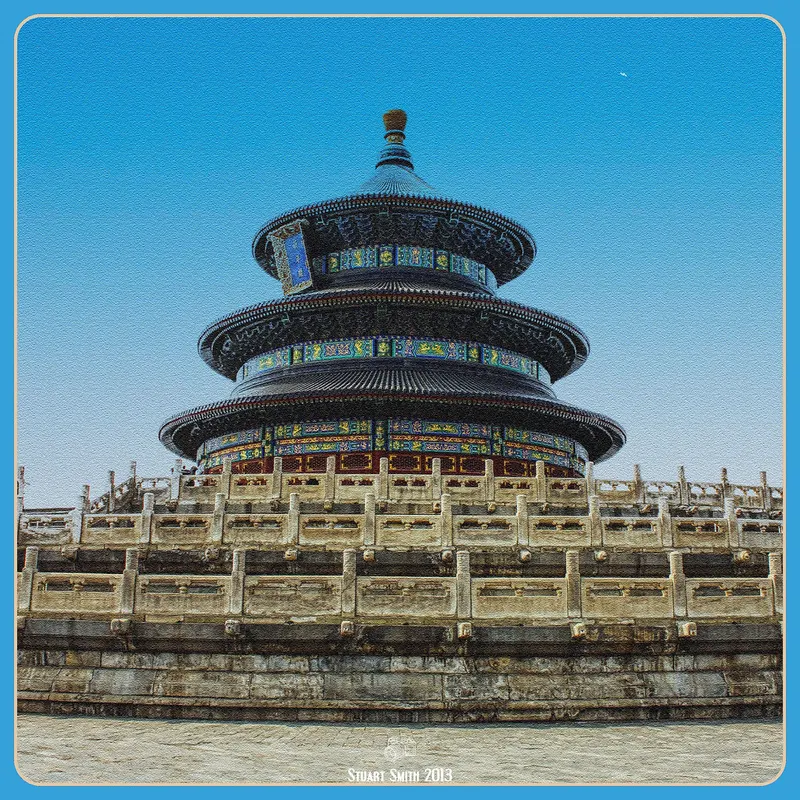
3Temple of Heaven
4.6★ · 3,650indoorOpen dailyThe Ming emperors used the southern altar complex for annual heaven-and-harvest rites, and the Hall of Prayer for Good Harvests remains the signature round building. Subway Line 5 stops nearby at Tiantan Dongmen.
Wikipedia
Show 7 more sights
- 4National Museum of China
- 5Hutongs around Nanluoguxiang, Qianmen, and Liulichang
- 6798 Art District
- 7Great Wall at Mutianyu or Badaling
- 8Summer Palace
- 9Beihai Park
- 10Tiananmen Square
Neighborhoods
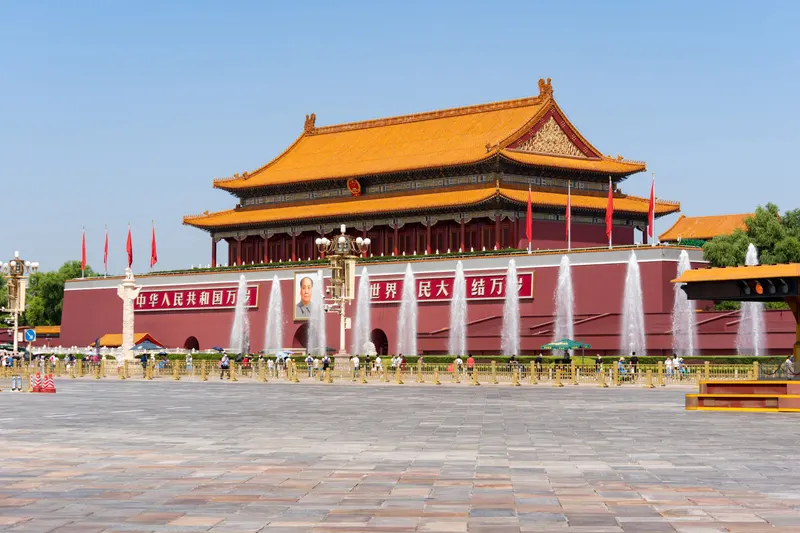 1
1Dongcheng
Dongcheng is central-axis Beijing, with Wangfujing, Tiananmen approaches, the Forbidden City edge, Lama Temple, Gulou, Nanluoguxiang, and many hutongs.
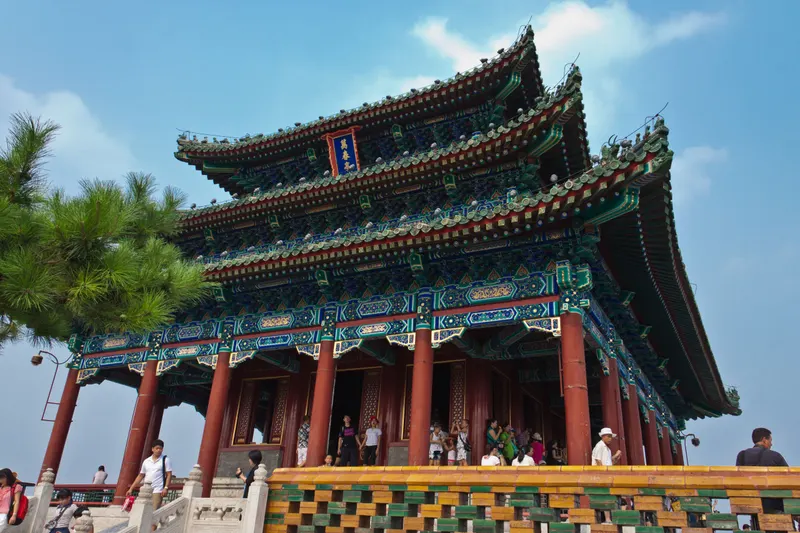 2
2Xicheng
Xicheng holds Beihai, Houhai, Qianmen, Dashilar, Liulichang, financial streets, and older neighborhoods west of the imperial core.
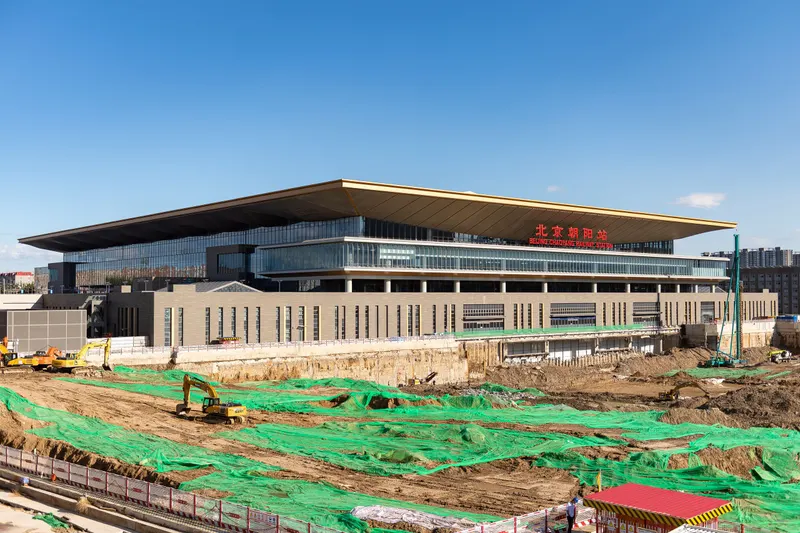 3
3Chaoyang and Sanlitun
Chaoyang is modern and international, with Sanlitun, embassies, Workers' Stadium, 798 Art District, hotels, offices, and nightlife.
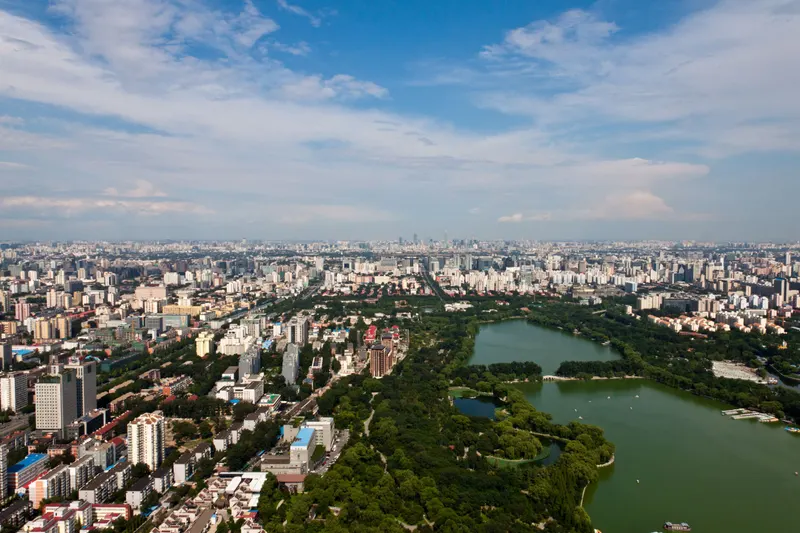 4
4Haidian
Haidian is university-and-garden Beijing, with Peking University, Tsinghua, Wudaokou, Zhongguancun, the Summer Palace, and Old Summer Palace ruins.
 5
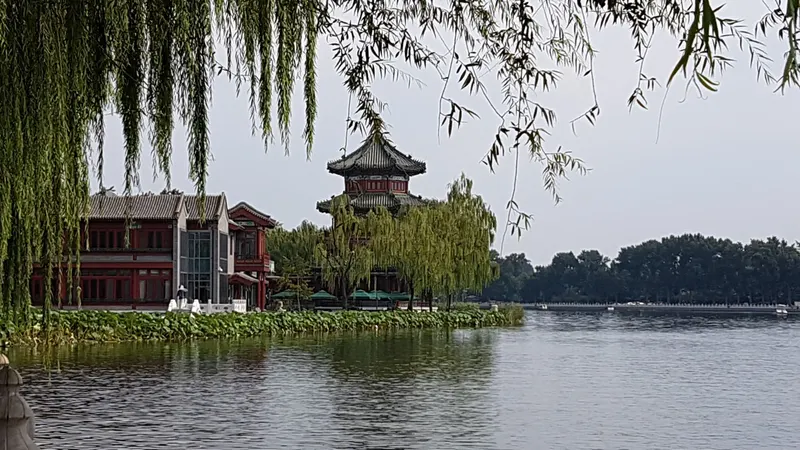
5Gulou, Houhai, and Shichahai
Gulou and Houhai mix drum-and-bell towers, lake walks, hutong bars, courtyard hotels, and bikeable lanes north of the Forbidden City.
 6
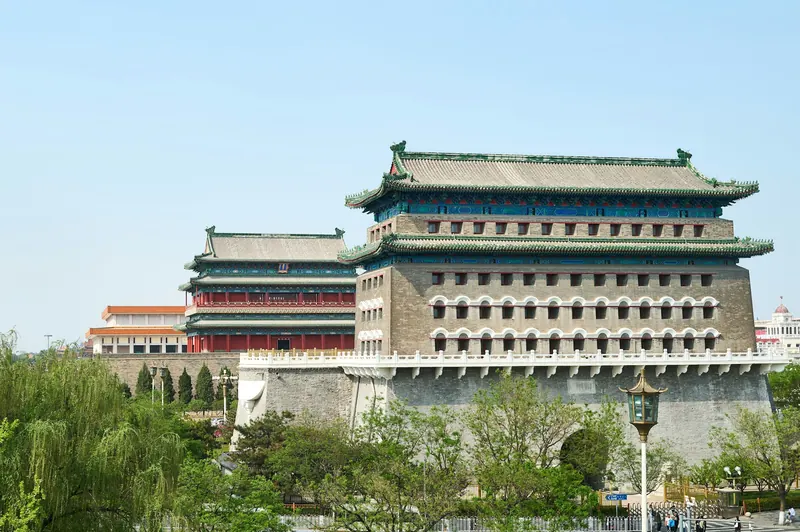
6Qianmen and Dashilar
Qianmen and Dashilar feel commercial and historic, with pedestrian streets, old brands, snack shops, theatre lanes, and quick access to Tiananmen security zones.
Getting around
The Beijing Subway covers the core with numbered lines, airport expresses, ring Line 10, Line 1 for Tiananmen-Wangfujing, Line 5 for Temple of Heaven and Lama Temple, and Line 8 for Drum Tower, Qianmen, and Olympic Park. Use a Beijing Transportation Card, Alipay/WeChat transit QR where available, or station tickets; taxis need addresses in Chinese characters.
Xi'an
Xi'an in July
TempTemperature
91°F / 71°F
32.8°C / 21.7°C
RainPrecipitation
11d
4.1in · 105mm
LightDaylight
14.1h
July is hottest and stormier, with shade and water essential on wall walks.
City overview
Xi'an is the Shaanxi capital where the Bell Tower, Drum Tower, Muslim Quarter, Ming city wall, Big Wild Goose Pagoda, and Lintong terracotta sites compress several Chinese capitals into one travel base. The city works best as a split between the walled center, Qujiang temple zone, South Gate calligraphy lanes, and the east-side Qin dynasty day trip.
Food & drink
Xi'an food is wheat-heavy: biangbiang noodles are wide, hand-pulled ribbons, roujiamo packs chopped stewed meat into flatbread, and yangrou paomo starts with bread torn into mutton broth. Muslim Quarter lanes, Huimin Street, Yongxingfang, South Gate snack streets, and old-city noodle shops add liangpi cold noodles, suantang dumplings, persimmon cakes, hulatang, and lamb skewers.
Top sights
Ranked for July suitability using weather, setting, ratings, and review volume.
- 1Army of Terracotta Warriors and Horses
- 2Great Mosque of Xi’an
- 3Big Wild Goose Pagoda
- 4Small Wild Goose Pagoda and Xi’an Museum
- 5Shaanxi History Museum
- 6Bell Tower
- 7Drum Tower
- 8Huaqing Palace
- 9Daming Palace National Heritage Park
- 10Muslim Quarter and Huimin Street
 1
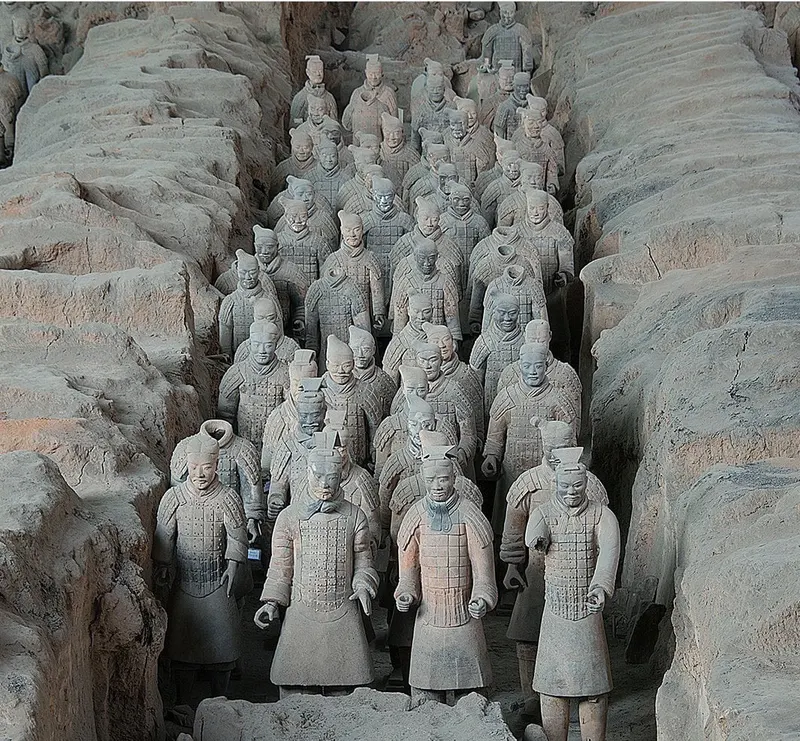
1Army of Terracotta Warriors and Horses
4.6★ · 8,026indoorOpen dailyThe Qin Shihuang burial army east of the city has excavated pits of life-size soldiers, horses, chariots, and ongoing archaeological work near Lintong.
 2
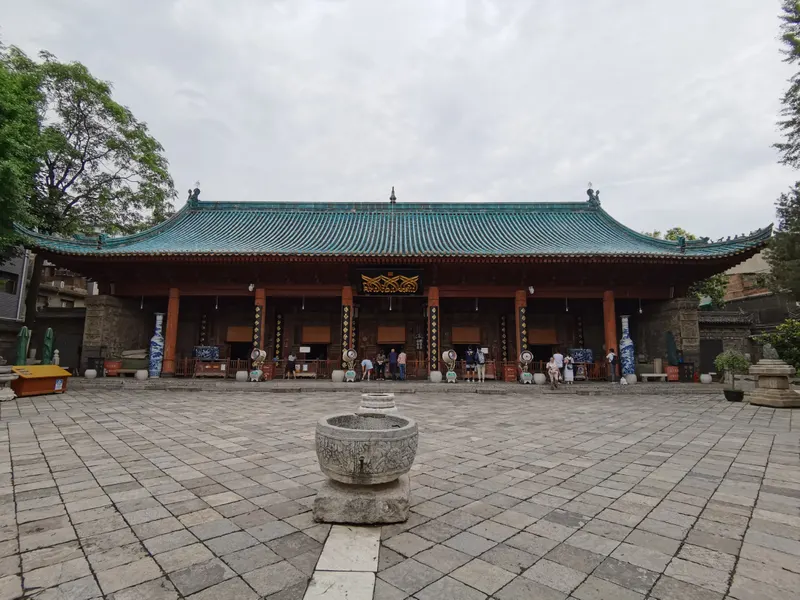
2Great Mosque of Xi’an
4.6★ · 1,500indoorThe mosque inside the Muslim Quarter combines Chinese courtyard architecture with Islamic use and remains an active religious site.
 3
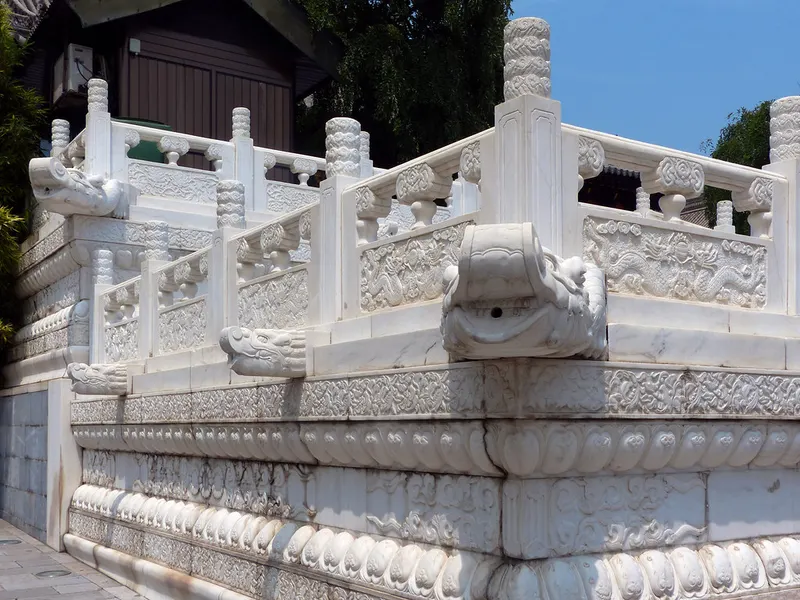
3Big Wild Goose Pagoda
4.5★ · 1,010indoorThe Tang-era pagoda south of the old city is tied to monk Xuanzang and sits in the Qujiang cultural district near Da Ci’en Temple.
Wikipedia
Show 8 more sights
- 4Small Wild Goose Pagoda and Xi’an Museum
- 5Shaanxi History Museum
- 6Bell Tower
- 7Drum Tower
- 8Huaqing Palace
- 9Daming Palace National Heritage Park
- 10Muslim Quarter and Huimin Street
- 11Xi'an City Wall
Neighborhoods
 1
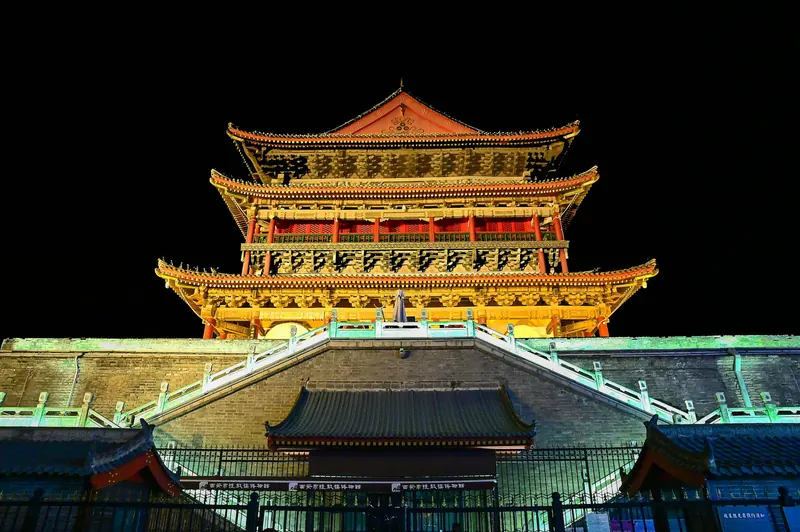
1Bell Tower and Luomashi
The center is commercial and historic, with the Bell Tower, Drum Tower, malls, hotels, metro transfers, and quick access to every gate.
 2
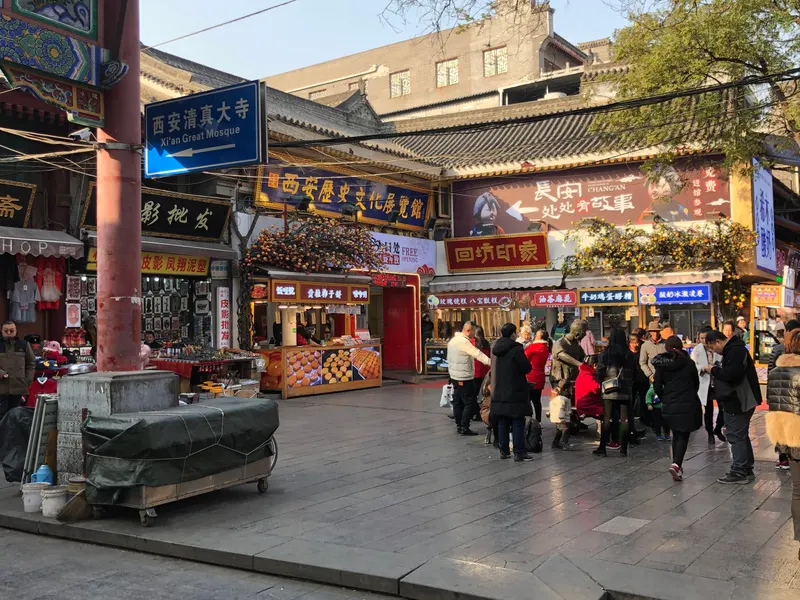
2Muslim Quarter
The quarter is food-heavy and crowded, with the Great Mosque, Huimin Street, snack lanes, butcher shops, sweets, and evening movement.
 3
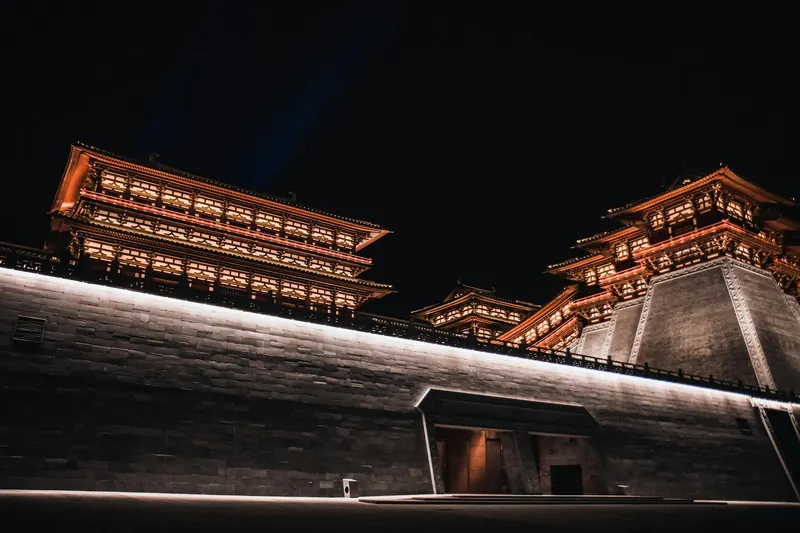
3South Gate and Shuyuanmen
The South Gate area has wall access, calligraphy street, hostels, bars, small museums, and the most atmospheric old-city walks.
 4
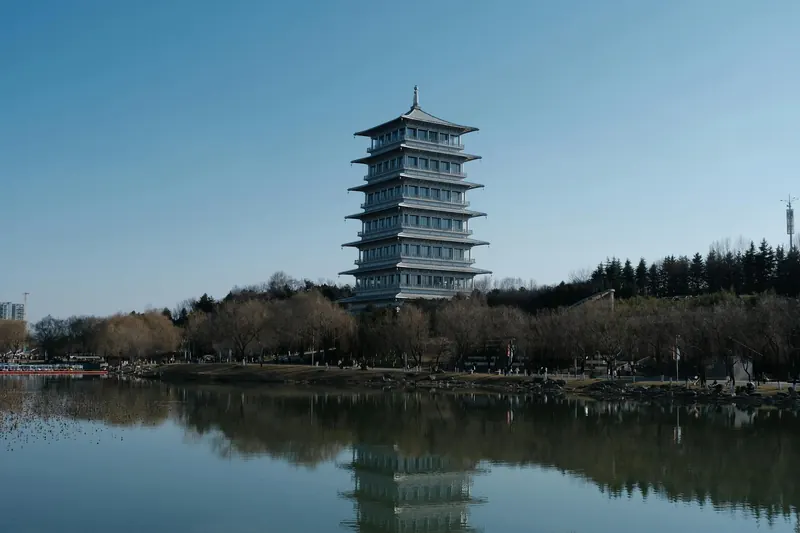
4Qujiang and Big Wild Goose Pagoda
Qujiang is more spacious and cultural, with pagodas, plazas, museums, Tang Paradise, hotels, and night fountains.
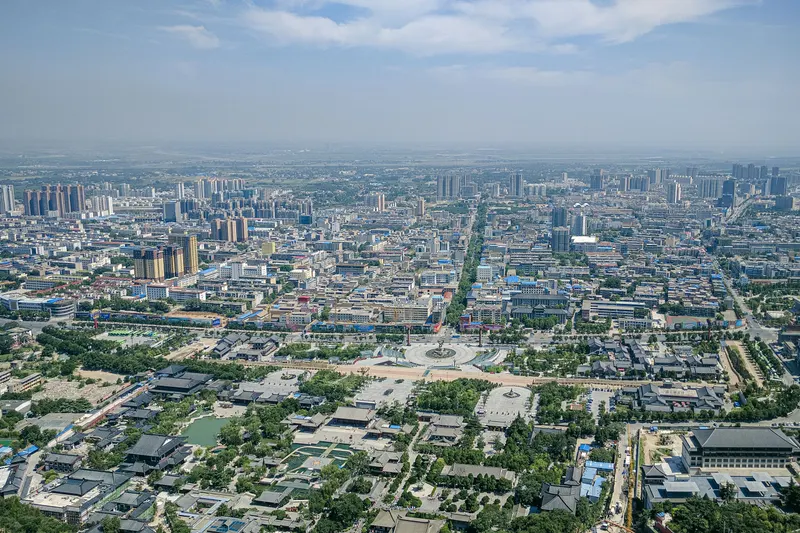 5
5Lintong
Lintong is the east-side archaeological zone, with the Terracotta Army, Qin mausoleum area, Huaqing Palace, Mount Li, and bus-tour logistics.
 6
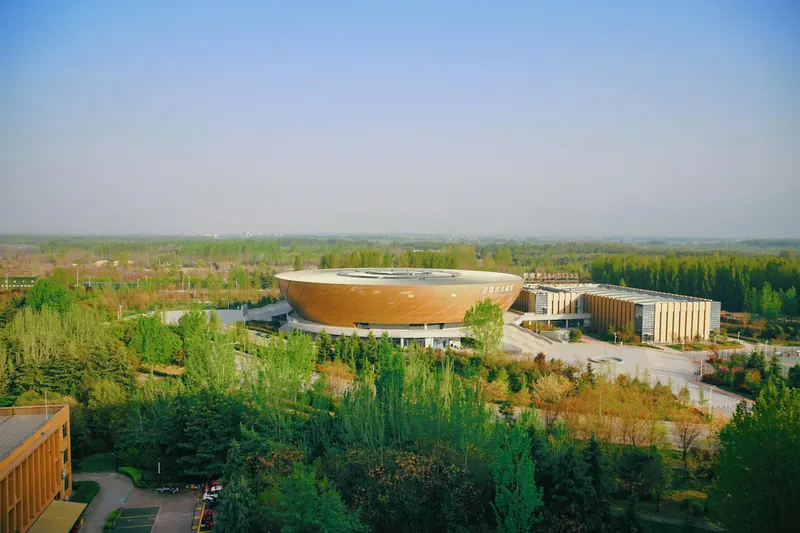
6High-Tech Zone and Xiaozhai
The southern modern districts add offices, universities, malls, Shaanxi History Museum access, and easier business-hotel bases.
Getting around
Xi'an Metro covers the airport, North Railway Station, Bell Tower, South Gate, Big Wild Goose Pagoda, and many outer districts, with QR tickets and local cards at stations. The walled center is walkable, but Terracotta Army days need car, tour bus, or metro-and-bus planning.
Shanghai
Shanghai in July
TempTemperature
91°F / 79°F
32.8°C / 26.2°C
RainPrecipitation
11d
5.7in · 145mm
LightDaylight
13.8h
July is hot and humid, with outdoor Bund, Yu Garden, and French Concession walks best early or after sunset.
City overview
Shanghai is a Huangpu River city split between older Puxi and Pudong, whose Lujiazui skyline rose after 1990 across from the Bund's concession-era banks. First-timers need five mental districts: Huangpu for the Bund, Nanjing Road, People's Square, and the Old City; Jing'an for high-end westward shopping; the French Concession for lanes and cafes; Pudong for towers; and Hongqiao for transport.
Food & drink
Shanghai food leans sweet, rich, and river-delta specific: xiaolongbao, shengjianbao, hongshao rou, scallion oil noodles, drunken chicken, crab roe noodles, and hairy crab in autumn are the key dishes. Yuyuan Bazaar, Huanghe Road near Nanjing Road, the French Concession, and old-school local restaurants around People's Square make the map; the city is pricier than most mainland Chinese cities but still cheaper than Hong Kong or Tokyo for neighborhood meals.
Top sights
Ranked for July suitability using weather, setting, ratings, and review volume.
- 1Jing'an Temple
- 2People's Square & Shanghai Museum
- 3Shanghai Urban Planning Exhibition Center
- 4The Bund
- 5Nanjing Road Pedestrian Street
- 6Yu Garden & Old City
- 7Shanghai Tower & Lujiazui
- 8Oriental Pearl Tower
- 9Huangpu River ferry
- 10French Concession lanes
 1
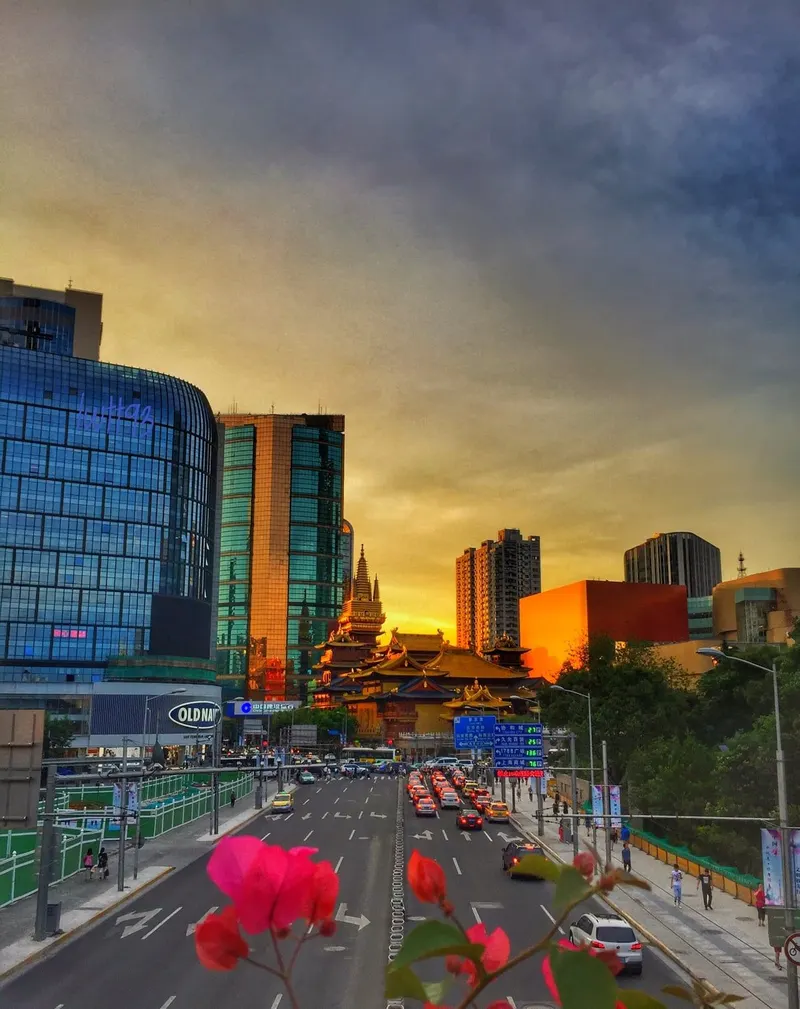
1Jing'an Temple
4.5★ · 1,227indoorOpen dailyJing'an Temple is a Buddhist landmark more than 1,500 years old, now surrounded by Nanjing Road West malls and towers. Metro lines 2, 7, and 14 make it a useful west-side anchor.
Wikipedia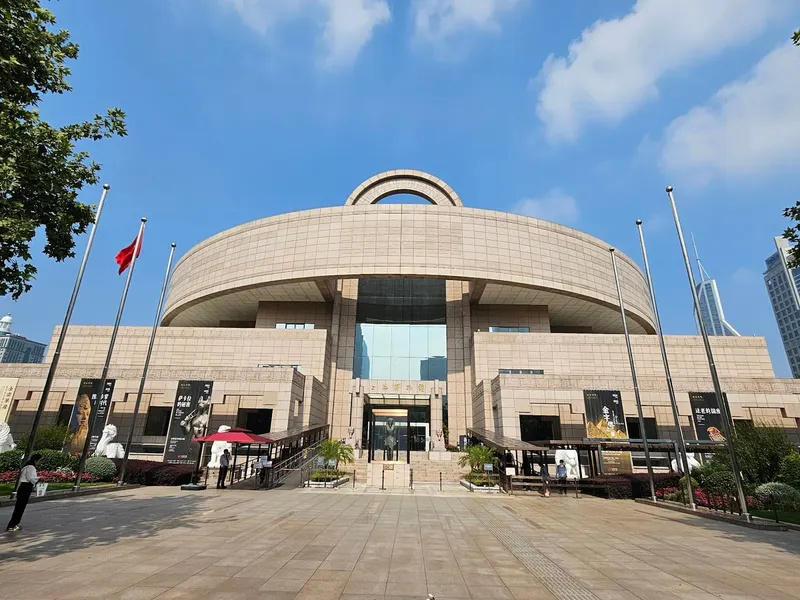 2
2People's Square & Shanghai Museum
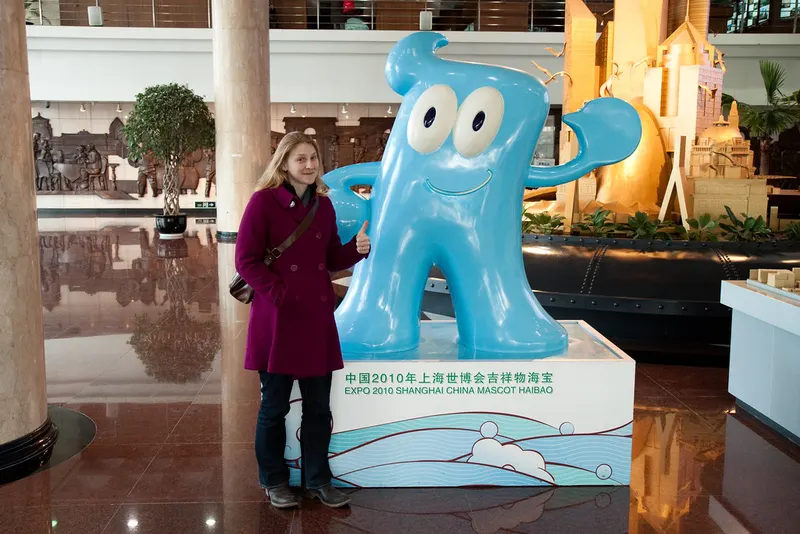
4.3★ · 1,277indoorOpen dailyPeople's Square sits on the former colonial racecourse and now holds one of Shanghai's busiest metro interchanges under the park. The Shanghai Museum at 201 Renmin Avenue anchors the south side of the square.
 3
3Shanghai Urban Planning Exhibition Center
4.4★ · 307indoorThe museum on People's Square explains Shanghai through city models and development exhibits, making the Puxi-Pudong split easier to understand before a tower visit. It pairs naturally with Shanghai Museum.
Wikipedia
Show 7 more sights
- 4The Bund
- 5Nanjing Road Pedestrian Street
- 6Yu Garden & Old City
- 7Shanghai Tower & Lujiazui
- 8Oriental Pearl Tower
- 9Huangpu River ferry
- 10French Concession lanes
Neighborhoods
 1
1Huangpu, Bund & People's Square
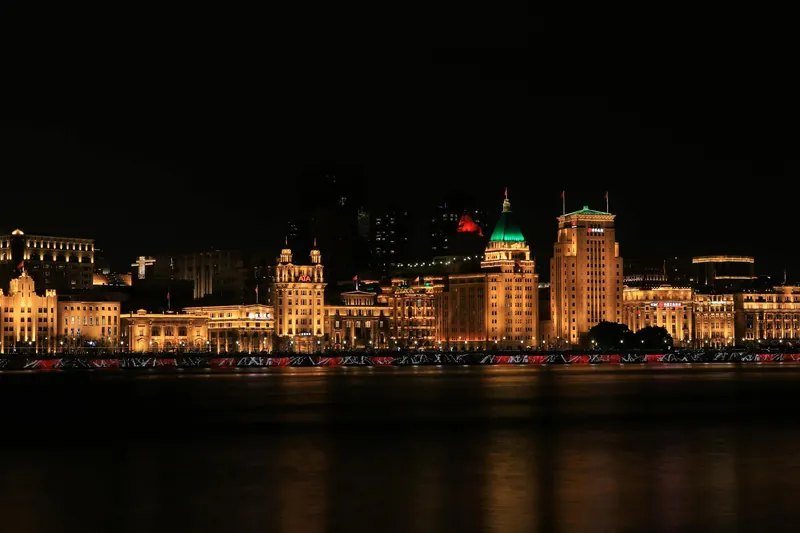
Huangpu is the ceremonial centre: the Bund, Nanjing Road East, People's Square, Shanghai Museum, Old City, and Yu Garden cluster around the river and metro Line 2.
 2
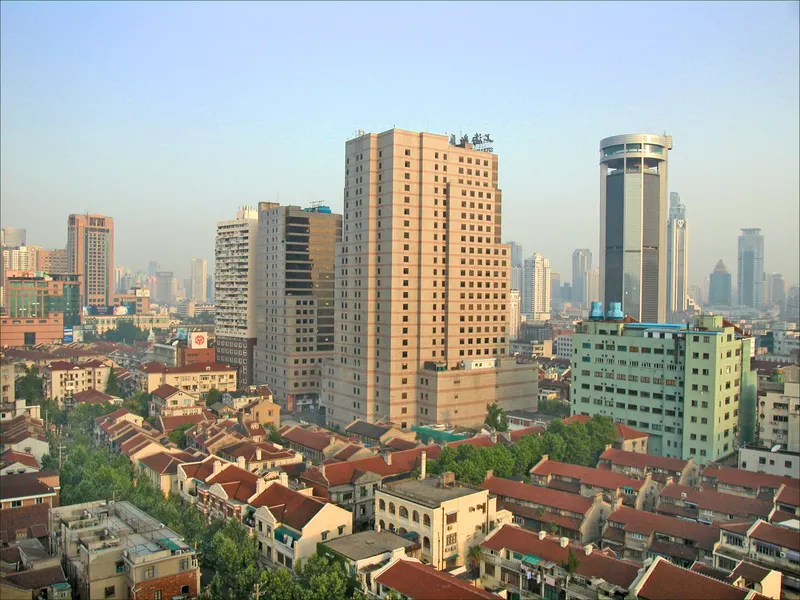
2Pudong & Lujiazui
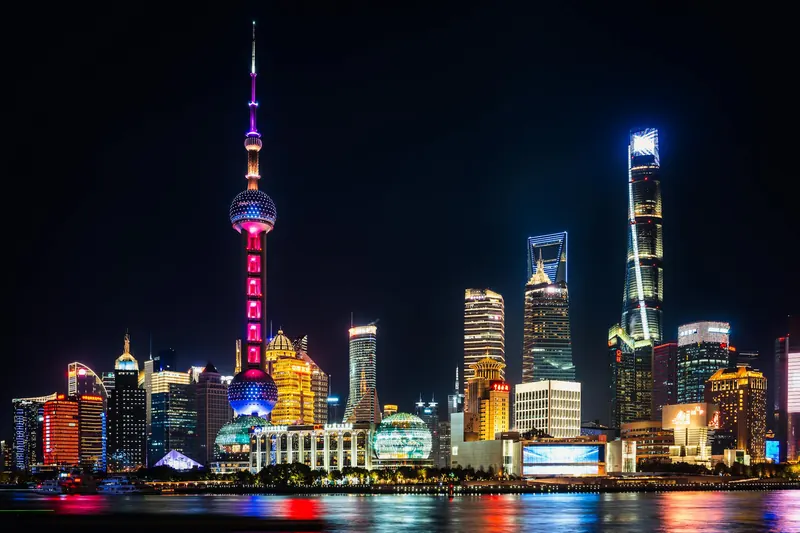
Pudong is the post-1990 skyline, with Lujiazui towers, malls, river promenades, Century Avenue, and the Maglev-side airport route. It is impressive but less intimate than Puxi.
 3
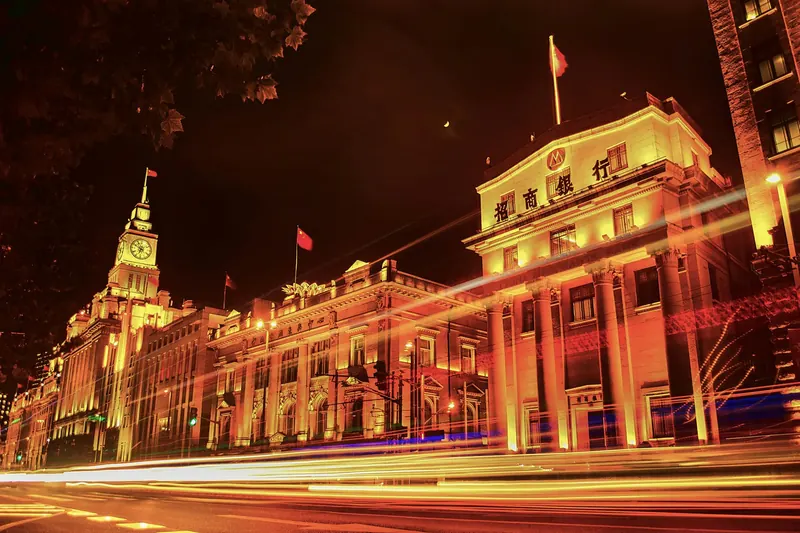
3French Concession
The French Concession is Shanghai at walking speed: shikumen lanes, Xintiandi, Tianzifang, boutiques, cafes, Huaihai Road, and leafy residential streets.
 4
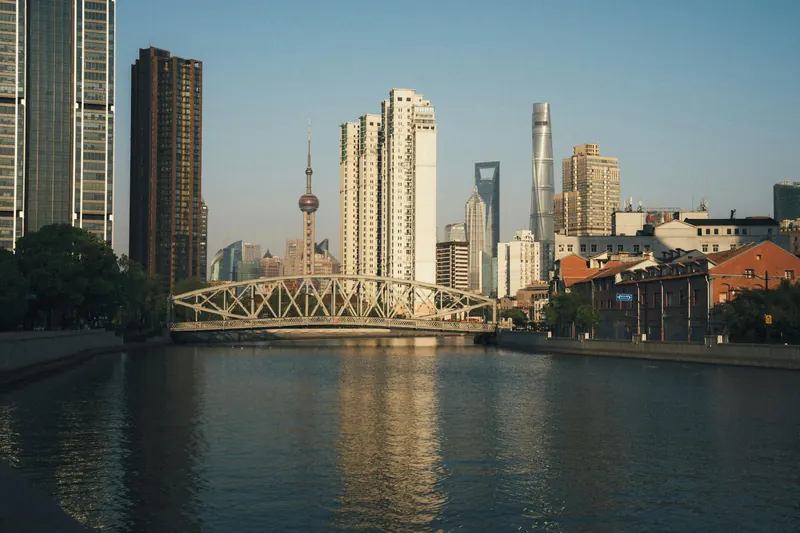
4Jing'an & Nanjing Road West
Jing'an is high-end Puxi, with Jing'an Temple, West Nanjing Road malls, hotels, offices, and easy Line 2 airport-side movement.
 5
5Xuhui & Xujiahui
Xuhui stretches the French Concession feeling southwest into Xujiahui shopping, churches, universities, and residential lanes. It is strong for cafes and longer stays.
 6
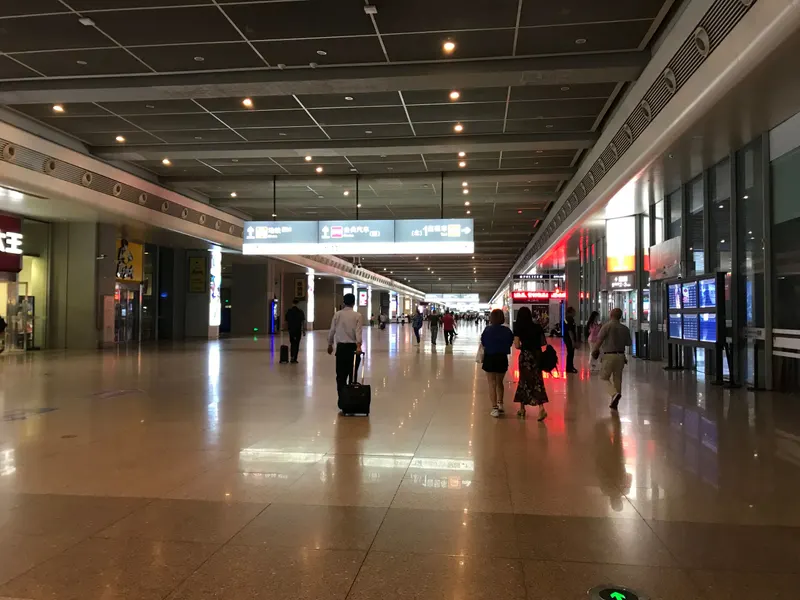
6Hongqiao
Hongqiao is the transport-and-convention side, with the airport, railway station, exhibition traffic, and suburban hotels. It is practical for trains and business, not the first sightseeing base.
Getting around
Shanghai Metro is the visitor backbone, especially Line 2 for Pudong Airport, Longyang Road, Lujiazui, East Nanjing Road, People's Square, Jing'an Temple, Hongqiao Airport, and Hongqiao Railway Station. The Maglev runs from Pudong Airport to Longyang Road, while the cheap Huangpu ferry beats the Bund Sightseeing Tunnel for crossing between the Bund and Pudong.
Planning the China Classic route?
Add your dates and we'll pace all 3 cities — every place checked for closures, limited hours, and booking needs in July.
Weather by month for the China Classic trip
In July, climate averages for Beijing, Xi'an and Shanghai show daytime highs from 32°C / 90°F to 33°C / 91°F, with nights down to about 22°C / 72°F in the coolest of those cities. The rainiest of those cities averages about 13 rainy days. Based on climate averages for Beijing, Xi'an and Shanghai, July is mixed for weather comfort.
The most comfortable months for this route are October, April and May, based on average daytime temperatures and rainfall in Beijing, Xi'an and Shanghai. July 2026 is mixed for weather comfort.
Common questions about the China Classic trip
- When is the best time to do the China Classic trip?
- The most comfortable months across Beijing, Xi'an and Shanghai are October, April and May, based on average daytime temperatures and rainfall for those cities. July is mixed for weather comfort — see the city climate sections below for the averages in July 2026.
- How many days do you need for the China Classic trip?
- A comfortable China Classic trip runs about 9–11 days, allowing roughly Beijing 4, Xi'an 2, Shanghai 3 nights plus travel between stops. Add a day if you want a slower pace or extra day trips.
- What's the route for the China Classic trip?
- The classic order is Beijing, Xi’an & Shanghai. The detailed month sections below cover Beijing, Xi'an and Shanghai.
Ready to plan the China Classic trip?
Turn this route into a day-by-day plan for July 2026, every stop checked for closures and booking needs on your exact dates.