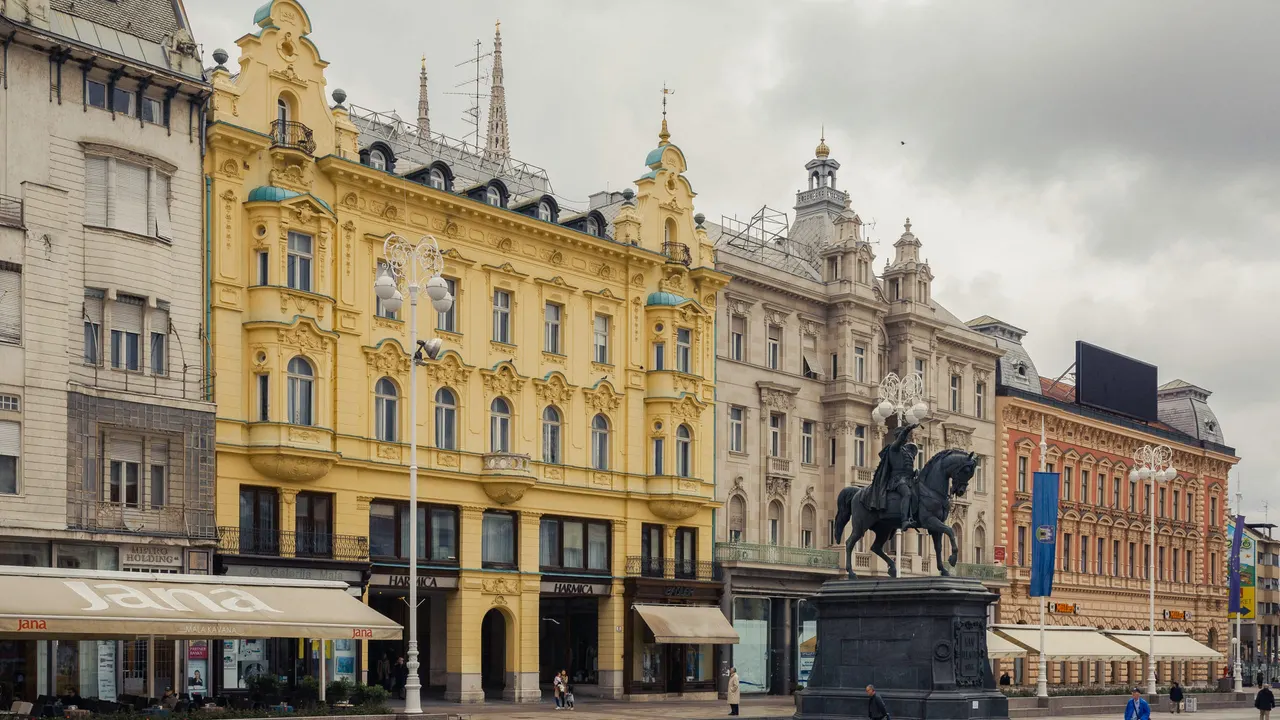
Croatia & the Coast itinerary — November 2026
For the Croatia & the Coast trip (Zagreb, Split & Dubrovnik), November 2026 is mixed for weather comfort. Across Zagreb, Split and Dubrovnik, daytime highs run from about 11°C / 52°F to 18°C / 64°F. Plan around 7–9 days for the full Zagreb, Split & Dubrovnik loop.
In this order — about 7–9 days:
- Zagreb2 nights
- Split3 nights
- Dubrovnik2 nights
- Route noteReserve the longest intercity leg first and keep transfer days free of timed sights.
By TripSapien · Updated August 24, 2026
Zagreb
Zagreb in November
TempTemperature
52°F / 38°F
11°C / 3.5°C
RainPrecipitation
9d
3.3in · 85mm
LightDaylight
9.2h
November is damp and grey, so anchor days with the theatre, galleries, and cafes near Ilica.
City overview
Zagreb sits between the Sava plain and Medvednica, with a compact historic core split between hilltop Gornji Grad and tram-lined Donji Grad. The city works best as a sequence of named zones: Kaptol and St. Mark Square for old Zagreb, the Green Horseshoe for museums and parks, and Novi Zagreb or Jarun for the postwar southern side.
Food & drink
Zagreb food mixes strukli, zagrebacki odrezak, purica s mlincima, cevapi, cottage-cheese pastries, kremšnita, and strong coffee culture. Dolac Market, Tkalciceva terraces, Ilica bakeries, and old gostionica dining rooms are the easiest first-pass food map.
Events & festivals
- Nov 9 – Nov 15
International Festival, oriented at novice directors.
Source: TripSapien festival dataset
Holidays & observances
- Nov 1All Saints' DayPublic holiday
- Nov 18Remembrance DayPublic holiday
Top sights
Ranked for November suitability using weather, setting, ratings, and review volume.
- 1Lotrščak Tower
- 2Maksimir Park and Zagreb Zoo
- 3Botanical Garden
- 4Mirogoj Cemetery
- 5Croatian National Theatre
- 6Zagreb Cathedral
- 7Museum of Broken Relationships
- 8St. Mark Square
- 9Ban Jelačić Square
- 10Dolac Market
 1
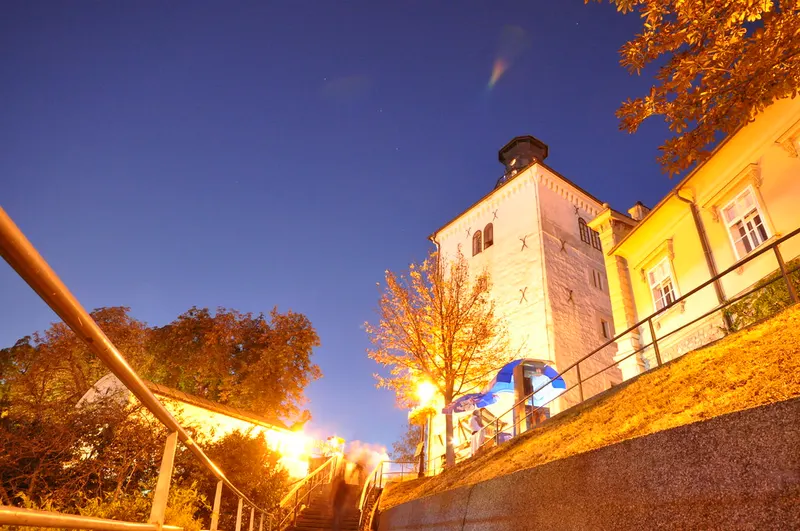
1Lotrščak Tower
4.7★ · 4,430outdoorClosed MonThe 13th-century tower guarded the southern gate of Gradec and still fires the Gric cannon at noon. It stands above the funicular stop and gives a short view over Ilica, the cathedral spires, and Lower Town roofs.
Wikipedia 2
2Maksimir Park and Zagreb Zoo
4.6★ · 27,422outdoorOpen dailyMaksimir opened as a public park in the late 18th century and now mixes lakes, pavilions, forest paths, and the city zoo. Tram rides from the center make it the easiest green break east of town.
 3
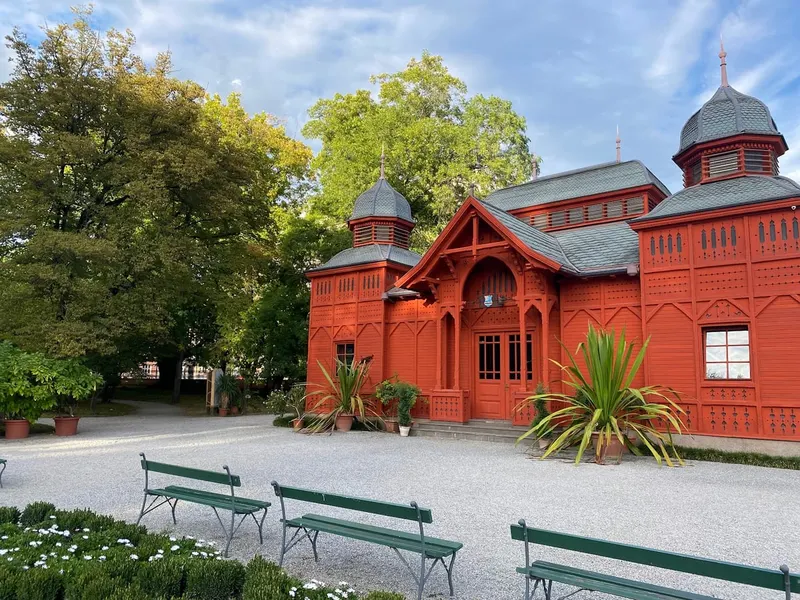
3Botanical Garden
4.6★ · 7,445outdoorOpen dailyThe university garden opened in 1891 as part of the Lower Town Green Horseshoe. Its ponds, glasshouses, and quiet paths sit a short walk from the main railway station and King Tomislav Square.
Show 7 more sights
- 4Mirogoj Cemetery
- 5Croatian National Theatre
- 6Zagreb Cathedral
- 7Museum of Broken Relationships
- 8St. Mark Square
- 9Ban Jelačić Square
- 10Dolac Market
Neighborhoods
 1
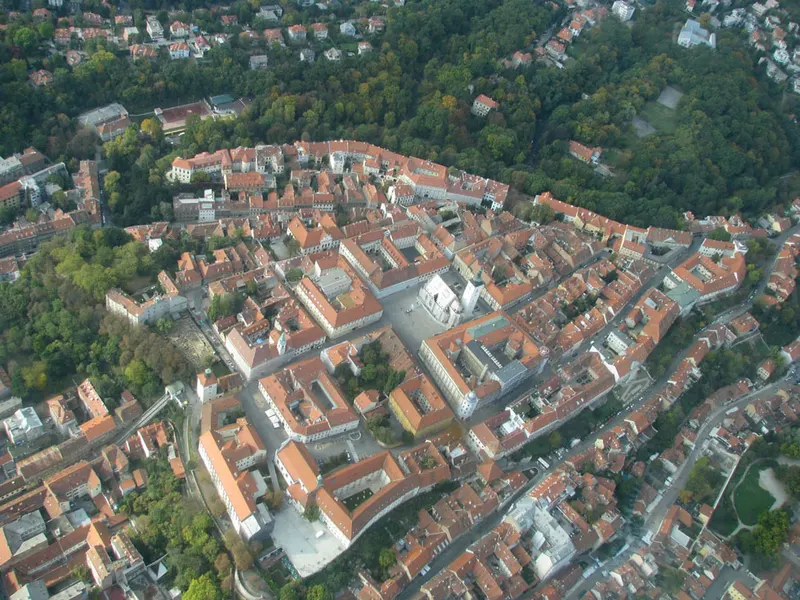
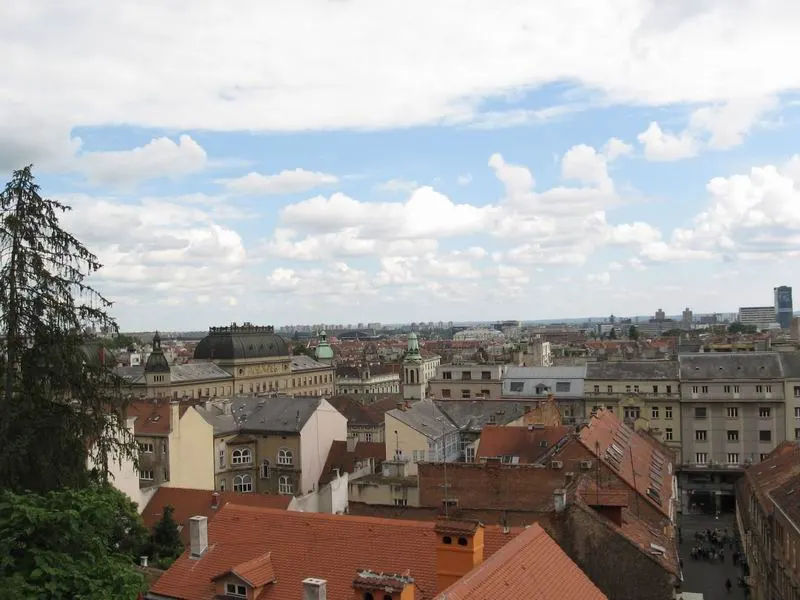
1Gornji Grad and Kaptol
The Upper Town feels ceremonial and compact, with St. Mark Square, Lotrščak Tower, the Stone Gate, Zagreb Cathedral, and small museum streets above the funicular.
 2
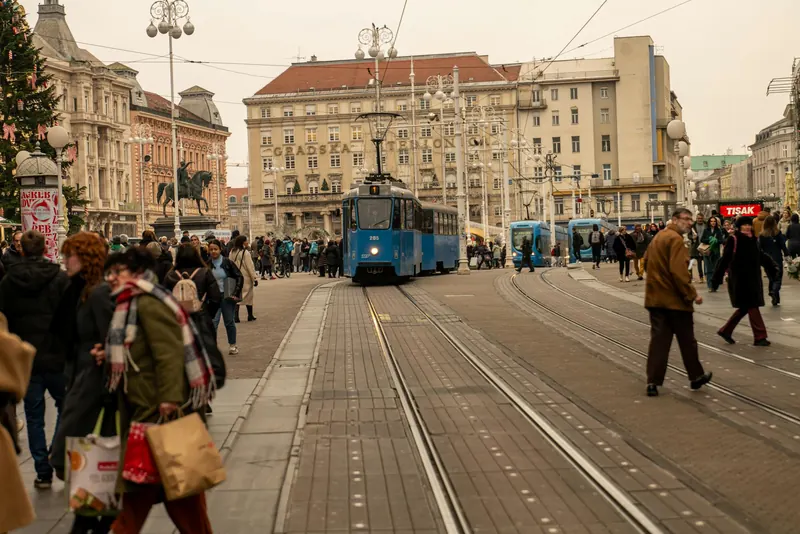
2Donji Grad and the Green Horseshoe
Lower Town is flatter and grander, with Ban Jelačić Square, Zrinjevac, King Tomislav Square, the Botanical Garden, the theatre, galleries, and main tram lines.
 3
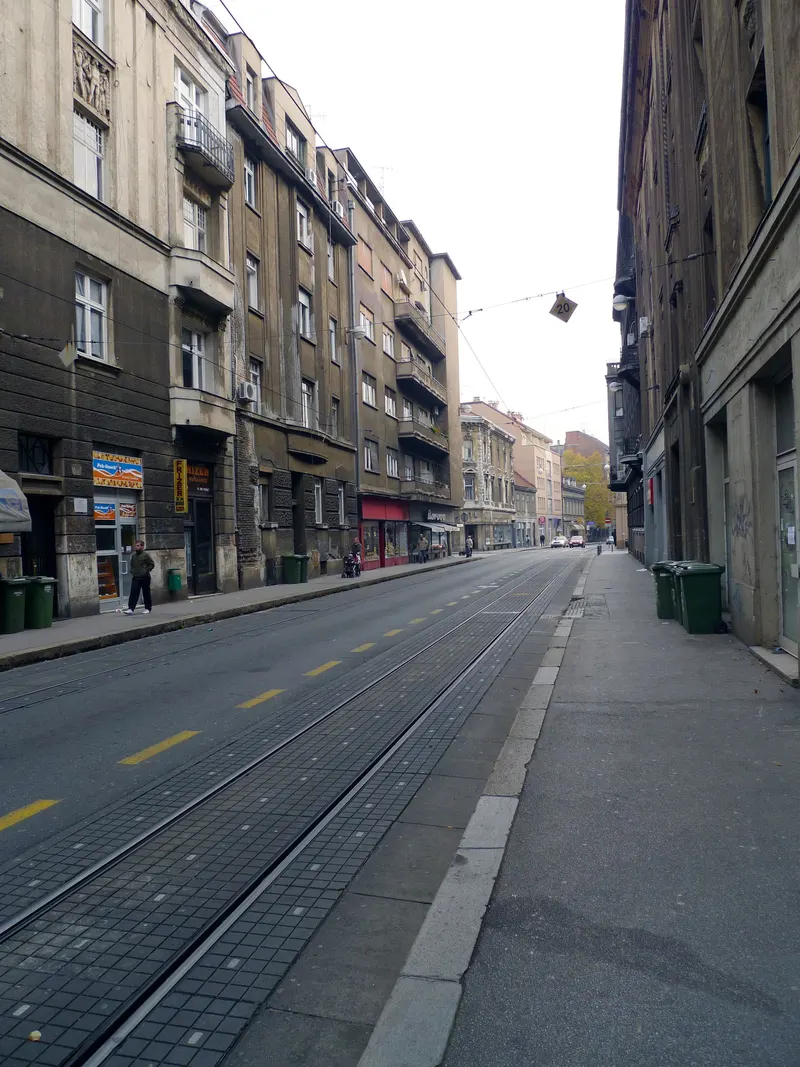
3Tkalciceva and Dolac
The lane below Kaptol is cafe-heavy and social, tied to Dolac Market, Opatovina, bars, street terraces, and the climb into the Upper Town.
 4
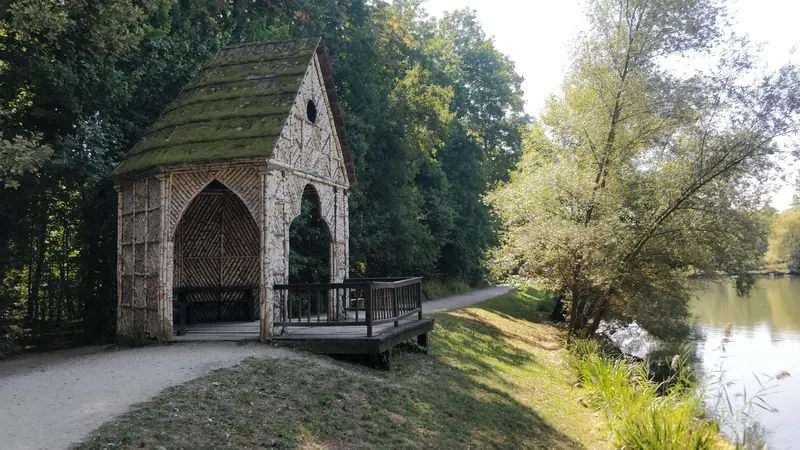
4Ilica and British Square
Ilica is the old shopping spine, while British Square adds Sunday antiques, neighborhood cafes, bakeries, and a more residential westward rhythm.
 5
5Maksimir
Maksimir is green and family-focused, with the park, zoo, football stadium, lakes, and tram stops that make it easy from the center.
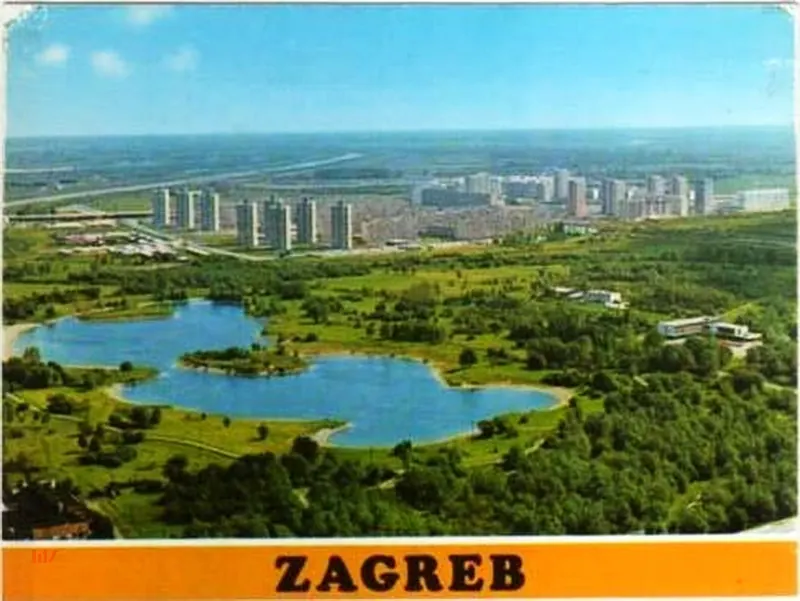 6
6Novi Zagreb, Jarun, and Bundek
South of the Sava, the city becomes modernist and open, with apartment blocks, the Museum of Contemporary Art, Jarun lake paths, Bundek lawns, and big-event spaces.
Getting around
ZET trams and buses cover the city, with Ban Jelačić Square and the main railway station acting as the useful central nodes. The Upper and Lower Town are walkable, and the short funicular saves the steepest climb to Lotrščak Tower.
Split
Split in November
TempTemperature
60°F / 51°F
15.5°C / 10.7°C
RainPrecipitation
10d
4.9in · 125mm
LightDaylight
9.4h
Sea
64.2°F
17.9°C
November is the wettest month, so expect ferry disruptions and keep museums, cafes, and short Riva walks flexible.
City overview
Split is an Adriatic port where Diocletian Palace is not a ruin outside town but the lived-in core of the city. The practical visitor frame is the Palace and Riva for the historic center, Varos and Marjan for old lanes and viewpoints, and Bačvice or Firule for city beaches.
Food & drink
Split food is Dalmatian and coastal: pasticada with gnocchi, black risotto, grilled sardines, brudet, soparnik, blitva, fritule, and local olive oil. Pazar produce market, the fish market on Marmontova, palace konobas, and Varos taverns are the useful first stops.
Holidays & observances
- Nov 1All Saints' DayPublic holiday
- Nov 18Remembrance DayPublic holiday
Top sights
Ranked for November suitability using weather, setting, ratings, and review volume.
- 1Diocletian Palace
- 2Meštrović Gallery
- 3Cathedral of St. Domnius
- 4Archaeological Museum
- 5Temple of Jupiter
- 6Peristyle
- 7Riva
- 8Marjan Hill
- 9Basement Halls
- 10Bačvice Beach
 1
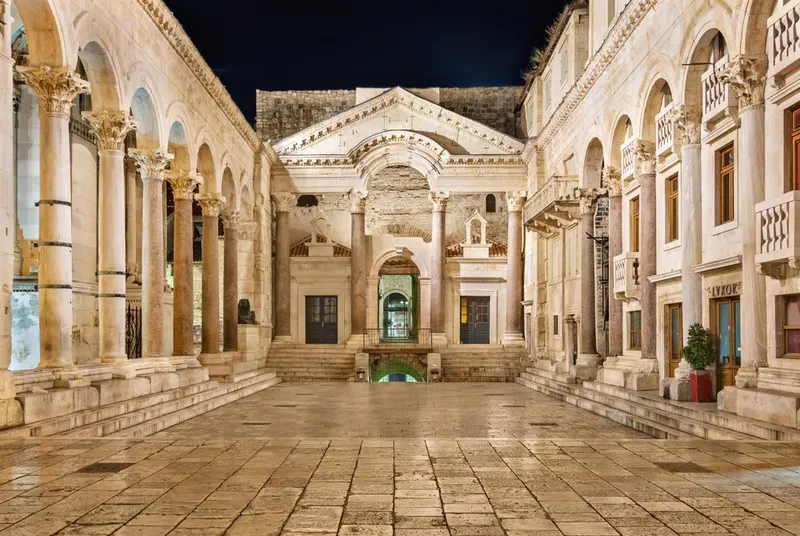
1Diocletian Palace
4.7★ · 90,036indoorRoman emperor Diocletian built the seafront palace around AD 305, and Split grew inside its walls. Shops, apartments, churches, and cafes still fill the Roman grid between the Golden, Silver, Iron, and Bronze Gates.
Wikipedia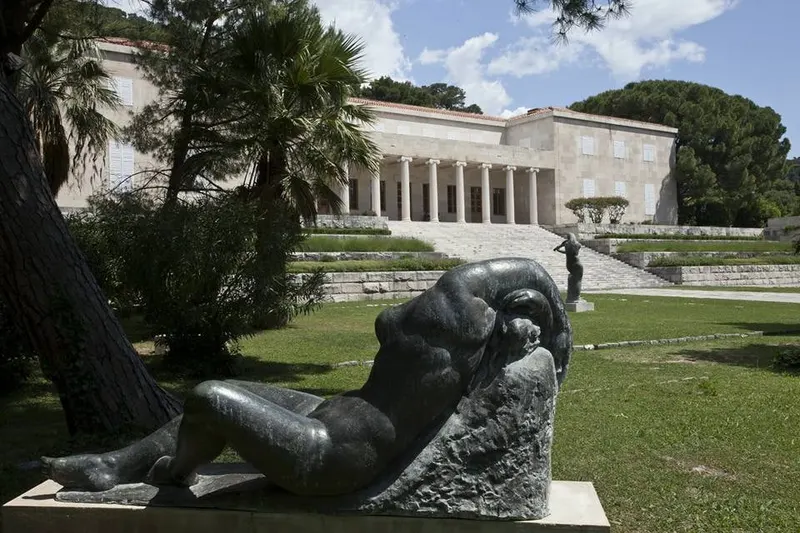 2
2Meštrović Gallery
4.7★ · 1,404indoorClosed MonIvan Meštrović built this seaside villa in Meje in the 1930s, and it now holds his sculptures, drawings, and architectural spaces. Combine it with a Marjan walk or the nearby Kastelet chapel.
 3
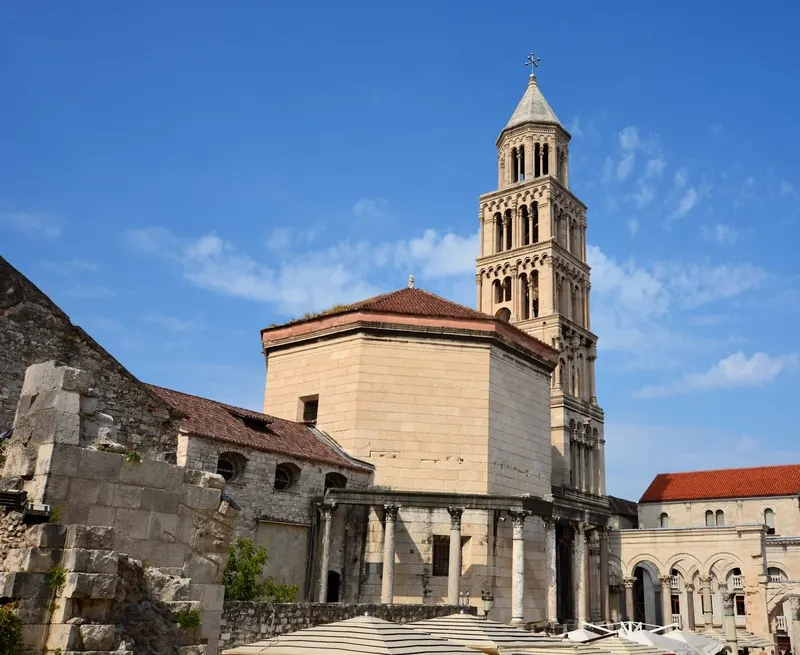
3Cathedral of St. Domnius
4.6★ · 7,430indoorClosed WedThe cathedral occupies Diocletian mausoleum, turning a Roman imperial tomb into one of the oldest cathedral buildings in continuous use. The bell tower climb looks over the Riva, harbor, and palace roofs.
Show 7 more sights
- 4Archaeological Museum
- 5Temple of Jupiter
- 6Peristyle
- 7Riva
- 8Marjan Hill
- 9Basement Halls
- 10Bačvice Beach
Neighborhoods
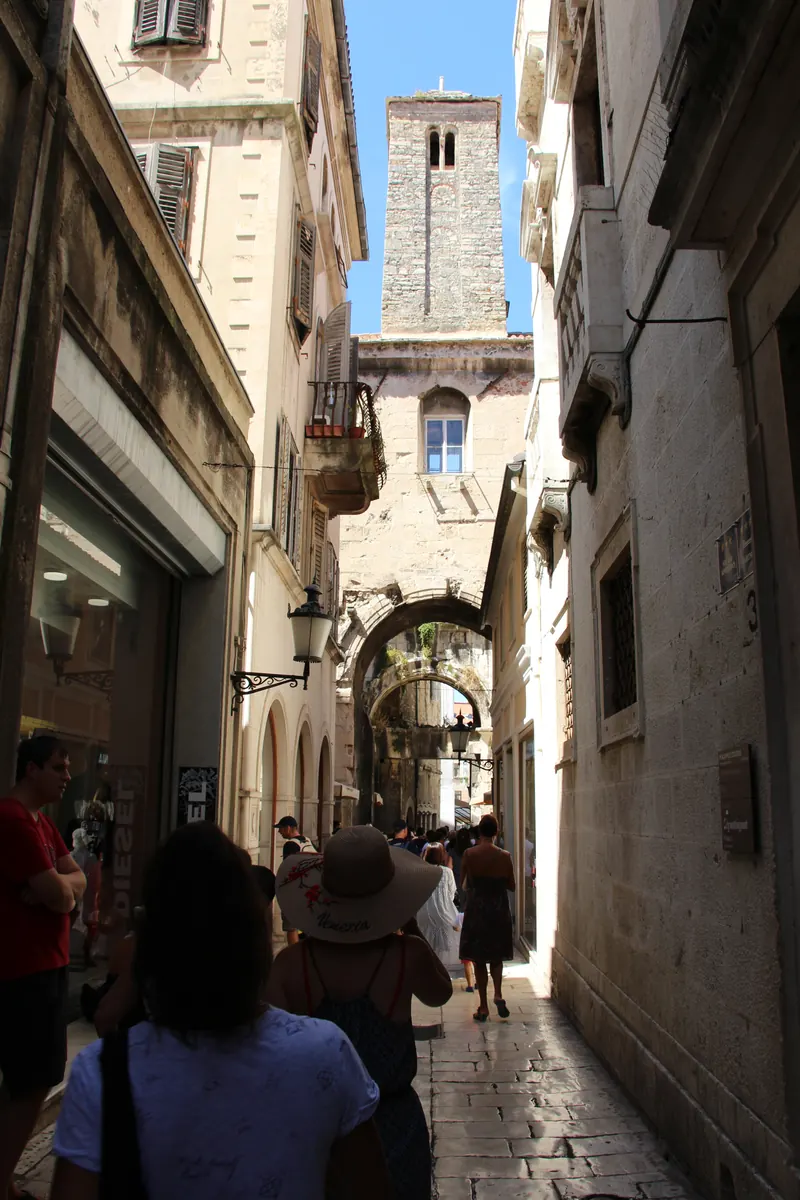 1
1Diocletian Palace and Grad
The historic core is dense and lived-in, with the Peristyle, cathedral, basement halls, Narodni trg, tiny apartments, wine bars, and souvenir lanes inside Roman walls.
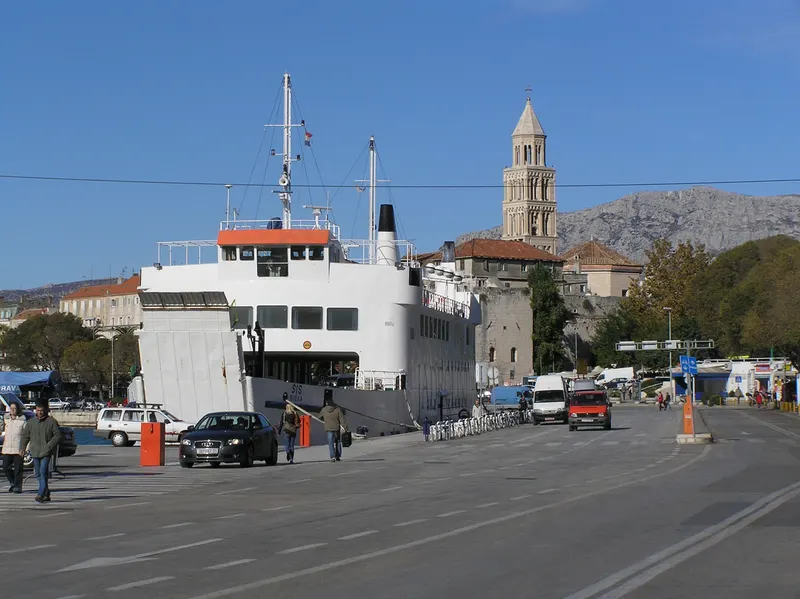 2
2Riva and Ferry Port
The waterfront is practical and social, with cafe rows, catamaran piers, Jadrolinija ferries, bus links, and evening strolls in front of the palace walls.
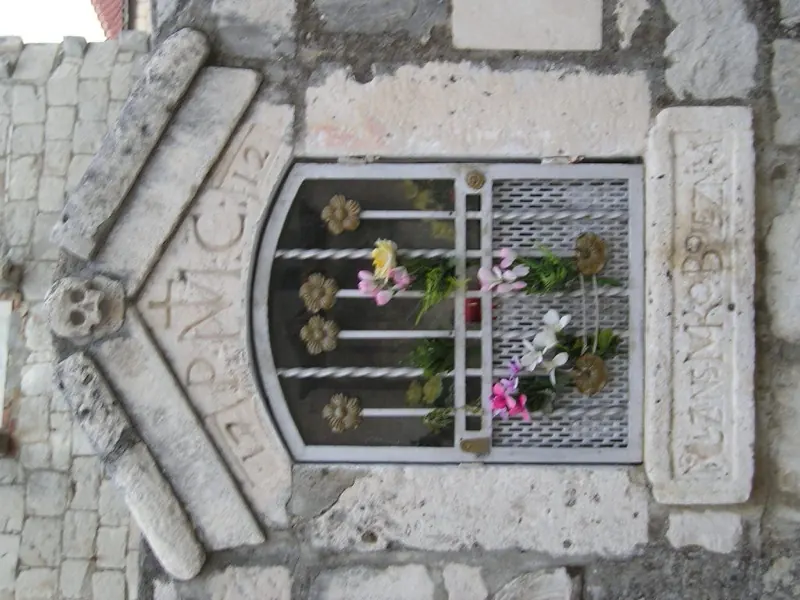 3
3Varos
Varos climbs west of the palace in narrow stone lanes, old fishermen houses, konoba restaurants, and stairways toward Marjan viewpoints.
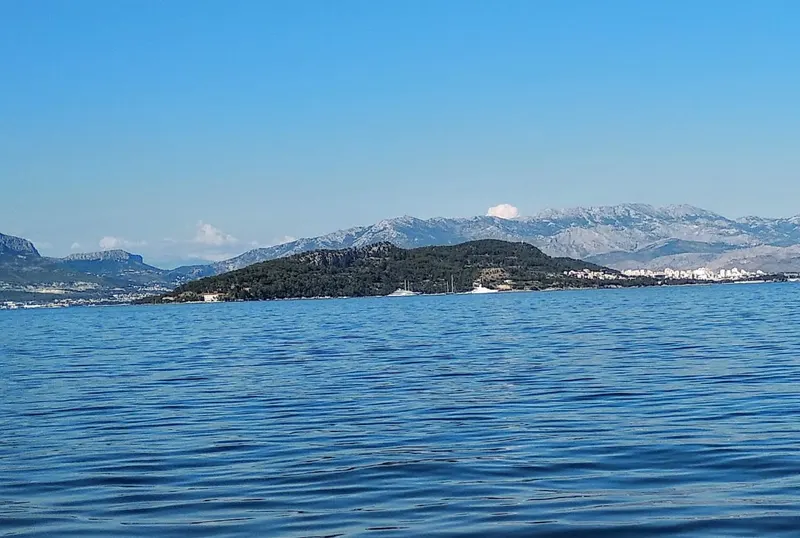 4
4Marjan, Spinut, and Meje
The western peninsula side is greener and calmer, anchored by Marjan forest, Meštrović Gallery, Poljud Stadium, coastal paths, and small swimming coves.
 5
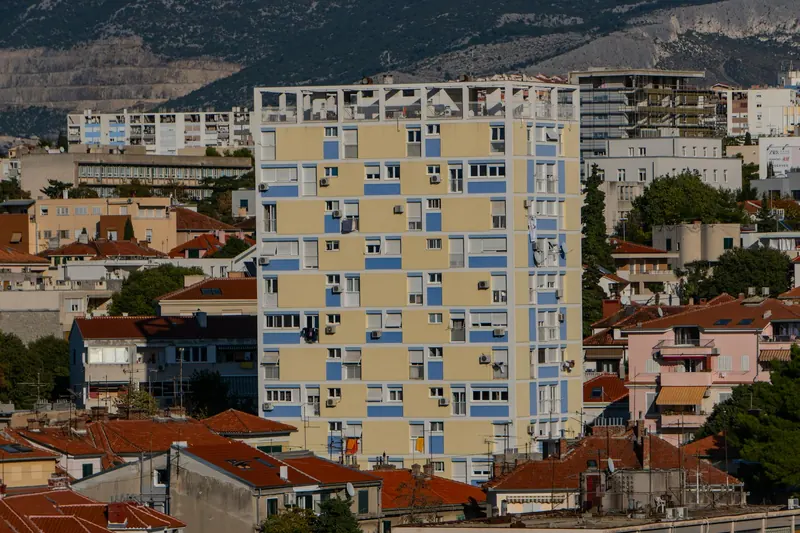
5Bačvice and Firule
East of the port, Bačvice and Firule feel beachy and local, with sandy shallows, cafes, tennis courts, hospitals, and low-key apartment streets.
 6
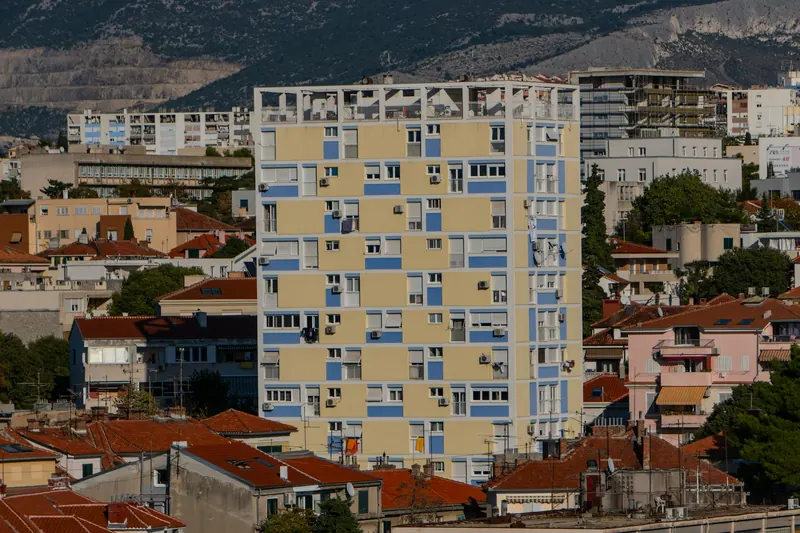
6Žnjan and Trstenik
The eastern shore is more residential and modern, with long pebble beaches, seaside bars, bigger hotels, and bus links back to the palace.
Getting around
Split old center is foot-only in practice, and most ferry, bus, rail, Riva, Bačvice, and palace stops sit within a compact harbor zone. Promet buses cover Marjan edges, Znjan, Salona, Trogir, and airport approaches, while ferries and catamarans drive island travel.
Dubrovnik
Dubrovnik in November
TempTemperature
64°F / 53°F
17.5°C / 11.7°C
RainPrecipitation
10d
5.7in · 145mm
LightDaylight
9.5h
Sea
65.5°F
18.6°C
November is the wettest month, so use palace museums, War Photo Limited, and short gate-to-gate walks.
City overview
Dubrovnik is a limestone-walled Adriatic city where the Stradun, old harbor, and fortresses sit between steep Mount Srd and the sea. First trips work by separating the pedestrian Old Town from the gate districts of Pile and Ploče, then using Lapad, Gruz, and Babin Kuk for beaches, buses, and ferries.
Food & drink
Dubrovnik food leans coastal, with black risotto, buzara mussels, grilled fish, zelena menestra, pasticada, rozata custard, and bitter-orange sweets. Gundulićeva Poljana market, Gruz fish market, Stradun side lanes, and Lapad restaurants are the useful food anchors.
Holidays & observances
- Nov 1All Saints' DayPublic holiday
- Nov 18Remembrance DayPublic holiday
Top sights
Ranked for November suitability using weather, setting, ratings, and review volume.
- 1War Photo Limited
- 2Fort Lovrijenac
- 3Franciscan Monastery
- 4Rector Palace
- 5Banje Beach
- 6Stradun and Pile Gate
- 7City Walls
- 8Old Port
- 9Sponza Palace
- 10Dubrovnik Cable Car and Mount Srd
 1
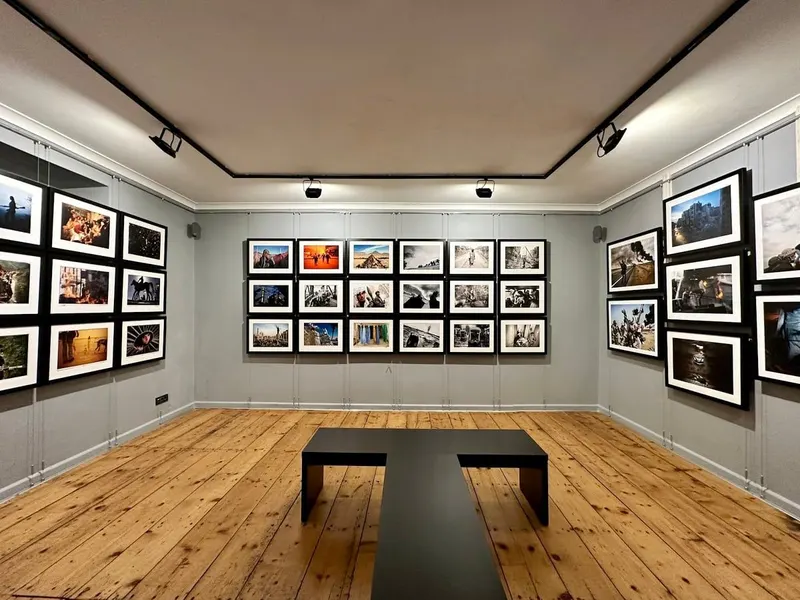
1War Photo Limited
4.8★ · 837indoorOpen dailyThis Old Town gallery presents conflict photojournalism, including material on the breakup of Yugoslavia. It gives necessary context after fortress and wall views that otherwise look purely scenic.
 2
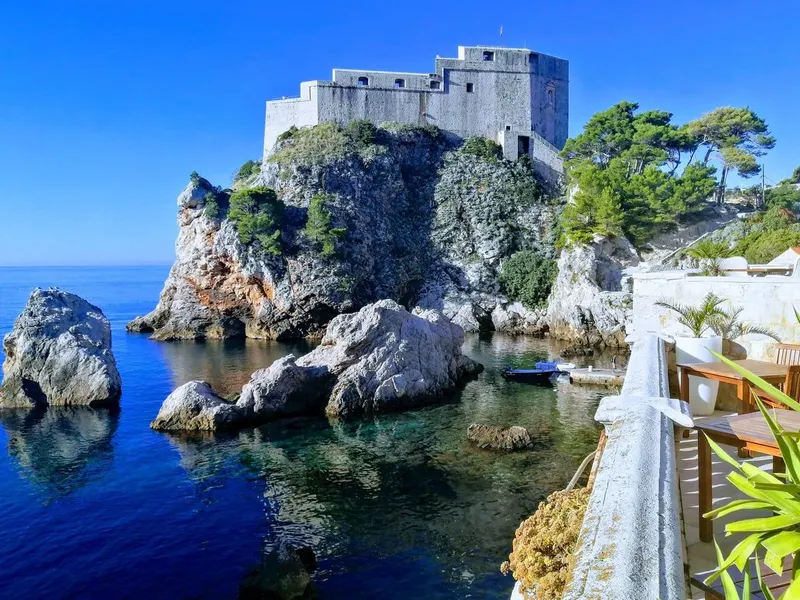
2Fort Lovrijenac
4.6★ · 9,987indoorOpen dailyThe sea fortress rises on a cliff west of Pile Gate and helped defend the city from Venetian control. Its terraces look back at the walls and small West Harbor below.
Wikipedia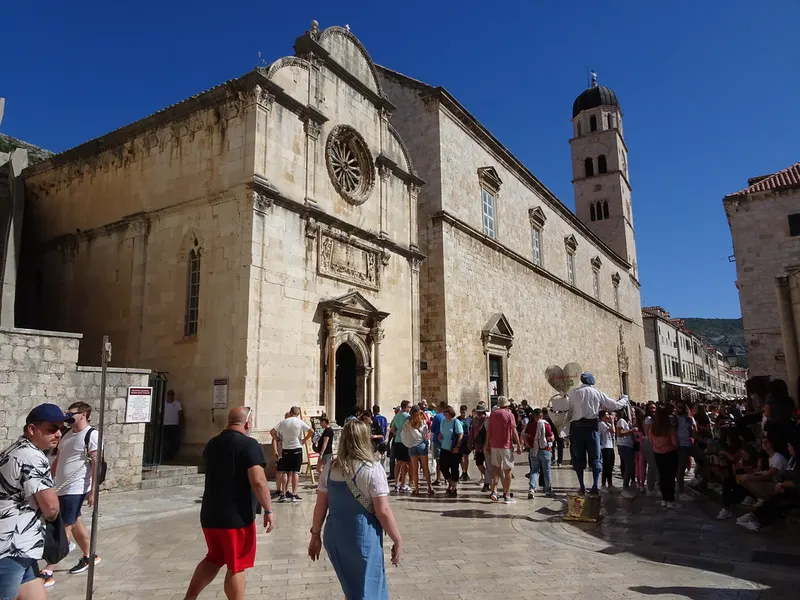 3
3Franciscan Monastery
4.4★ · 1,275indoorOpen dailyThe monastery beside Pile Gate holds a Romanesque cloister and one of Europe older continuously operating pharmacies. It is an easy first stop after entering the Old Town.
Show 7 more sights
- 4Rector Palace
- 5Banje Beach
- 6Stradun and Pile Gate
- 7City Walls
- 8Old Port
- 9Sponza Palace
- 10Dubrovnik Cable Car and Mount Srd
Neighborhoods
 1
1Old Town
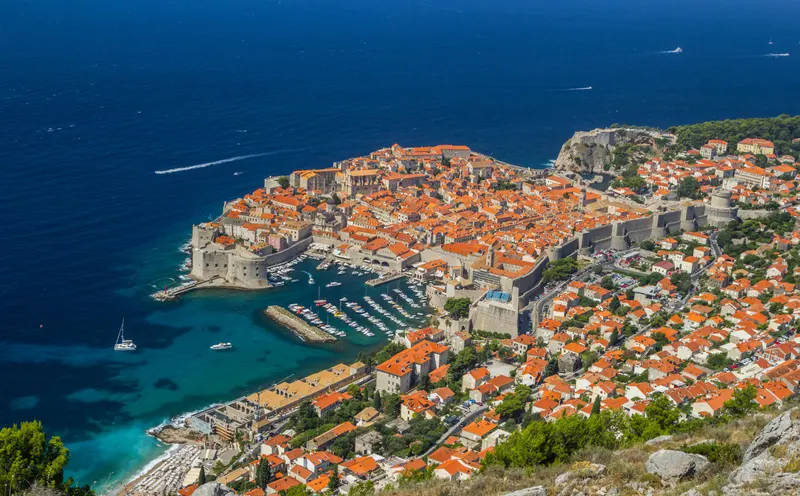
The walled core is dense, polished, and pedestrian-only, with Stradun, Luza Square, churches, monasteries, steep stair lanes, and restaurant terraces inside the gates.
 2
2Pile
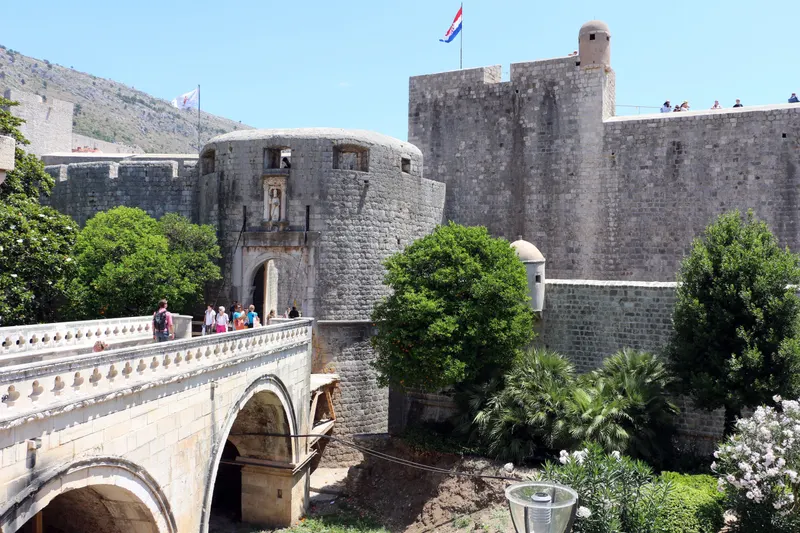
Pile is the western gate area, with bus stops, Fort Lovrijenac, West Harbor, hotels, kayak launches, and the pressure point for tour arrivals.
 3
3Ploče
Ploče climbs east of the walls toward the cable car, Banje Beach, old villas, and balconies with the postcard view back over the city.
 4
4Lapad
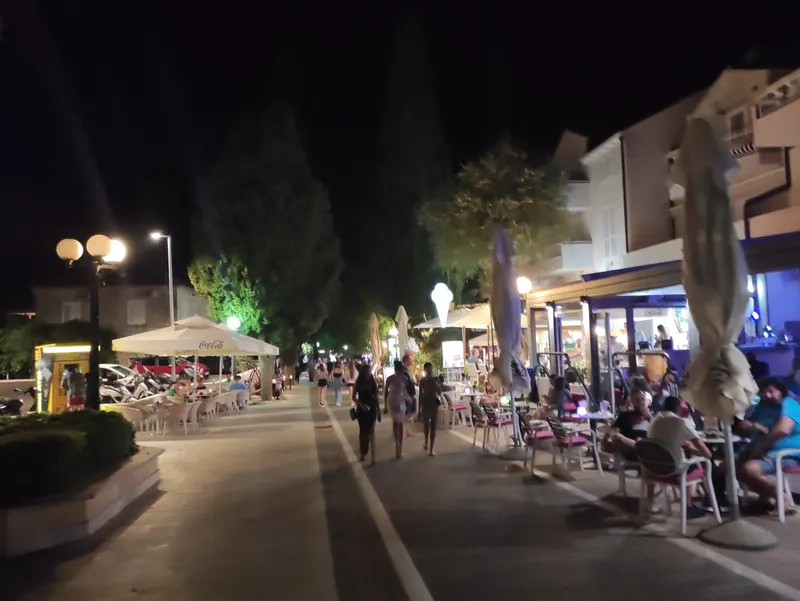
Lapad is the practical beach-and-hotel district, with Uvala Lapad promenade, restaurants, swimming coves, and buses into Pile.
 5
5Gruž
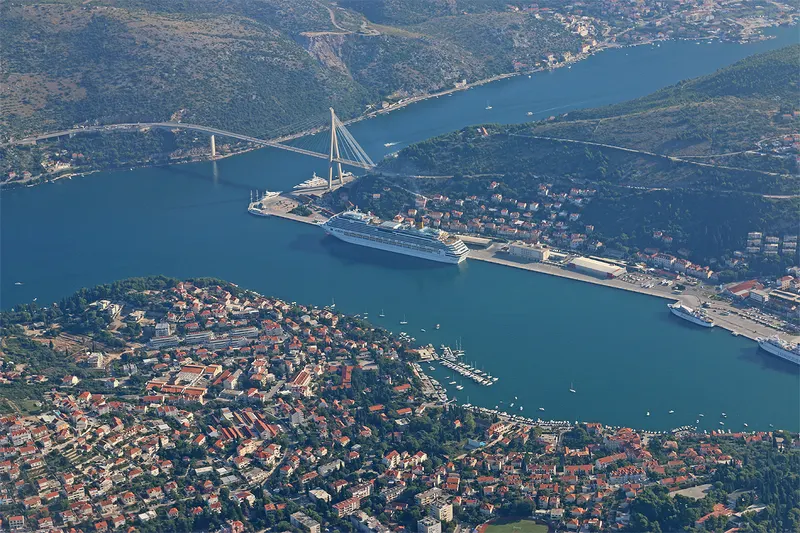
Gruz is working Dubrovnik, with the ferry port, bus station, fish market, cruise docks, and island departures instead of Old Town lanes.
 6
6Babin Kuk
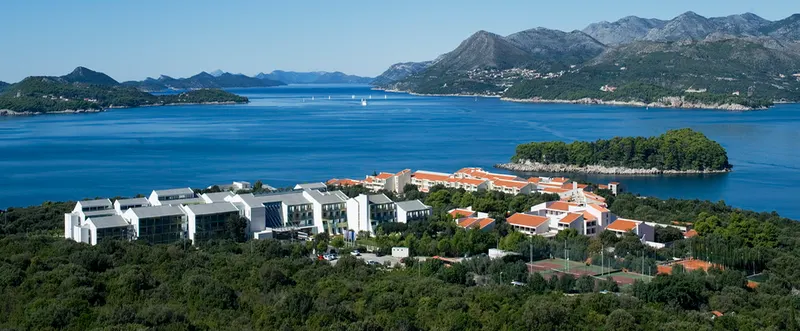
Babin Kuk sits beyond Lapad with larger resorts, Copacabana Beach, forested paths, and more space than the Old Town in peak season.
Getting around
The Old Town is pedestrian-only, so buses, taxis, and airport shuttles stop at gates or nearby roads rather than inside the walls. Libertas buses connect Pile, Ploče, Lapad, Gruz, and Babin Kuk, while ferries from Gruz handle islands and the Old Port handles Lokrum.
Planning the Croatia & the Coast route?
Add your dates and we'll pace all 3 cities — every place checked for closures, limited hours, and booking needs in November.
Weather by month for the Croatia & the Coast trip
In November, climate averages for Zagreb, Split and Dubrovnik show daytime highs from 11°C / 52°F to 18°C / 64°F, with nights down to about 4°C / 39°F in the coolest of those cities. The rainiest of those cities averages about 10 rainy days. Based on climate averages for Zagreb, Split and Dubrovnik, November is mixed for weather comfort.
The most comfortable months for this route are June, May and September, based on average daytime temperatures and rainfall in Zagreb, Split and Dubrovnik. November 2026 is mixed for weather comfort.
Common questions about the Croatia & the Coast trip
- When is the best time to do the Croatia & the Coast trip?
- The most comfortable months across Zagreb, Split and Dubrovnik are June, May and September, based on average daytime temperatures and rainfall for those cities. November is mixed for weather comfort — see the city climate sections below for the averages in November 2026.
- How many days do you need for the Croatia & the Coast trip?
- A comfortable Croatia & the Coast trip runs about 7–9 days, allowing roughly Zagreb 2, Split 3, Dubrovnik 2 nights plus travel between stops. Add a day if you want a slower pace or extra day trips.
- What's the route for the Croatia & the Coast trip?
- The classic order is Zagreb, Split & Dubrovnik. The detailed month sections below cover Zagreb, Split and Dubrovnik.
Ready to plan the Croatia & the Coast trip?
Turn this route into a day-by-day plan for November 2026, every stop checked for closures and booking needs on your exact dates.