Japan & Korea itinerary — February 2027
For the Japan & Korea trip (Tokyo & Seoul), February 2027 is one of the less comfortable months by weather. Across Tokyo and Seoul, daytime highs run from about 5°C / 41°F to 11°C / 52°F. Plan around 7–9 days for the full Tokyo & Seoul loop.
In this order — about 7–9 days:
- Tokyo4 nightsJapan
- Seoul3 nightsSouth Korea
- Route noteReserve the longest intercity leg first and keep transfer days free of timed sights.
By TripSapien · Updated August 24, 2026
Tokyo
Tokyo in February
TempTemperature
49°F / 35°F
9.7°C / 1.5°C
RainPrecipitation
11d
2.4in · 61.9mm
LightDaylight
10.5h
Sea
51.6°F
10.9°C
February stays cold but manageable; plum blossoms begin late in the month before the sakura surge.
City overview
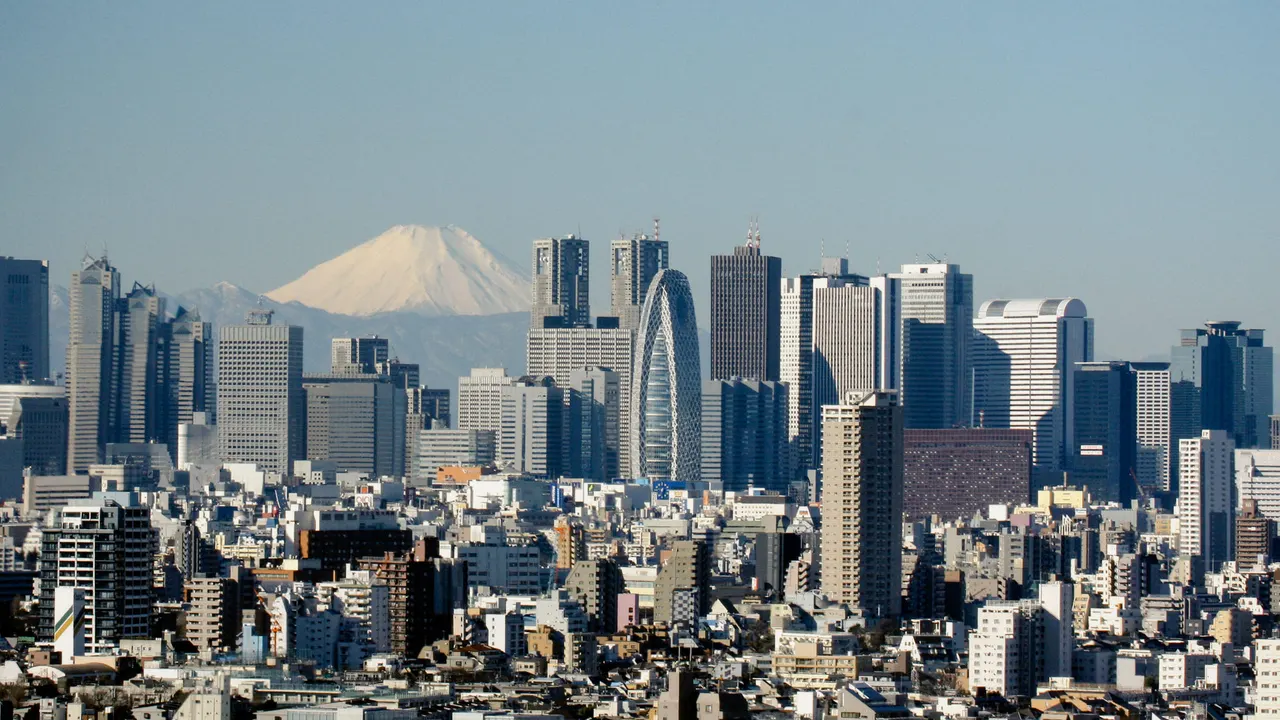
Tokyo is a rail-shaped metropolis where the JR Yamanote loop frames the old shogun centre, while Shinjuku, Shibuya, Ueno, Asakusa, Ginza, and Odaiba pull visitors into separate city-centres. The Sumida River, Tokyo Bay, and the former Edo castle grounds still organize the first-timer map even when the subway makes the city feel borderless.
Food & drink
Tokyo is one of the world's densest restaurant cities, with Edo-mae sushi, tempura, unagi, soba, ramen, tonkatsu, and Tsukishima monjayaki all tied to specific districts. Tsukiji Outer Market is the breakfast anchor, Ginza and Nihonbashi handle high-end sushi counters, Shinjuku and Ebisu cover izakaya nights, and the city has held more Michelin-starred restaurants than any other city in several guide years while still rewarding cheap station-counter meals.
Events & festivals
- Feb 3
Setsubun Festival at Senso-ji Temple
Traditional bean-throwing ceremony to drive away evil spirits and welcome good fortune, held at Tokyo's oldest temple.
Planning lead · dates set closer in · Source: festival research
- Feb 10 – Feb 28
Ume (Plum Blossom) Festival at Yushima Tenjin Shrine
Celebration of early blooming plum blossoms with tea ceremonies and traditional performances.
Planning lead · dates set closer in · Source: festival research
- Feb 28
Tokyo Marathon 2027
Annual marathon event attracting runners from around the world, running through central Tokyo landmarks.
Planning lead · dates set closer in · Source: festival research
Holidays & observances
- Feb 11Foundation DayPublic holiday
- Feb 23Emperor's BirthdayPublic holiday
Top sights
Ranked for February suitability using weather, setting, ratings, and review volume.
- 1Shibuya Crossing
- 2Imperial Palace East Gardens
- 3Tokyo Skytree & Sumida River
- 4Ginza & Tsukiji Outer Market
- 5Toyosu Market
- 6Meiji Jingu & Harajuku
- 7Ueno Park, Tokyo National Museum & Ameyoko
- 8Senso-ji & Nakamise-dori
- 9Akihabara Electric Town
- 10Odaiba & the Yurikamome
 1
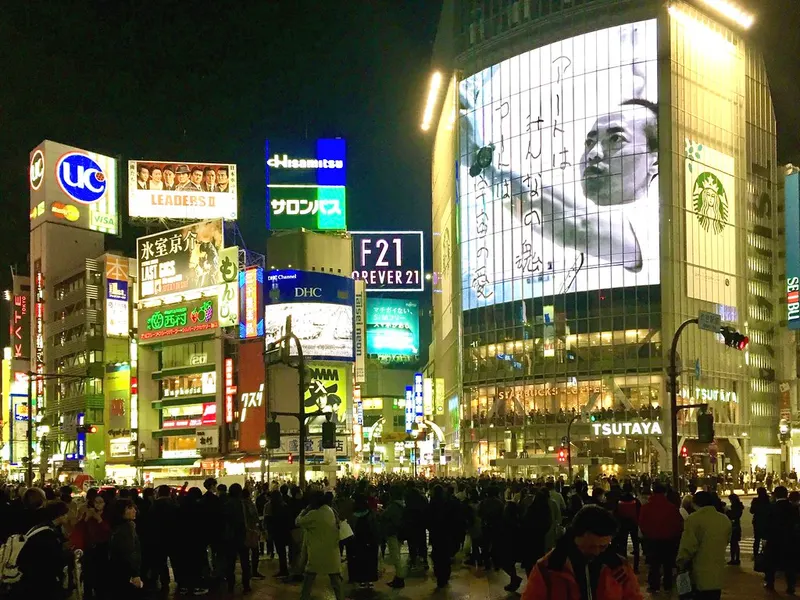
1Shibuya Crossing
4.5★ · 20,962outdoorThe scramble crossing outside Shibuya Station is a rail-node spectacle rather than a long sight. Pair it with Hachiko, Center-gai, Harajuku, or the Shibuya Sky side of the station.
Wikipedia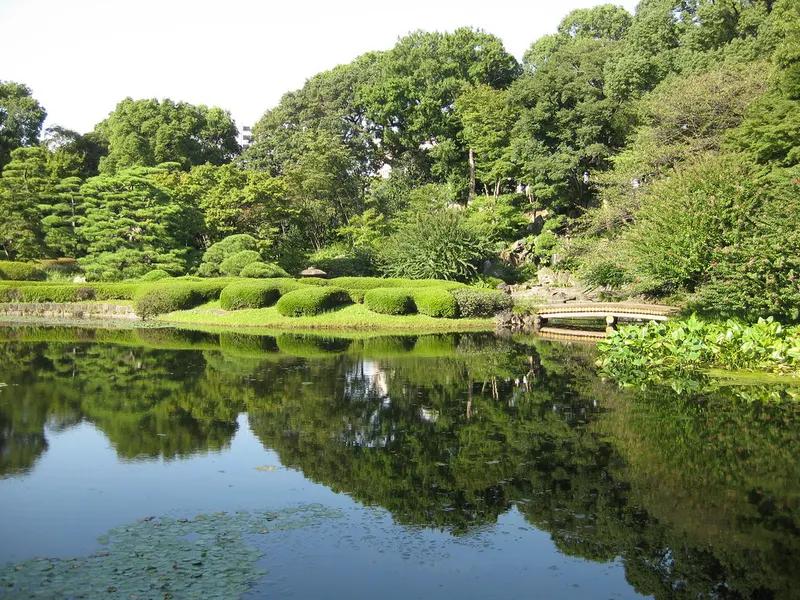 2
2Imperial Palace East Gardens
4.4★ · 9,958outdoorClosed Mon/FriThe former Edo Castle site sits in Chiyoda inside the Yamanote loop, with moats, stone walls, and garden paths near Tokyo Station. The main palace remains closed except for limited public occasions, so the East Gardens are the everyday visit.
Wikipedia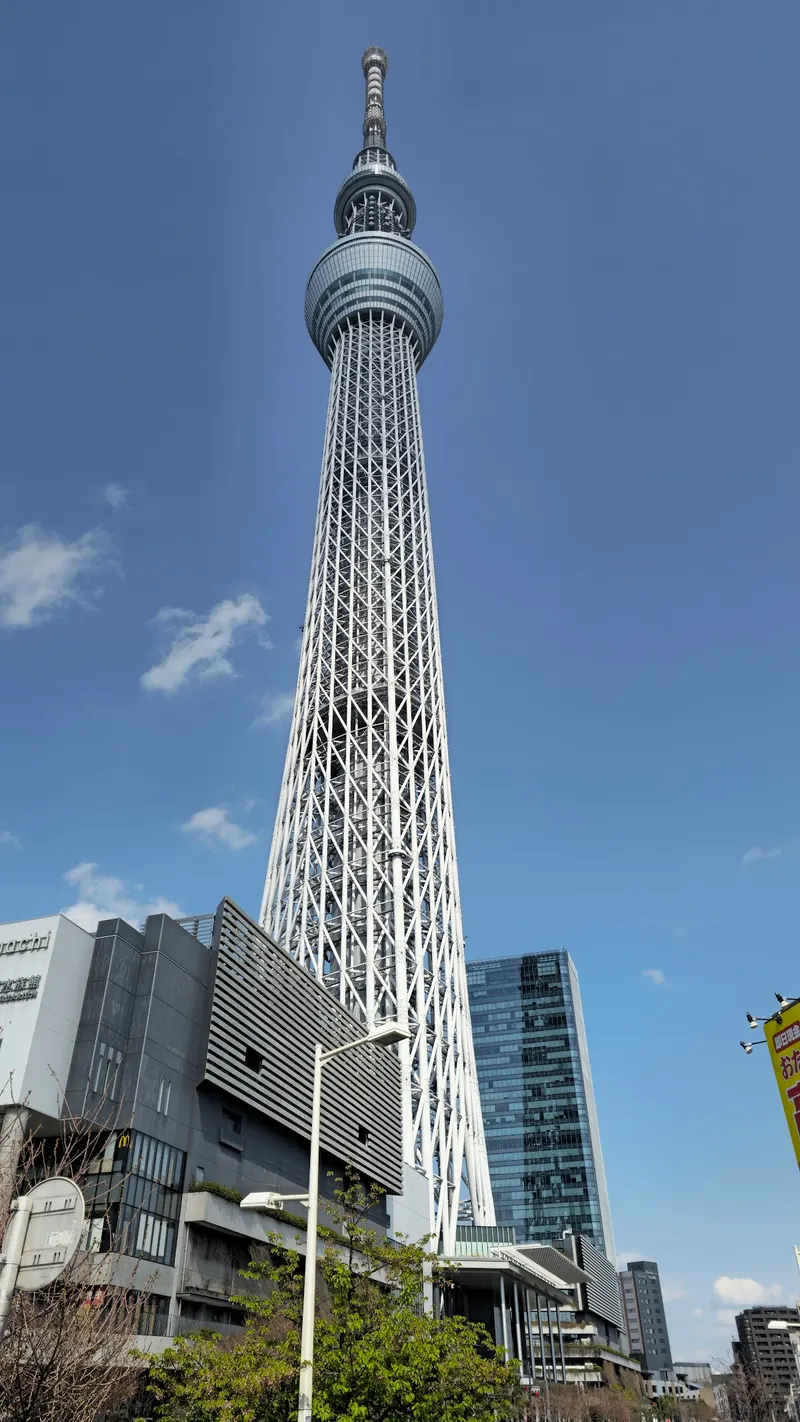 3
3Tokyo Skytree & Sumida River
4.4★ · 114,578outdoorOpen dailyThe 634-metre Skytree rises on the east side near Oshiage, giving the clearest aerial read of the Sumida River and central Tokyo spread. Combine it with Asakusa by walking or taking a short train hop.
Show 7 more sights
- 4Ginza & Tsukiji Outer Market
- 5Toyosu Market
- 6Meiji Jingu & Harajuku
- 7Ueno Park, Tokyo National Museum & Ameyoko
- 8Senso-ji & Nakamise-dori
- 9Akihabara Electric Town
- 10Odaiba & the Yurikamome
Neighborhoods
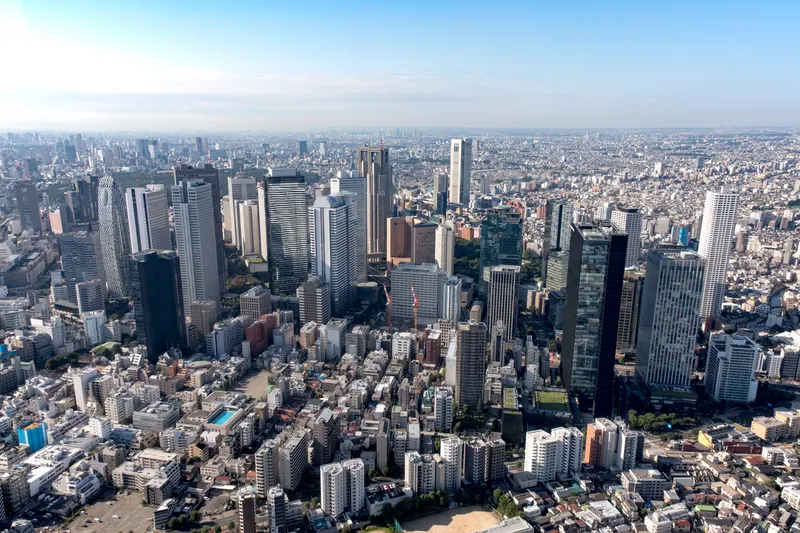 1
1Shinjuku
Shinjuku is a transport machine, nightlife district, and hotel base in one: the station, Tokyo Metropolitan Government towers, Kabukichō, Golden Gai, and department-store basements all stack together.
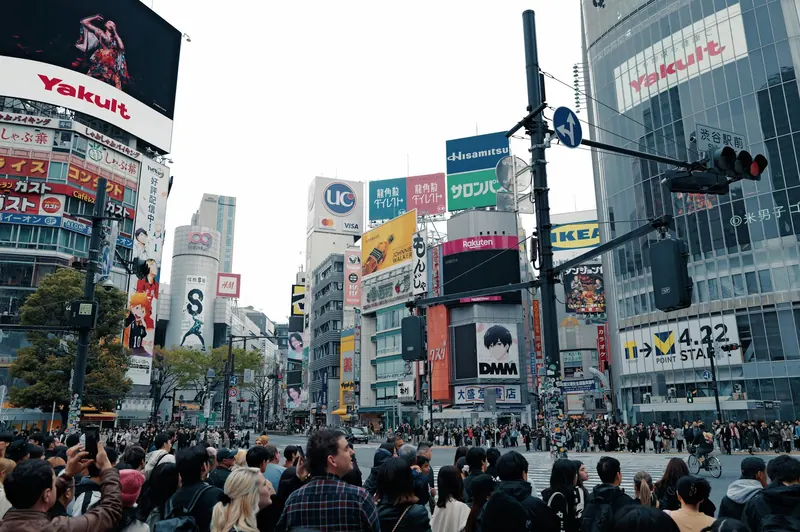 2
2Shibuya, Harajuku & Ebisu
This west-side belt is youth fashion, crossings, music shops, cafes, and shrine forest. Shibuya and Harajuku bring the crowds; Ebisu is the calmer dinner-and-bar release valve.
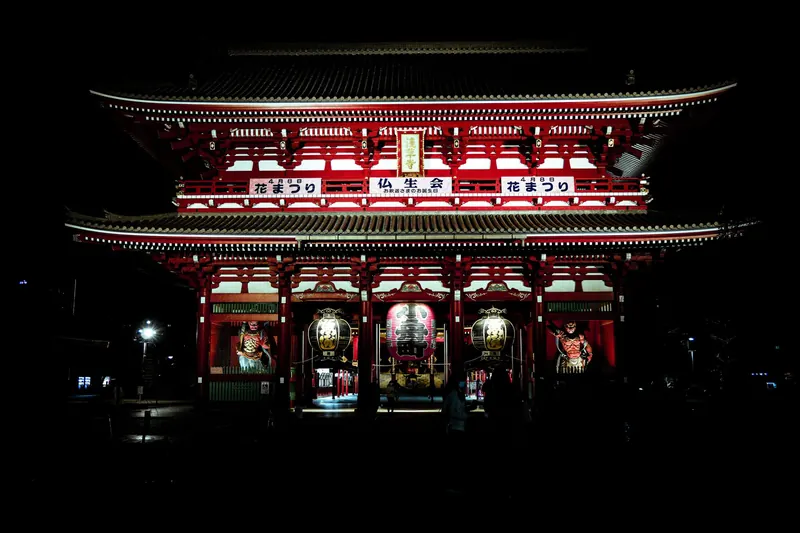 3
3Ueno, Asakusa & Taito
Taito keeps the old-town Tokyo feeling with Senso-ji, Ueno museums, Ameyoko, kitchenware streets, and Sumida River access. It is better for temples and markets than late-night skyscraper views.
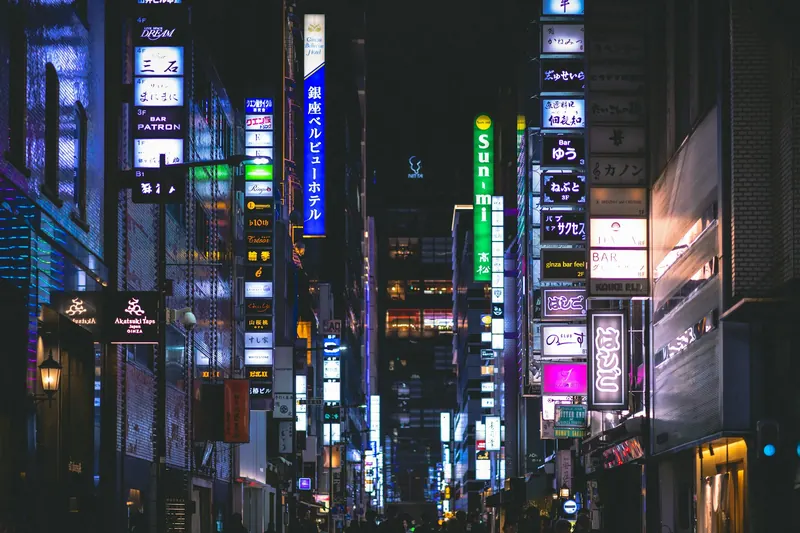 4
4Ginza, Nihonbashi & Tsukiji
Chuo is polished and expensive: Ginza stores, Kabuki-za, Nihonbashi department stores, and Tsukiji breakfasts sit on a gridded east-centre map.
 5
5Chiyoda, Marunouchi & Akihabara
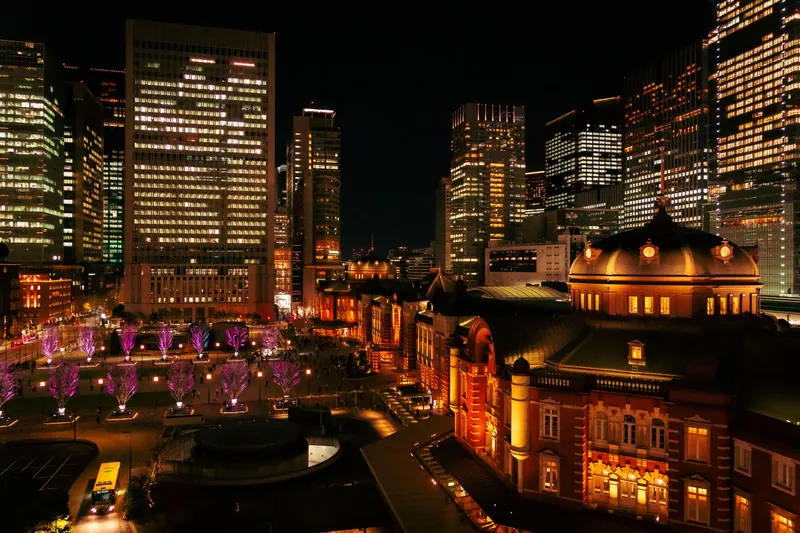
Chiyoda mixes the Imperial Palace, Tokyo Station, Marunouchi offices, Jimbocho bookshops, and Akihabara hobby retail. It is the business core with sudden specialist pockets.
 6
6Minato, Roppongi & Odaiba
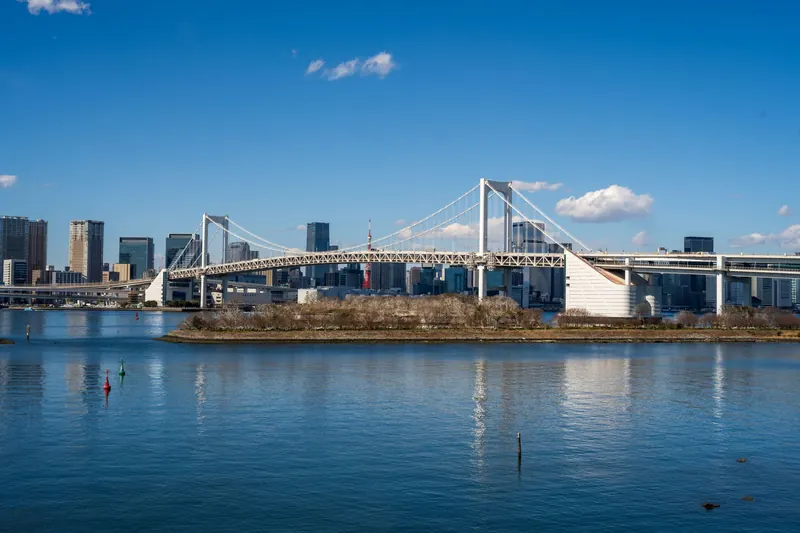
Minato covers embassies, Roppongi museums and nightlife, Tokyo Tower, Shiodome, and bayfront Odaiba. It is spread out, so rail-line choice matters more here than in Taito.
Getting around
Tokyo runs on JR, Tokyo Metro, Toei Subway, and private railways; Suica and PASMO IC cards remove fare math across almost all of them, while the Yamanote loop is the mental map for first-timers. Haneda is the closer airport, Narita is about 70km east, and subway fares in 2026 start around 180 yen with Tokyo Metro/Toei passes useful only on heavy subway-only days.
Seoul
Seoul in February
TempTemperature
42°F / 24°F
5.4°C / -4.4°C
RainPrecipitation
6d
0.9in · 21.6mm
LightDaylight
10.3h
Sea
34.5°F
1.4°C
February is still winter, with Lunar New Year closures and cold nights around Hongdae or Myeongdong.
City overview
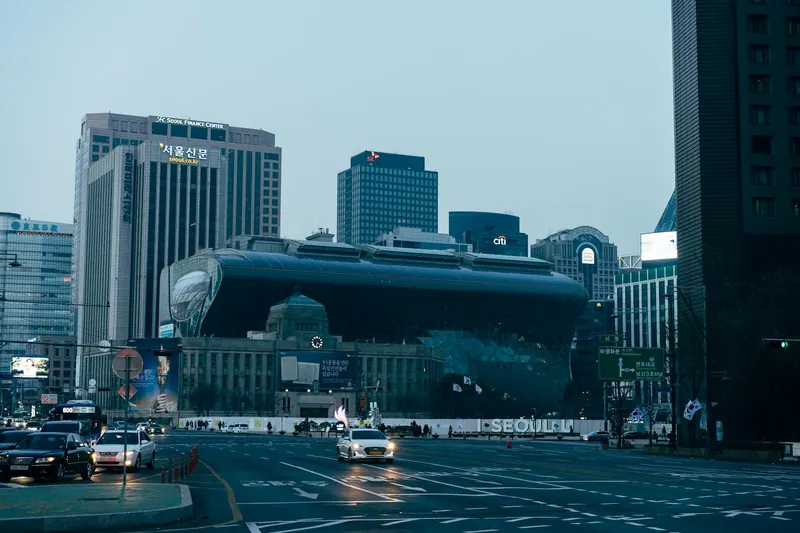
Seoul is a Han River capital split between Gangbuk, the Joseon-era north with palaces and markets, and Gangnam, the newer south with towers, malls, and business districts. The city has no single tourist centre: Jongno and Jung carry Gyeongbokgung, Bukchon, Myeongdong, Namdaemun, and Namsan, while Hongdae, Itaewon, Gangnam, and Songpa each behave like their own downtown.
Food & drink
Seoul is built around barbecue, soups, and late-night snacks: samgyeopsal, bulgogi, bibimbap, tteokbokki, Korean fried chicken, dakgalbi, bingsu, and gimbap all have easy first-trip versions. Myeongdong and Gwangjang Market are central snack anchors, Hongdae and Sinchon run late, Itaewon handles international food, and Michelin Bib Gourmand-style pricing sits beside expensive Gangnam tasting counters.
Holidays & observances
- Feb 7Korean New YearPublic holiday
Top sights
Ranked for February suitability using weather, setting, ratings, and review volume.
- 1Changdeokgung & Secret Garden
- 2Gyeongbokgung Palace
- 3Lotte World Tower & Seoul Sky
- 4Olympic Park
- 5Namsan Seoul Tower
- 6Cheonggyecheon Stream
- 7Bukchon Hanok Village & Insa-dong
- 8Myeongdong & Namdaemun Market
- 9Hongdae & Hongik University streets
- 10Jamsil Sports Complex
 1
1Changdeokgung & Secret Garden
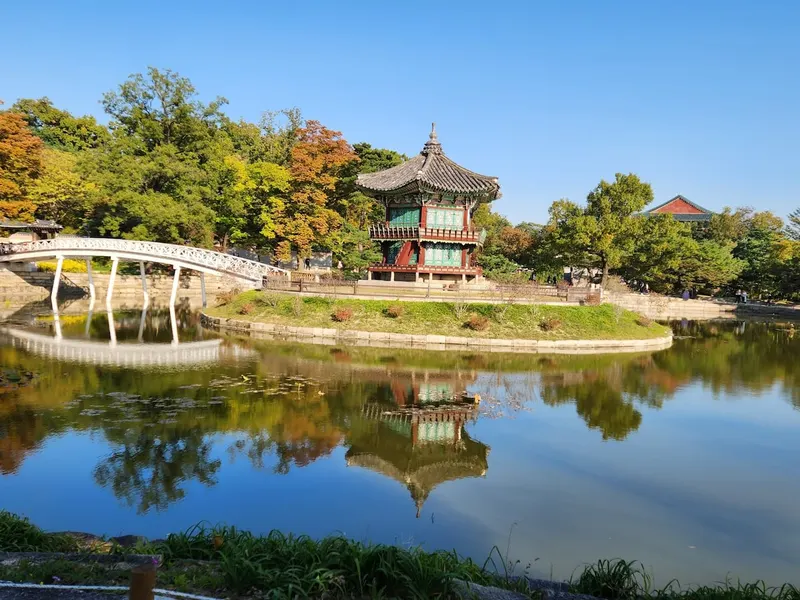
4.7★ · 1,975outdoorClosed MonChangdeokgung was the favored residential palace of the Joseon royal family and is Seoul's UNESCO-listed palace complex. The Secret Garden is the reason to choose it when time is limited.
Secret Garden entry is capacity-controlled and tied to timed tours.
 2
2Gyeongbokgung Palace
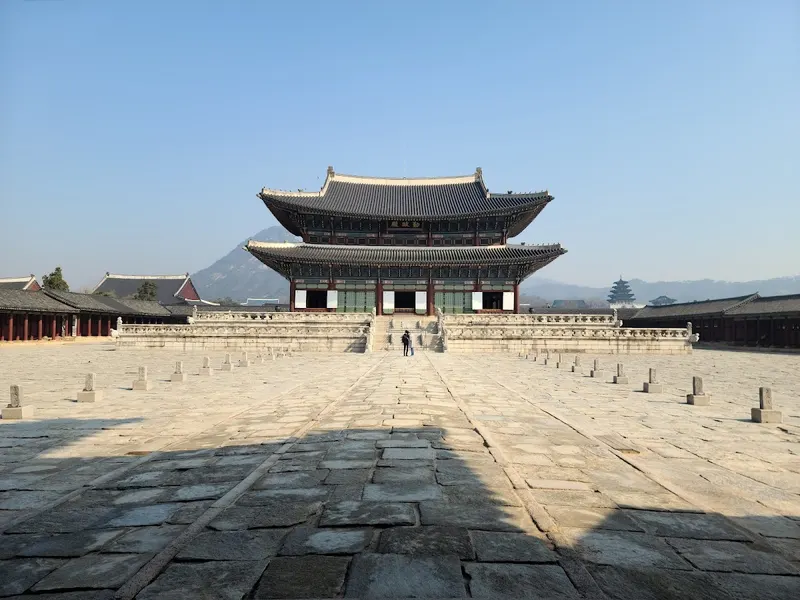
4.6★ · 46,237outdoorClosed TueThe main Joseon palace was built in 1395, damaged during the 1592-1598 invasions, reconstructed in 1876, and heavily altered during the 1910-1945 Japanese occupation. It stands on Sejongno in Jongno, with Gwanghwamun and the palace museums shaping the ceremonial axis.
WikipediaClosed Tuesdays; English tours usually run at set daytime slots, and limited night openings require online reservations.
- 3
Lotte World Tower & Seoul Sky
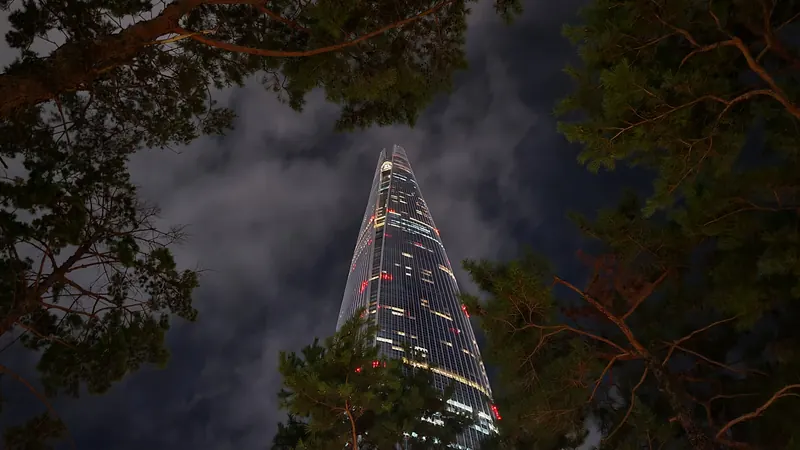
4.6★ · 6,256outdoorOpen dailyThe 555.7-metre, 123-story tower opened in 2017 in Songpa and is South Korea's tallest building. Check the weather before paying for Seoul Sky because haze and rain flatten the view.
Show 7 more sights
- 4Olympic Park
- 5Namsan Seoul Tower
- 6Cheonggyecheon Stream
- 7Bukchon Hanok Village & Insa-dong
- 8Myeongdong & Namdaemun Market
- 9Hongdae & Hongik University streets
- 10Jamsil Sports Complex
Neighborhoods
 1
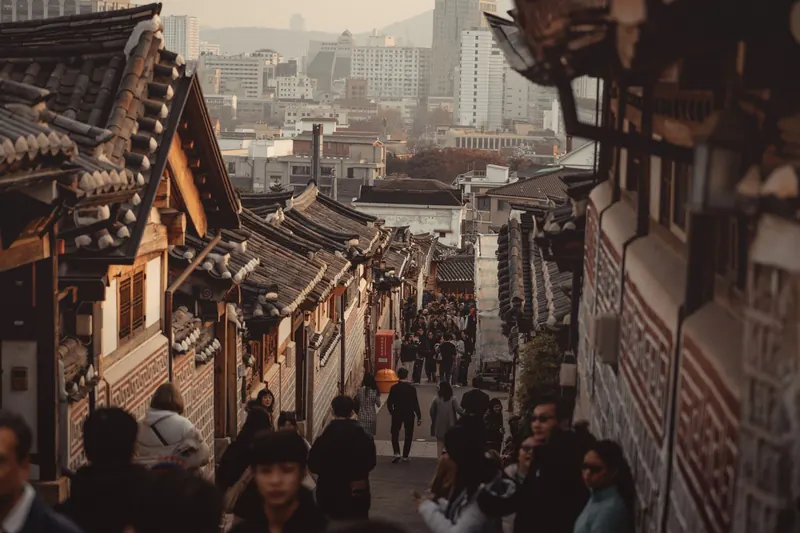
1Jongno
Jongno is the Joseon core, with Gyeongbokgung, Changdeokgung, Bukchon, Insa-dong, Gwanghwamun, and Cheonggyecheon arranged for heavy walking days.
 2
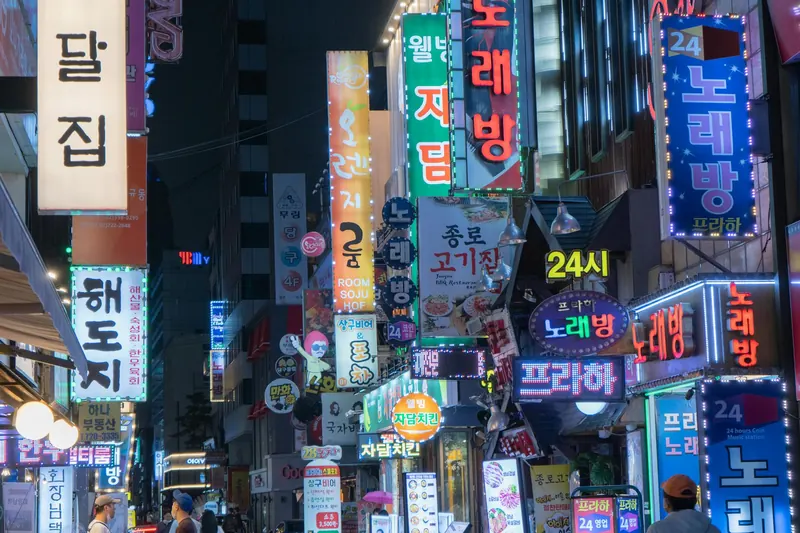
2Jung, Myeongdong & Namsan
Jung mixes Seoul Station, Myeongdong shopping, Namdaemun Market, Deoksugung, and Namsan. It is convenient but crowded, especially at street-food and cosmetics hours.
 3
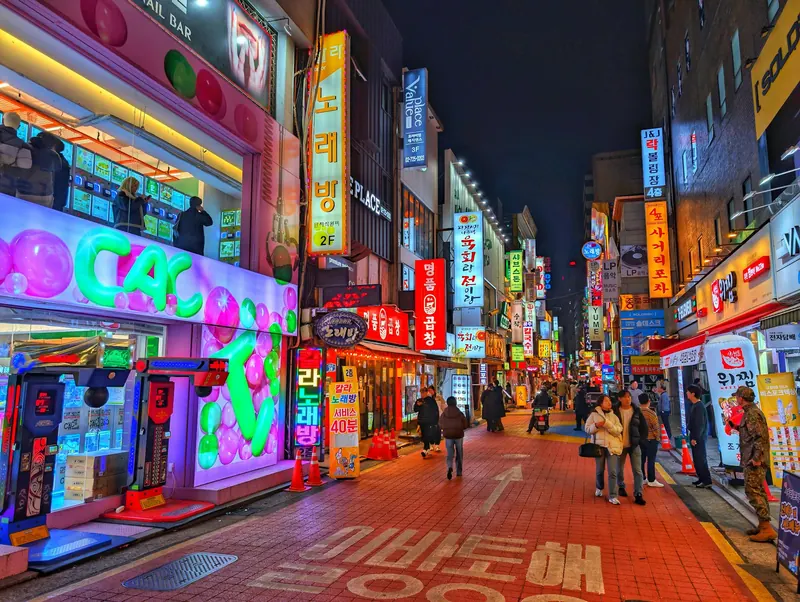
3Seodaemun, Mapo & Hongdae
Mapo and Seodaemun are university-driven, with Hongdae, Sinchon, Hapjeong, indie music venues, clubs, cafes, and World Cup Stadium on the western map.
 4
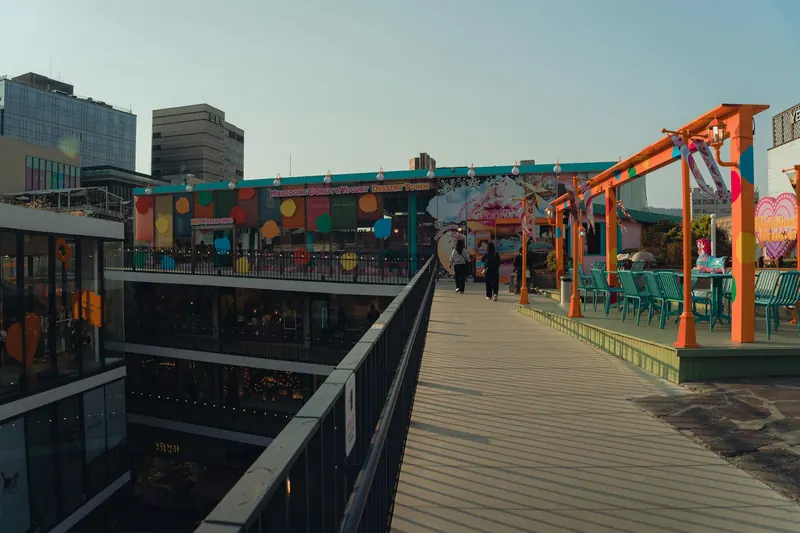
4Yongsan & Itaewon
Yongsan gives international restaurants, Itaewon bars, Leeum Museum, and easy jumps to Namsan or the Han River. It is the city's clearest foreign-food and nightlife pocket.
 5
5Gangnam & Seocho
Gangnam and Seocho are the high-rise south: COEX Mall, business hotels, clinics, clubs, and broad boulevards. Distances look short on maps but subway exits and crossings add time.
 6
6Songpa & Jamsil
Songpa is the family-entertainment and sports district, with Lotte World, Lotte World Tower, Seokchon Lake, Olympic Park, and Jamsil Sports Complex clustered east of Gangnam.
Getting around
Seoul Subway lines cover nearly every visitor district, and T-money cards work across subway, buses, taxis, and convenience stores. AREX links Incheon Airport to Hongdae and Seoul Station in about an hour, while palace-core days are fastest by walking between Gwanghwamun, Bukchon, Insa-dong, and Cheonggyecheon rather than re-entering the subway for one stop.
Planning the Japan & Korea route?
Add your dates and we'll pace all 2 cities — every place checked for closures, limited hours, and booking needs in February.
Weather by month for the Japan & Korea trip
In February, climate averages for Tokyo and Seoul show daytime highs from 5°C / 41°F to 11°C / 52°F, with nights down to about -4°C / 25°F in the coolest of those cities. The rainiest of those cities averages about 6 rainy days. Based on climate averages for Tokyo and Seoul, February is one of the less comfortable months by weather.
The most comfortable months for this route are October, April and May, based on average daytime temperatures and rainfall in Tokyo and Seoul. February 2027 is a lower-comfort month.
Common questions about the Japan & Korea trip
- When is the best time to do the Japan & Korea trip?
- The most comfortable months across Tokyo and Seoul are October, April and May, based on average daytime temperatures and rainfall for those cities. February is one of the less comfortable months by weather — see the city climate sections below for the averages in February 2027.
- How many days do you need for the Japan & Korea trip?
- A comfortable Japan & Korea trip runs about 7–9 days, allowing roughly Tokyo 4, Seoul 3 nights plus travel between stops. Add a day if you want a slower pace or extra day trips.
- What's the route for the Japan & Korea trip?
- The classic order is Tokyo & Seoul. The detailed month sections below cover Tokyo and Seoul.
Ready to plan the Japan & Korea trip?
Turn this route into a day-by-day plan for February 2027, every stop checked for closures and booking needs on your exact dates.