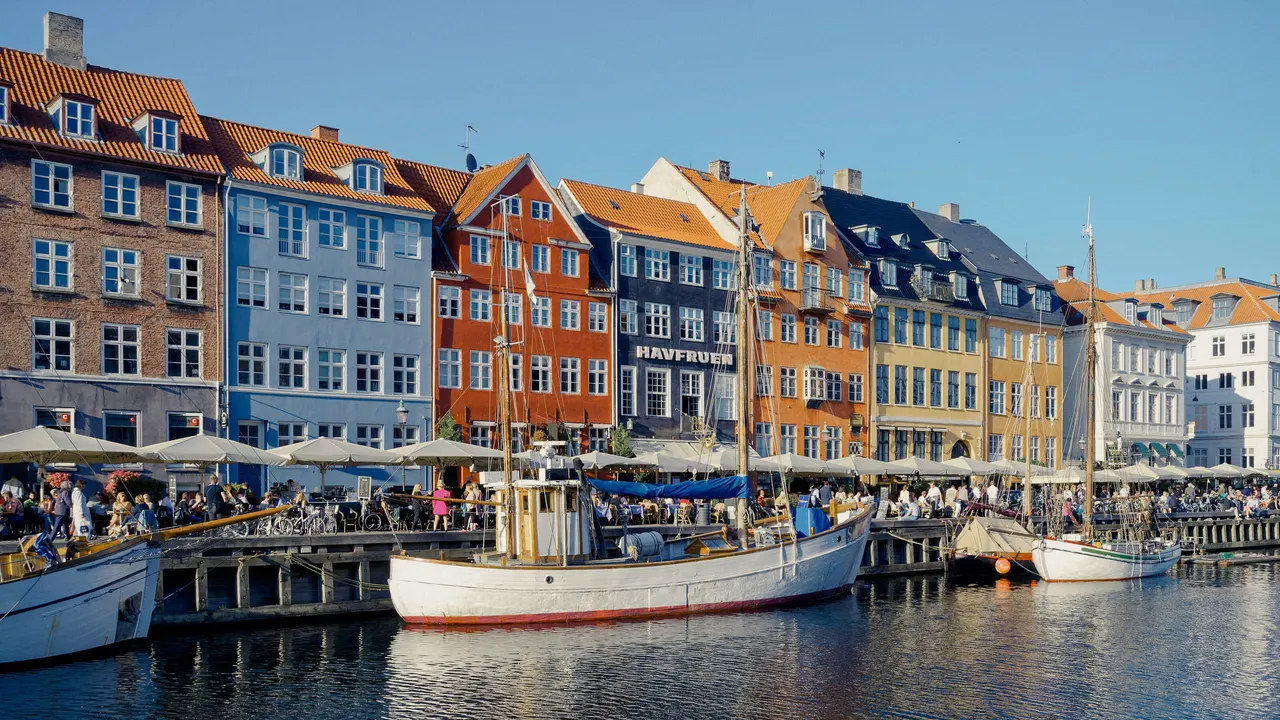
Scandinavia itinerary — February 2027
For the Scandinavia trip (Copenhagen, Stockholm & Oslo), February 2027 is one of the less comfortable months by weather. Across Copenhagen, Stockholm and Oslo, daytime highs run from about 1°C / 34°F to 4°C / 39°F. Plan around 8–10 days for the full Copenhagen, Stockholm & Oslo loop.
In this order — about 8–10 days:
- Copenhagen3 nightsDenmark
- Stockholm3 nightsSweden
- Oslo2 nightsNorway
- Route noteReserve the longest intercity leg first and keep transfer days free of timed sights.
By TripSapien · Updated August 24, 2026
Copenhagen
Copenhagen in February
TempTemperature
39°F / 30°F
3.7°C / -0.9°C
RainPrecipitation
9d
1.6in · 40mm
LightDaylight
9.3h
Sea
35.4°F
1.9°C
February stays wintry, with windproof layers needed for Kastellet, the Little Mermaid, and harbor paths.
City overview
Copenhagen is a compact waterfront capital built around canals, bike lanes, and distinct neighborhoods. Start in Indre By for royal sights and shopping, cross to Christianshavn for canals and the Opera House, then head to Vesterbro or Nørrebro for restaurants and nightlife. Østerbro and Amager are better for parks, beaches, and quieter days.
Food & drink
Start with smørrebrød, a cardamom bun, and a pølsevogn hot dog; book New Nordic restaurants well ahead. Torvehallerne works for an easy lunch, Reffen for casual waterfront food, and Kødbyen or Nørrebro for dinner and bars.
Events & festivals
- Feb 1 – Feb 14
Copenhagen Fashion Week
A biannual event showcasing the latest in Scandinavian and international fashion, featuring over 1,000 exhibitors and attracting more than 50,000 visitors.
Planning lead · dates set closer in · Source: festival research
- Feb 1
Foredrag med Frank Arnesen & Søren Lerby: De gode historier
Arts & Theatre · Theatre.
Source: Ticketmaster
- Feb 4
- Feb 5 – Feb 6
- Feb 5
- Feb 7
Show all 25 events for February
- Feb 9
- Feb 11 – Feb 28
- Feb 12
- Feb 12
- Feb 12
- Feb 13
- Feb 16
- Feb 17
- Feb 17
- Feb 18
- Feb 19
- Feb 20
- Feb 21
- Feb 21
- Feb 24
- Feb 24
- Feb 25 – Feb 27
- Feb 27
- Feb 28
Top sights
Ranked for February suitability using weather, setting, ratings, and review volume.
- 1Nyhavn
- 2Rosenborg Castle and King's Garden
- 3Christiansborg Palace
- 4Church of Our Saviour
- 5Ny Carlsberg Glyptotek
- 6The Little Mermaid and Kastellet
- 7Tivoli Gardens
- 8Amalienborg
- 9National Museum of Denmark
- 10Round Tower
 1
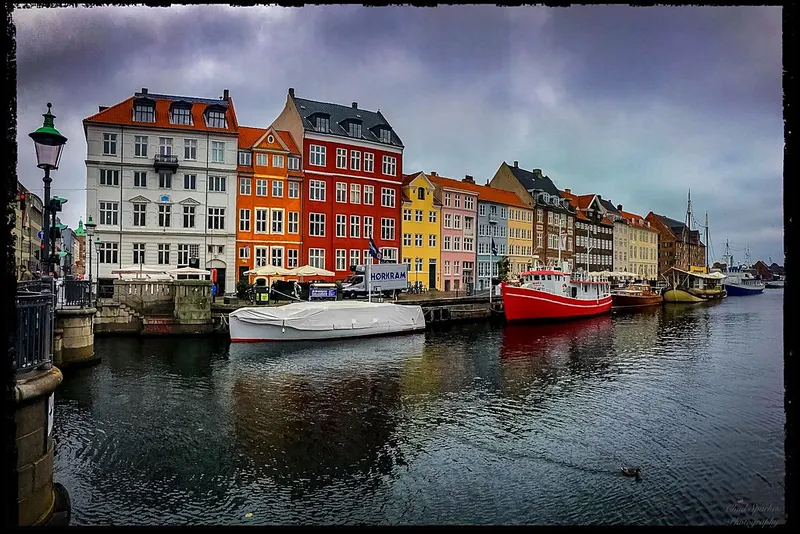
1Nyhavn
4.7★ · 8,261outdoorNyhavn is the colorful 17th-century harbor lined with wooden ships, restaurants, and canal-tour boats. The restaurants are tourist-priced, but walking the quay is free and especially pleasant in the evening.
Wikipedia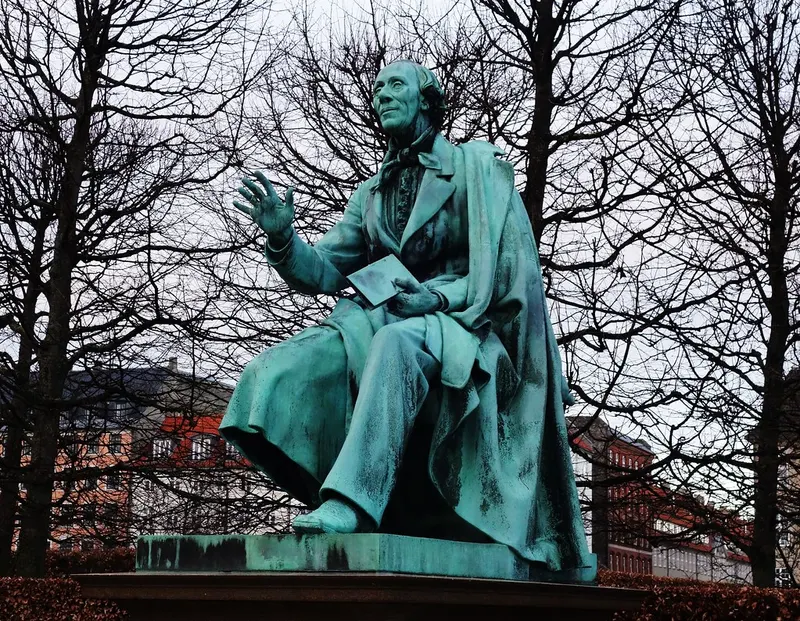 2
2Rosenborg Castle and King's Garden
4.6★ · 13,482outdoorOpen dailyChristian IV built Rosenborg as a Renaissance pleasure palace, and the castle now displays royal collections and crown jewels. The surrounding King's Garden gives a central park break near Norreport and the Botanical Garden.
 3
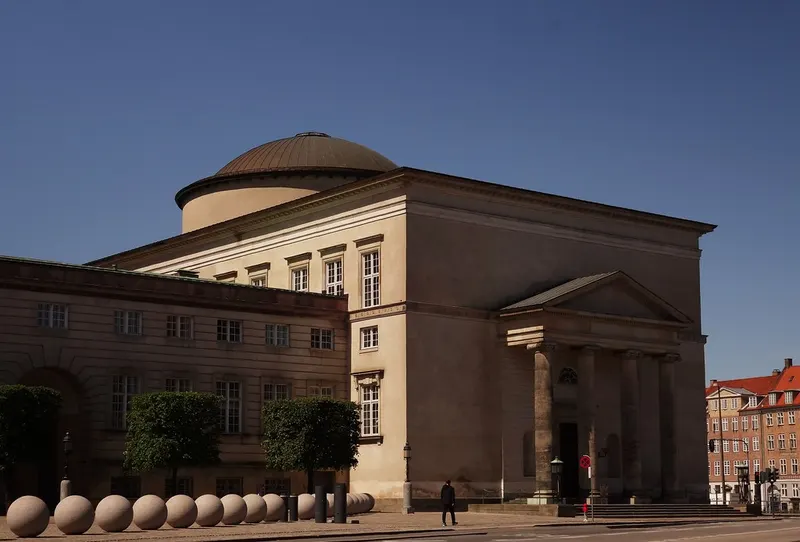
3Christiansborg Palace
4.6★ · 21,846indoorOpen dailyChristiansborg on Slotsholmen houses Denmark's parliament, royal reception rooms, stables, and the remains of older castles. Visit the tower for a free central-city view.
Wikipedia
Show 7 more sights
- 4Church of Our Saviour
- 5Ny Carlsberg Glyptotek
- 6The Little Mermaid and Kastellet
- 7Tivoli Gardens
- 8Amalienborg
- 9National Museum of Denmark
- 10Round Tower
Neighborhoods
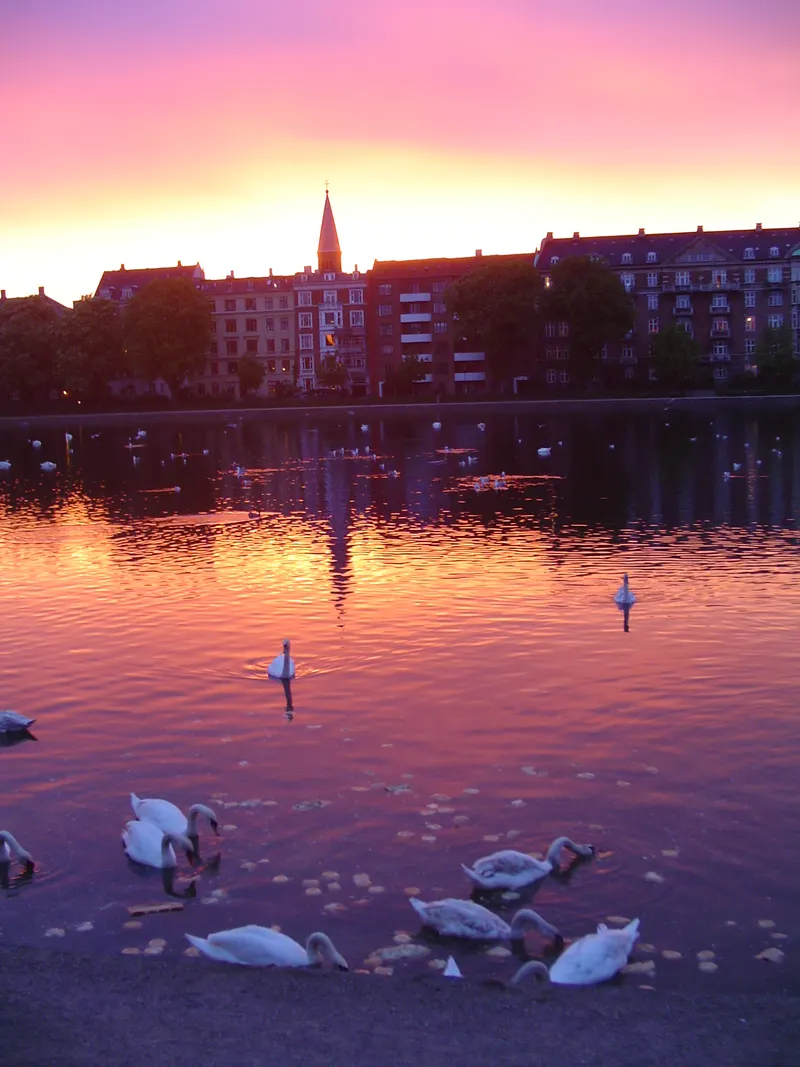 1
1Indre By
Indre By is the historic center, with Strøget, the Round Tower, Rosenborg, Christiansborg, Nyhavn, and Copenhagen’s busiest shopping streets.
 2
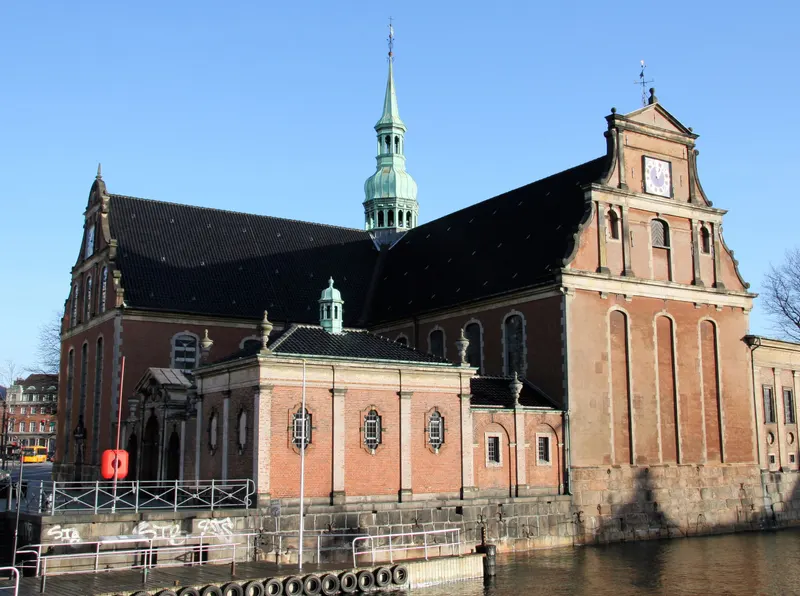
2Christianshavn and Holmen
Christianshavn and Holmen mix canals, the Church of Our Saviour, Christiania, houseboats, the Opera House, old naval buildings, and harbor paths.
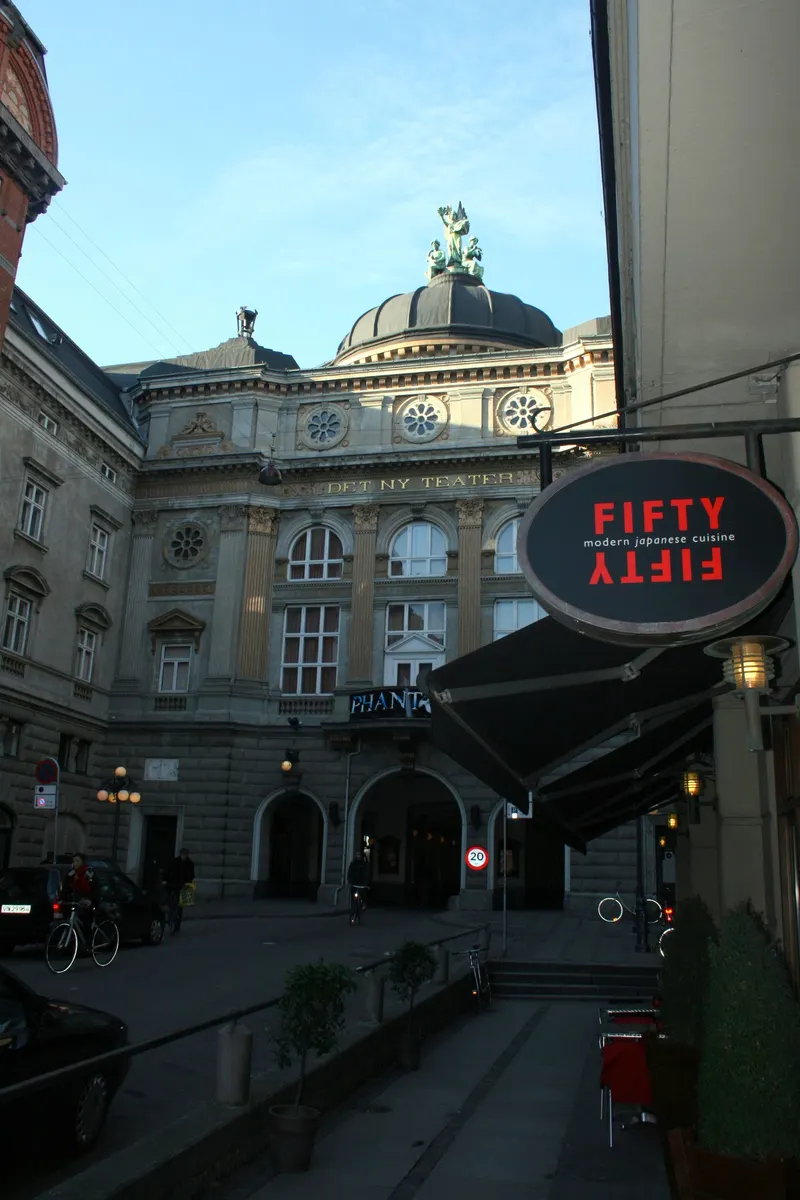 3
3Vesterbro and Kødbyen
Vesterbro and Kødbyen sit west of Central Station with Istedgade, meatpacking-district restaurants, bars, design shops, Tivoli access, and late evenings.
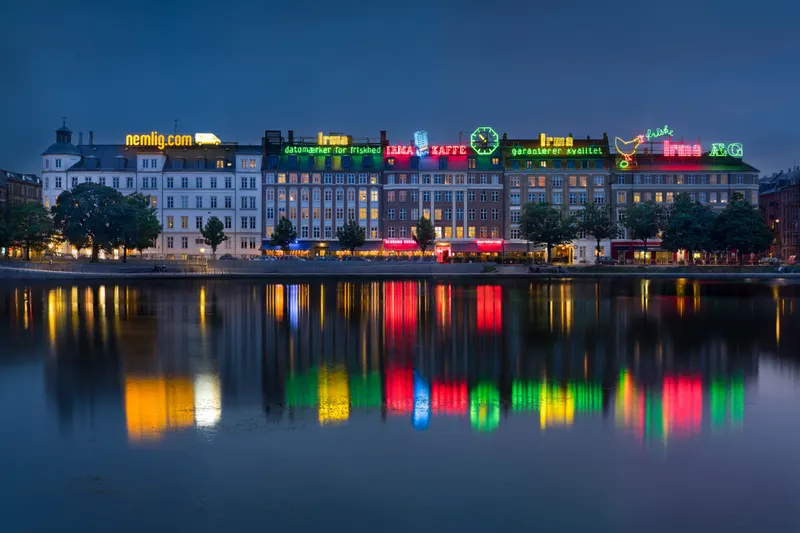 4
4Nørrebro
Nørrebro is a lively, multicultural neighborhood known for Jægersborggade, Assistens Cemetery, casual restaurants, bars, and busy bike streets.
 5
5Frederiksberg
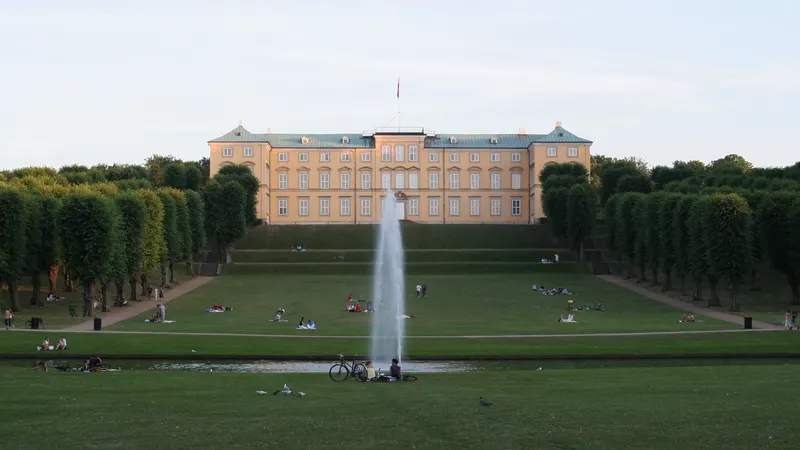
Frederiksberg is a separate municipality inside the city, with Frederiksberg Gardens, the zoo, castle grounds, upscale streets, and calmer cafes.
 6
6Østerbro and Nordhavn
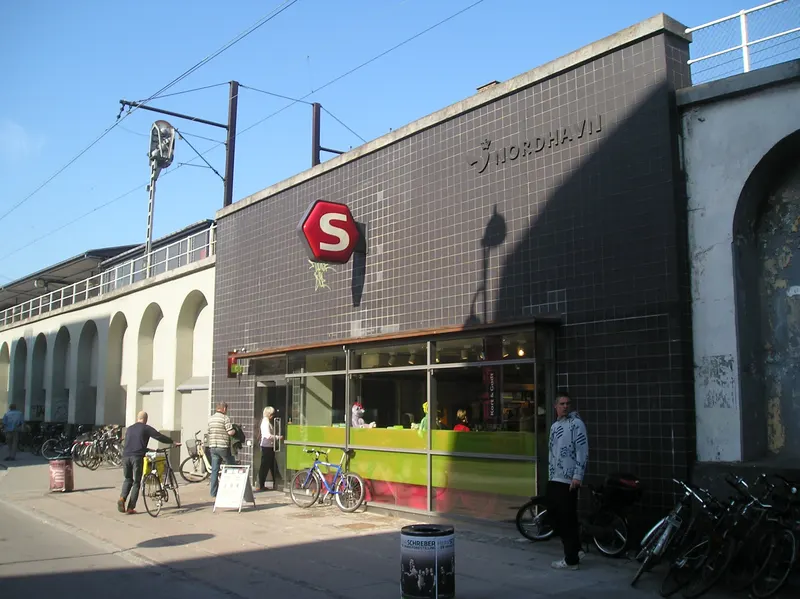
Østerbro and Nordhavn combine family-friendly streets, Fælledparken, harbor baths, modern architecture, and easy access to Kastellet and the Little Mermaid.
Getting around
DOT tickets and City Passes cover the Metro, S-trains, buses, harbor buses, and regional trains. The M3 City Circle connects the center, the M2 runs to the airport, and bikes are often fastest for short trips. Central Station, Nørreport, and Kongens Nytorv are the main transfer points.
Stockholm
Stockholm in February
TempTemperature
34°F / 23°F
1.3°C / -5.1°C
RainPrecipitation
6d
1.2in · 30mm
LightDaylight
8.9h
Sea
31.5°F
-0.3°C
February stays wintry and brightens slowly, with icy sidewalks around Gamla Stan and Djurgården.
City overview
Stockholm is the Swedish capital spread over 14 islands where Lake Mälaren meets the Baltic, so bridges, ferries, metro art, and waterfront walks are part of the city rather than side trips. Gamla Stan, Norrmalm, Södermalm, Östermalm, Djurgården, and Vasastan give the city its range from medieval lanes to design shops, museums, food halls, and long Nordic light.
Food & drink
Stockholm food is fika, seafood, and husmanskost: meatballs come with lingonberries and potatoes, gravlax cures salmon with dill, pickled herring anchors smorgasbord tables, toast Skagen piles shrimp salad onto toast, and Jansson's temptation bakes potatoes with sprats or anchovy-style fish. Östermalms Saluhall, Hötorgshallen, Södermalm bakeries, Gamla Stan cellars, and waterfront Djurgården cafes add cardamom buns, princess cake, and strong coffee for fika.
Events & festivals
- Feb 17
- Feb 19
- Feb 20
- Feb 22
- Feb 26
- Feb 28
Top sights
Ranked for February suitability using weather, setting, ratings, and review volume.
- 1Stockholm City Hall
- 2Vasa Museum
- 3Royal Palace
- 4Skansen
- 5ABBA The Museum
- 6Stockholm Public Library
- 7Fotografiska
- 8Moderna Museet
- 9Nobel Prize Museum
- 10Gamla Stan
 1
1Stockholm City Hall
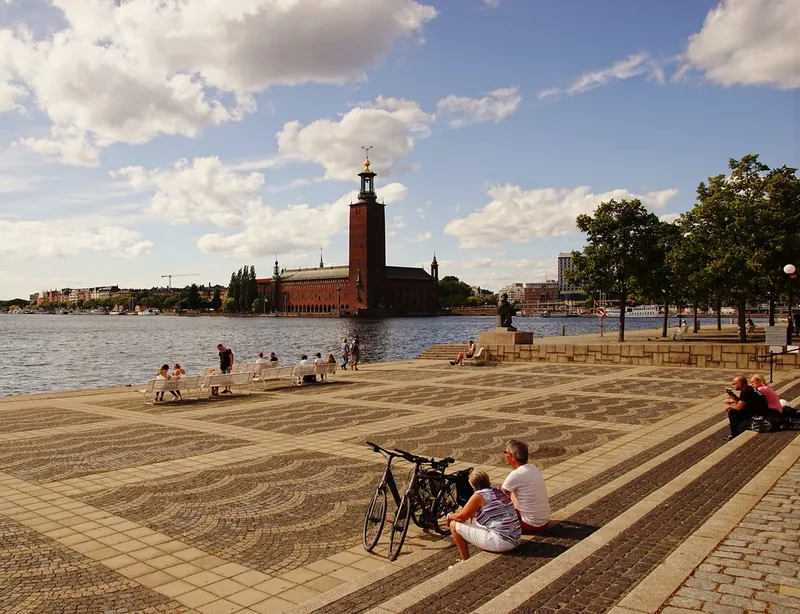
4.7★ · 4,054outdoorOpen dailyRagnar Ostberg built City Hall from 1911 to 1923 with a brick tower, Blue Hall, Golden Hall mosaics, and waterfront courtyards. Nobel Prize banquet ceremonies make it one of the city's most symbolic buildings.
Wikipedia 2
2Vasa Museum
4.8★ · 67,564indoorOpen dailyThe warship Vasa sank on its maiden voyage in 1628, was raised in 1961, and now fills a purpose-built museum that opened in 1990. The preserved ship, carved stern, recovery story, and maritime exhibits sit on Djurgården.
WikipediaReserve extra time because the ship gallery is larger and darker than a normal museum visit.
 3
3Royal Palace
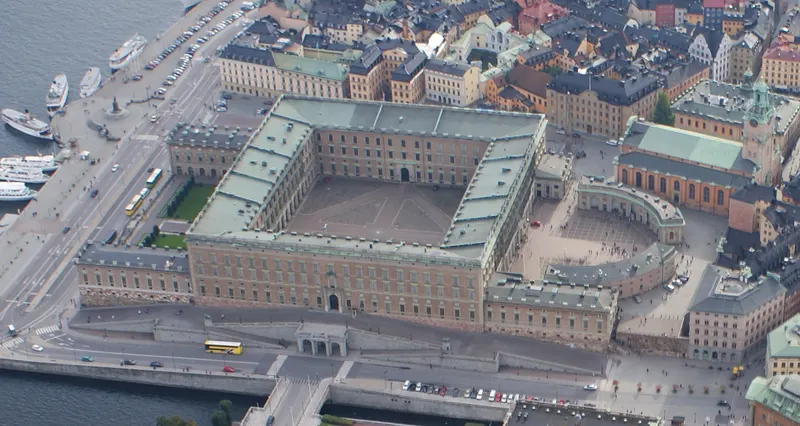
4.5★ · 44,175indoorOpen dailyThe present palace was built after the 1697 Tre Kronor fire and completed in the 18th century under Nicodemus Tessin the Younger's Baroque plan. State Apartments, the Treasury, Royal Armoury, and changing guards sit at the north edge of Gamla Stan.
Wikipedia
Show 7 more sights
- 4Skansen
- 5ABBA The Museum
- 6Stockholm Public Library
- 7Fotografiska
- 8Moderna Museet
- 9Nobel Prize Museum
- 10Gamla Stan
Neighborhoods
 1
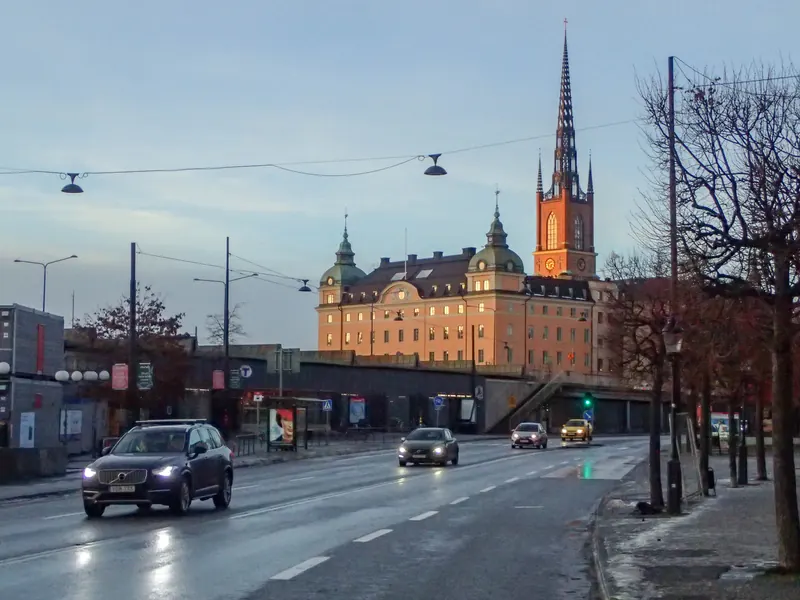
1Gamla Stan and Riddarholmen
The old town is tight and historic, with Stortorget, Royal Palace, churches, cellar restaurants, souvenir lanes, and waterfront edges.
 2
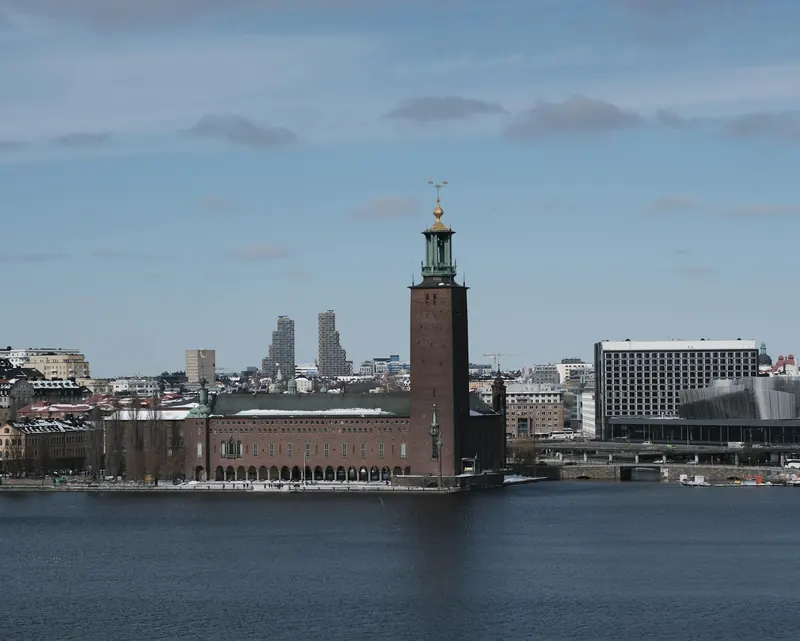
2Norrmalm and City
Norrmalm is central and commercial, with Sergels torg, Stockholm Central, Drottninggatan, Kulturhuset, department stores, and quick transit links.
 3
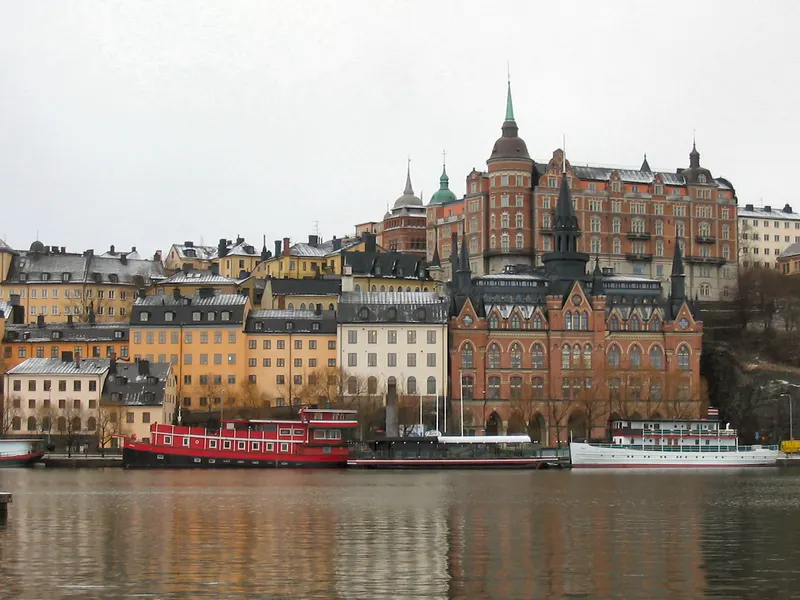
3Södermalm
Södermalm is creative and hilly, with SoFo shops, Fotografiska, Monteliusvagen views, bars, vintage stores, and Slussen construction routes.
 4
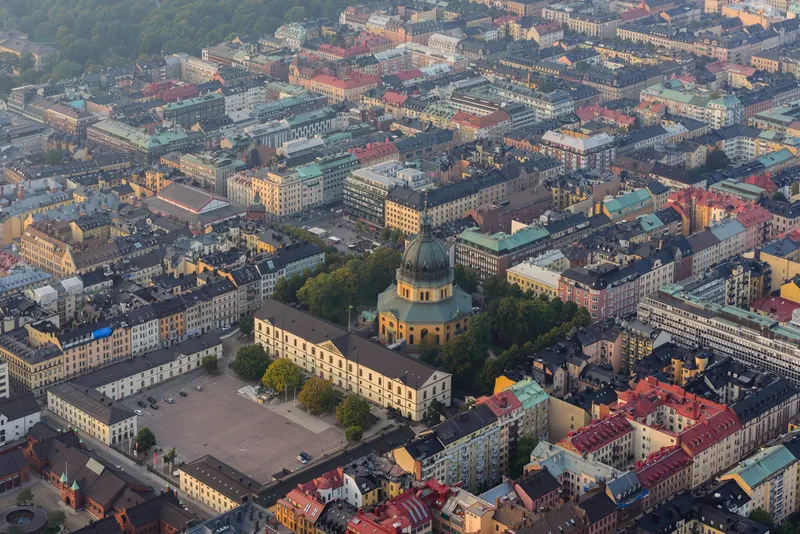
4Östermalm
Östermalm is refined and food-focused, with Strandvagen, Östermalms Saluhall, design stores, embassies, and access toward Djurgården.
 5
5Djurgården
Djurgården is museum-heavy and green, with Vasa, Skansen, ABBA, Gröna Lund, Nordiska museet, park paths, and ferry docks.
 6
6Vasastan and Kungsholmen
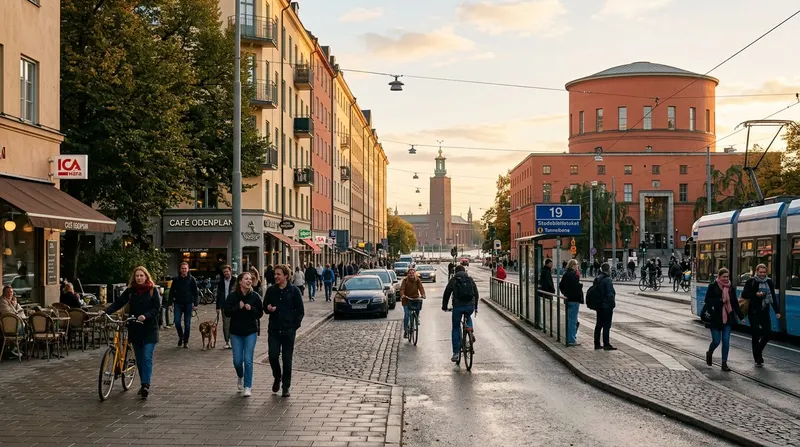
These residential districts are calmer, with Odenplan, Stockholm Public Library, cafes, parks, City Hall, Norr Mälarstrand, and local dinner spots.
Getting around
SL runs metro, commuter rail, trams, buses, and local ferries with contactless payment, app tickets, and travelcards. The metro is fastest across the city, while ferries and walking are often better for Gamla Stan, Djurgården, Skeppsholmen, and waterfront routes.
Oslo
Oslo in February
TempTemperature
34°F / 24°F
1.1°C / -4.7°C
RainPrecipitation
8d
1.8in · 45mm
LightDaylight
8.8h
February stays wintry, strong for ski culture and indoor museum clusters on Bygdøy.
City overview
Oslo is a fjord-and-forest capital where waterfront architecture, royal avenues, sculpture parks, and museum peninsulas sit minutes from metro lines into the hills. Bjørvika and Aker Brygge show the new harbor city, Grünerløkka and Tøyen carry the cafe and immigrant layers, and Bygdøy turns a short ferry ride into a concentration of polar, maritime, and folk museums.
Food & drink
Oslo food ranges from fiskesuppe, cured salmon, shrimp, reindeer, brunost, waffles, open-faced sandwiches, and cardamom buns to immigrant kitchens in Grønland. Mathallen, Vippa, Aker Brygge seafood spots, and Grønland restaurants make the city easier to eat without overspending.
Events & festivals
- Feb 5
- Feb 6
- Feb 7
- Feb 10
- Feb 12
- Feb 13
Show all 13 events for February
- Feb 14
- Feb 18 – Feb 20
by:Larm 2027
Norway's largest music festival and conference focusing on emerging Nordic artists, featuring concerts across various venues in downtown Oslo.
Planning lead · dates set closer in · Source: festival research
- Feb 19
- Feb 20
- Feb 22
- Feb 24
- Feb 25
Top sights
Ranked for February suitability using weather, setting, ratings, and review volume.
- 1Akershus Fortress
- 2Vigeland Park
- 3Oslo Opera House
- 4Fram Museum
- 5Norwegian Museum of Cultural History
- 6Kon-Tiki Museum
- 7National Museum
- 8Holmenkollen Ski Museum and Tower
- 9MUNCH
- 10Astrup Fearnley Museum
 1
1Akershus Fortress
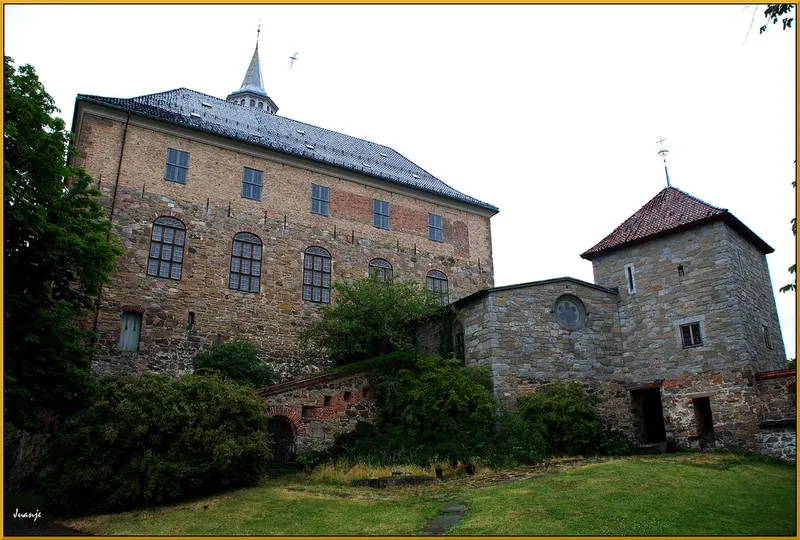
4.5★ · 17,612outdoorOpen dailyKing Håkon V began the fortress around 1299 to defend Oslo’s harbor, and later kings adapted it into a Renaissance castle and military complex. The ramparts overlook Aker Brygge, City Hall, and the fjord.
Wikipedia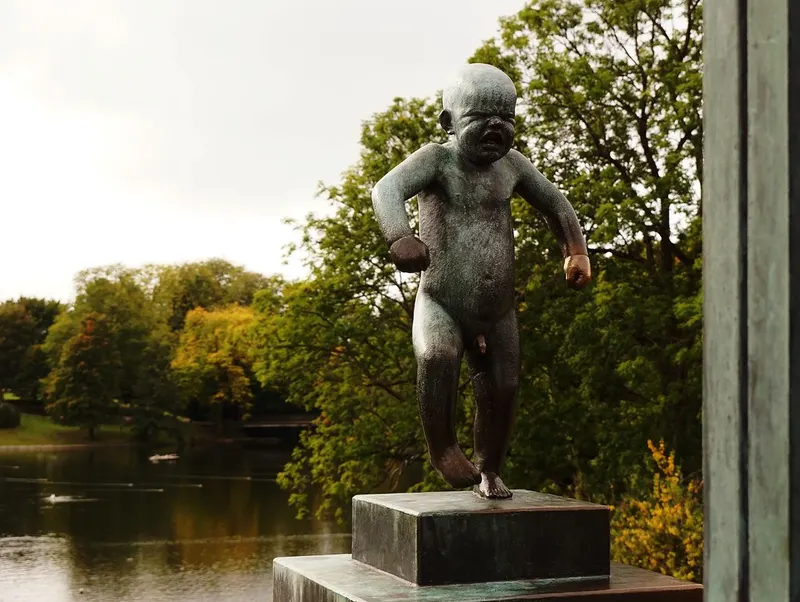 2
2Vigeland Park
4.7★ · 24,014mixedOpen dailyGustav Vigeland designed more than 200 sculptures for the park between the 1920s and 1940s, including the Monolith and the Angry Boy. The sculpture axis sits inside Frogner Park west of the center.
Wikipedia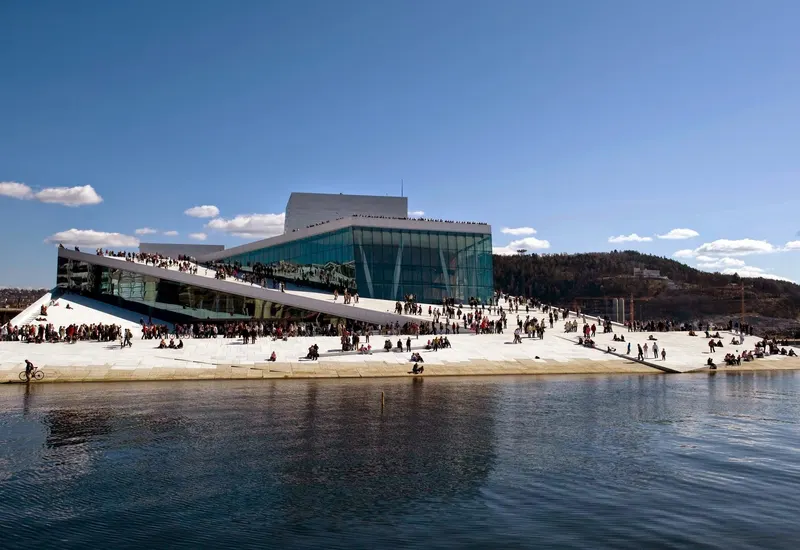 3
3Oslo Opera House
4.7★ · 30,099indoorSnøhetta designed the marble-and-glass opera house that opened in 2008 with a sloping roof visitors can walk. It anchors Bjørvika beside the central station and Oslofjord.
Wikipedia
Show 7 more sights
- 4Fram Museum
- 5Norwegian Museum of Cultural History
- 6Kon-Tiki Museum
- 7National Museum
- 8Holmenkollen Ski Museum and Tower
- 9MUNCH
- 10Astrup Fearnley Museum
Neighborhoods
 1
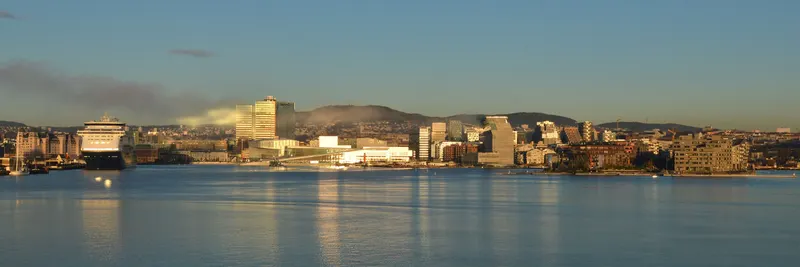
1Sentrum and Bjørvika
The central harbor district is sleek and transit-rich, with Oslo S, the Opera House, MUNCH, Deichman library, Barcode towers, and fjord promenades.
 2
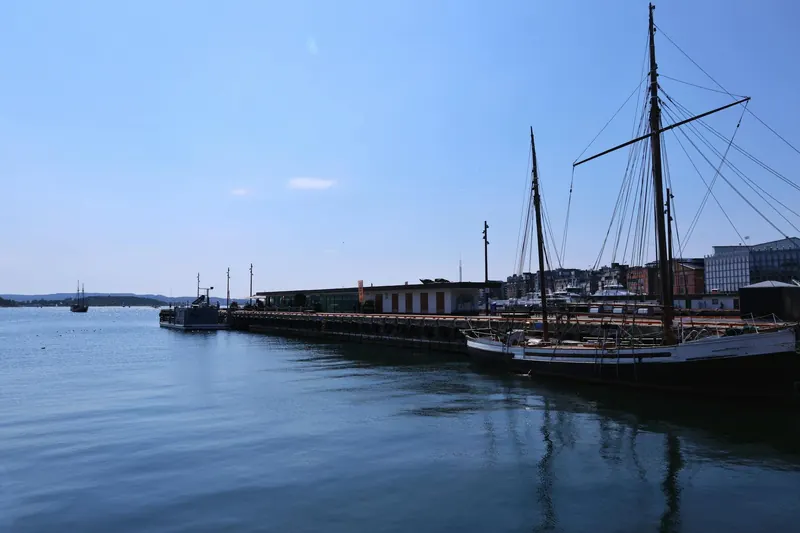
2Aker Brygge and Tjuvholmen
Aker Brygge and Tjuvholmen are polished waterfront Oslo, with restaurants, the National Museum, Astrup Fearnley, ferries, and sunset boardwalks.
 3
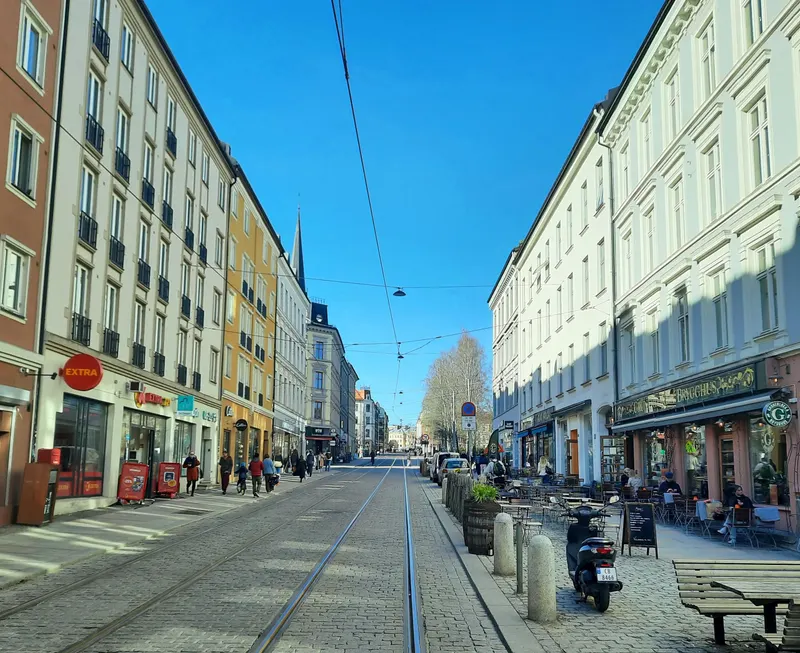
3Grünerløkka
Grünerløkka is the alternative cafe district, with vintage shops, bars, Akerselva paths, Mathallen, music venues, and apartment streets.
 4
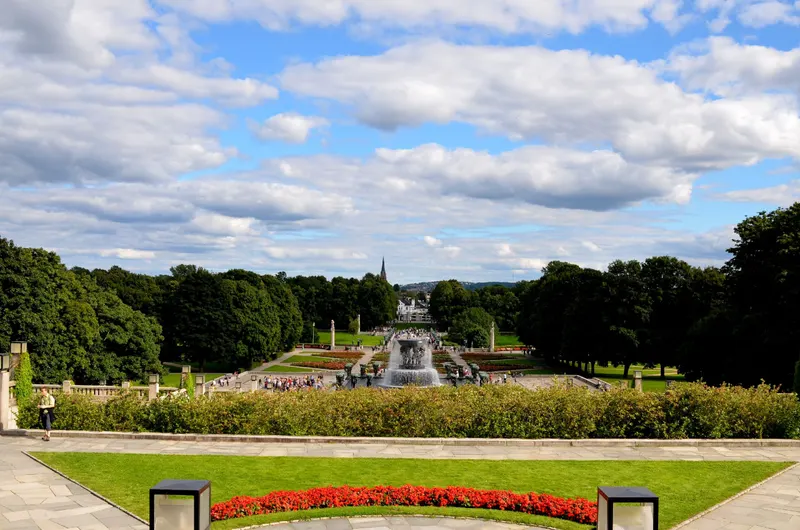
4Frogner and Majorstuen
Frogner and Majorstuen feel affluent and leafy, with Vigeland Park, embassies, Bogstadveien shopping, trams, and older apartment blocks.
 5
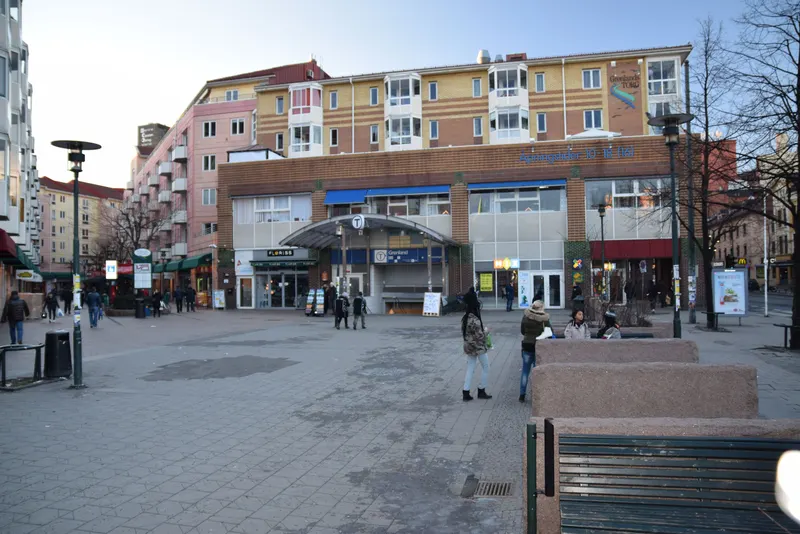
5Gamle Oslo, Grønland, and Tøyen
The east side mixes immigrant restaurants, Tøyen parks, Munch-era history, botanical gardens, mosques, bars, and more everyday street life.
 6
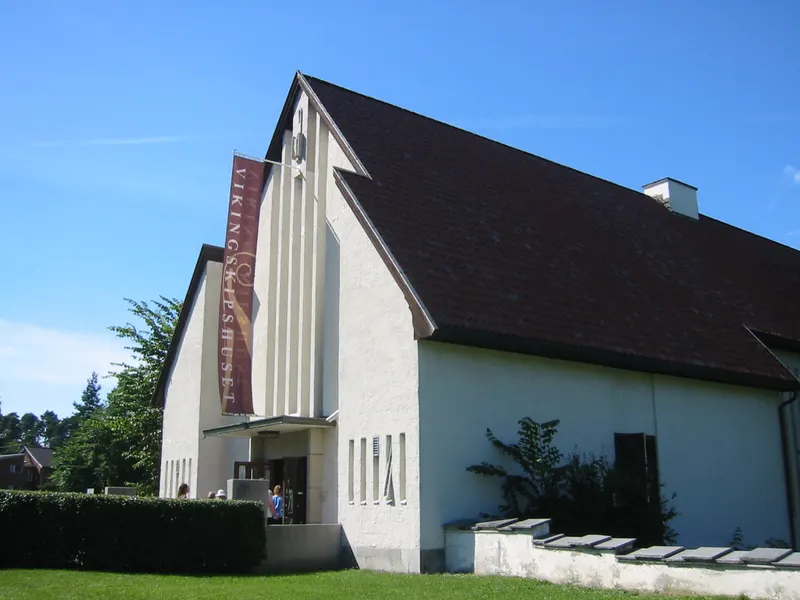
6Bygdøy
Bygdøy is the museum peninsula, with Fram, Kon-Tiki, the Folk Museum, beaches, villas, wooded lanes, and summer ferries from the harbor.
Getting around
Ruter tickets cover metro, tram, bus, local train, and ferries inside the Oslo zones, with the metro best for Holmenkollen and eastern-western cross-city trips. Oslo Pass adds museums and transit, while the standard train from Oslo Airport to Oslo S is usually the better-value airport ride than the express train.
Planning the Scandinavia route?
Add your dates and we'll pace all 3 cities — every place checked for closures, limited hours, and booking needs in February.
Weather by month for the Scandinavia trip
In February, climate averages for Copenhagen, Stockholm and Oslo show daytime highs from 1°C / 34°F to 4°C / 39°F, with nights down to about -5°C / 23°F in the coolest of those cities. The rainiest of those cities averages about 9 rainy days. Based on climate averages for Copenhagen, Stockholm and Oslo, February is one of the less comfortable months by weather.
The most comfortable months for this route are June, July and August, based on average daytime temperatures and rainfall in Copenhagen, Stockholm and Oslo. February 2027 is a lower-comfort month.
Common questions about the Scandinavia trip
- When is the best time to do the Scandinavia trip?
- The most comfortable months across Copenhagen, Stockholm and Oslo are June, July and August, based on average daytime temperatures and rainfall for those cities. February is one of the less comfortable months by weather — see the city climate sections below for the averages in February 2027.
- How many days do you need for the Scandinavia trip?
- A comfortable Scandinavia trip runs about 8–10 days, allowing roughly Copenhagen 3, Stockholm 3, Oslo 2 nights plus travel between stops. Add a day if you want a slower pace or extra day trips.
- What's the route for the Scandinavia trip?
- The classic order is Copenhagen, Stockholm & Oslo. The detailed month sections below cover Copenhagen, Stockholm and Oslo.
Ready to plan the Scandinavia trip?
Turn this route into a day-by-day plan for February 2027, every stop checked for closures and booking needs on your exact dates.