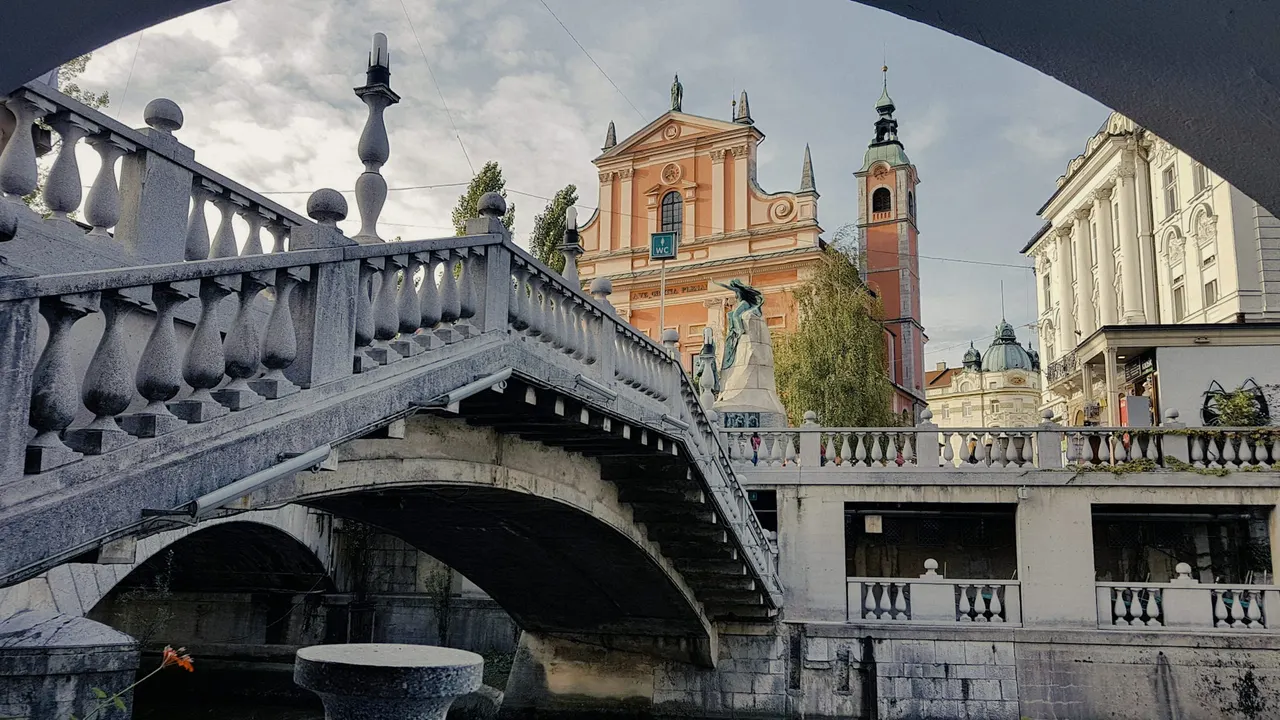
Slovenia & Croatia itinerary — September 2027
For the Slovenia & Croatia trip (Ljubljana & Zagreb), September 2027 is one of the most comfortable months by weather. Daytime highs sit around 22°C / 72°F in Ljubljana and Zagreb. Plan around 4–6 days for the full Ljubljana & Zagreb loop.
In this order — about 4–6 days:
- Ljubljana2 nightsSlovenia
- Zagreb2 nightsCroatia
- Route noteReserve the longest intercity leg first and keep transfer days free of timed sights.
By TripSapien · Updated November 11, 2026
Ljubljana
Ljubljana in September
TempTemperature
71°F / 53°F
21.8°C / 11.7°C
RainPrecipitation
9d
6.1in · 155mm
LightDaylight
12.3h
September is the wettest month but comfortable, with wine-season trips and museum backups working well.
City overview
Ljubljana is a compact Ljubljanica River capital where Jože Plečnik bridges, market arcades, and river embankments sit below a castle hill and between Alpine and Karst day trips. The useful traveler map is the pedestrian Old Town and Center, Trnovo and Krakovo south of the river, and Metelkova, Tabor, or Siska for culture beyond the postcard core.
Food & drink
Ljubljana food moves between kranjska klobasa, jota, struklji, potica, bograc, Idrija zlikrofi, and riverfront gelato rather than one imperial cuisine. Central Market, Open Kitchen on Fridays from spring to autumn, Klobasarna, and old gostilna dining rooms around the center give the easiest introduction.
Top sights
Ranked for September suitability using weather, setting, ratings, and review volume.
- 1Plečnik House
- 2National Gallery of Slovenia
- 3Ljubljana Cathedral
- 4Ljubljana Castle
- 5Roman Emona walls
- 6Triple Bridge
- 7Tivoli Park
- 8Dragon Bridge
- 9Central Market and Plečnik Colonnade
- 10Metelkova
 1
Plečnik House
4.8★ · 812indoorClosed MonThe architect lived and worked in this Trnovo house, now a museum explaining the bridges, library, cemetery, and urban details that define Ljubljana. It is a short walk south of the river from the Old Town.
 2
National Gallery of Slovenia
4.6★ · 2,256indoorClosed MonThe National Gallery holds Slovenian and European art, including the original Robba Fountain figures from Mestni trg. It sits by Tivoli Park and the opera house west of the center.
Wikipedia 3
Ljubljana Cathedral
4.5★ · 2,871indoorOpen dailyThe Baroque Cathedral of St Nicholas was completed in 1706 with frescoes, side chapels, and later sculpted bronze doors. It stands behind the market, a minute from Mestni trg.
Wikipedia
Show 7 more sights
4Ljubljana Castle
The medieval castle crowns the hill above the Old Town and now holds exhibitions, restaurants, a viewing tower, and a funicular from Krekov trg. The ramparts give the clearest view of the river bend and Alps on clear days.
Wikipedia5Roman Emona walls
The Roman colony of Emona left wall fragments in Mirje, where Plečnik later added stone details and a small archaeological park. The site is a short walk from Krakovo and Trnovo.
6Triple Bridge
The central stone bridge dates to 1842, and Jože Plečnik added the two pedestrian side spans in the 1930s. It links Prešeren Square with the Old Town and is the city default meeting point.
Wikipedia7Tivoli Park
Tivoli is the city largest central park, stretching from Cankarjeva cesta toward Rožnik hill with Jakopic promenade, the International Centre of Graphic Arts, and wooded paths. It gives Ljubljana its easiest green break.
Wikipedia8Dragon Bridge
Completed in 1901, Dragon Bridge is an early reinforced-concrete landmark guarded by four copper-green dragons from the city coat of arms. It stands just northeast of the Central Market.
9Central Market and Plečnik Colonnade
Plečnik designed the riverside market colonnade in the 1940s between Triple Bridge and Dragon Bridge. Vodnikov trg produce stalls and the covered market make it the practical food heart of the center.
10Metelkova
Metelkova occupies former Yugoslav army barracks east of the center and is covered with murals, clubs, galleries, and alternative art. It sits beside the Museum of Contemporary Art Metelkova and National Museum branch.
Wikipedia
Neighborhoods
 1
Center and Old Town
The pedestrian core is compact and river-facing, with Prešeren Square, Triple Bridge, Mestni trg, Central Market, Cathedral, cafes, and castle paths within minutes.
 2
Trnovo and Krakovo
Trnovo and Krakovo feel village-like south of the river, with Plečnik House, small gardens, old lanes, riverside walks, and quiet guesthouses.
 3
Metelkova and Tabor
Metelkova and Tabor carry the alternative and museum edge, with barracks art, clubs, MSUM, the Ethnographic Museum, and the train-station approach.
 4
Siska
Siska is the music and residential district northwest of the core, anchored by Kino Siska, breweries, apartment blocks, and quick bus routes into town.
 5
Tivoli and Rožna Dolina
Tivoli and Rožna Dolina are green and university-adjacent, with park paths, galleries, embassies, student housing, and Rožnik hill above the center.
 6
Bezigrad and BTC City
Bezigrad holds offices, stadiums, and practical hotels north of the station, while BTC City on the northeast edge is the mall-and-waterpark district.
Getting around
The pedestrian center is the main transit shortcut, while LPP buses, Urbana cards, BicikeLJ bikes, and the castle funicular cover districts beyond the river loop. Ljubljana rail and bus stations sit together north of the center, making Bled, Postojna, Zagreb, and Trieste day moves straightforward.
Zagreb
Zagreb in September
TempTemperature
72°F / 53°F
22.3°C / 11.9°C
RainPrecipitation
9d
3.9in · 100mm
LightDaylight
12.3h
September is the wettest month but comfortable, good for Varazdin or Plitvice once forecasts settle.
City overview
Zagreb sits between the Sava plain and Medvednica, with a compact historic core split between hilltop Gornji Grad and tram-lined Donji Grad. The city works best as a sequence of named zones: Kaptol and St. Mark Square for old Zagreb, the Green Horseshoe for museums and parks, and Novi Zagreb or Jarun for the postwar southern side.
Food & drink
Zagreb food mixes strukli, zagrebacki odrezak, purica s mlincima, cevapi, cottage-cheese pastries, kremšnita, and strong coffee culture. Dolac Market, Tkalciceva terraces, Ilica bakeries, and old gostionica dining rooms are the easiest first-pass food map.
Top sights
Ranked for September suitability using weather, setting, ratings, and review volume.
- 1Croatian National Theatre
- 2Zagreb Cathedral
- 3Museum of Broken Relationships
- 4St. Mark Square
- 5Ban Jelačić Square
- 6Dolac Market
- 7Lotrščak Tower
- 8Maksimir Park and Zagreb Zoo
- 9Botanical Garden
- 10Mirogoj Cemetery
 1
Croatian National Theatre
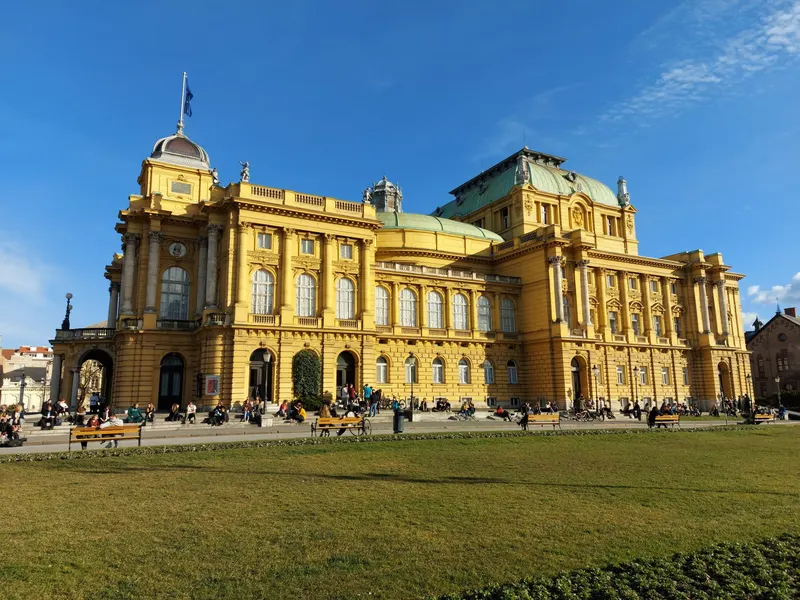
4.8★ · 10,383indoorThe yellow neo-Baroque theatre opened in 1895 on Republic of Croatia Square and was designed by Fellner and Helmer. It anchors the western end of the Lower Town museum-and-park belt.
Wikipedia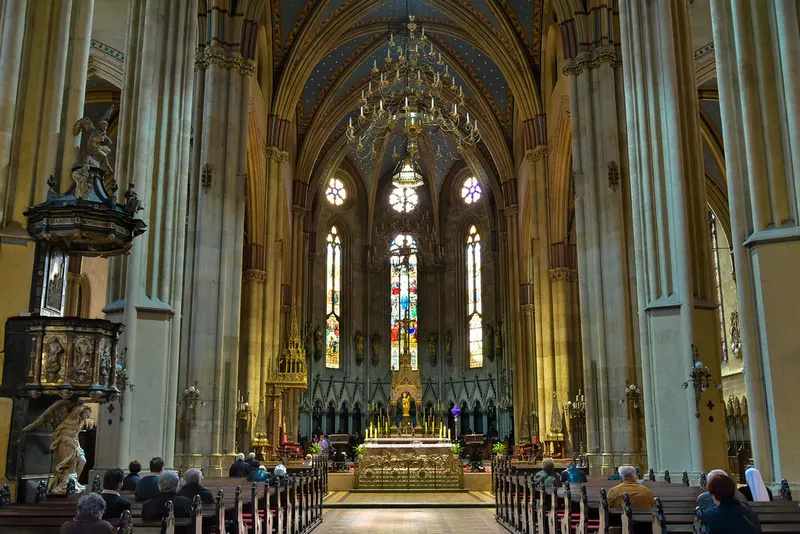 2
Zagreb Cathedral
4.6★ · 18,026indoorOpen dailyThe twin-spired cathedral on Kaptol stands on a medieval church site and was rebuilt in neo-Gothic form by Hermann Bolle after the 1880 earthquake. Restoration work after the 2020 earthquake keeps parts of the complex changing, but Kaptol remains the main landmark above Ban Jelačić Square.
Wikipedia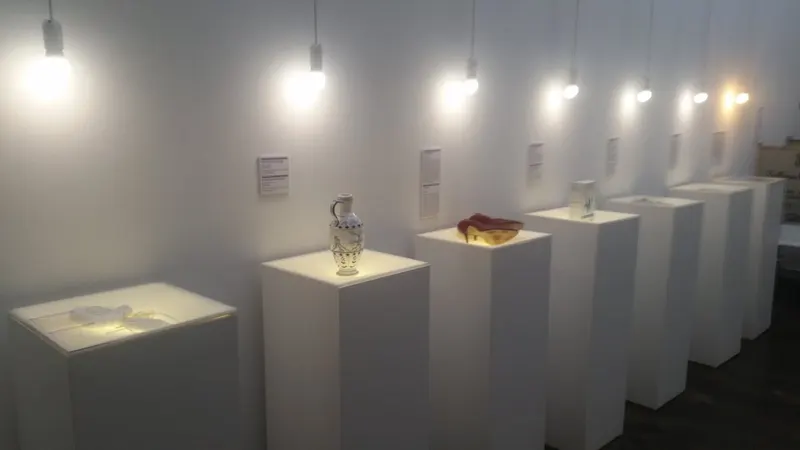 3
Museum of Broken Relationships
4.3★ · 9,124indoorOpen dailyThis Upper Town museum grew from a Croatian art project collecting objects left after relationships ended. Its rooms are a few minutes from St. Mark Square and work well when rain interrupts outdoor streets.
Wikipedia
Show 7 more sights
4St. Mark Square
St. Mark Church anchors the Upper Town square with a tiled roof showing the coats of arms of Croatia, Dalmatia, Slavonia, and Zagreb. The Croatian parliament and Banski dvori face the church, so the square feels civic rather than museum-like.
5Ban Jelačić Square
The main square is Zagreb tram crossroads, with the Jelačić equestrian statue, Mandusevac fountain, and direct lanes into Dolac Market and Ilica. It is the practical orientation point between Upper Town and the Green Horseshoe.
Wikipedia6Dolac Market
Dolac has traded above the main square since the 1930s, with red umbrellas, produce stalls, dairy stands, and fish halls. Go in the morning before climbing through the market lanes toward Kaptol.
Wikipedia7Lotrščak Tower
The 13th-century tower guarded the southern gate of Gradec and still fires the Gric cannon at noon. It stands above the funicular stop and gives a short view over Ilica, the cathedral spires, and Lower Town roofs.
Wikipedia8Maksimir Park and Zagreb Zoo
Maksimir opened as a public park in the late 18th century and now mixes lakes, pavilions, forest paths, and the city zoo. Tram rides from the center make it the easiest green break east of town.
9Botanical Garden
The university garden opened in 1891 as part of the Lower Town Green Horseshoe. Its ponds, glasshouses, and quiet paths sit a short walk from the main railway station and King Tomislav Square.
10Mirogoj Cemetery
Hermann Bolle designed the arcades, domes, and ivy-covered walls of Mirogoj in the late 19th century. It is north of the center below Medvednica and is reached by bus or taxi from Kaptol.
Wikipedia
Neighborhoods
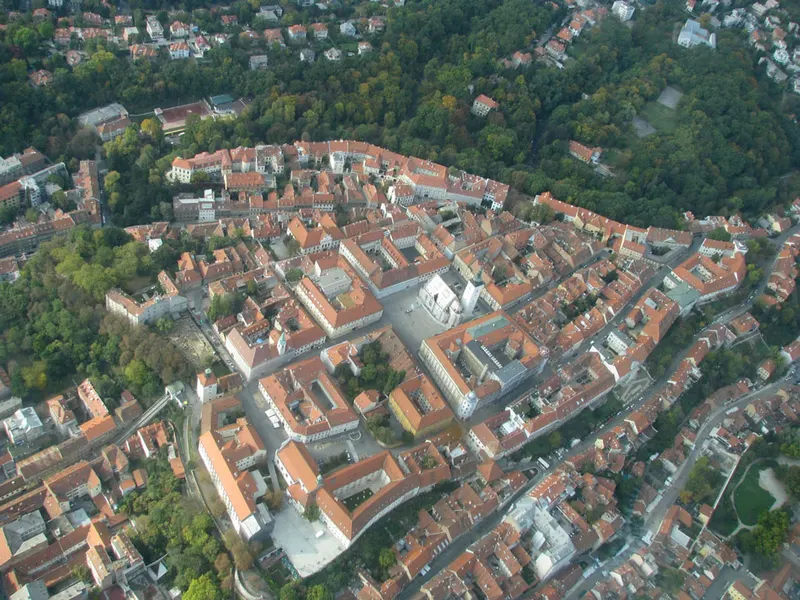 1
Gornji Grad and Kaptol
The Upper Town feels ceremonial and compact, with St. Mark Square, Lotrščak Tower, the Stone Gate, Zagreb Cathedral, and small museum streets above the funicular.
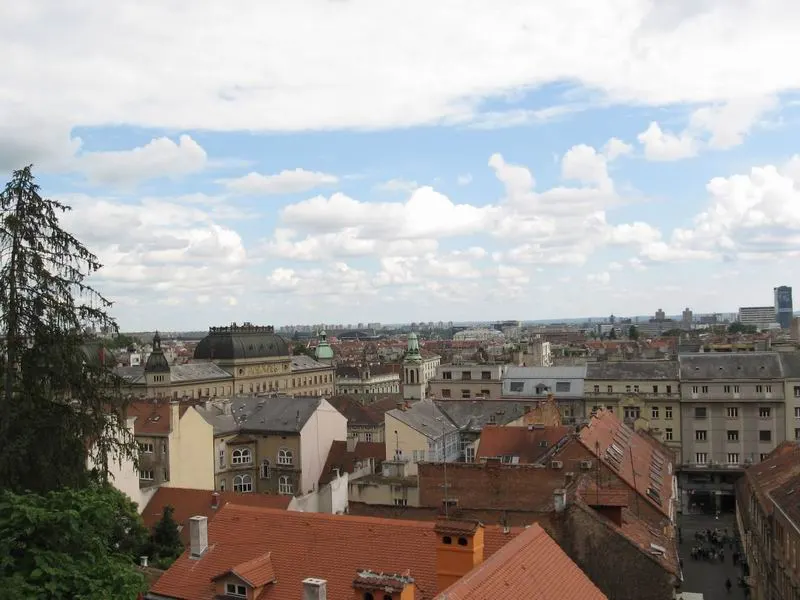 2
Donji Grad and the Green Horseshoe
Lower Town is flatter and grander, with Ban Jelačić Square, Zrinjevac, King Tomislav Square, the Botanical Garden, the theatre, galleries, and main tram lines.
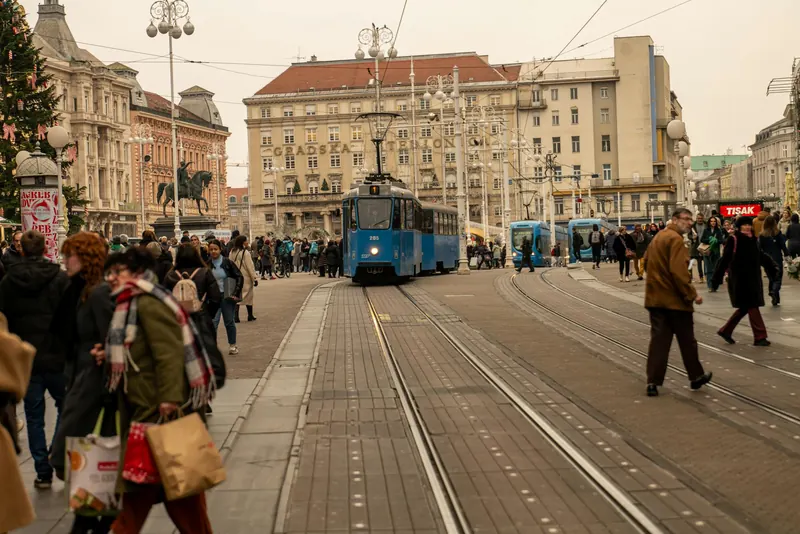 3
Tkalciceva and Dolac
The lane below Kaptol is cafe-heavy and social, tied to Dolac Market, Opatovina, bars, street terraces, and the climb into the Upper Town.
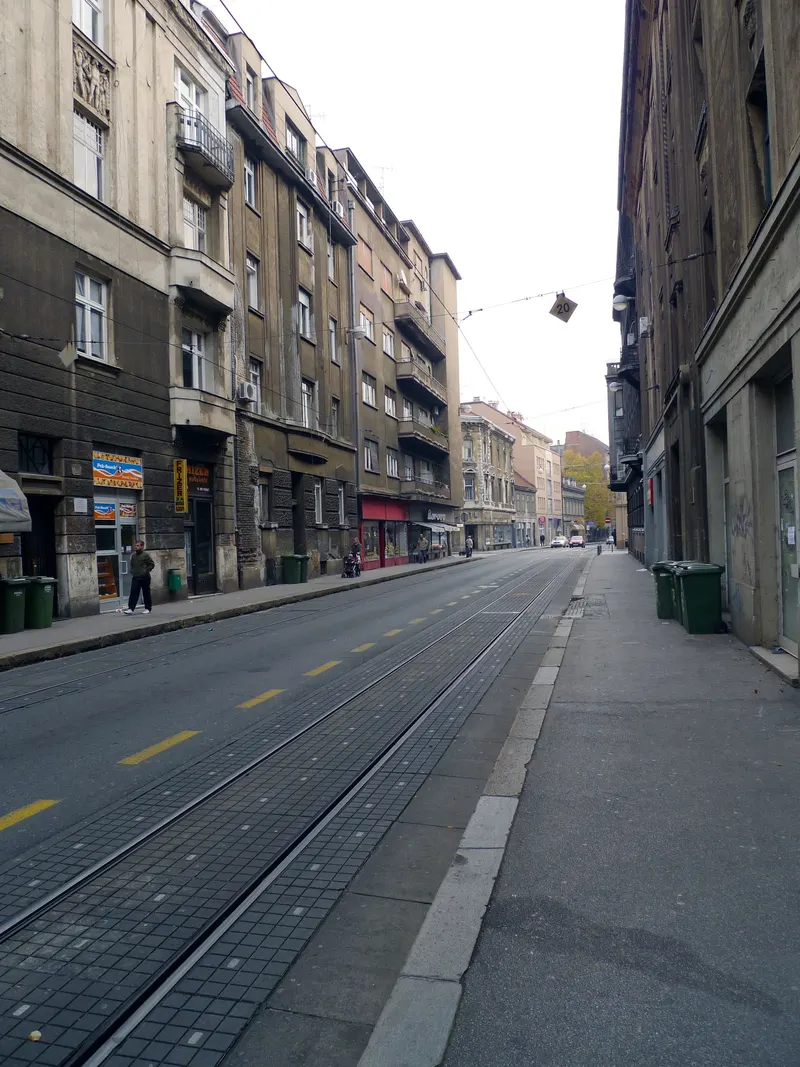 4
Ilica and British Square
Ilica is the old shopping spine, while British Square adds Sunday antiques, neighborhood cafes, bakeries, and a more residential westward rhythm.
 5
Maksimir
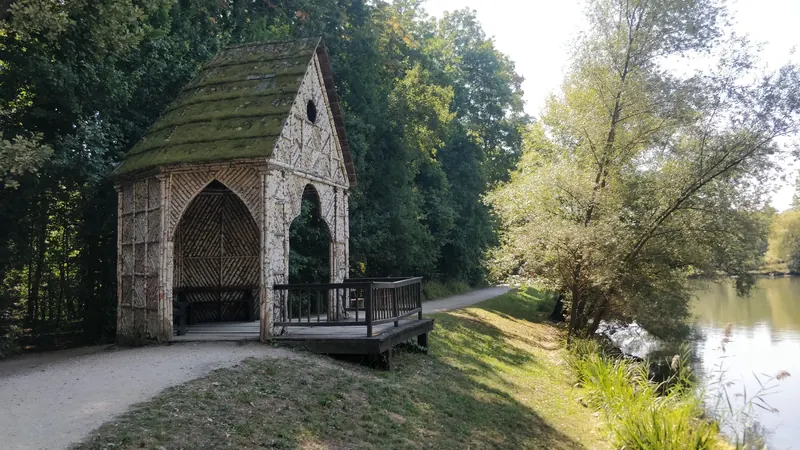
Maksimir is green and family-focused, with the park, zoo, football stadium, lakes, and tram stops that make it easy from the center.
 6
Novi Zagreb, Jarun, and Bundek
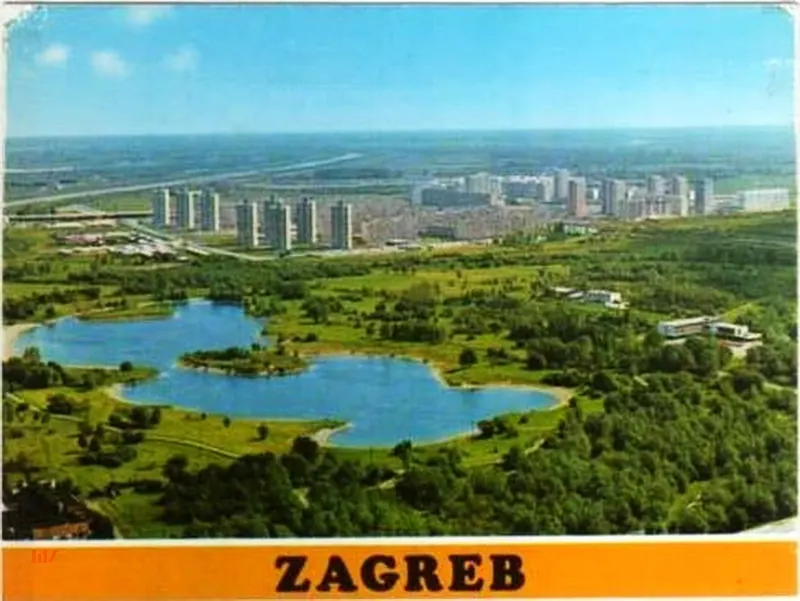
South of the Sava, the city becomes modernist and open, with apartment blocks, the Museum of Contemporary Art, Jarun lake paths, Bundek lawns, and big-event spaces.
Getting around
ZET trams and buses cover the city, with Ban Jelačić Square and the main railway station acting as the useful central nodes. The Upper and Lower Town are walkable, and the short funicular saves the steepest climb to Lotrščak Tower.
Planning the Slovenia & Croatia route?
Add your dates and we'll pace all 2 cities — every place checked for closures, limited hours, and booking needs in September.
Weather by month for the Slovenia & Croatia trip
In September, climate averages for Ljubljana and Zagreb show daytime highs near 22°C / 72°F, with nights down to about 12°C / 54°F in the coolest of those cities. The rainiest of those cities averages about 9 rainy days. Based on climate averages for Ljubljana and Zagreb, September is one of the most comfortable months by weather.
The most comfortable months for this route are September, June and May, based on average daytime temperatures and rainfall in Ljubljana and Zagreb. September 2027 is among the highest-comfort months.
Common questions about the Slovenia & Croatia trip
- When is the best time to do the Slovenia & Croatia trip?
- The most comfortable months across Ljubljana and Zagreb are September, June and May, based on average daytime temperatures and rainfall for those cities. September is one of the most comfortable months by weather — see the city climate sections below for the averages in September 2027.
- How many days do you need for the Slovenia & Croatia trip?
- A comfortable Slovenia & Croatia trip runs about 4–6 days, allowing roughly Ljubljana 2, Zagreb 2 nights plus travel between stops. Add a day if you want a slower pace or extra day trips.
- What's the route for the Slovenia & Croatia trip?
- The classic order is Ljubljana & Zagreb. The detailed month sections below cover Ljubljana and Zagreb.
Ready to plan the Slovenia & Croatia trip?
Turn this route into a day-by-day plan for September 2027, every stop checked for closures and booking needs on your exact dates.