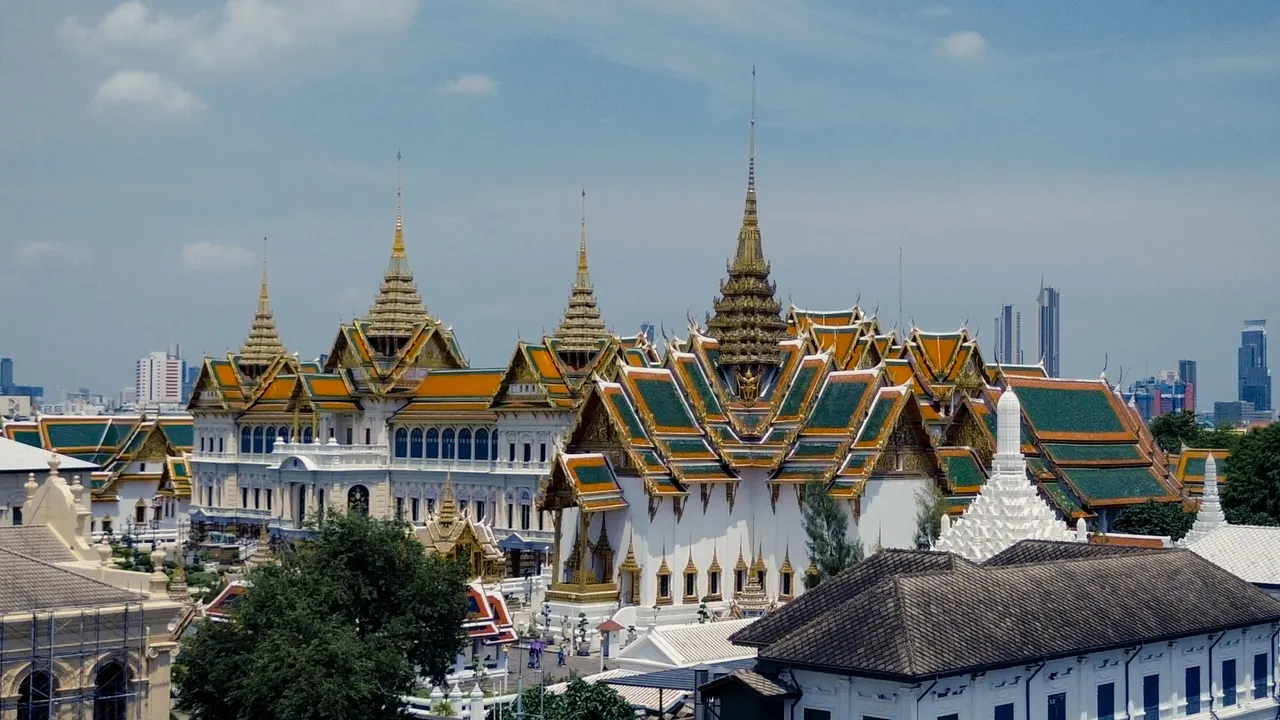
Southeast Asia itinerary — September 2026
For the Southeast Asia trip (Bangkok & Kuala Lumpur), September 2026 is one of the less comfortable months by weather. Daytime highs sit around 33°C / 91°F in Bangkok and Kuala Lumpur. Plan around 5–7 days for the full Bangkok & Kuala Lumpur loop.
In this order — about 5–7 days:
- Bangkok3 nightsThailand
- Kuala Lumpur2 nightsMalaysia
- Route noteReserve the longest intercity leg first and keep transfer days free of timed sights.
By TripSapien · Updated August 24, 2026
Bangkok
Bangkok in September
TempTemperature
91°F / 79°F
32.5°C / 26.2°C
RainPrecipitation
29d
9.8in · 247.7mm
LightDaylight
12.4h
Wettest month of the year — 335mm across 21 rainy days. Expect significant disruption; build flexible itineraries.
City overview
Bangkok is the densely-packed Thai capital where 14th-century royal temples sit a BTS Skytrain stop away from glass-tower malls. The city sprawls along the Chao Phraya river — the river is still the fastest way across the historic core — and the neighborhoods feel like separate cities pressed together: Rattanakosin's gilded palace district, Sukhumvit's expat-and-skybar belt, Yaowarat's Chinatown food alleys, Khao San's backpacker corridor.
Food & drink
Bangkok's food scene is the city's headline attraction — street stalls outnumber restaurants, and Yaowarat (Chinatown) and Banglamphu both have evening food alleys where most dishes are under 100 baht. The Thai canon (pad thai, tom yum, green curry, som tam, mango sticky rice) is everywhere, but the city is also a destination for regional Thai cooking (Isaan in the north-east, southern Muslim-Thai curries) and Chinese-Thai dishes invented here over a century of immigration. Bangkok currently holds more Michelin stars than any other Thai city.
Events & festivals
- Sep 25 – Sep 27
International Thai Film Festival
International Film Festival - Int.
Source: TripSapien festival dataset
Top sights
Ranked for September suitability using weather, setting, ratings, and review volume.
- 1Wat Pho (Temple of the Reclining Buddha)
- 2Grand Palace & Wat Phra Kaeo (Temple of the Emerald Buddha)
- 3Wat Arun (Temple of Dawn)
- 4Wat Saket (Golden Mount)
- 5Jim Thompson House
- 6Yaowarat Road (Chinatown food street)
- 7Lumphini Park
- 8Chatuchak Weekend Market
- 9Chao Phraya Express Boat (orange flag line)
- 10Talad Rot Fai Ratchada (Train Night Market)
 1
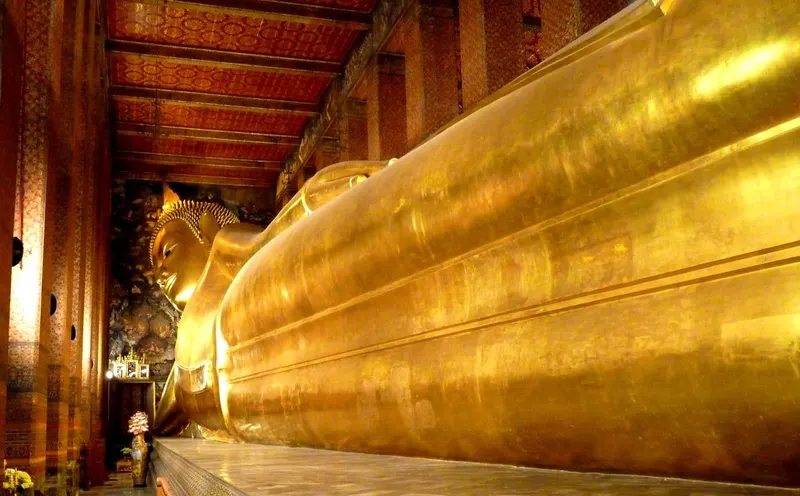
1Wat Pho (Temple of the Reclining Buddha)
4.8★ · 7,982indoorOpen dailyA 46-metre gilded reclining Buddha plus the country's oldest massage school — both inside the same temple complex, walking distance from the Grand Palace via MRT Sanam Chai.
 2
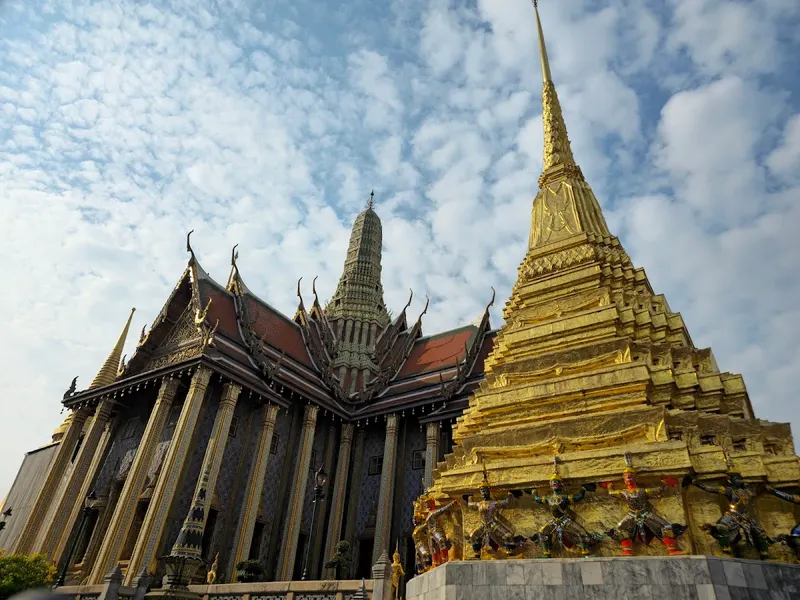
2Grand Palace & Wat Phra Kaeo (Temple of the Emerald Buddha)
4.7★ · 42,902indoorOpen dailyWalled royal complex built in 1782, still used for official ceremonies. Wat Phra Kaeo inside holds the country's most-revered Buddha image, carved from a single block of jade.
Strict dress code: shoulders, knees, and upper arms must be covered. Sarongs are sold at the entrance.
 3
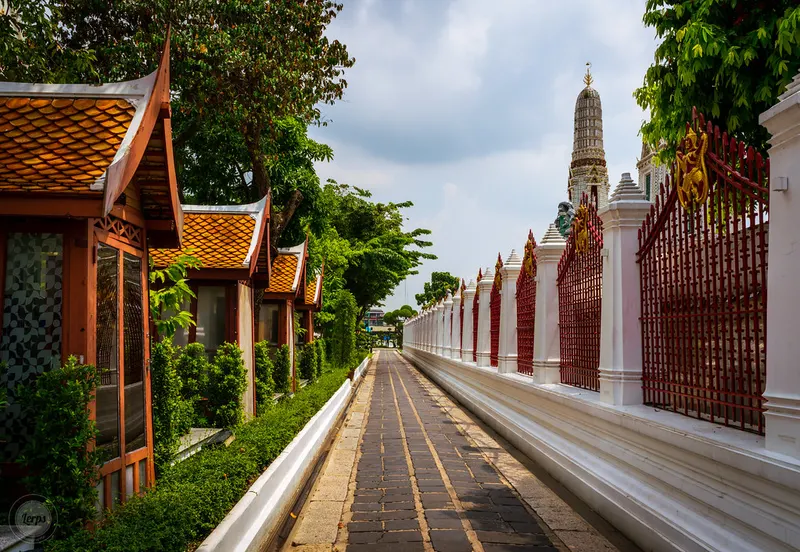
3Wat Arun (Temple of Dawn)
4.7★ · 44,351indoorOpen dailyThe porcelain-encrusted spire on the Thonburi (west) bank of the Chao Phraya, climbable for a panoramic city view. The cross-river ferry from Tha Tien costs a few baht and runs throughout the day.
Show 7 more sights
- 4Wat Saket (Golden Mount)
- 5Jim Thompson House
- 6Yaowarat Road (Chinatown food street)
- 7Lumphini Park
- 8Chatuchak Weekend Market
- 9Chao Phraya Express Boat (orange flag line)
- 10Talad Rot Fai Ratchada (Train Night Market)
Neighborhoods
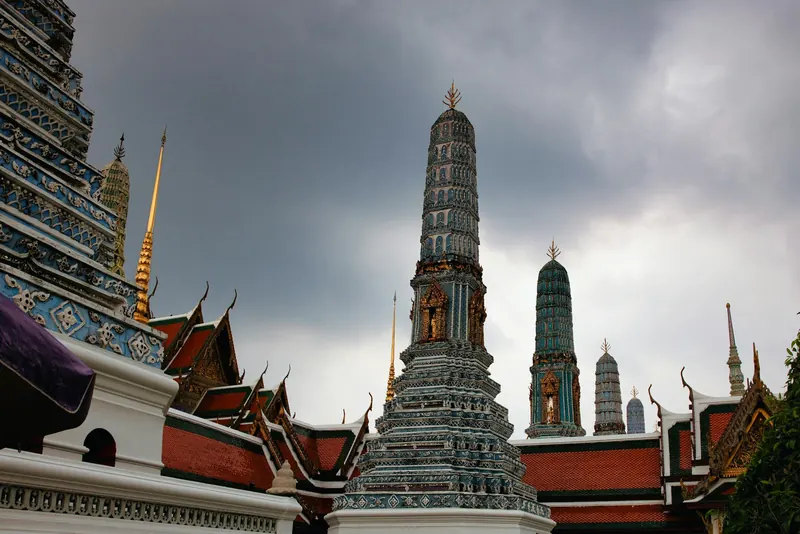 1
1Rattanakosin (Old Bangkok)
The historic royal island between the river and Khlong Banglamphu. Grand Palace, Wat Pho, the National Museum, and most of the city's tourist-postcard sights cluster here. Quiet after dark.
 2
2Sukhumvit
A long east-west axis along the Sukhumvit Line BTS — international restaurants, rooftop bars, condo towers, and most of the city's nightlife. Each soi has its own character: Thonglor for craft cocktails, Asok for shopping, Nana/Soi Cowboy for the controversial side.
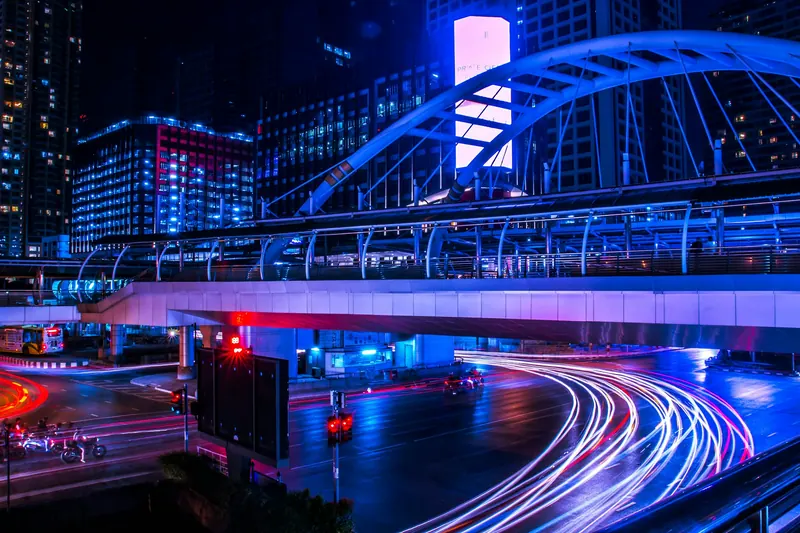 3
3Silom & Sathorn
The financial district by day, Patpong night market and Silom Soi 4 after dark. Embassies, towers, the start of the Silom Line BTS at Sala Daeng. Closer to the river than Sukhumvit.
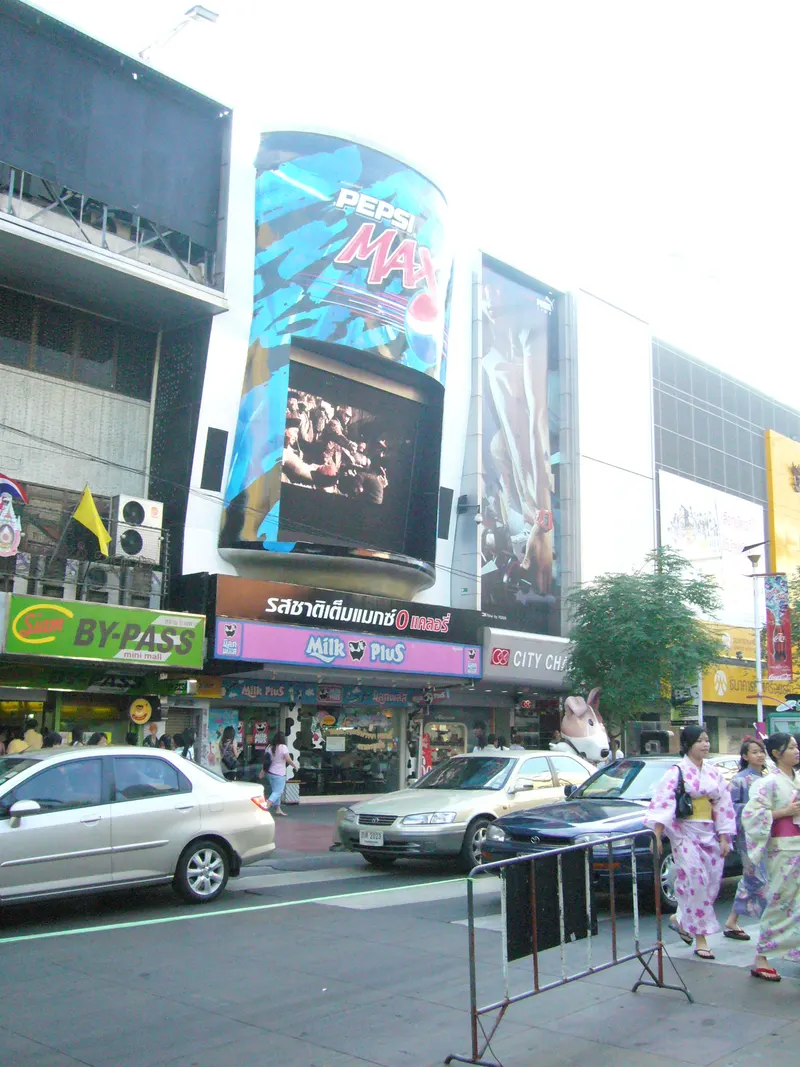 4
4Siam Square
The commercial centre — Siam Paragon, MBK, CentralWorld, Siam Discovery all within a 500m radius. The BTS Siam interchange is the closest thing Bangkok has to a single geographic centre.
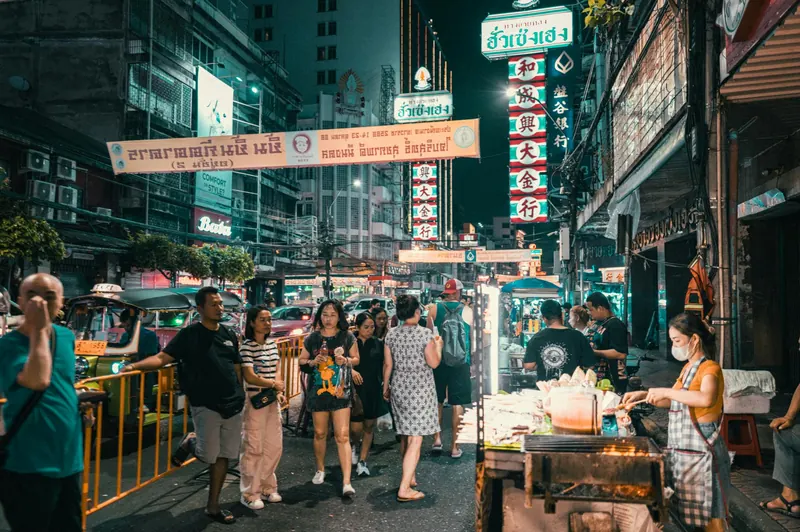 5
5Yaowarat (Chinatown) & Phahurat
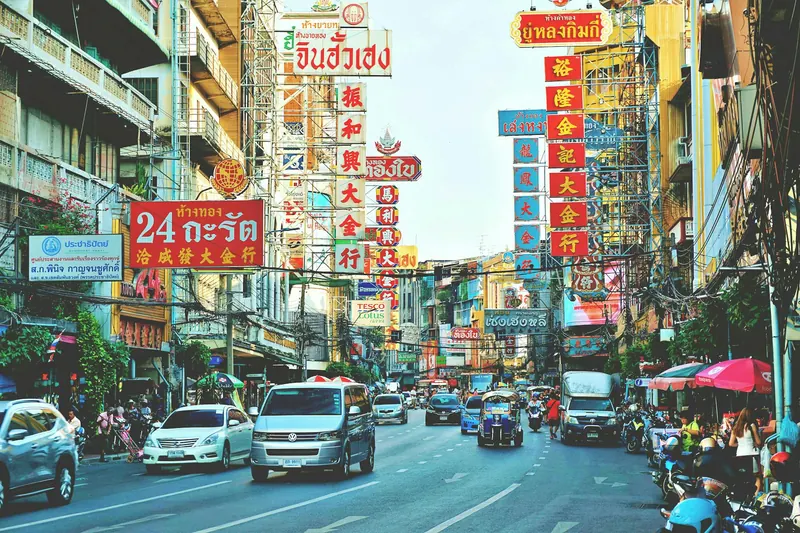
Multi-storey gold shops, neon signage, and the city's densest concentration of Chinese restaurants and street-food vendors. Phahurat, the adjacent block, is Bangkok's Little India — Sikh temple, sari shops, samosa stalls.
 6
6Banglamphu / Khao San Road
Backpacker district north of Rattanakosin — cheap guesthouses, tuk-tuk touts, 7-Elevens, and the famous Khao San Road party strip. Quieter Soi Rambuttri parallel has bars and street food.
Getting around
The BTS Skytrain (Sukhumvit + Silom + Gold lines) and MRT metro (Blue + Purple + Yellow + Pink lines) cover most of the modern city — both run roughly 06:00–24:00. Buy a Rabbit card for BTS at any station (200 baht: 100 stored + 100 issuance). For the historic core stick to the Chao Phraya Express Boat (orange flag, 14 baht) — Bangkok's road traffic is genuinely notorious and the river is faster than a taxi for any palace-and-temple itinerary.
Kuala Lumpur
Kuala Lumpur in September
TempTemperature
91°F / 76°F
32.7°C / 24.2°C
RainPrecipitation
13d
8.7in · 220mm
LightDaylight
12h
September rain and haze risk both rise; choose rail-linked plans around KLCC, Brickfields, and Pasar Seni.
City overview
Kuala Lumpur grew from a muddy Klang-Gombak river confluence into a 243 sq km federal capital stitched together by rail lines, malls, and food streets. The Golden Triangle, Old City Centre, Brickfields, Kampung Baru, and Batu Caves give the city a sharper shape than its sprawl first suggests.
Food & drink
Kuala Lumpur food is a Malay, Chinese, Indian, and migrant-city mix: nasi lemak, char kway teow, roti canai, banana-leaf rice, satay, and Hokkien mee all sit within short rides of KL Sentral. Jalan Alor, Petaling Street, Kampung Baru, Brickfields, and Lebuh Ampang give first-timers named food zones at different price tiers, with hawker meals often far below Singapore prices. The regional fact is that KL is one of the few capitals where Malay nasi lemak stalls, Cantonese kopitiam cooking, and South Indian banana-leaf restaurants define the same everyday food map.
Holidays & observances
- Sep 16Malaysia DayPublic holiday
Top sights
Ranked for September suitability using weather, setting, ratings, and review volume.
- 1Islamic Arts Museum Malaysia
- 2Masjid Jamek
- 3Thean Hou Temple
- 4KL Tower (Menara KL)
- 5Batu Caves
- 6Central Market (Pasar Seni)
- 7Jalan Alor
- 8Petronas Twin Towers and Suria KLCC
- 9Merdeka Square and Sultan Abdul Samad Building
- 10Perdana Botanical Garden and KL Bird Park
 1
1Islamic Arts Museum Malaysia
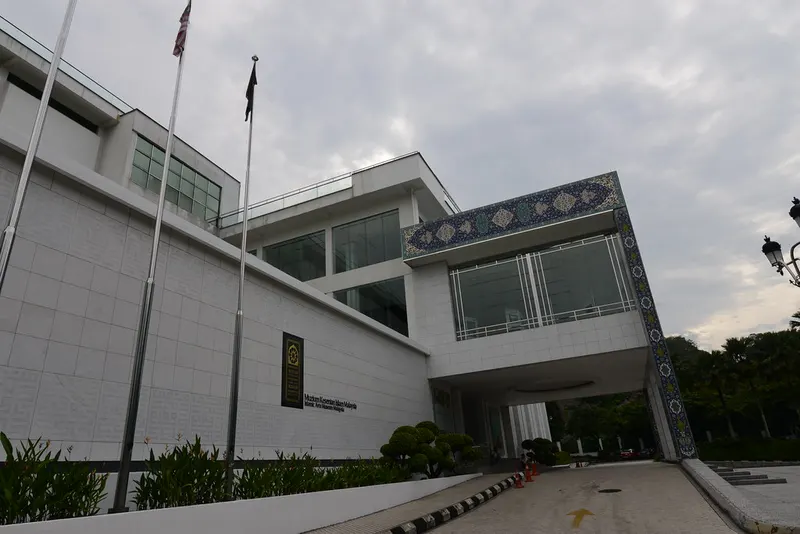
4.7★ · 5,816indoorOpen dailyMuseum in the Botanical Garden district near Masjid Negara. Wikivoyage calls its collection small but captivating, and it pairs well with the National Mosque and Perdana Botanical Garden.
Wikipedia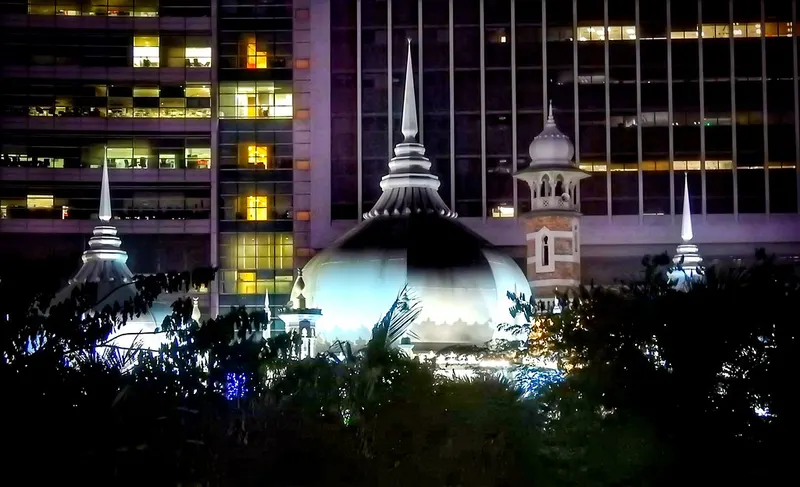 2
2Masjid Jamek
4.6★ · 10,747indoorClosed FriMosque at the Klang-Gombak confluence, next to the old colonial core. Masjid Jamek station is also a key interchange between the Kelana Jaya and Ampang/Sri Petaling rail lines.
Wikipedia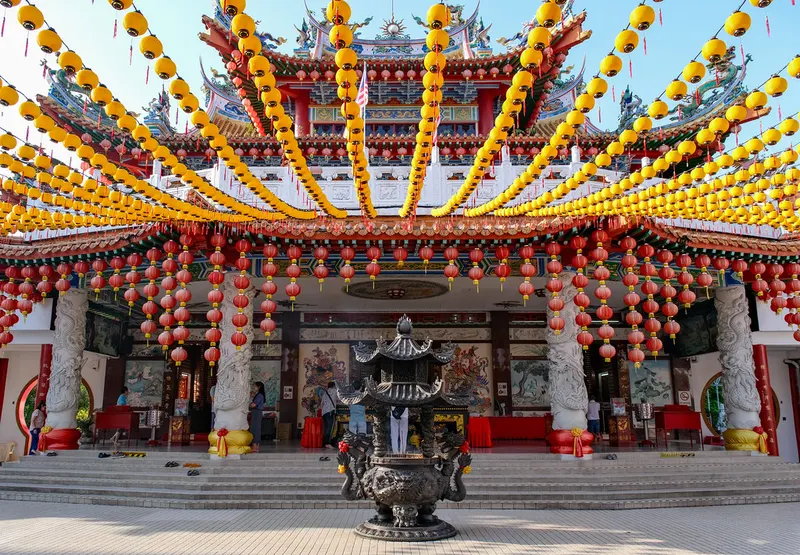 3
3Thean Hou Temple
4.6★ · 16,200indoorOpen dailyLarge Chinese temple in Seputeh, above the Brickfields and Mid Valley side of the city. It is a useful contrast to KLCC and the colonial core because it sits in the Chinese-Malaysian temple circuit.
Wikipedia
Show 7 more sights
- 4KL Tower (Menara KL)
- 5Batu Caves
- 6Central Market (Pasar Seni)
- 7Jalan Alor
- 8Petronas Twin Towers and Suria KLCC
- 9Merdeka Square and Sultan Abdul Samad Building
- 10Perdana Botanical Garden and KL Bird Park
Neighborhoods
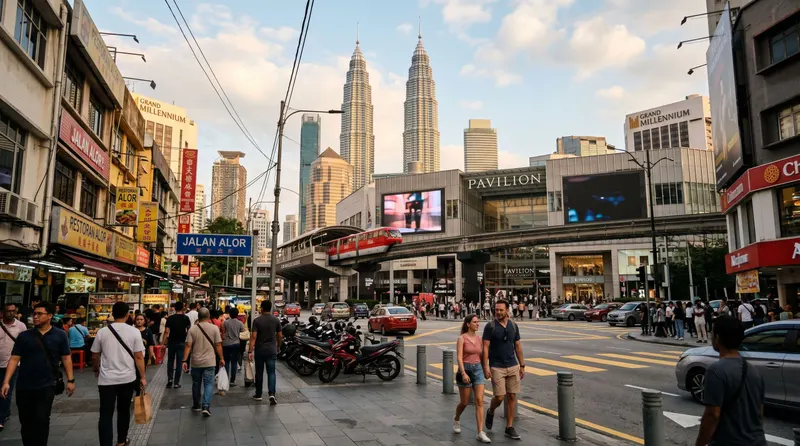 1
1Golden Triangle and Bukit Bintang
KLCC, Petronas Towers, Pavilion KL, Jalan Alor, Jalan P. Ramlee, and Bukit Bintang monorail territory. This is the hotel, mall, nightlife, and observation-deck core.
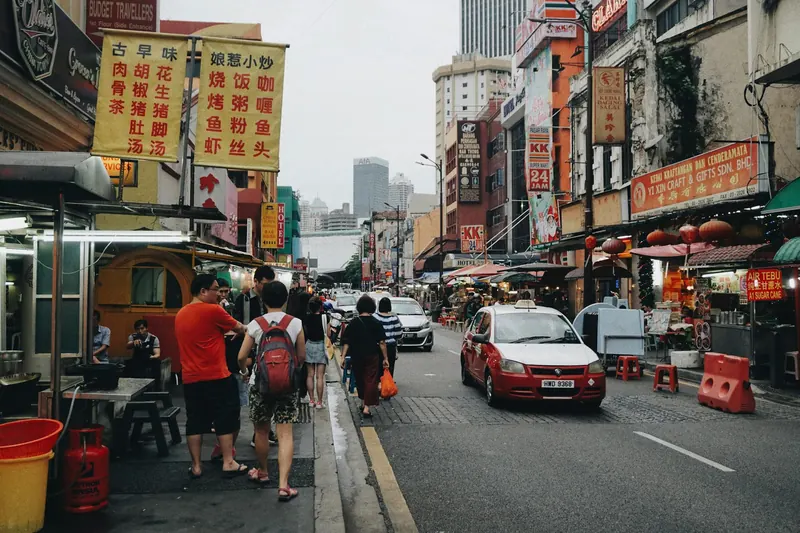 2
2Old City Centre and Chinatown
Merdeka Square, Sultan Abdul Samad Building, Pasar Seni, Petaling Street, and the old railway station sit here. It is the best district for colonial KL, Chinese shop houses, and souvenir markets.
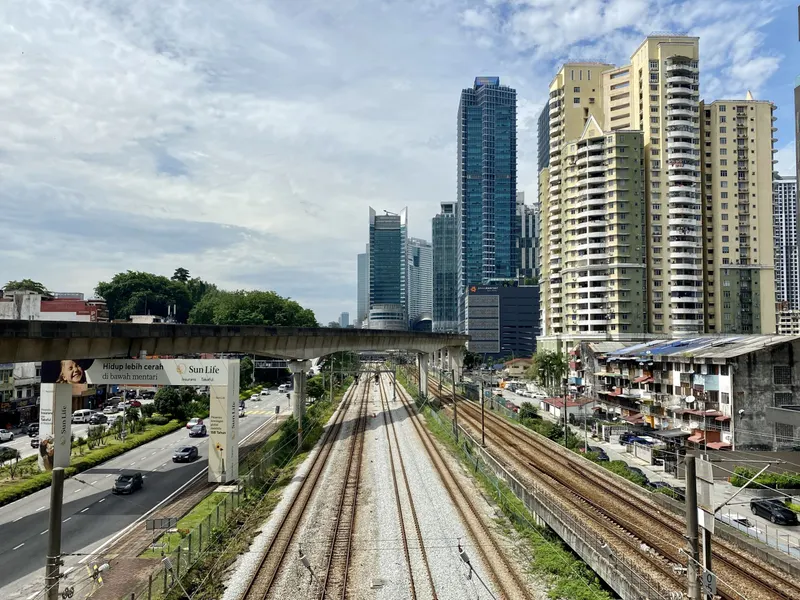 3
3Brickfields and Bangsar
Brickfields is Little India and KL Sentral, with saree shops and banana-leaf rice; Bangsar is the restaurant-and-pub district around Jalan Telawi. Mid Valley Megamall sits between them.
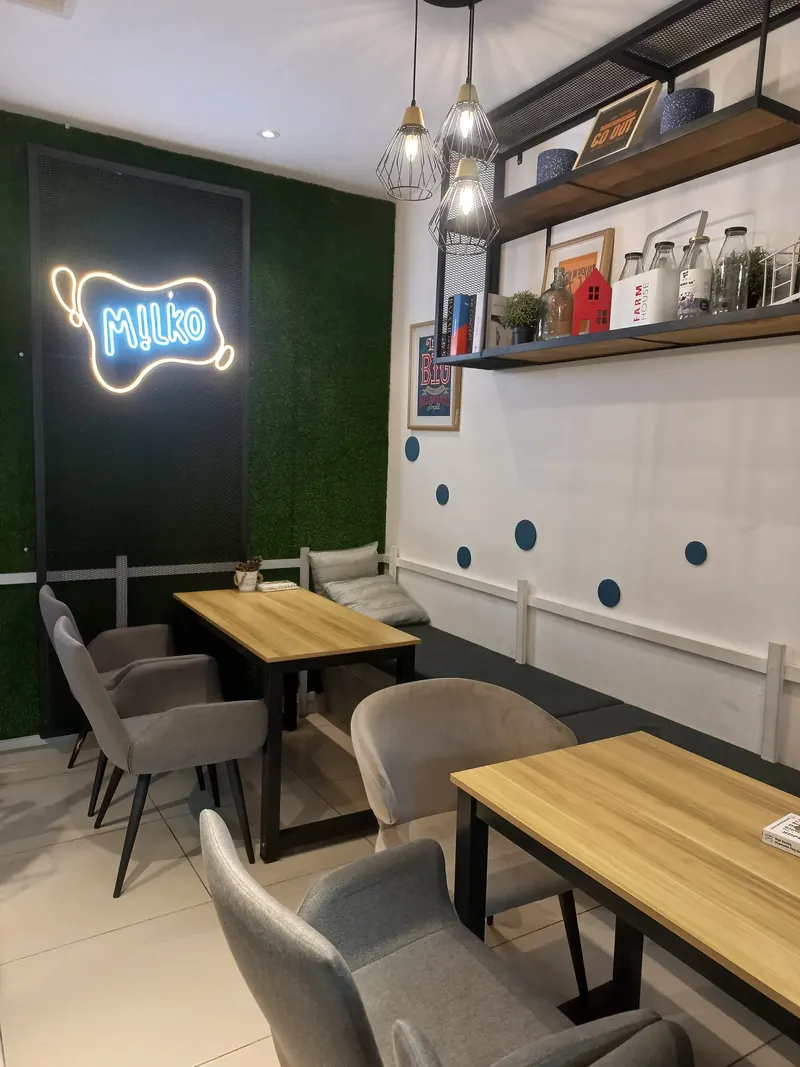 4
4Kampung Baru, Chow Kit, and Titiwangsa
North of the Golden Triangle, Kampung Baru keeps Malay village houses and food stalls in the city centre. Chow Kit adds markets, budget hotels, and Heritage Row nightlife nearby.
 5
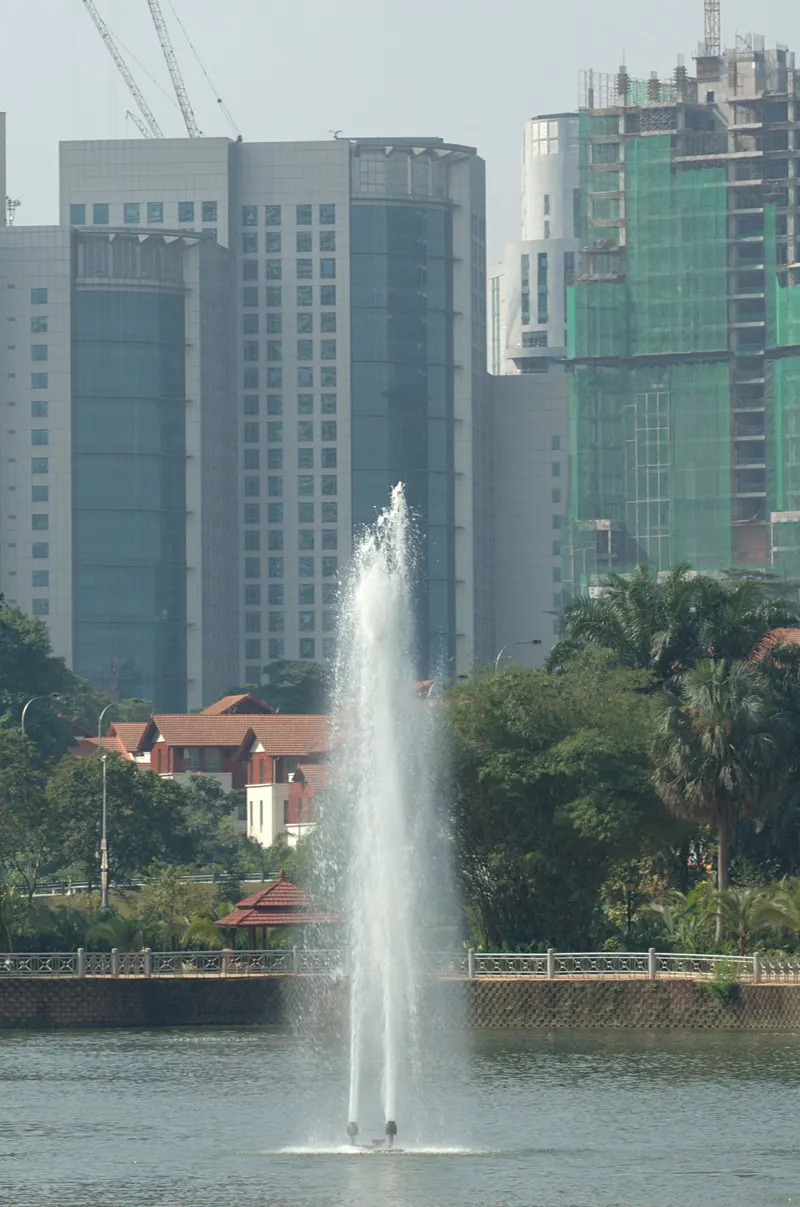
5Botanical Garden district
Green museum belt west of the old centre: National Museum, Masjid Negara, Islamic Arts Museum, Perdana Botanical Garden, Bird Park, and National Monument. It is the easiest multi-stop culture day on foot.
 6
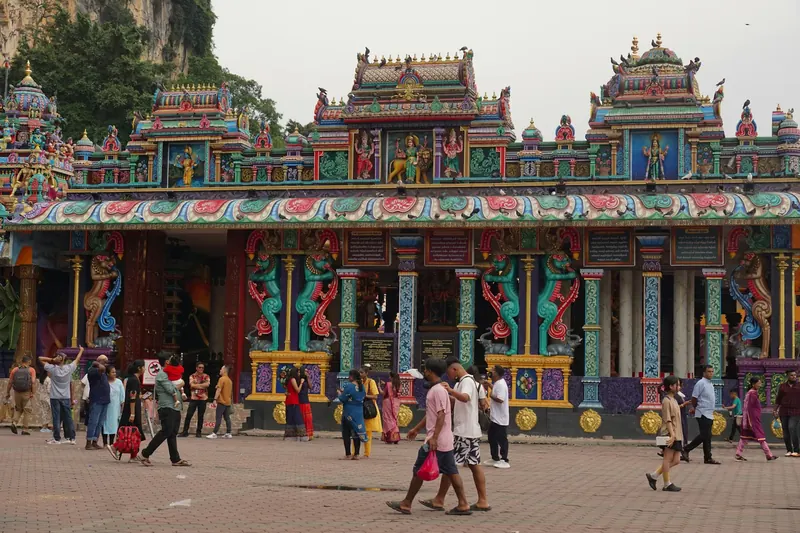
6Northern suburbs and Batu
Sentul, Batu, Setapak, and Wangsa Maju stretch toward Batu Caves, the National Zoo, and the Forest Research Institute of Malaysia. It matters for limestone, hiking, and lower-rise residential KL.
Getting around
Use the Klang Valley rail network: Kelana Jaya Line for KLCC and Pasar Seni, KL Monorail for Bukit Bintang, KTM Komuter for Batu Caves, and KLIA Ekspres from KL Sentral to KLIA in 28 minutes. Touch 'n Go costs RM10 plus stored value and works across RapidKL rail and buses; walking is realistic between the old centre and Golden Triangle outside the 11:00-16:00 heat.
Planning the Southeast Asia route?
Add your dates and we'll pace all 2 cities — every place checked for closures, limited hours, and booking needs in September.
Weather by month for the Southeast Asia trip
In September, climate averages for Bangkok and Kuala Lumpur show daytime highs near 33°C / 91°F, with nights down to about 24°C / 75°F in the coolest of those cities. The rainiest of those cities averages about 21 rainy days. Based on climate averages for Bangkok and Kuala Lumpur, September is one of the less comfortable months by weather.
The most comfortable months for this route are December, January and February, based on average daytime temperatures and rainfall in Bangkok and Kuala Lumpur. September 2026 is a lower-comfort month.
Common questions about the Southeast Asia trip
- When is the best time to do the Southeast Asia trip?
- The most comfortable months across Bangkok and Kuala Lumpur are December, January and February, based on average daytime temperatures and rainfall for those cities. September is one of the less comfortable months by weather — see the city climate sections below for the averages in September 2026.
- How many days do you need for the Southeast Asia trip?
- A comfortable Southeast Asia trip runs about 5–7 days, allowing roughly Bangkok 3, Kuala Lumpur 2 nights plus travel between stops. Add a day if you want a slower pace or extra day trips.
- What's the route for the Southeast Asia trip?
- The classic order is Bangkok & Kuala Lumpur. The detailed month sections below cover Bangkok and Kuala Lumpur.
Ready to plan the Southeast Asia trip?
Turn this route into a day-by-day plan for September 2026, every stop checked for closures and booking needs on your exact dates.