Spain Classic itinerary — July 2027
For the Spain Classic trip (Madrid, Barcelona & Seville), July 2027 is one of the less comfortable months by weather. Across Madrid, Barcelona and Seville, daytime highs run from about 28°C / 82°F to 36°C / 97°F. Plan around 8–10 days for the full Madrid, Barcelona & Seville loop.
In this order — about 8–10 days:
- Madrid3 nights
- Barcelona3 nights
- Seville2 nights
- Route noteReserve the longest intercity leg first and keep transfer days free of timed sights.
By TripSapien · Updated October 29, 2026
Madrid
Madrid in July
TempTemperature
92°F / 65°F
33.4°C / 18.6°C
RainPrecipitation
2d
0.6in · 15mm
LightDaylight
14.6h
July is very hot and dry, making siesta pacing, shaded museums, and late dinners essential.
City overview
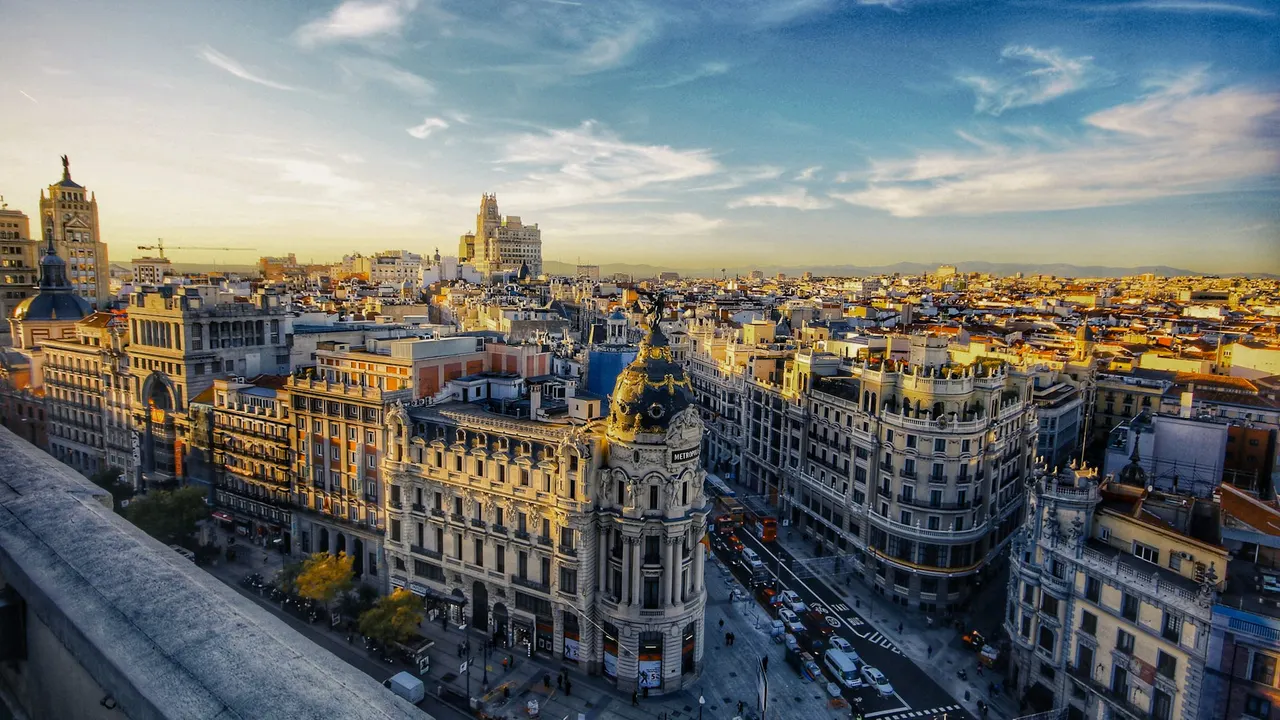
Madrid sits high on Spain's central plateau, with Sol, La Latina, Lavapiés, Malasaña, Chueca, Salamanca, Chamberí, Retiro, and Paseo del Arte linking royal power, late meals, football, art museums, plazas, and park life. The city's visitor rhythm is built around the Prado-Reina Sofía-Thyssen museum triangle by day and tapas streets around La Latina, Huertas, and Malasaña at night.
Food & drink
Madrid food is late, fried, and tavern-led: bocadillo de calamares stuffs fried squid rings into a crusty roll, cocido madrileno serves chickpea-and-meat stew in stages, tortilla espanola sets potato and egg into a thick omelet, and churros con chocolate anchors early-morning or late-night stops. Mercado de San Miguel, La Latina's Cava Baja, San Ginés, Lavapiés, Huertas, Chamberí taverns, and Mercado de la Paz add callos, jamon iberico, croquetas, patatas bravas, vermouth, and tapas crawls.
Events & festivals
- Jul 1
- Dates unconfirmed
Madrid Gay Pride
Annual event held between the last week of June and the first of July, with more than 1.
Planning lead · dates set closer in · Source: Month Signals
- Jul 2
- Jul 3
Associated occasion: Pride Day / Pride Month.
Planning lead · dates set closer in · Source: TripSapien festival dataset
- Jul 3
- Jul 4
Show all 15 events for July
- Jul 5
- Jul 6
- Jul 7
- Jul 7
- Jul 8
- Jul 8
- Jul 14 – Jul 17
Simply put, Mad Cool Festival puts together one of the best lineups in the world.
Planning lead · projected date · Source: TripSapien festival dataset
- Jul 30
- Jul 31
Top sights
Ranked for July suitability using weather, setting, ratings, and review volume.
- 1Royal Palace of Madrid
- 2Plaza Mayor
- 3Mercado de San Miguel
- 4Templo de Debod
- 5Gran Vía
- 6Prado Museum
- 7Thyssen-Bornemisza Museum
- 8Santiago Bernabéu Stadium
- 9Reina Sofía Museum
 1
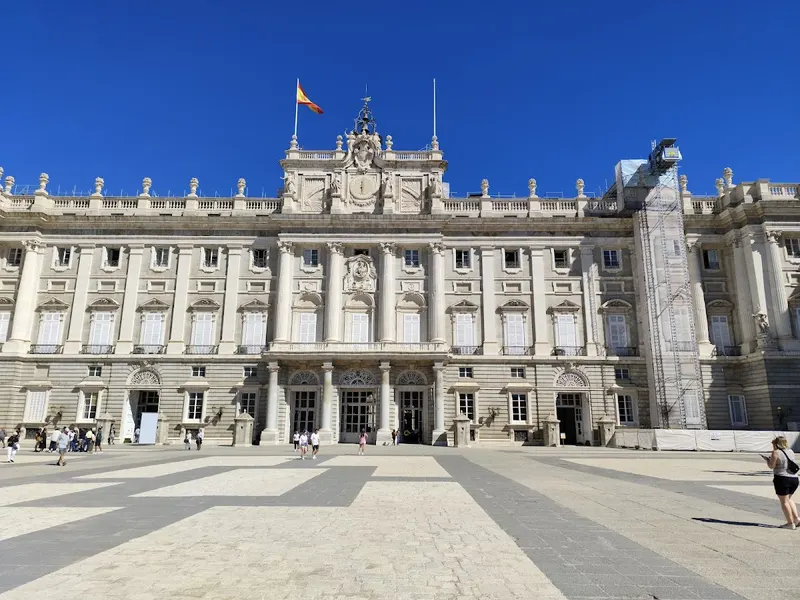
Royal Palace of Madrid
4.7★ · 134,971outdoorOpen dailyThe Bourbon palace was built in the 18th century on the old Alcázar site and includes state rooms, armory, pharmacy, frescoes, and royal collections. It stands beside Almudena Cathedral and Plaza de Oriente.
Wikipedia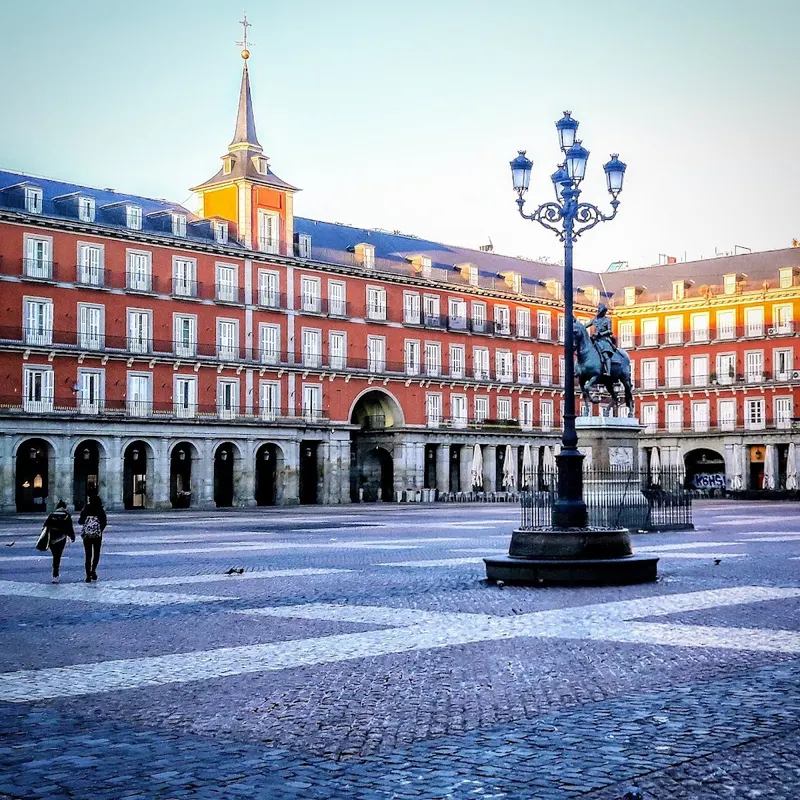 2
Plaza Mayor
4.6★ · 205,524outdoorThe arcaded Habsburg square was laid out in the 17th century and still frames cafes, arches, street performers, and seasonal markets. It is a short walk from Sol and Mercado de San Miguel.
 3
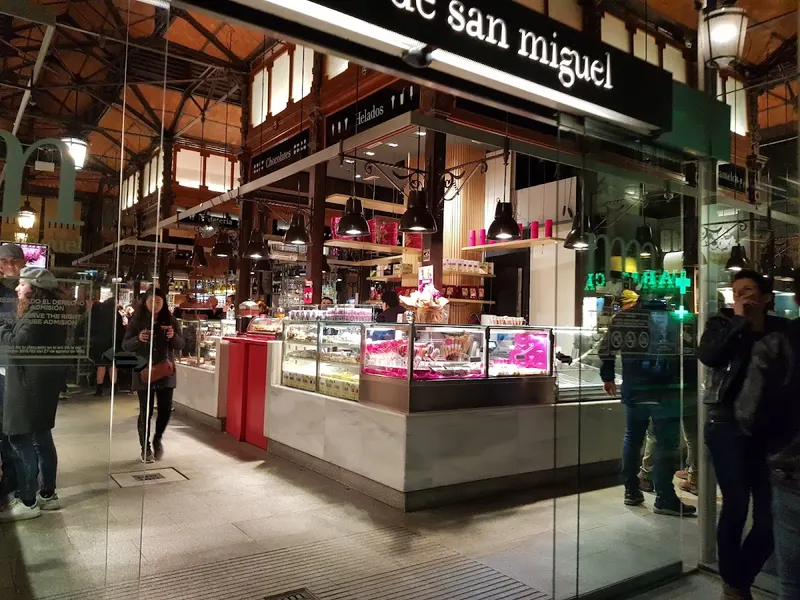
Mercado de San Miguel
4.4★ · 165,711outdoorOpen dailyThe 1916 iron-and-glass market hall near Plaza Mayor now concentrates tapas counters, seafood, vermouth, ham, olives, and sweets. It is popular and crowded but useful for first-time sampling.
Wikipedia
Show 6 more sights
4Templo de Debod
Egypt donated the ancient temple to Spain after the Aswan High Dam rescue campaign, and it was rebuilt in Parque del Oeste in the 1970s. Sunset views look toward Casa de Campo and the palace area.
Wikipedia5Gran Vía
The early 20th-century boulevard links Alcalá, Callao, and Plaza de España with theatres, shops, hotels, rooftop bars, and Madrid's best-known commercial facades. It is served by several Metro stops.
6Prado Museum
The museum opened in 1819 and holds Velázquez, Goya, El Greco, Rubens, Bosch, Titian, and Spanish royal collections along Paseo del Prado. It is the main anchor of the Golden Triangle of Art.
Reserve timed tickets for weekends and major exhibitions.
Wikipedia7Thyssen-Bornemisza Museum
The museum fills the gap between old masters and modern art with private-collection works from Van Eyck to Hopper. It sits between Prado and Plaza de Cibeles.
Wikipedia8Santiago Bernabéu Stadium
Real Madrid's stadium opened in 1947 on Paseo de la Castellana and has undergone major redevelopment. Tours cover club history, trophy rooms, seating areas, and the stadium works.
Tour access changes during construction phases and match weeks; check the club calendar.
Wikipedia9Reina Sofía Museum
The modern-art museum occupies a former hospital near Atocha and holds Picasso's Guernica, Dali, Miro, and 20th-century Spanish art. It pairs naturally with the Prado and Thyssen.
Wikipedia
Neighborhoods
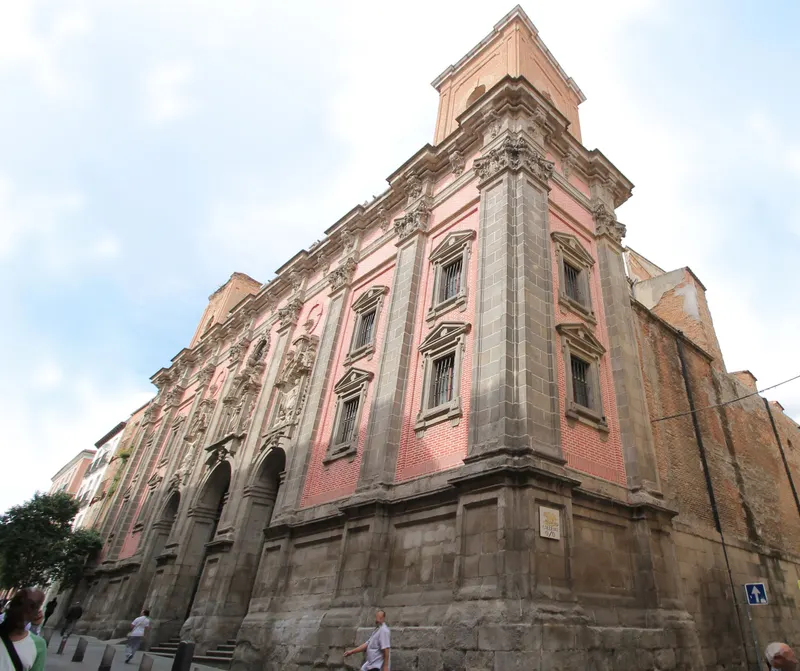 1
Sol, Letras, and Lavapiés
Sol, Letras, and Lavapiés are central and mixed, with Puerta del Sol, Huertas bars, theatres, immigrant restaurants, galleries, and Atocha access.
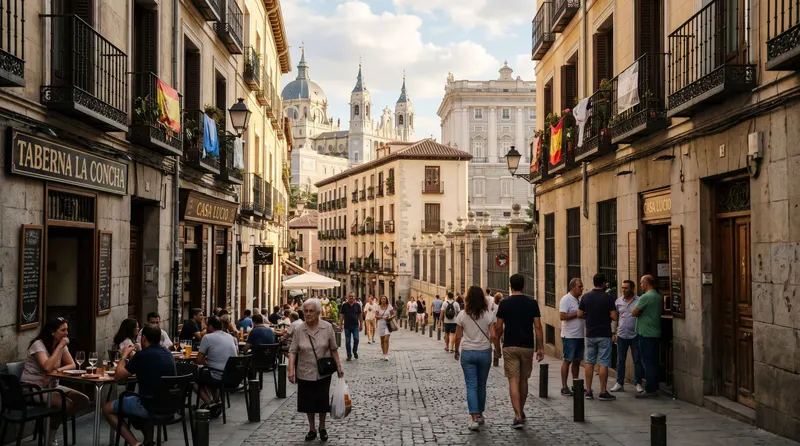 2
La Latina and Austrias
La Latina and Austrias are old-town Madrid, with Plaza Mayor, Cava Baja tapas, El Rastro, Royal Palace, Almudena, and narrow lanes.
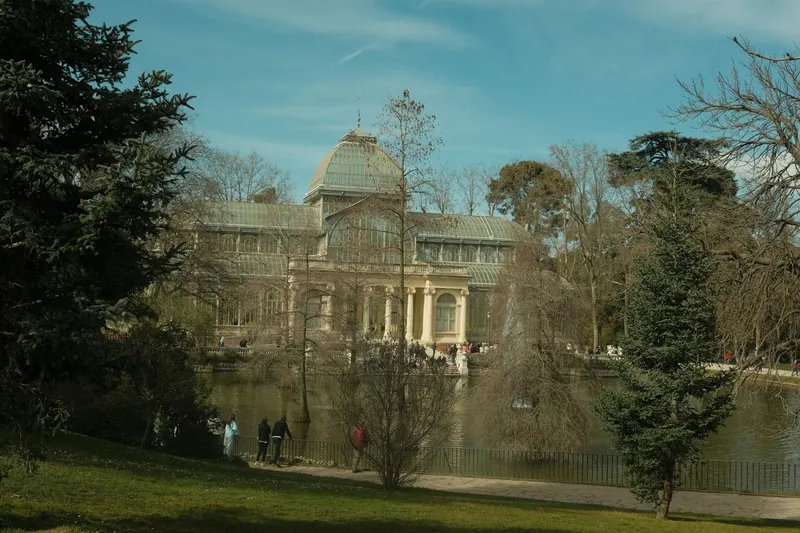 3
Retiro and Paseo del Arte
Retiro and Paseo del Arte are museum-and-park focused, with Prado, Reina Sofía, Thyssen, Cibeles, Atocha, and shaded park routes.
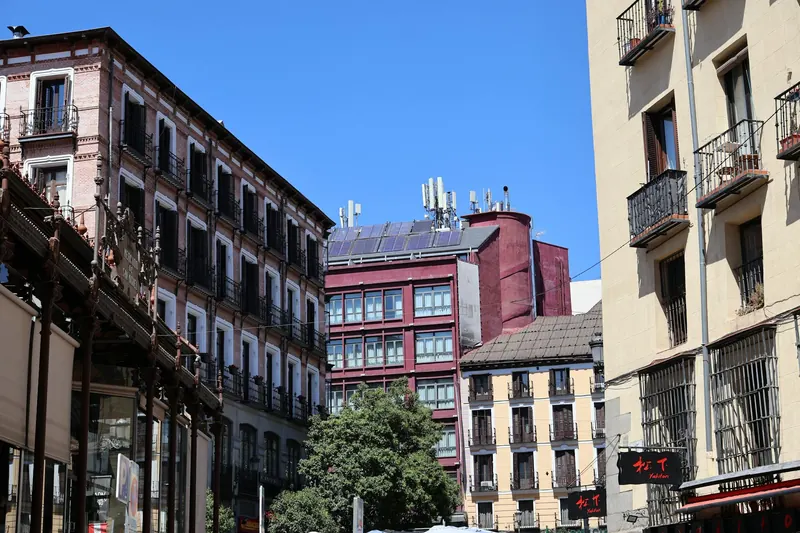 4
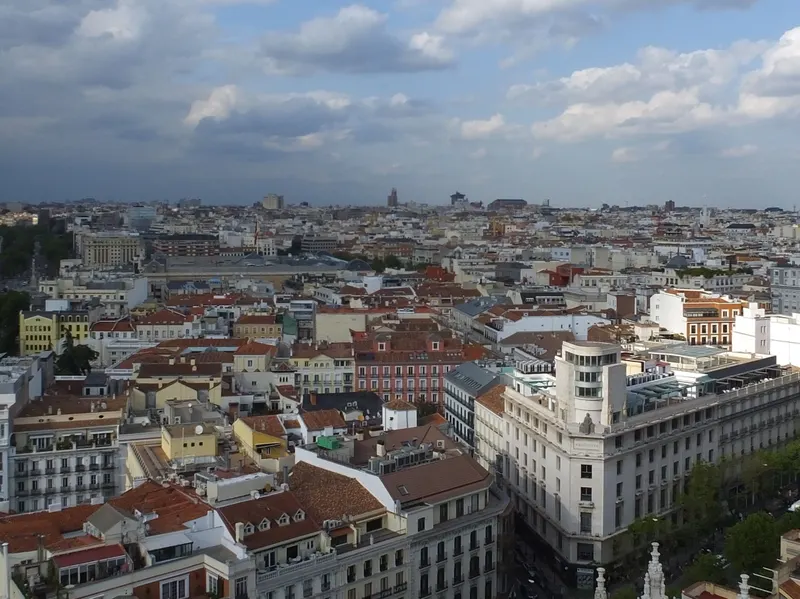
Malasaña and Chueca
Malasaña and Chueca are nightlife-and-design dense, with Conde Duque, Fuencarral, Plaza del Dos de Mayo, bars, cafes, and LGBTQ nightlife.
 5
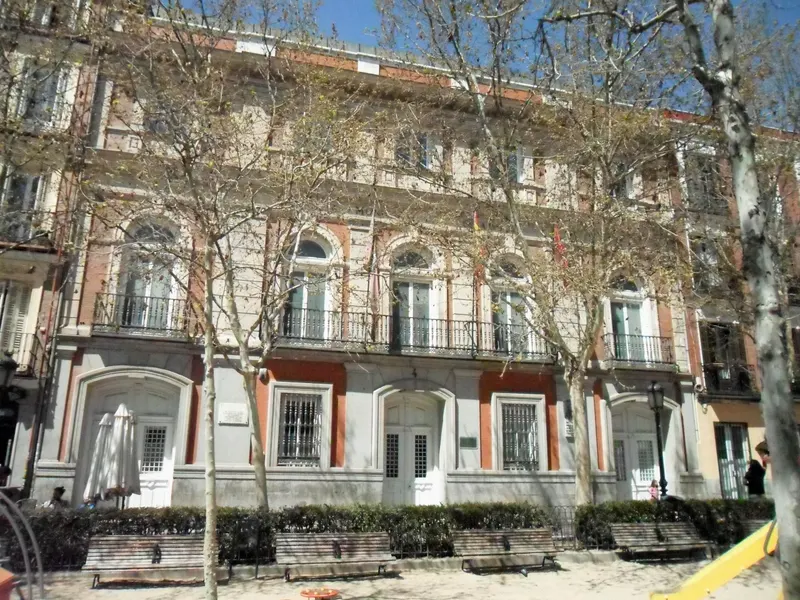
Salamanca
Salamanca is polished and shopping-led, with Serrano, Ortega y Gasset, Retiro edges, restaurants, galleries, and upscale hotels.
 6
Chamberí and Castellana
Chamberí and Castellana feel local and residential, with canal-side museums, plazas, old taverns, office towers, and Bernabéu access.
Getting around
Metro de Madrid, Cercanias trains, buses, and contactless Multi cards cover the city and suburbs. Use Metro for neighborhoods and stadiums, Cercanias for Atocha-Chamartín links and El Escorial, and AVE trains for Toledo and Segovia.
Barcelona
Barcelona in July
TempTemperature
83°F / 69°F
28.4°C / 20.7°C
RainPrecipitation
2d
0.8in · 20mm
LightDaylight
14.7h
Sea
81°F
27.2°C
July is hot and crowded, so book Gaudí tickets early and use mornings for exposed Montjuïc sites.
City overview
Barcelona is the Catalan Mediterranean city where the Collserola hills, Montjuïc, and the old port frame Eixample blocks, Gothic lanes, and Barceloneta beaches. Its strongest days link Gaudí architecture in Eixample and Gràcia with medieval streets in the Gothic Quarter and El Born, then finish on the waterfront or a Poble-sec tapas crawl.
Food & drink
Barcelona food is Catalan before it is generic Spanish: pa amb tomaquet is bread rubbed with tomato, olive oil, and salt, bombas are fried potato-and-meat balls with brava sauce or allioli, and fideua swaps paella rice for short noodles. La Boqueria, Santa Caterina Market, Carrer de Blai in Poble-sec, Barceloneta seafood houses, and Gràcia plazas add escalivada, seafood rice, crema catalana, jamon, calcots in season, and vermouth with conservas.
Events & festivals
- Jun 25 – Jul 3
International short film festival: fantasy, horror or sci-fi.
Planning lead · projected date · Source: TripSapien festival dataset
- Jul 1 – Jul 3
Tucked away in the woody reserves of the ancient Masia de Can Parellada just south of Barcelona, this boutique fest has become a welcome addition to the Spanish summer.
Planning lead · projected date · Source: TripSapien festival dataset
- Dates unconfirmed
The most famous and biggest one day/night electronic music festivals in Spain is in the desert of Fraga, from Barcelona.
Planning lead · dates set closer in · Source: Month Signals
- Jul 2 – Jul 4
Rock Fest Barcelona is a rock and heavy metal festival held in Barcelona.
Planning lead · projected date · Source: TripSapien festival dataset
- Jul 10
- Jul 10
Show all 10 events for July
- Jul 11
- Jul 11
- Jul 14 – Jul 17
It's summer in the city and Cruilla Barcelona arrives to continue the party with a full weekend of music at the Parc del Fòrum (the same home of Primavera Sound).
Planning lead · projected date · Source: TripSapien festival dataset
- Jul 16 – Jul 17
SoundIT Festival was born with a clear intention, to create a space where you can discover, dance and feel with 5 stages, 2 days, 24 hours of music and more than 60 artists.
Planning lead · projected date · Source: TripSapien festival dataset
Top sights
Ranked for July suitability using weather, setting, ratings, and review volume.
- 1Casa Batlló
- 2Mercat de la Boqueria
- 3Park Güell
- 4Barceloneta Beach and Port Vell
- 5Sagrada Família
- 6Palau de la Música Catalana
- 7Montjuïc and Museu Nacional d'Art de Catalunya
- 8La Pedrera - Casa Milà
- 9Barcelona Cathedral and the Gothic Quarter
- 10Picasso Museum
 1
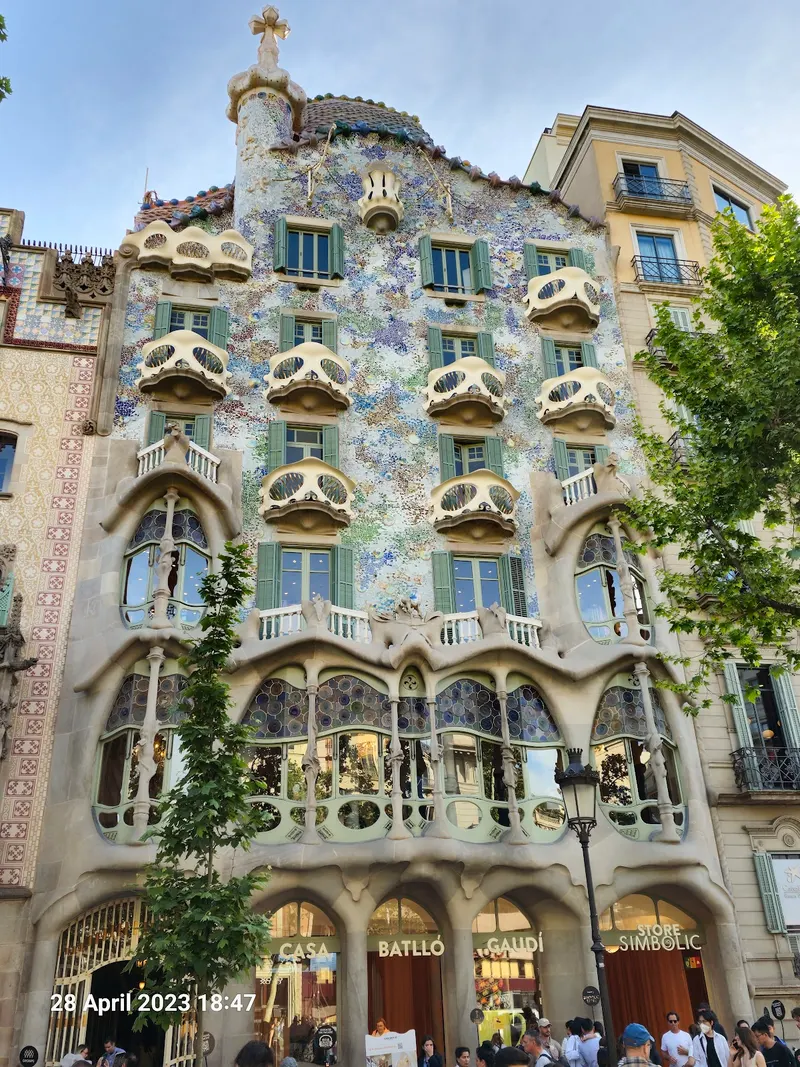
Casa Batlló
4.7★ · 222,362outdoorOpen dailyGaudí remodeled the Passeig de Gràcia house from 1904 to 1906 with a skeletal facade, tiled roof, light well, and marine interior details. It stands a short walk from Plaça de Catalunya and La Pedrera.
Wikipedia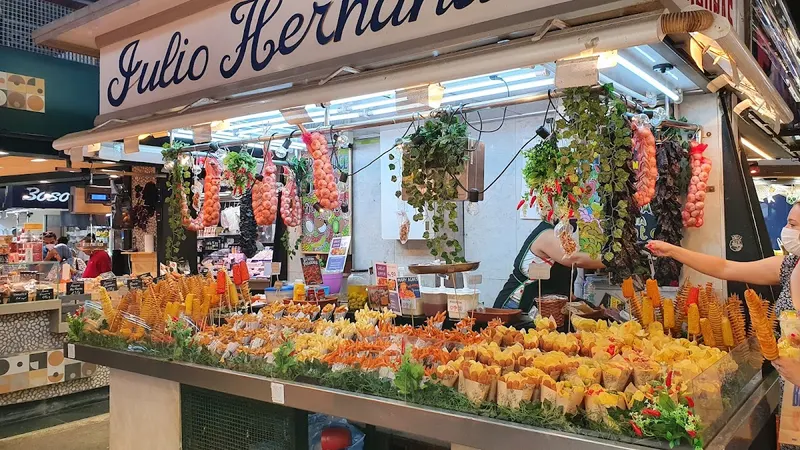 2
Mercat de la Boqueria
4.5★ · 217,320outdoorClosed SunLa Boqueria traces market activity on La Rambla for centuries and the present iron market hall dates from the 19th century. Fruit stalls, seafood counters, jamon, and tapas bars make it a central food stop near the Gothic Quarter.
Wikipedia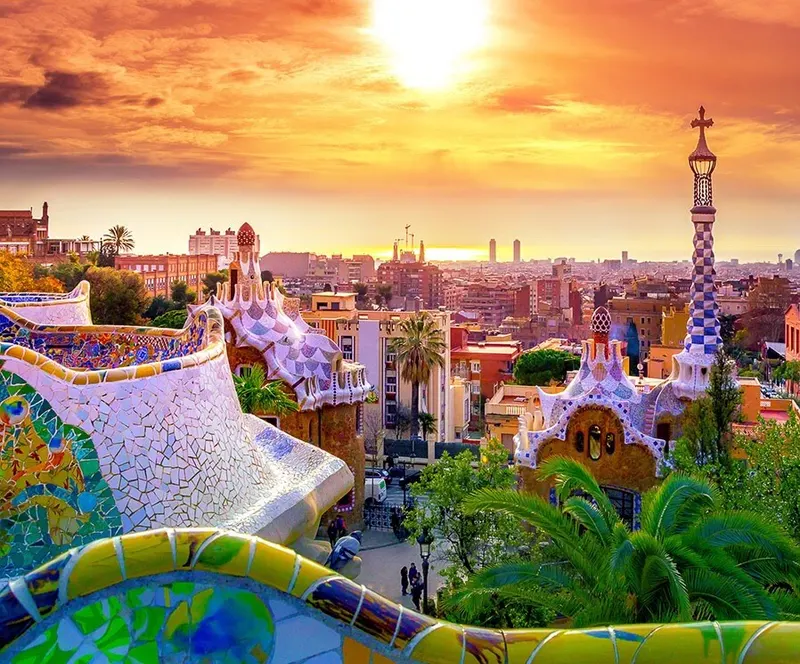 3
Park Güell
4.4★ · 244,323outdoorOpen dailyGaudí and patron Eusebi Güell developed the hillside garden-city project between 1900 and 1914. The mosaic terrace, serpentine bench, dragon stairway, Hypostyle Room, and city views sit above Gràcia.
WikipediaThe Monumental Zone requires timed entry and is easiest by bus or taxi uphill.
Show 7 more sights
4Barceloneta Beach and Port Vell
The old fishing quarter was rebuilt in the 18th century and now links city beaches, seafood restaurants, the marina, and Port Vell promenades. It is walkable from the Gothic Quarter through the waterfront and works well after museum-heavy mornings.
5Sagrada Família
Construction began in 1882 and Antoni Gaudí took over in 1883, turning the basilica into Barcelona's defining long-build landmark. The Nativity and Passion facades, forest-like nave, towers, and museum sit in Eixample near the Sagrada Família metro station.
Timed tickets sell out in peak periods; tower access is a separate ticket choice.
Wikipedia6Palau de la Música Catalana
Lluis Domenech i Montaner built the Modernista concert hall from 1905 to 1908 for the Orfeo Catala choir. The stained-glass skylight, mosaics, sculpture, and concerts sit between El Born and the Gothic Quarter.
Wikipedia7Montjuïc and Museu Nacional d'Art de Catalunya
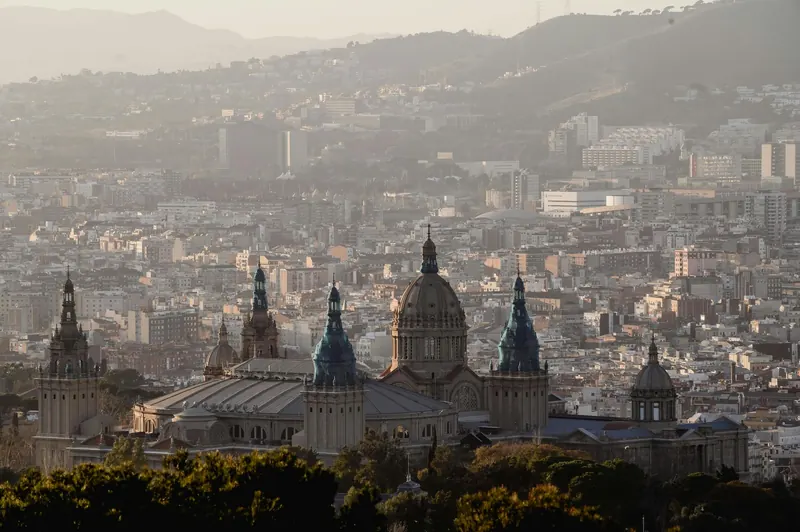
The Palau Nacional was built for the 1929 International Exposition and now holds Romanesque frescoes, Gothic art, and Catalan collections as MNAC. Montjuïc adds gardens, Olympic sites, castle views, and the Magic Fountain area above Plaça d'Espanya.
8La Pedrera - Casa Milà
Gaudí built Casa Milà from 1906 to 1912 for the Milà family, using a wave-like stone facade, iron balconies, courtyards, attic arches, and warrior-shaped chimneys. It anchors upper Passeig de Gràcia in Eixample.
9Barcelona Cathedral and the Gothic Quarter
The cathedral began in 1298 on earlier Christian and Roman layers and now anchors the Barri Gòtic with cloisters, chapels, and narrow lanes. Plaça del Rei, Plaça Sant Jaume, and Roman wall fragments are all nearby.
10Picasso Museum
The museum opened in 1963 inside linked medieval palaces on Carrer de Montcada in El Born. It is especially strong on Picasso's early Barcelona years and sits near Santa Maria del Mar.
Wikipedia
Neighborhoods
 1
Eixample
Eixample is ordered and architectural, with chamfered blocks, Passeig de Gràcia, Sagrada Família, Casa Batlló, La Pedrera, boutiques, and broad cafe corners.
 2
Barri Gòtic
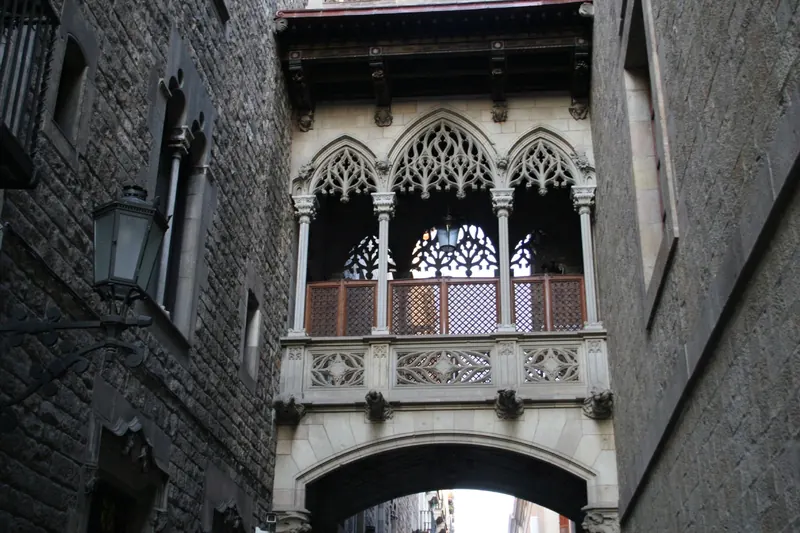
The Gothic Quarter is dense and medieval, with Barcelona Cathedral, Plaça del Rei, Roman walls, Plaça Sant Jaume, bars, shops, and heavy pedestrian flow.
 3
El Born and La Ribera
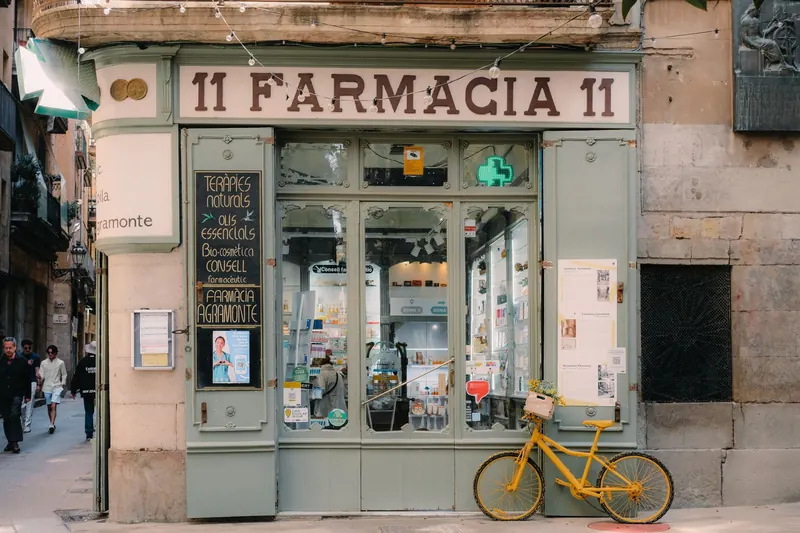
El Born is creative and evening-ready, with Santa Maria del Mar, Picasso Museum, Carrer de Montcada palaces, cocktail bars, and small design stores.
 4
Gràcia
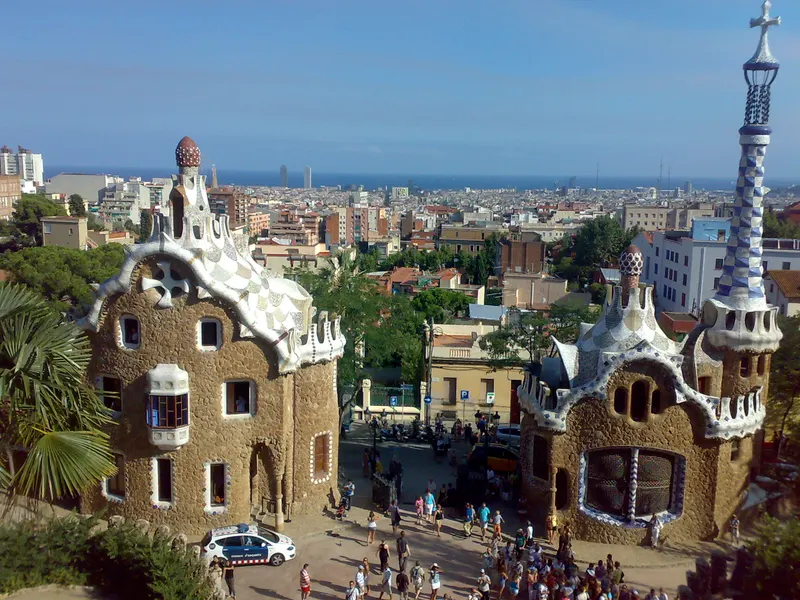
Gràcia feels village-like and local, with Plaça del Sol, small cinemas, independent shops, vermouth bars, and uphill access toward Park Güell.
 5
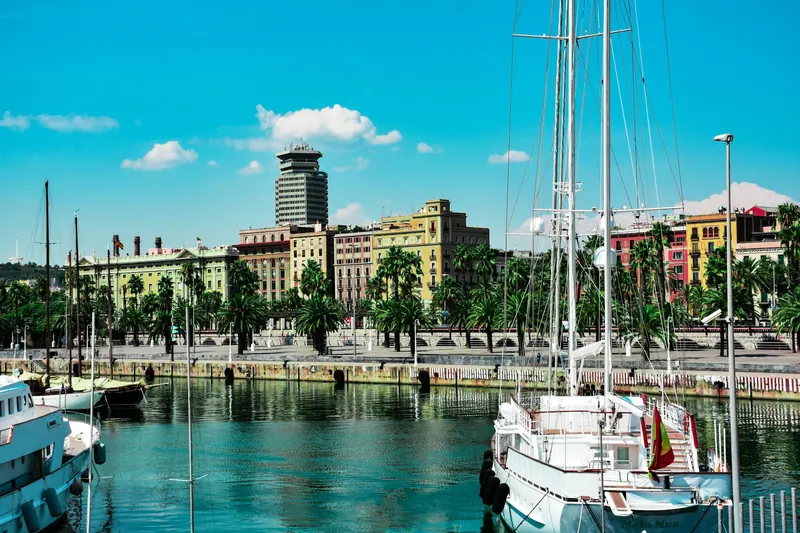
Barceloneta and Port Vell
The waterfront side is salty and open, with beaches, seafood counters, marina walks, Port Vell, beach clubs, and bike paths.
 6
Poble-sec and Montjuïc
Poble-sec is tapas-heavy and hill-backed, with Carrer de Blai, theaters on Paral-lel, Montjuïc gardens, Olympic sites, and MNAC above it.
Getting around
TMB metro, buses, trams, Rodalies trains, FGC trains, and integrated T-casual or contactless tickets cover nearly every visitor route. The Gothic Quarter, El Born, Barceloneta, and Eixample are best linked by walking and metro hops rather than taxis through narrow streets.
Seville
Seville in July
TempTemperature
98°F / 68°F
36.4°C / 19.8°C
RainPrecipitation
0d
0in · 0mm
LightDaylight
14.3h
July is extremely hot and dry, so plan only early mornings, late evenings, and air-conditioned interiors.
City overview
Seville is Andalusia’s Guadalquivir River capital, where Almohad towers, Gothic vaults, Mudéjar palaces, orange-tree courtyards, and flamenco districts sit under some of Europe’s hottest summer skies. Santa Cruz frames the cathedral and Alcázar, Triana carries ceramics and flamenco across the river, and El Arenal, Macarena, and Los Remedios fill in bullring, market, and Feria layers.
Food & drink
Seville plates are built around salmorejo, gazpacho, espinacas con garbanzos, carrillada, pescaíto frito, jamón ibérico, montaditos, and torrijas. Mercado de Triana, Calle Mateos Gago, El Rinconcillo, Feria market, and Alameda bars make the tapas crawl straightforward.
Top sights
Ranked for July suitability using weather, setting, ratings, and review volume.
- 1Plaza de España
- 2Seville Cathedral and Giralda
- 3Triana Bridge and Mercado de Triana
- 4Torre del Oro
- 5Metropol Parasol (Las Setas)
- 6Hospital de los Venerables
- 7Real Alcázar of Seville
- 8Museo de Bellas Artes
- 9Archivo General de Indias
- 10Casa de Pilatos
 1
Plaza de España
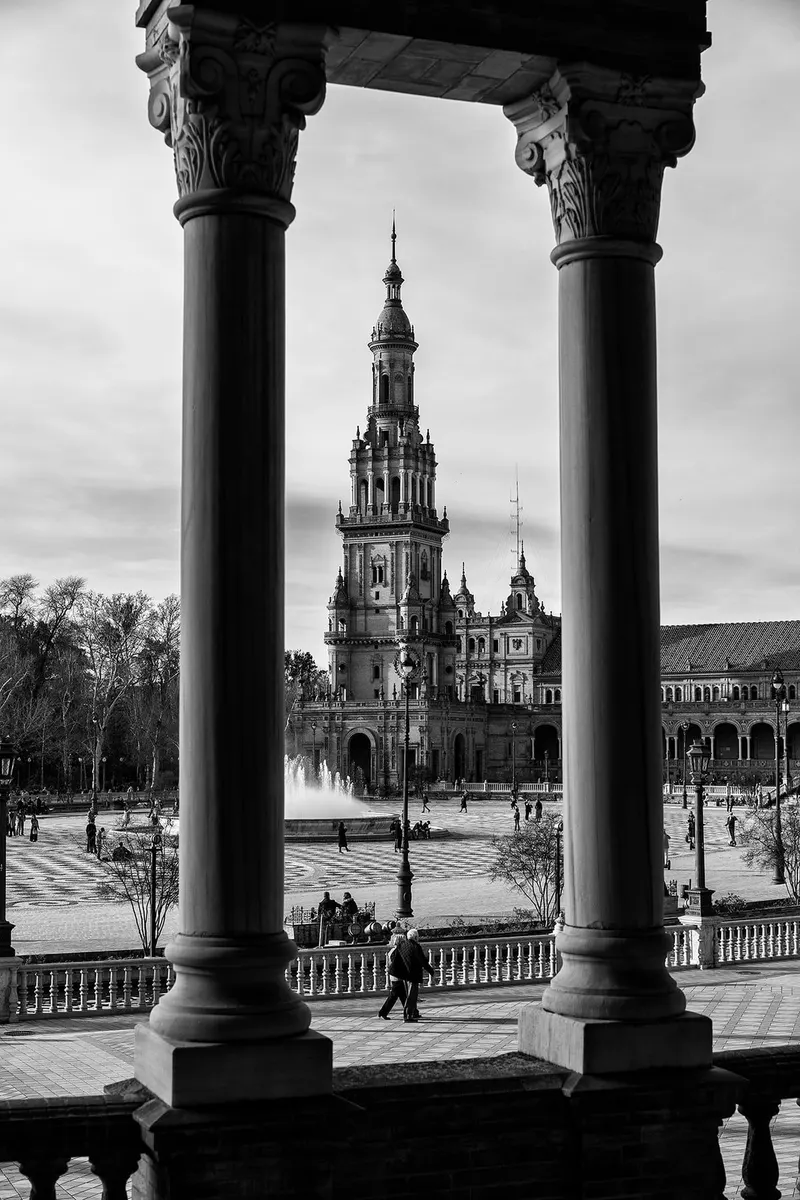
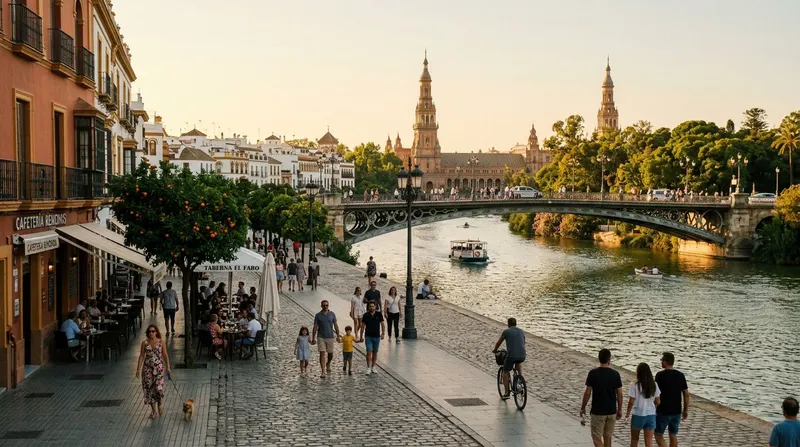
4.8★ · 192,281outdoorOpen dailyAníbal González designed the tiled crescent, bridges, and towers for the 1929 Ibero-American Exposition. The plaza sits inside Parque de María Luisa, a 15-minute walk from the cathedral area.
 2
Seville Cathedral and Giralda
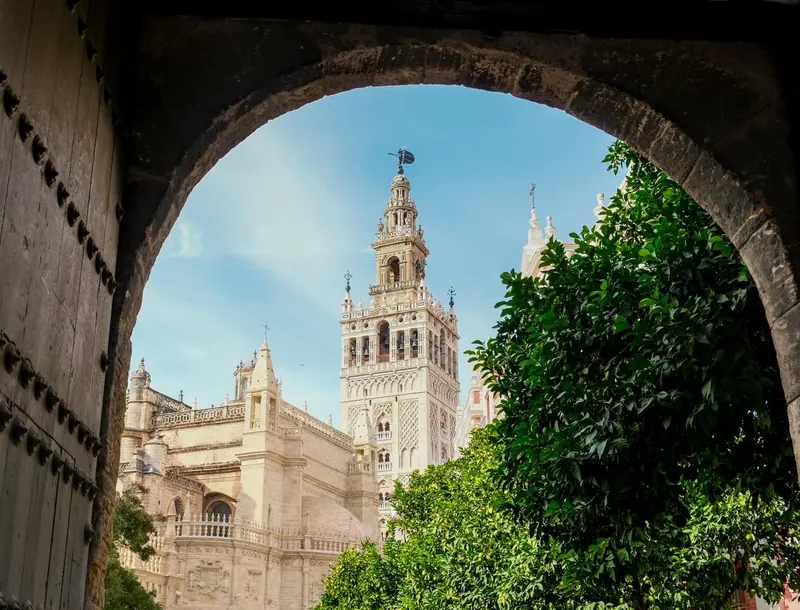
4.7★ · 60,694outdoorThe cathedral was completed in 1506 on the site of the Almohad mosque, while the Giralda began as a 12th-century minaret before gaining its Renaissance belfry. The complex stands between Plaza Virgen de los Reyes and the Alcázar walls.
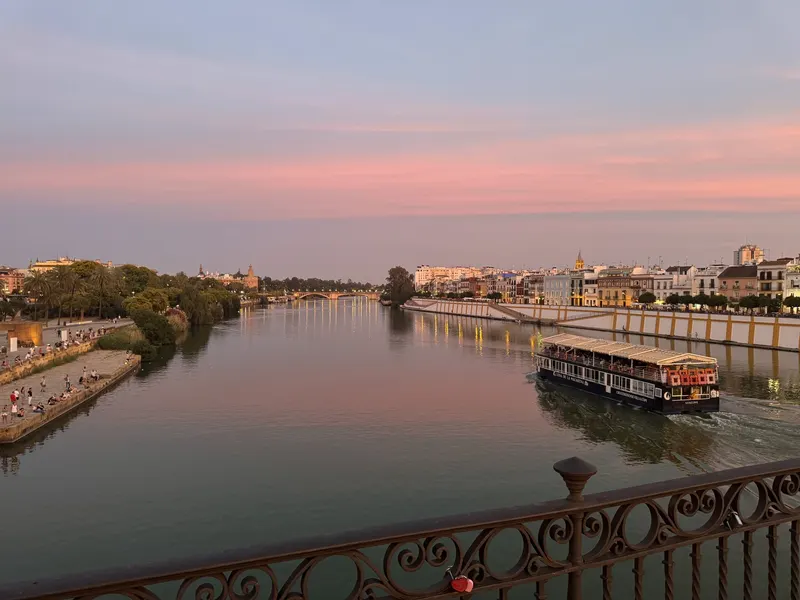 3
Triana Bridge and Mercado de Triana
4.7★ · 21,535outdoorOpen dailyThe Isabel II Bridge opened in 1852 as Seville’s iron link to Triana, replacing a boat bridge. On the west bank, Mercado de Triana sits above the remains of San Jorge Castle.
Show 7 more sights
4Torre del Oro
The Almohads built the riverside defensive tower in the 1220s to control Guadalquivir access. It now holds a small naval museum near the Maestranza bullring and river cruises.
Wikipedia5Metropol Parasol (Las Setas)
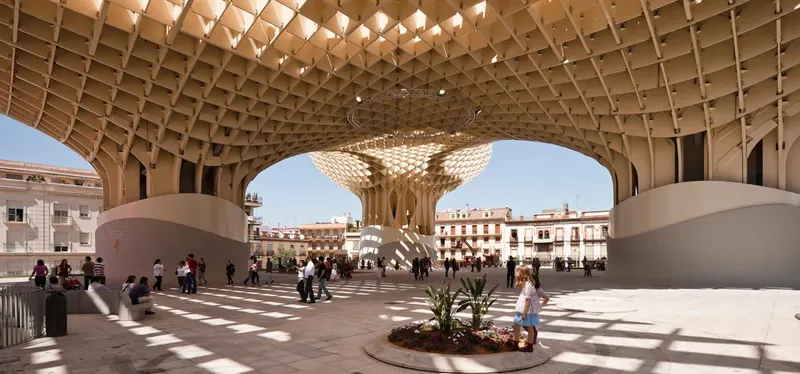
Jürgen Mayer H. completed the giant timber canopy in 2011 over Plaza de la Encarnación. The rooftop walkway gives sunset views above the old center and the basement preserves Roman remains.
6Hospital de los Venerables
The 17th-century former priests’ residence in Santa Cruz has baroque courtyards, frescoes, and the Velázquez Centre collection. It is tucked into Plaza de los Venerables behind the cathedral lanes.
Wikipedia7Real Alcázar of Seville
Pedro I built the Mudéjar palace core in the 1360s with Muslim craftsmen, later kings added gardens and apartments, and the complex remains a royal residence. It sits beside the cathedral at the edge of Santa Cruz.
Timed tickets sell out during Semana Santa, Feria de Abril, and spring weekends.
8Museo de Bellas Artes
Founded as a museum in 1839 inside the former Merced Calzada convent, it holds major works by Murillo, Zurbarán, Valdés Leal, and other Sevillian painters. The galleries stand on Plaza del Museo west of the shopping center.
9Archivo General de Indias
Juan de Herrera designed the 16th-century merchants’ exchange that became the archive for Spain’s American empire. The UNESCO-listed building stands between the cathedral and Alcázar.
Wikipedia10Casa de Pilatos
The 15th- and 16th-century palace blends Mudéjar tilework, Renaissance sculpture, patios, and gardens from the Medinaceli family. It stands northeast of Santa Cruz near Plaza de Pilatos.
Wikipedia
Neighborhoods
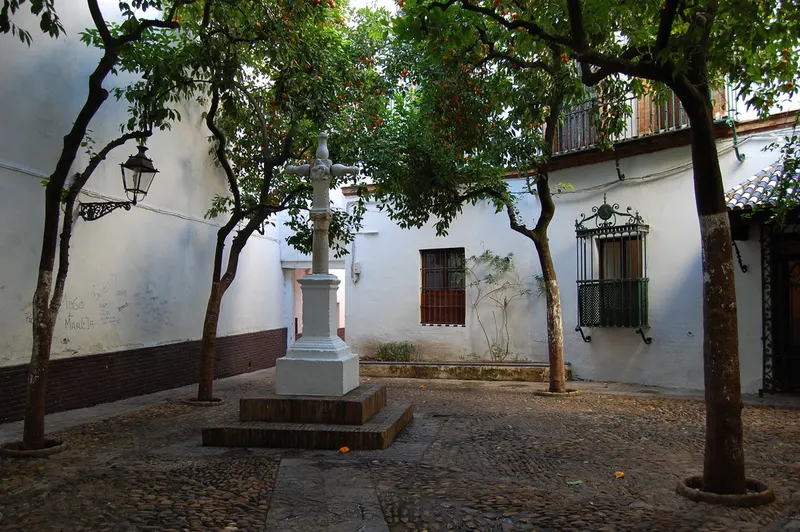 1
Santa Cruz
Santa Cruz is the old Jewish quarter, with narrow lanes, orange trees, hidden plazas, the Alcázar, cathedral views, and heavy daytime visitor traffic.
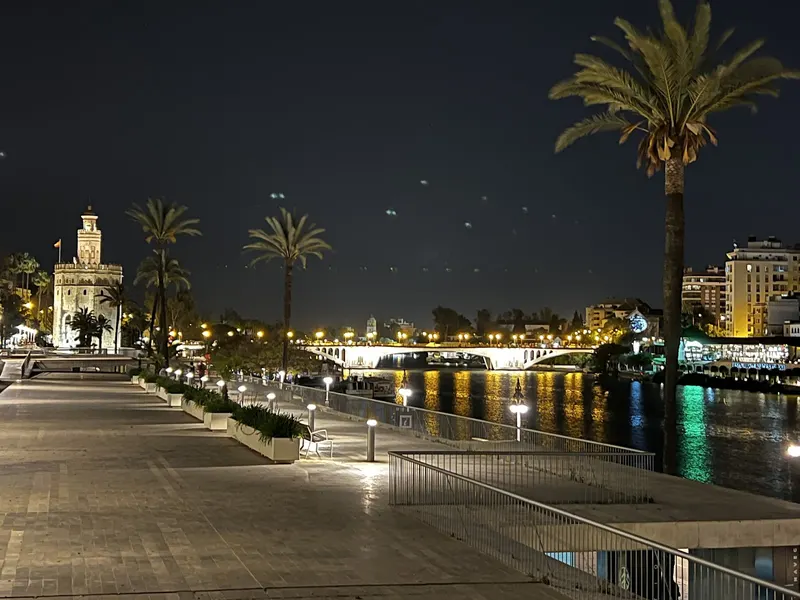 2
El Arenal
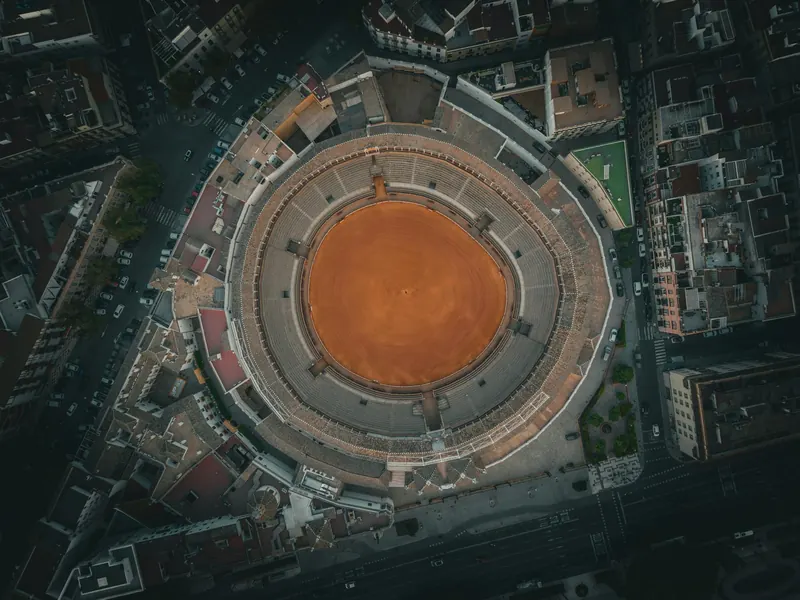
El Arenal is river-and-bullring Seville, anchored by the Maestranza, Torre del Oro, opera houses, tapas bars, and Guadalquivir boat docks.
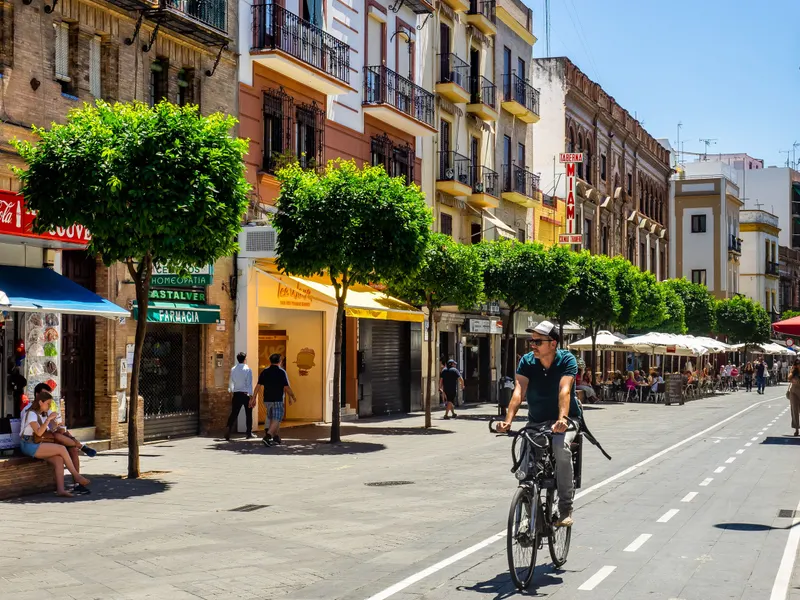 3
Triana
Triana feels proud and local, with ceramic workshops, Mercado de Triana, Calle Betis, flamenco bars, and deep ties to sailors and bullfighters.
 4
Centro, Alfalfa, and Encarnación
Central Seville is shopping, tapas, and nightlife, with Las Setas, Salvador church, Calle Sierpes, Plaza Nueva, and Alfalfa bars packed together.
 5
Macarena and Feria
Macarena and Feria are market-and-procession districts, with Alameda de Hércules, Basilica de la Macarena, Feria market, and older residential streets.
 6
Los Remedios and Parque de María Luisa
Los Remedios is the Feria de Abril side of the river, while María Luisa adds Plaza de España, shade, museums, and ceremonial exposition avenues.
Getting around
The historic core is easiest on foot, with TUSSAM buses, MetroCentro tram, one metro line, taxis, and Sevici bikes handling longer hops to Santa Justa, Triana, Los Remedios, and Plaza de España. Summer heat makes midday taxis and tram rides more practical than heroic walking.
Planning the Spain Classic route?
Add your dates and we'll pace all 3 cities — every place checked for closures, limited hours, and booking needs in July.
Weather by month for the Spain Classic trip
In July, climate averages for Madrid, Barcelona and Seville show daytime highs from 28°C / 82°F to 36°C / 97°F, with nights down to about 19°C / 66°F in the coolest of those cities. The rainiest of those cities averages about 2 rainy days. Based on climate averages for Madrid, Barcelona and Seville, July is one of the less comfortable months by weather.
The most comfortable months for this route are April, October and May, based on average daytime temperatures and rainfall in Madrid, Barcelona and Seville. July 2027 is a lower-comfort month.
Common questions about the Spain Classic trip
- When is the best time to do the Spain Classic trip?
- The most comfortable months across Madrid, Barcelona and Seville are April, October and May, based on average daytime temperatures and rainfall for those cities. July is one of the less comfortable months by weather — see the city climate sections below for the averages in July 2027.
- How many days do you need for the Spain Classic trip?
- A comfortable Spain Classic trip runs about 8–10 days, allowing roughly Madrid 3, Barcelona 3, Seville 2 nights plus travel between stops. Add a day if you want a slower pace or extra day trips.
- What's the route for the Spain Classic trip?
- The classic order is Madrid, Barcelona & Seville. The detailed month sections below cover Madrid, Barcelona and Seville.
Ready to plan the Spain Classic trip?
Turn this route into a day-by-day plan for July 2027, every stop checked for closures and booking needs on your exact dates.