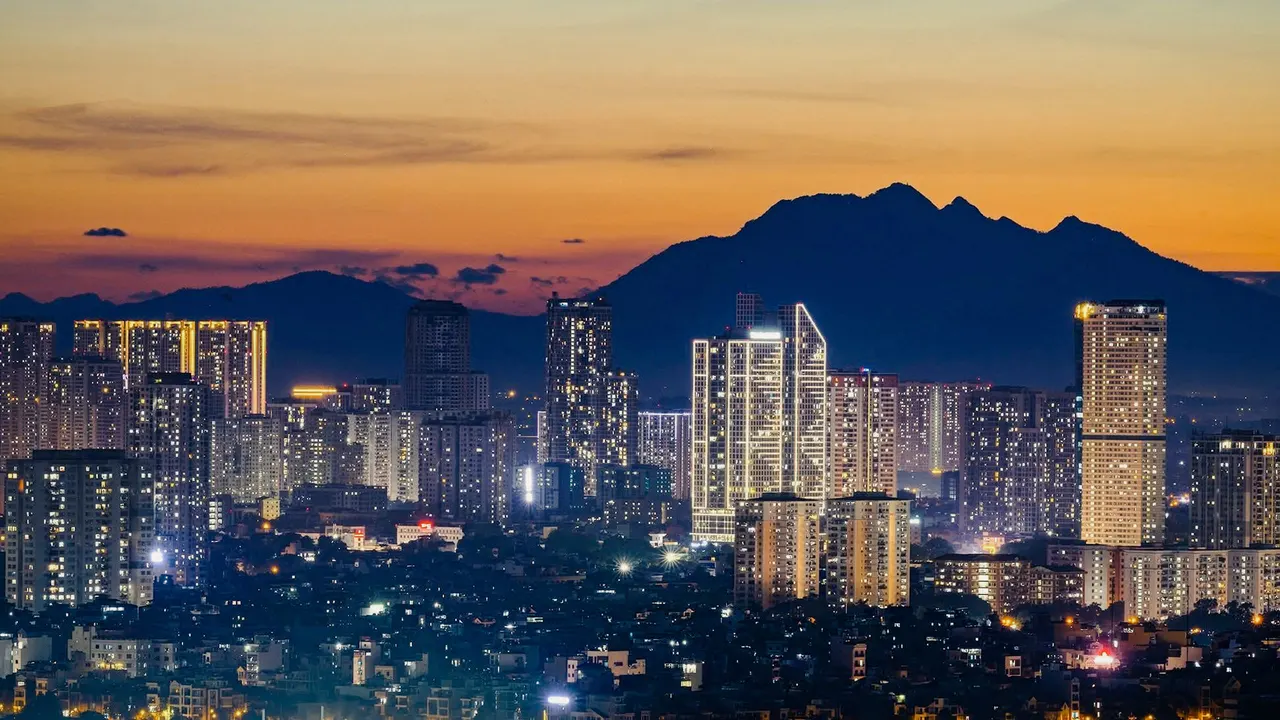
Vietnam North to South itinerary — March 2027
For the Vietnam North to South trip (Hanoi, Hoi An & Ho Chi Minh City), March 2027 is a comfortable month by weather. Across Hanoi, Hoi An and Ho Chi Minh City, daytime highs run from about 24°C / 75°F to 34°C / 93°F. Plan around 8–10 days for the full Hanoi, Hoi An & Ho Chi Minh City loop.
In this order — about 8–10 days:
- Hanoi3 nights
- Hoi An2 nights
- Ho Chi Minh City3 nights
- Route noteReserve the longest intercity leg first and keep transfer days free of timed sights.
By TripSapien · Updated August 24, 2026
Hanoi
Hanoi in March
TempTemperature
75°F / 65°F
23.7°C / 18.3°C
RainPrecipitation
16d
1.4in · 35mm
LightDaylight
11.9h
March is humid and misty, good for museums while sidewalks and scooters stay slick.
City overview
Hanoi is Vietnam's Red River capital, where Hoàn Kiếm Lake, the 36-street Old Quarter, French-colonial boulevards, and West Lake sit inside a city shaped by Chinese, French, North Vietnamese, and reunification-era layers. Ba Đình carries state monuments, Hoàn Kiếm carries the old commercial core, and Tây Hồ adds lakeside temples and expat cafes.
Food & drink
Hanoi food is built around pho bo, bun cha, cha ca, banh cuon, xoi xeo, bun thang, egg coffee, and bia hoi. Dong Xuan Market, Ta Hien beer corner, Tong Duy Tan food street, and Cha Ca Street are more city-specific anchors than hotel buffets.
Top sights
Ranked for March suitability using weather, setting, ratings, and review volume.
- 1Temple of Literature
- 2Museum of Ethnology
- 3Vietnam Military History Museum
- 4Hoàn Kiếm Lake and Ngọc Sơn Temple
- 5Vietnamese Women's Museum
- 6West Lake and Trấn Quốc Pagoda
- 7National Museum of Vietnamese History
- 8One-Pillar Pagoda
- 9Old Quarter (36 Streets)
- 10Ho Chi Minh Mausoleum and Presidential Palace Area
 1
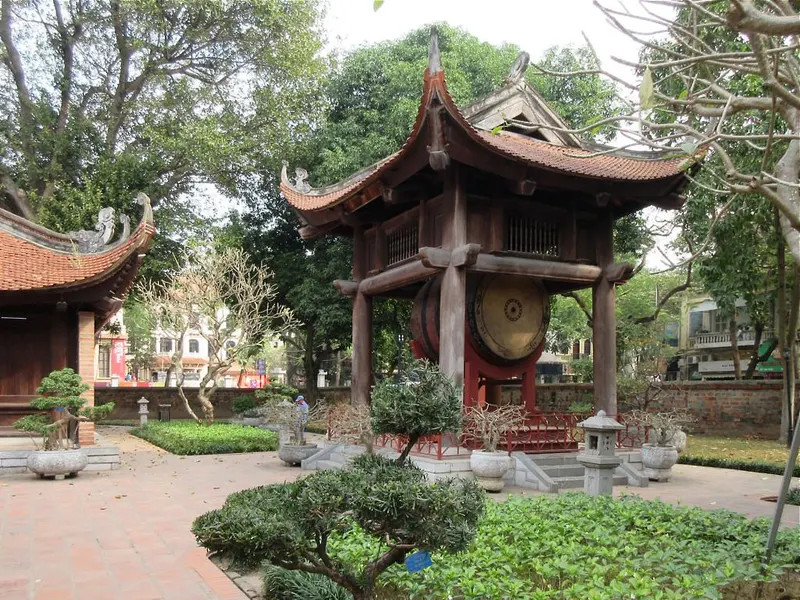
1Temple of Literature
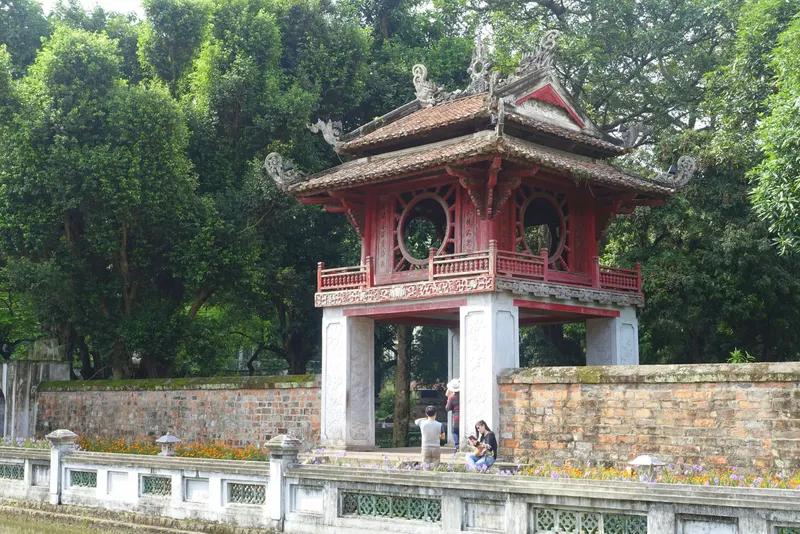
4.6★ · 23,648indoorOpen dailyFounded in 1070, Van Mieu became Vietnam's first university in 1076 and still holds courtyards, Confucian altars, and stone doctorate steles on turtle bases. It sits west of Hoàn Kiếm near Đống Đa.
Wikipedia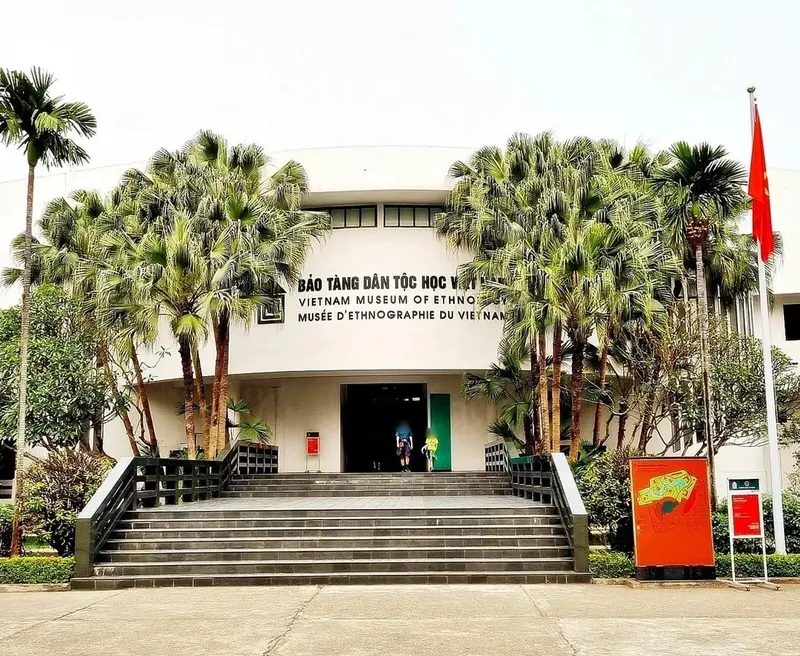 2
2Museum of Ethnology
4.6★ · 15,143indoorClosed MonThe Cầu Giấy museum explains Vietnam's ethnic groups with indoor displays and outdoor reconstructed houses. It is one of the best English-labeled cultural stops outside the Old Quarter.
Wikipedia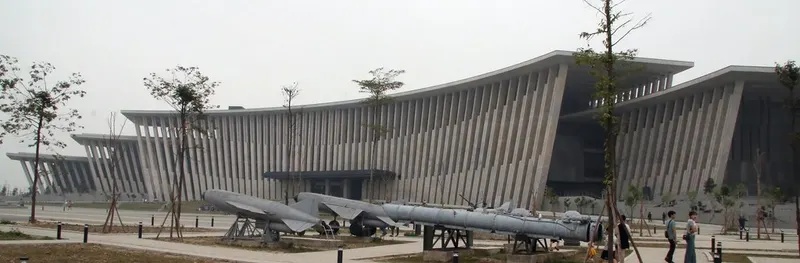 3
3Vietnam Military History Museum
4.5★ · 12,234indoorClosed Mon/FriThe museum moved in 2024 to a large 39-hectare site about 12km from its former Flag Tower location. Outdoor aircraft, tanks, artillery, and bilingual exhibits cover conflicts from early Vietnam to the 20th century.
Wikipedia
Show 7 more sights
- 4Hoàn Kiếm Lake and Ngọc Sơn Temple
- 5Vietnamese Women's Museum
- 6West Lake and Trấn Quốc Pagoda
- 7National Museum of Vietnamese History
- 8One-Pillar Pagoda
- 9Old Quarter (36 Streets)
- 10Ho Chi Minh Mausoleum and Presidential Palace Area
Neighborhoods
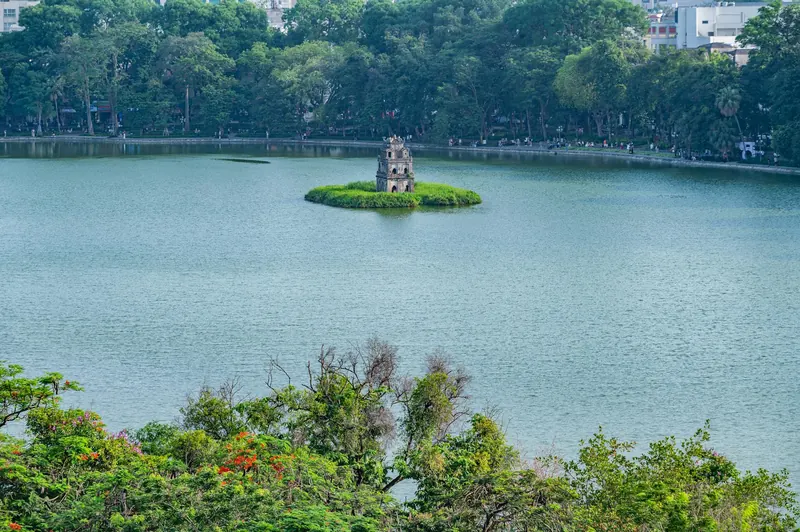 1
1Hoàn Kiếm Old Quarter
The Old Quarter is compact, noisy, and commercial, with Hang streets, Dong Xuan Market, beer corners, Hoàn Kiếm Lake, and constant scooter movement.
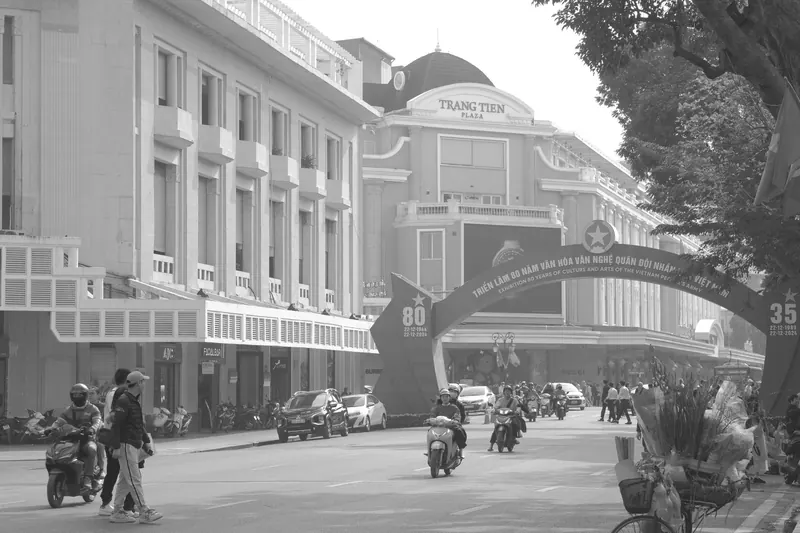 2
2French Quarter and Trang Tien
The French Quarter has wider boulevards, the Opera House, Trang Tien Plaza, colonial facades, embassies, and calmer blocks southeast of Hoàn Kiếm.
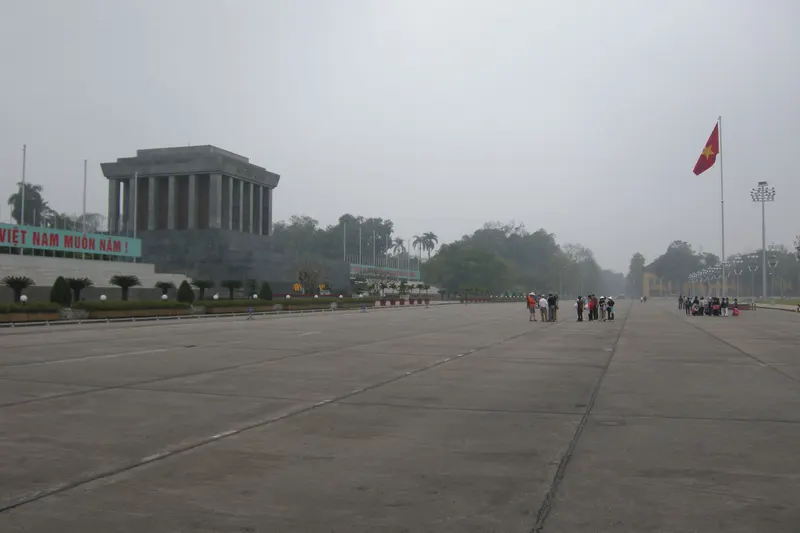 3
3Ba Đình
Ba Đình feels monumental and official, with the mausoleum, Presidential Palace grounds, One-Pillar Pagoda, government buildings, and wide parade spaces.
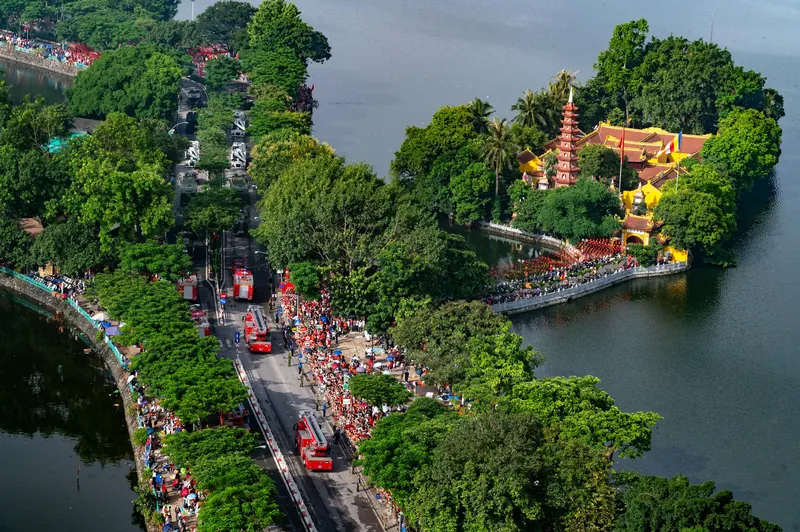 4
4Tây Hồ and Quang An
Tây Hồ is lakeside Hanoi, with West Lake views, Trấn Quốc Pagoda, cafes, international restaurants, villas, and long scooter loops.
 5
5Đống Đa
Đống Đa is local and academic, with the Temple of Literature, universities, train-station edges, street food, and denser residential lanes.
 6
6Cầu Giấy
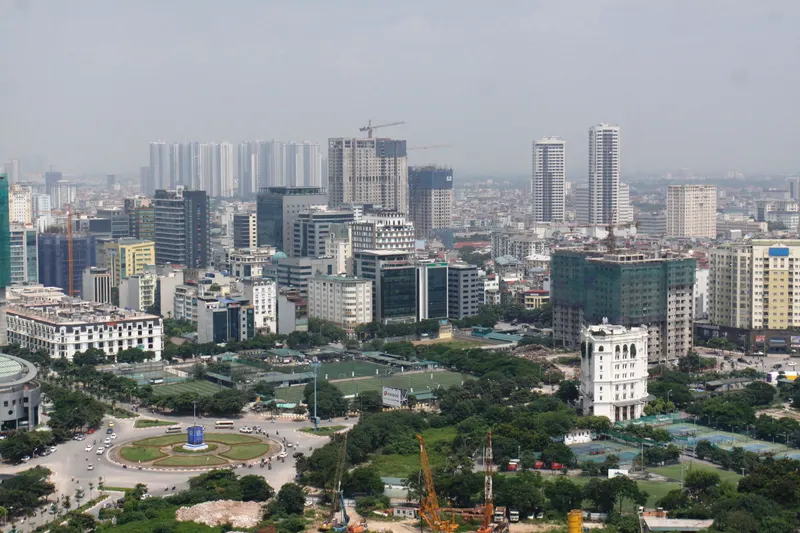
Cầu Giấy is the west-side modern district, useful for the Museum of Ethnology, offices, Korean restaurants, and newer hotels outside the heritage core.
Getting around
Hanoi buses are easiest with the BusMap Ha Noi app, while taxis and Grab are the practical tools between Old Quarter hotels, Ba Đình sights, West Lake, and outer museums. Metro Line 2A serves Cát Linh to Hà Đông, but visitors still rely on walking, rideshare motorbikes, and taxis for Hoàn Kiếm and Ba Đình.
Hoi An
Hoi An in March
TempTemperature
81°F / 72°F
27.3°C / 22.4°C
RainPrecipitation
8d
3.8in · 97mm
LightDaylight
11.9h
March is warm and relatively dry, good for An Bang Beach and Tra Que bike rides.
City overview
Hội An is a Thu Bồn River trading port where the UNESCO Ancient Town, An Hội island, Cẩm Nam, Cẩm Châu, and An Bang Beach create a compact city-beach rhythm. The city is known for Chinese assembly halls, Japanese merchant history, lantern evenings, tailoring shops, and food that changes block by block around Central Market.
Food & drink
Hội An food includes cao lau, white rose dumplings, mi quang, com ga, banh mi, banh xeo, wontons, and herb-heavy rice-paper dishes. Central Market, Morning Market, Madam Khanh, Bale Well, Tra Que gardens, and An Bang seafood cover the first eating route.
Top sights
Ranked for March suitability using weather, setting, ratings, and review volume.
- 1Hội An Central Market
- 2Phuc Kien Meeting Hall
- 3Japanese Covered Bridge
- 4Thanh Hà Pottery Village
- 5An Bang Beach
- 6Old House of Tan Ky
- 7An Hội Night Market
- 8Tra Que Vegetable Village
- 9Quan Cong Temple
- 10Museum of Trade Ceramics
 1
1Hội An Central Market
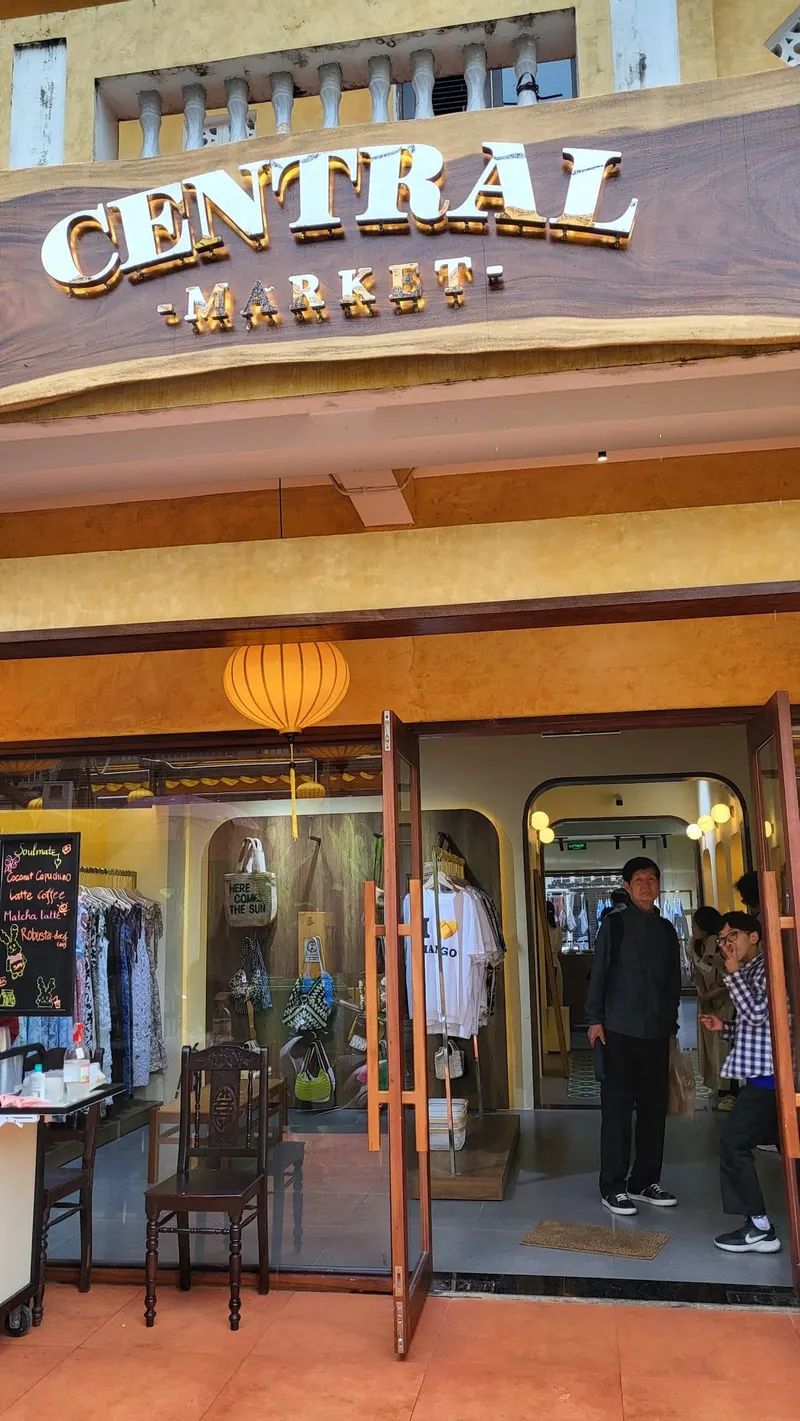
5★ · 295outdoorOpen dailyThe riverside market is the food and produce anchor for cao lau, herbs, fish, rice noodles, and morning vendor activity.
 2
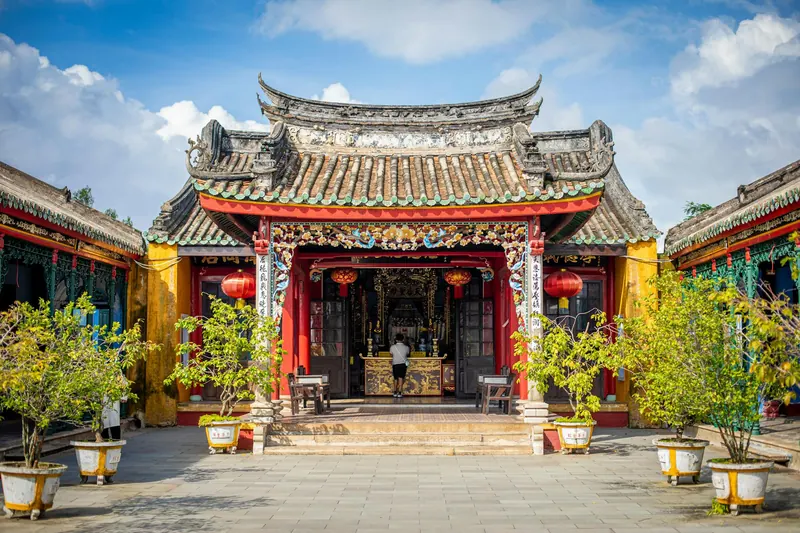
2Phuc Kien Meeting Hall
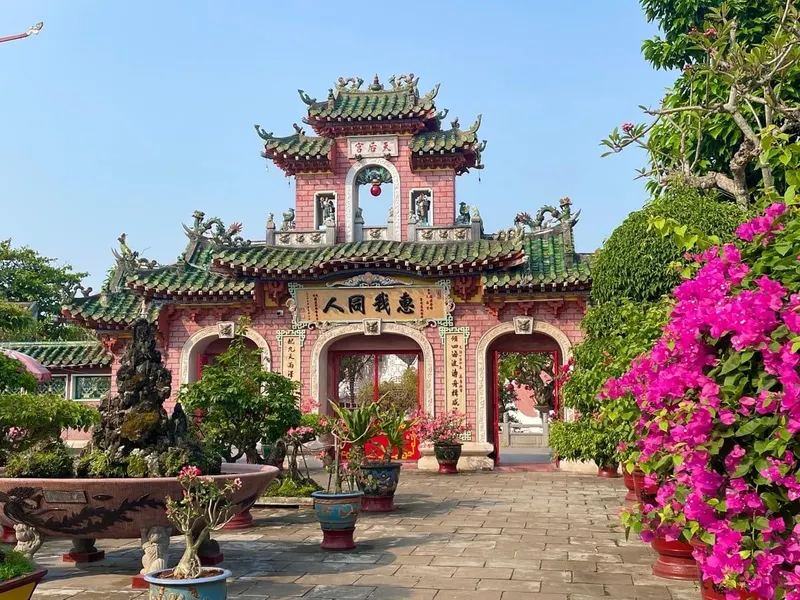
4.4★ · 2,059outdoorOpen dailyThe Fujian assembly hall has temple courtyards, incense coils, dragon details, and merchant-diaspora history inside the Ancient Town ticket zone.
 3
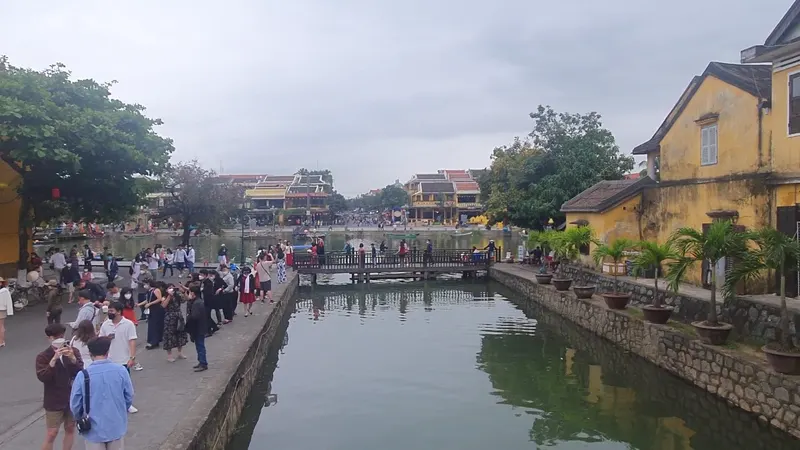
3Japanese Covered Bridge
4.3★ · 27,867outdoorOpen dailyThe small covered bridge linked the Japanese and Chinese merchant quarters in the old port. It sits on the western edge of the Ancient Town walking circuit.
Wikipedia
Show 7 more sights
- 4Thanh Hà Pottery Village
- 5An Bang Beach
- 6Old House of Tan Ky
- 7An Hội Night Market
- 8Tra Que Vegetable Village
- 9Quan Cong Temple
- 10Museum of Trade Ceramics
Neighborhoods
 1
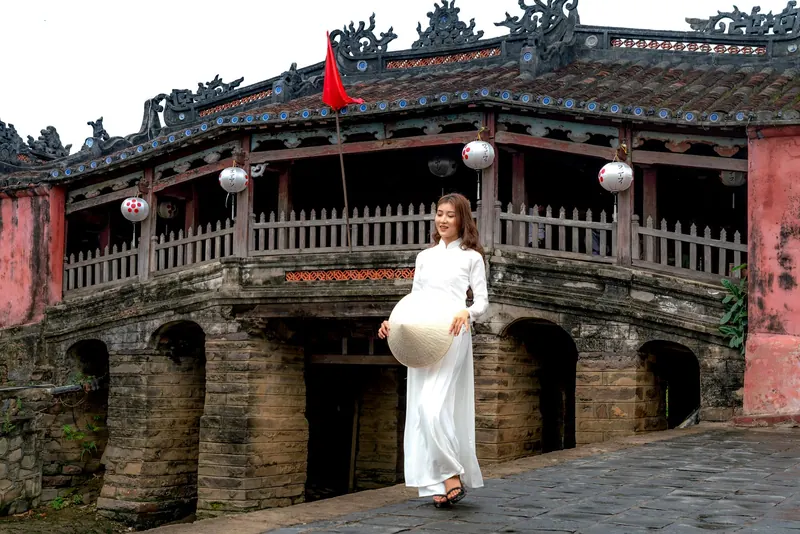
1Ancient Town
The protected core has yellow shophouses, assembly halls, the Japanese Covered Bridge, Central Market, lantern shops, and car-free evening streets.
 2
2An Hội island
An Hội is the nightlife and night-market side, with lantern stalls, riverside bars, homestays, and boat docks facing the old town.
 3
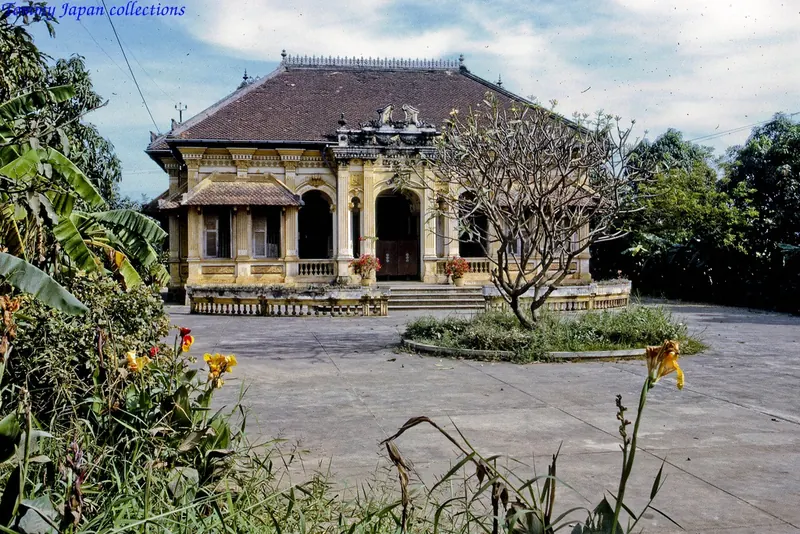
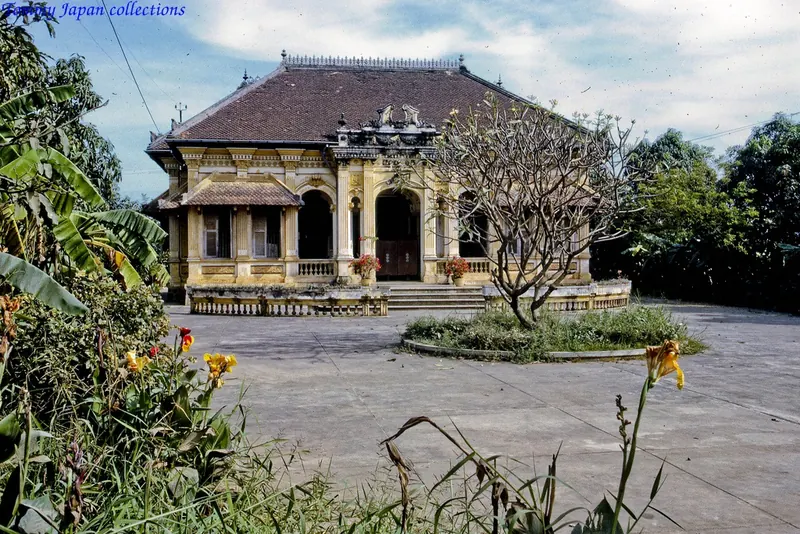
3Cẩm Phô
Cẩm Phô sits west of the central old streets, with old houses, the bridge approach, smaller lanes, guesthouses, and quieter food stops.
 4
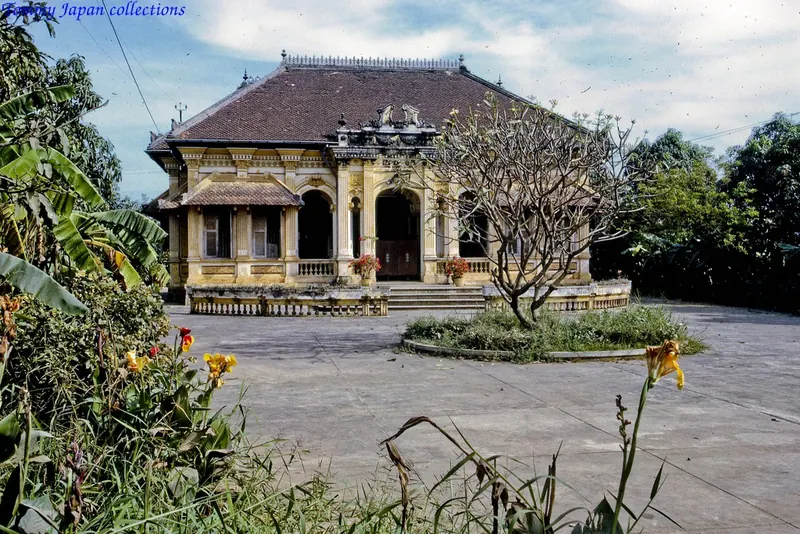
4Cẩm Châu
Cẩm Châu is a homestay and rice-field base between town and beach, with bike routes, gardens, cooking schools, and local restaurants.
 5
5Cẩm Nam
Cẩm Nam island feels more local, with river views, residential lanes, corn dishes, and a short bridge connection to the Ancient Town.
 6
6An Bang and Cửa Đại coast
The coastal strip has seafood, beach clubs, small hotels, fishing boats, surf, and weather-dependent swimming.
Getting around
The Ancient Town is best on foot, while bicycles, scooters, taxis, shuttles, and ride-hail handle Cẩm Châu, An Bang, Tra Que, and Cửa Đại. Most arrivals use Da Nang airport or Da Nang station rather than Tra Kieu station.
Ho Chi Minh City
Ho Chi Minh City in March
TempTemperature
92°F / 77°F
33.4°C / 25.2°C
RainPrecipitation
12d
1in · 25.5mm
LightDaylight
11.9h
March is peak dry heat, so schedule War Remnants Museum or cafes after late-morning outdoor walks.
City overview
Ho Chi Minh City is the Saigon River metropolis where French Indochina boulevards, wartime landmarks, Cholon markets, and new Thủ Đức towers sit inside one motorbike-heavy urban field. First-time visitors usually split time between District 1, District 3, Cholon in District 5, Thảo Điền, and the riverfront Nguyễn Huệ axis.
Food & drink
Ho Chi Minh City is built for street eating: banh mi, com tam, hu tieu, banh xeo, goi cuon, pho, bo la lot, and snail plates all fit a short stay. Bến Thành Market, Vinh Khanh seafood street, Nguyễn Thượng Hiền, and Cholon are practical food anchors. Prices stay low by big-Asian-city standards unless you move into Đồng Khởi hotels or Thảo Điền expatriate restaurants.
Top sights
Ranked for March suitability using weather, setting, ratings, and review volume.
- 1Saigon Central Post Office
- 2Bitexco Financial Tower Skydeck
- 3Bến Thành Market
- 4Nguyễn Huệ Walking Street and City Hall
- 5Jade Emperor Pagoda
- 6Cholon, Bình Tây Market, and Thien Hau Temple
- 7Saigon Opera House
- 8War Remnants Museum
- 9Reunification Palace
- 10Notre-Dame Cathedral Basilica of Saigon
 1
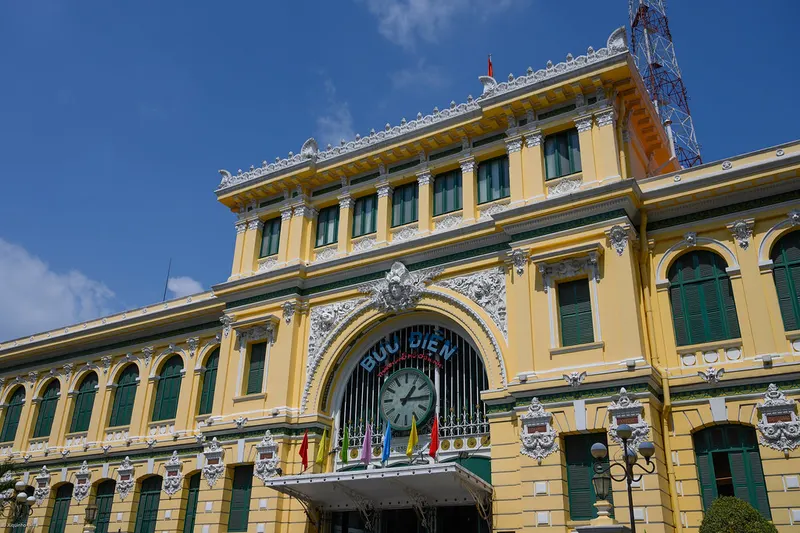
1Saigon Central Post Office
4.4★ · 5,426outdoorOpen dailyLate-19th-century post office beside the cathedral, with a vaulted hall, old maps, and yellow colonial facade. It remains a working post office rather than only a photo stop.
Wikipedia- 2
Bitexco Financial Tower Skydeck
4.4★ · 12,672outdoorOpen daily262m tower completed in 2010 with a helipad-shaped platform and Saigon Skydeck views over the river bends. Sunset works better than midday haze.
 3
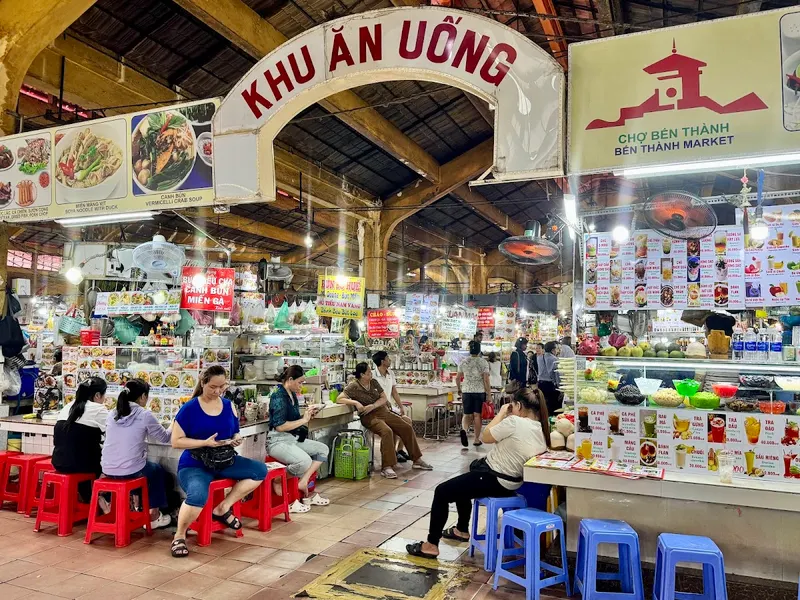
3Bến Thành Market
4★ · 82,970outdoorCovered central market opened in its current building in 1914, with food stalls, textiles, coffee, dried fruit, and souvenir lanes. Bargaining is expected outside fixed-price counters.
Wikipedia
Show 7 more sights
- 4Nguyễn Huệ Walking Street and City Hall
- 5Jade Emperor Pagoda
- 6Cholon, Bình Tây Market, and Thien Hau Temple
- 7Saigon Opera House
- 8War Remnants Museum
- 9Reunification Palace
- 10Notre-Dame Cathedral Basilica of Saigon
Neighborhoods
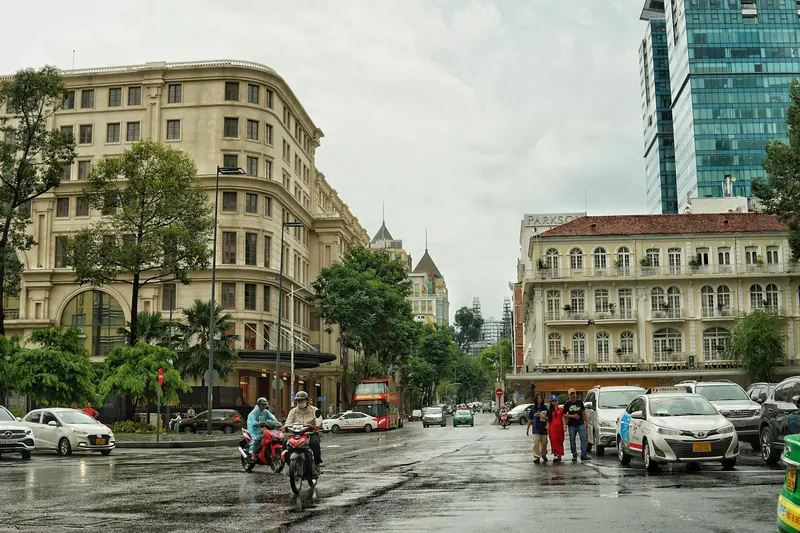 1
1District 1 and Đồng Khởi
Central Saigon with the Opera House, cathedral, post office, Nguyễn Huệ, Bến Thành, hotels, and rooftop bars. It is the easiest base for first-time logistics.
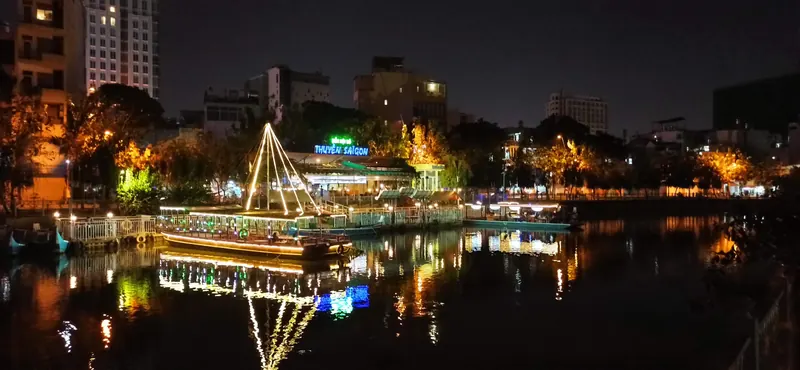 2
2District 3
Tree-lined villas, cafes, War Remnants Museum, Tân Định Church, and quieter restaurants just northwest of District 1. It feels local without losing short taxi access.
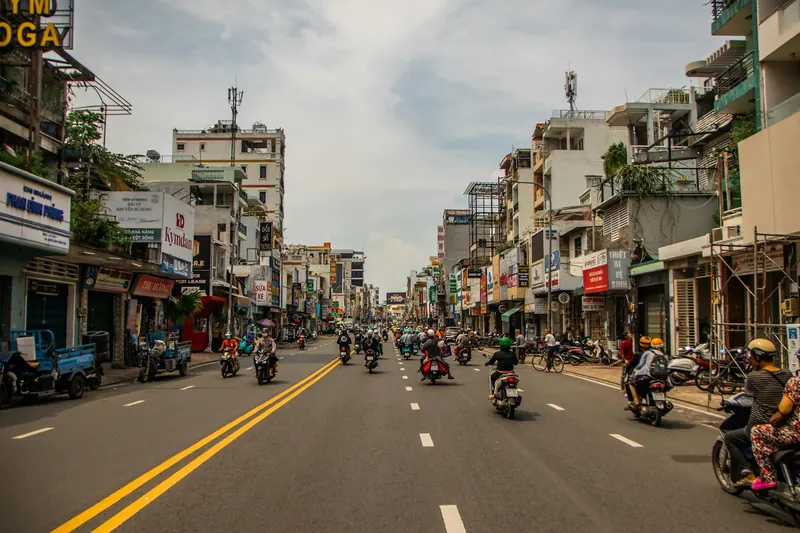 3
3Cholon / District 5
Chinese-Vietnamese market district with Bình Tây Market, Thien Hau Temple, medicine streets, and dense morning trade. It is better by taxi than by wandering from District 1.
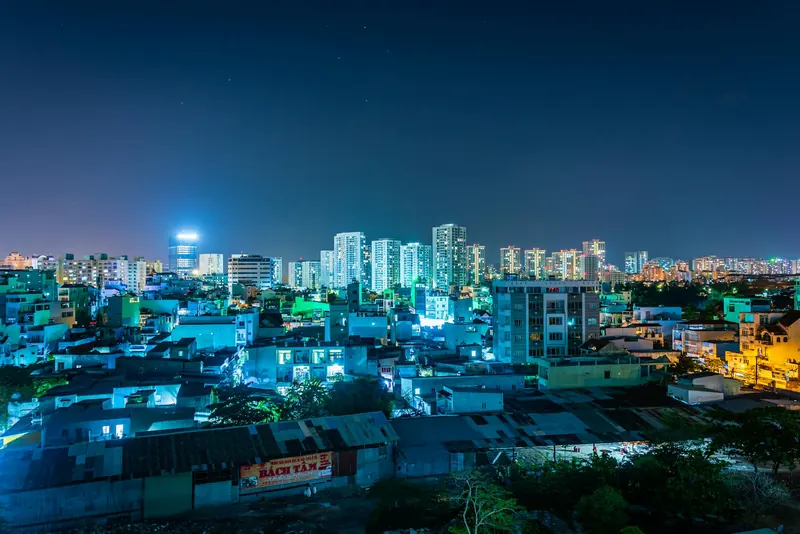 4
4Thảo Điền / District 2
Expat and riverside district in Thủ Đức City, with international restaurants, villas, and Saigon River views. It is useful for longer stays, less useful for museum days.
 5
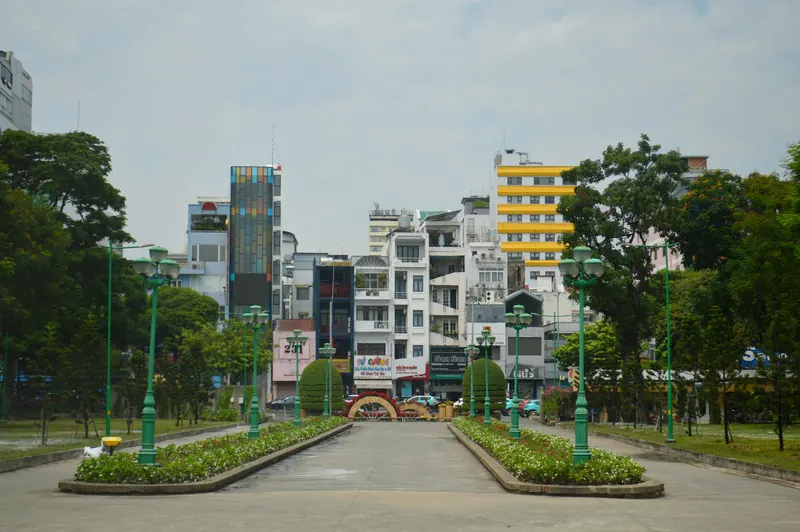
5Phạm Ngũ Lão and Bùi Viện
Backpacker nightlife zone west of Bến Thành, with hostels, travel agencies, bars, and late noise. It works for budget tours to Cu Chi or the Mekong.
 6
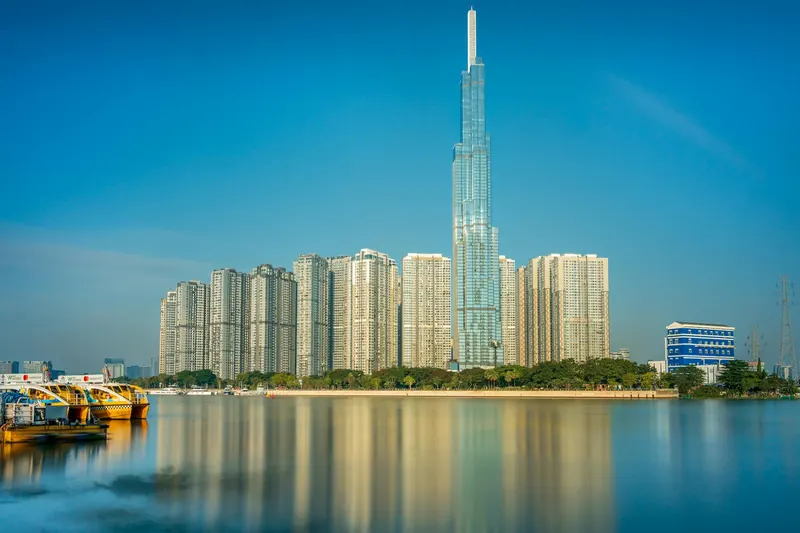
6Bình Thạnh and Landmark 81
High-rise river district north of District 1, anchored by Landmark 81, Vinhomes Central Park, and fast road links toward Thủ Đức. It shows the city's new vertical side.
Getting around
Metro Line 1 links Bến Thành with the eastern corridor toward Suoi Tien, while buses, Grab, Vinasun taxis, and Mai Linh taxis handle most visitor trips. Walking works inside the Đồng Khởi-Nguyễn Huệ core, but crossing District 1 traffic needs patience and steady movement.
Planning the Vietnam North to South route?
Add your dates and we'll pace all 3 cities — every place checked for closures, limited hours, and booking needs in March.
Weather by month for the Vietnam North to South trip
In March, climate averages for Hanoi, Hoi An and Ho Chi Minh City show daytime highs from 24°C / 75°F to 34°C / 93°F, with nights down to about 18°C / 64°F in the coolest of those cities. The rainiest of those cities averages about 16 rainy days. Based on climate averages for Hanoi, Hoi An and Ho Chi Minh City, March is a comfortable month by weather.
The most comfortable months for this route are January, February and December, based on average daytime temperatures and rainfall in Hanoi, Hoi An and Ho Chi Minh City. March 2027 is a comfortable month.
Common questions about the Vietnam North to South trip
- When is the best time to do the Vietnam North to South trip?
- The most comfortable months across Hanoi, Hoi An and Ho Chi Minh City are January, February and December, based on average daytime temperatures and rainfall for those cities. March is a comfortable month by weather — see the city climate sections below for the averages in March 2027.
- How many days do you need for the Vietnam North to South trip?
- A comfortable Vietnam North to South trip runs about 8–10 days, allowing roughly Hanoi 3, Hoi An 2, Ho Chi Minh City 3 nights plus travel between stops. Add a day if you want a slower pace or extra day trips.
- What's the route for the Vietnam North to South trip?
- The classic order is Hanoi, Hoi An & Ho Chi Minh City. The detailed month sections below cover Hanoi, Hoi An and Ho Chi Minh City.
Ready to plan the Vietnam North to South trip?
Turn this route into a day-by-day plan for March 2027, every stop checked for closures and booking needs on your exact dates.