Things to do in Brussels
Top things to do in Brussels include Grand Place / Grote Markt, Manneken Pis, Grand Place and Centre. Plan each day around one neighborhood to avoid backtracking, then add your dates to check opening hours and booking needs.
First visit? Start with these — and plan each day around one neighborhood:
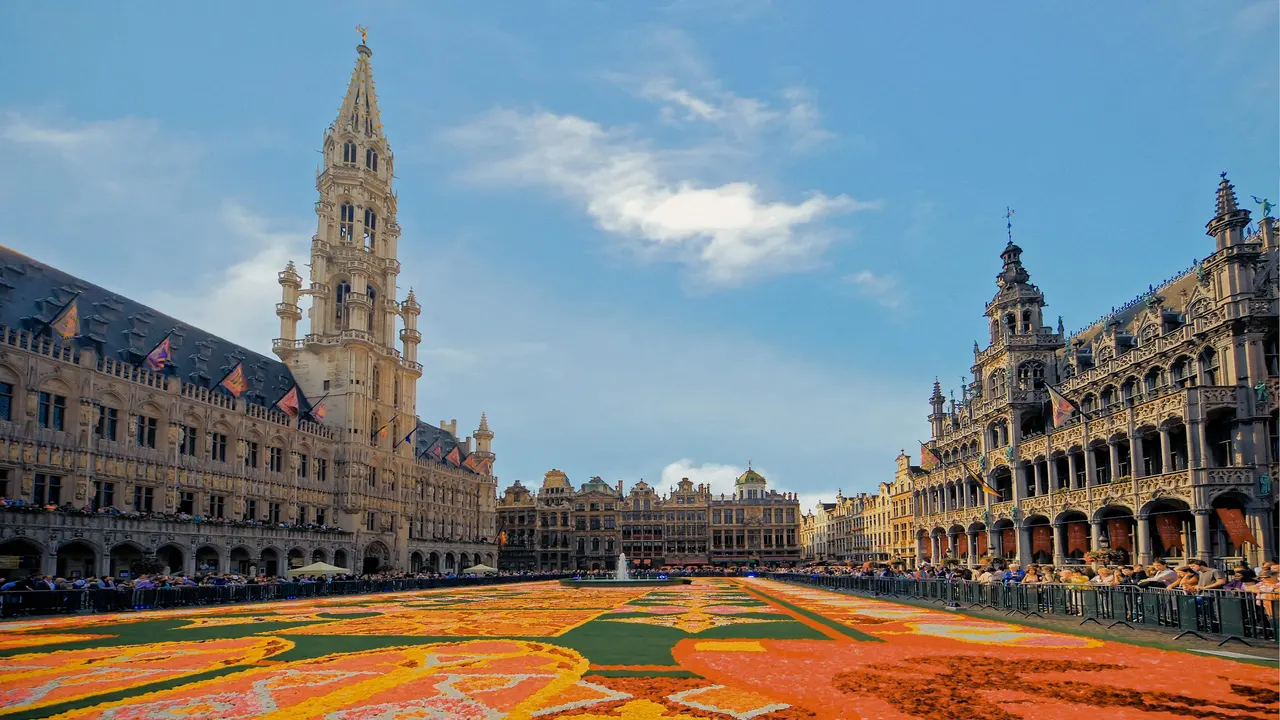
- Grand Place / Grote Markt★ 4.7 · 174.0k reviewsThe UNESCO square is framed by guild houses, the Town Hall, and the King's House, with most facades rebuilt after the 1695 bombardment.
- Manneken Pis★ 4.0 · 82.9k reviewsThe small bronze fountain figure near Rue de l'Etuve dates in its current form to the 17th century and has a large wardrobe of costumes.
- Grand Place and CentreThe central core is medieval and tourist-dense, with Grand Place, Galeries Saint-Hubert, Bourse, Rue des Bouchers, waffles, fries, and beer bars.
- Getting aroundSTIB/MIVB runs metro, premetro trams, trams, and buses with contactless payment, while SNCB trains link Central, Midi, Nord, airport, and day-trip cities.
By TripSapien · Updated August 24, 2026
About Brussels
City overview
Brussels sits in the Senne valley with the Grand Place, Sablon, Marolles, European Quarter, Ixelles, Saint-Gilles, Heysel, and Matonge showing a bilingual capital split between medieval guild halls, EU institutions, Art Nouveau streets, comic-strip culture, beer, chocolate, and immigrant neighborhoods. It is compact in the center but politically and culturally layered, with French, Dutch, Belgian, European, and Congolese cues all visible on the same transit map.
Food & drink
Brussels food is fry-shop, cafe, seafood, and chocolate driven: Belgian fries are double-fried and eaten with mayonnaise or andalouse, Brussels waffles are light and rectangular, Liege waffles are denser and pearl-sugar sweet, moules-frites pairs mussels with fries, and carbonnade flamande braises beef in beer. Grand Place lanes, Sablon chocolate shops, Place Sainte-Catherine seafood streets, Maison Antoine, and Marolles cafes add stoemp, waterzooi, pralines, speculoos, gueuze, lambic, and Trappist beer.
What Brussels is best for
Brussels is best for architecture, history, art, kids, and food.
- How long to stay
- A weekend to a week
- Typical budget
- Mid-range
Top sights
Ranked using weather, setting, ratings, and review volume.
- 1Atomium
- 2Royal Museums of Fine Arts of Belgium
- 3Magritte Museum
- 4Mont des Arts
- 5Belgian Comic Strip Center
- 6Royal Saint-Hubert Galleries
- 7Cinquantenaire Park and museums
- 8Horta Museum
 1
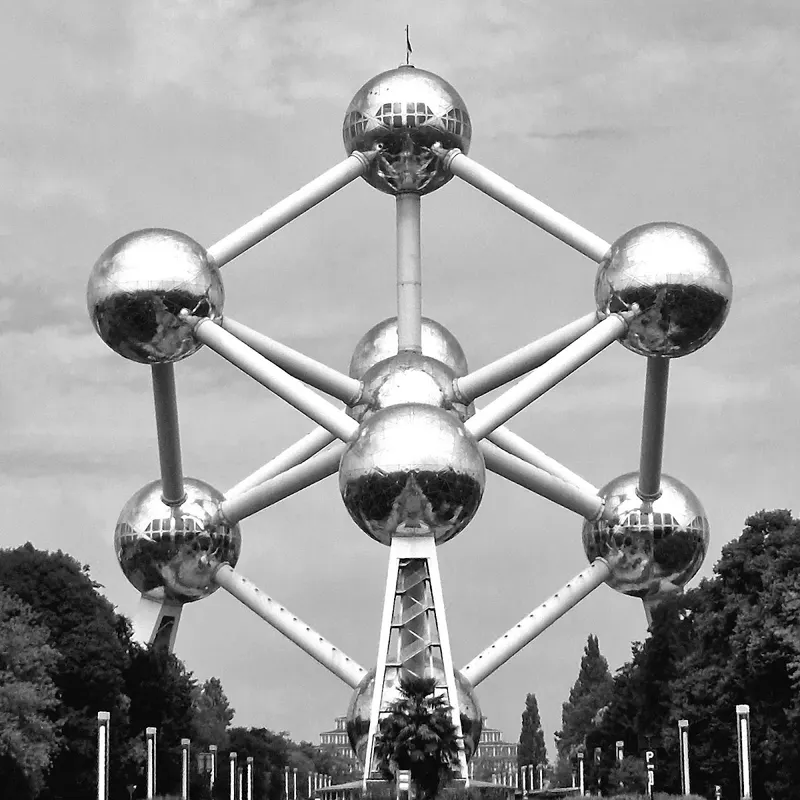
1Atomium
4.4★ · 110,264The 1958 World's Fair structure represents an iron crystal enlarged 165 billion times and rises over Heysel. Spheres hold exhibits, escalators, and views toward Mini-Europe and Laeken.
Wikipedia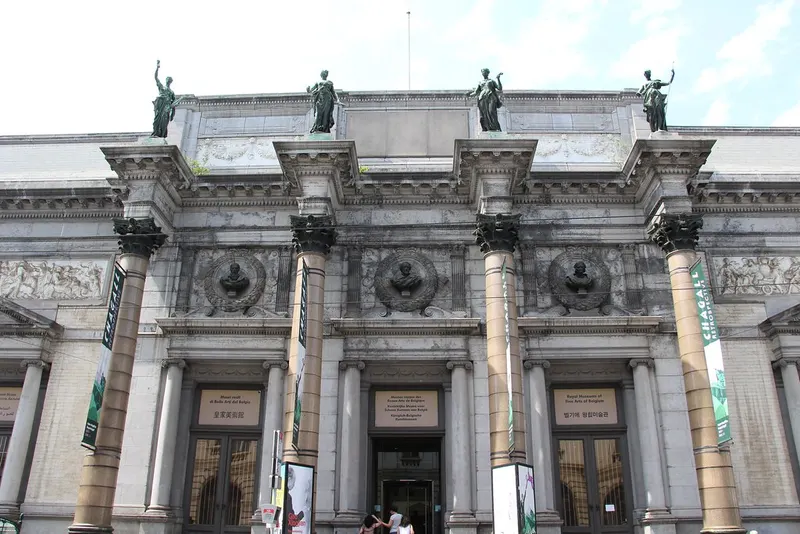 2
2Royal Museums of Fine Arts of Belgium
4.5★ · 10,215The museum group near Place Royale covers Old Masters, fin-de-siecle art, modern collections, and Belgian artists. It pairs with the Magritte Museum and Mont des Arts.
Wikipedia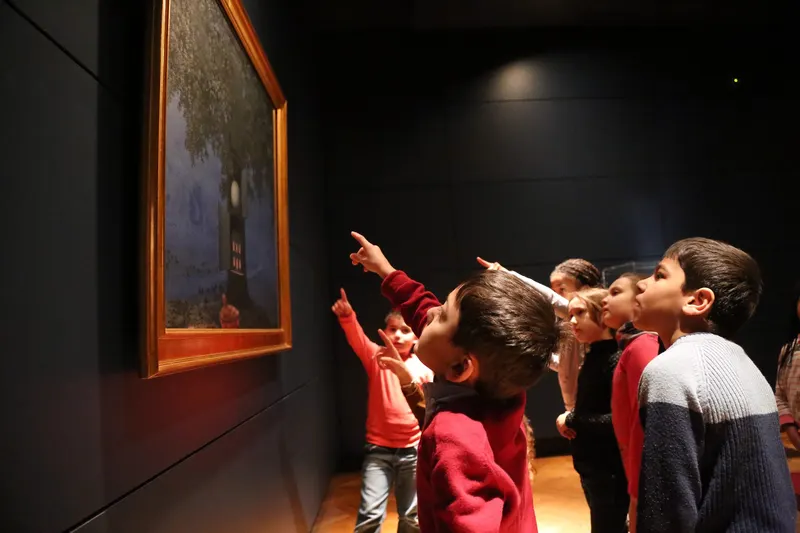 3
3Magritte Museum
4.3★ · 8,401The museum focuses on René Magritte paintings, drawings, posters, photographs, and Surrealist context in the Place Royale museum complex. It is one of the strongest single-artist stops in Brussels.
Wikipedia
Show 3 more sights
- 4Mont des Arts
- 5Belgian Comic Strip Center
- 6Royal Saint-Hubert Galleries
Neighborhoods
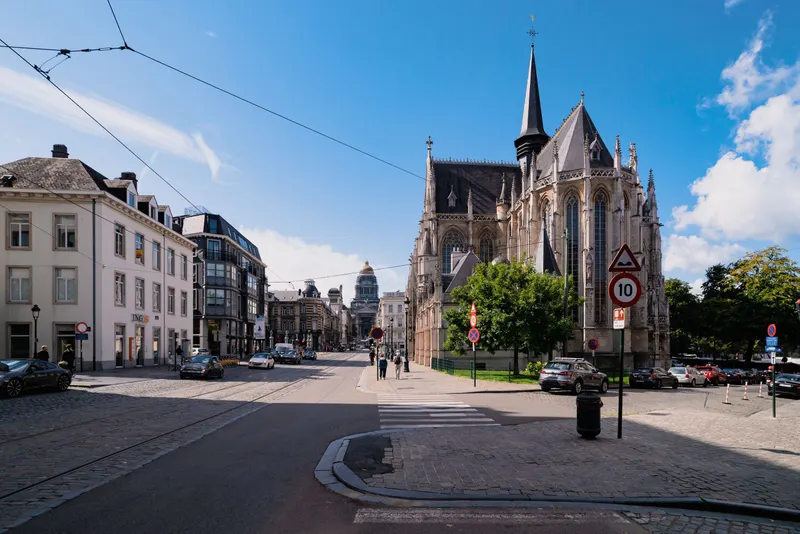 1
1Sablon and Marolles
Sablon and Marolles mix antiques, chocolate shops, Notre-Dame du Sablon, Place du Jeu de Balle flea market, Palace of Justice, and hillside streets.
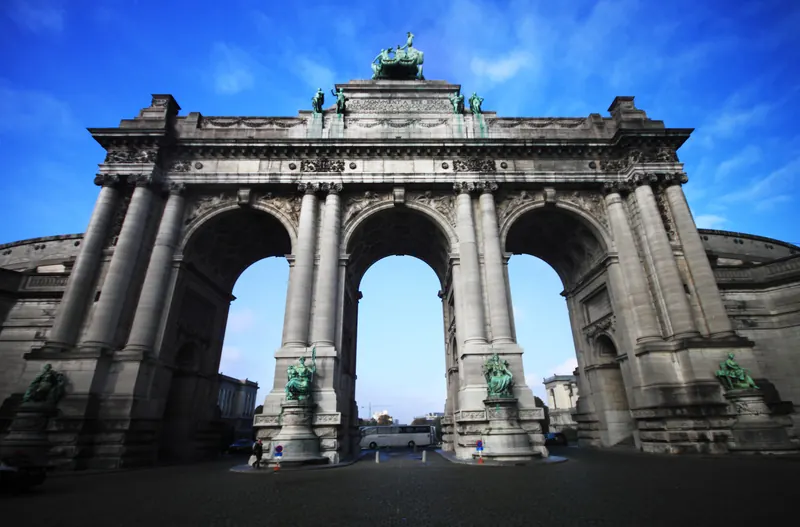 2
2European Quarter and Cinquantenaire
The European Quarter is institutional and park-linked, with European Parliament, Commission buildings, Leopold Park, Schuman, and Cinquantenaire museums.
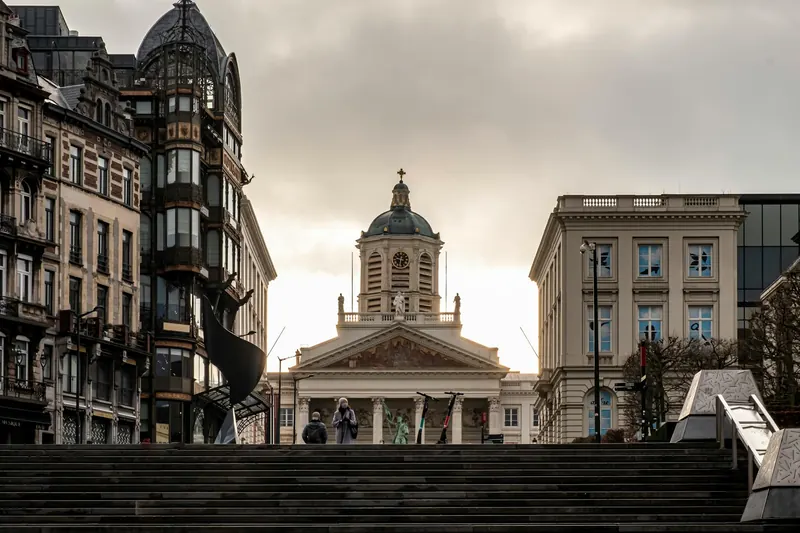 3
3Ixelles and Matonge
Ixelles and Matonge add Avenue Louise, African restaurants, bars, Flagey, ponds, galleries, and a younger multilingual street life.
Day trips
100km / about 1h by train from Brussels-Midi or Brussels-Central
Bruges
Canals, Markt, Belfry, Begijnhof, Groeninge Museum, and brick lanes make the classic Flemish day.
55km / 35-40min by train from Brussels-Central or Brussels-Midi
Ghent
Gravensteen castle, Graslei, St Bavo's Cathedral, design shops, and student nightlife give a livelier canal-city day.
45km / 40-50min by train from Brussels-Central
Antwerp
The station, cathedral, Rubenshuis area, fashion shops, diamond district, and Scheldt riverfront make an easy northbound trip.
Getting around
STIB/MIVB runs metro, premetro trams, trams, and buses with contactless payment, while SNCB trains link Central, Midi, Nord, airport, and day-trip cities. Walk the central core, use metro lines for Schuman and Heysel, and use trains for Bruges, Ghent, and Antwerp.
Planning a Brussels trip?
Add your dates and we'll check every place for closures, limited hours, and booking needs before you go.
Things to do in Brussels by month
Pick a month for weather, any sourced events, holidays or observances, and seasonal timing. July, August and June have the most comfortable weather (tagged below).
Common questions about Brussels
- Which neighborhoods should I explore in Brussels?
- Grand Place and Centre, Sablon and Marolles, European Quarter and Cinquantenaire are useful starting points. Plan each day around one or two neighboring areas to avoid unnecessary backtracking.
- When is the best time to visit Brussels?
- July, August, June balance comfortable temperatures with fewer rainy days in Brussels.
- How many days do you need in Brussels?
- a weekend to a week gives you time for architecture, history, and art in Brussels. Choose your month to see date-specific details.
- What is Brussels known for?
- Brussels is best for architecture, history, art, kids, and food. For matched places, TripSapien checks available hours, closure signals, and booking links.
Ready to plan Brussels?
Turn everything above into a day-by-day Brussels plan, with every place checked for closures and booking needs on your dates.