Things to do in Buenos Aires
Top things to do in Buenos Aires include Teatro Colón, Recoleta Cemetery, Recoleta. Plan each day around one neighborhood to avoid backtracking, then add your dates to check opening hours and booking needs.
First visit? Start with these — and plan each day around one neighborhood:
- Teatro Colón★ 4.8 · 90.4k reviewsThe opera house opened in 1908 after work by architects Francesco Tamburini, Vittorio Meano, and Jules Dormal, and its horseshoe auditorium is famous…
- Recoleta Cemetery★ 4.3 · 7.3k reviewsOpened in 1822, the cemetery is a city of marble mausoleums where Eva Perón, presidents, generals, and writers are buried.
- RecoletaRecoleta feels Parisian and polished, with Avenida Alvear mansions, Recoleta Cemetery, Plaza Francia, El Ateneo, and museum lawns close together.
- Getting aroundUse a SUBE card for Subte lines, colectivos, commuter trains, and airport buses; Line D is useful for Palermo and Recoleta, while Line A follows Avenida de Mayo.
By TripSapien · Updated November 3, 2026
About Buenos Aires
City overview
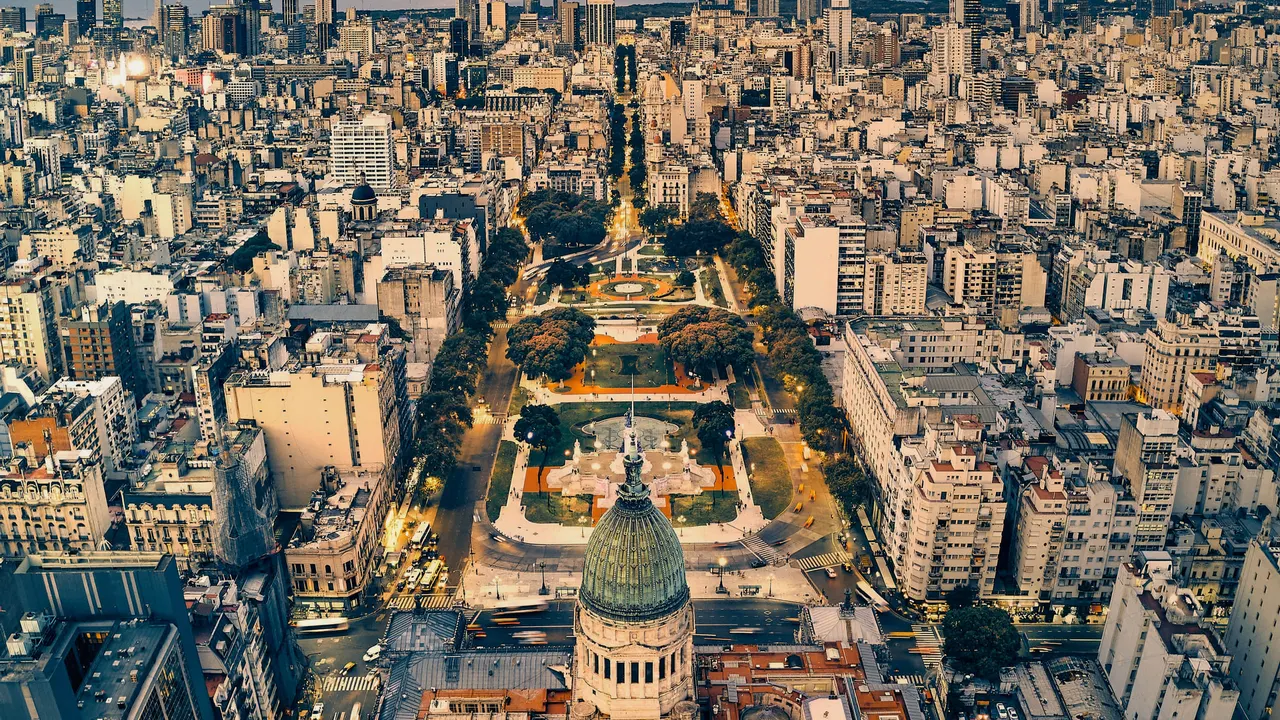
Buenos Aires is a Rio de la Plata port city whose identity comes from immigrant theatres, political plazas, tango halls, and apartment-lined barrios rather than one monumental old core. Recoleta and Palermo carry the leafy cafe-and-gallery stay, San Telmo and La Boca keep the tango and port history visible, and Puerto Madero adds the glass-and-dockland skyline beside the Costanera Sur reserve.
Food & drink
Buenos Aires eating revolves around asado, bife de chorizo, choripán, empanadas, milanesa, fugazzeta pizza, dulce de leche, and late-night helado. Mercado de San Telmo, Don Julio in Palermo, Güerrin on Avenida Corrientes, and neighborhood parrillas around Recoleta and Palermo show the range without leaving the city.
What Buenos Aires is best for
Buenos Aires is best for architecture, history, art, food, and nightlife.
- How long to stay
- A week or more
- Typical budget
- Mid-range
Top sights
Ranked using weather, setting, ratings, and review volume.
- 1Plaza de Mayo and Casa Rosada
- 2MALBA
- 3Caminito
- 4La Bombonera
- 5Puente de la Mujer
- 6El Ateneo Grand Splendid
- 7Palacio Barolo
- 8Museo Nacional de Bellas Artes
 1
Plaza de Mayo and Casa Rosada
4.6★ · 143,235Plaza de Mayo has been the political heart since the colonial Cabildo and the 1810 revolution. The Casa Rosada presidential palace faces the square from Balcarce Street, with its pink facade and balconies above the old riverbank.
 2
MALBA
4.6★ · 41,399The Museo de Arte Latinoamericano de Buenos Aires opened in 2001 from Eduardo Costantini collection in a Palermo building by Atelman-Fourcade-Tapia. Frida Kahlo, Tarsila do Amaral, Xul Solar, and Antonio Berni works sit near the Japanese Garden and Paseo Alcorta.
Wikipedia 3
Caminito
4.5★ · 6,305Painter Benito Quinquela Martín helped turn this short La Boca lane into an open-air museum in 1959, using the port district colors and corrugated metal houses. It is next to the old Riachuelo rail corridor and a walk from La Bombonera.
WikipediaVisit in daylight and leave by taxi or bus before nearby streets empty after dark.
Show 5 more sights
4La Bombonera
Boca Juniors opened the stadium in 1940 with engineers José Luis Delpini, Viktor Sulčič, and Raúl Bes shaping its steep concrete stands. The blue-and-yellow ground sits on Brandsen Street, a few blocks from Caminito.
Wikipedia5Puente de la Mujer
Santiago Calatrava designed the rotating white footbridge that opened in Puerto Madero in 2001. It crosses Dock 3 near restaurants, the frigate ARA Presidente Sarmiento, and the Costanera Sur ecological reserve.
Wikipedia6El Ateneo Grand Splendid
The Grand Splendid theatre opened in 1919, hosted tango and cinema, and became a bookshop in 2000 without losing the frescoed ceiling, balconies, or stage cafe. It stands on Avenida Santa Fe in Recoleta.
Wikipedia7Palacio Barolo
Mario Palanti completed this Dante-inspired office tower in 1923 for textile magnate Luis Barolo, with floors and lighthouse symbolism tied to the Divine Comedy. Guided tours climb from Avenida de Mayo toward views of Congreso and the Obelisco.
Wikipedia8Museo Nacional de Bellas Artes
The national fine-arts museum moved in 1933 into a former Recoleta pumping station adapted by architect Alejandro Bustillo. Its rooms hold Argentine painting, European masters, and sculpture beside Plaza Francia.
Neighborhoods
 1
Palermo Soho and Palermo Hollywood
Palermo is the long cafe-and-nightlife district, with Plaza Serrano, Armenia, Gorriti, Humboldt, design shops, parrillas, and late bars under plane trees.
 2
San Telmo
San Telmo is cobblestone Buenos Aires, anchored by Defensa Street, Plaza Dorrego, Mercado de San Telmo, antique stalls, and Sunday tango crowds.
 3
La Boca
La Boca is vivid but bounded, with Caminito, La Bombonera, Quinquela Martín murals, and tourist restaurants safest in daylight and on the main lanes.
Show 26 more neighborhoods
- 4Puerto Madero
Puerto Madero is the clean dockland reset, with brick warehouses, Puente de la Mujer, upscale steakhouses, hotels, and Costanera Sur reserve paths.
- 5Belgrano
Belgrano feels residential and affluent, with Barrancas de Belgrano, Chinatown on Arribeños, Avenida Cabildo shops, and old houses near the Mitre train.
- 6Agronomía
Agronomía has local stops such as San José del Talar church, Orange Bar, and Punta Solano nightclub.
- 7Almagro
Buenos Aires' tango-schooled middle, a dense grid of apartment blocks and corner cafés between Once and Caballito.
- 8Alto Avellaneda Shopping
A large retail center in Avellaneda, a port city connected to Buenos Aires by bridges over the Riachuelo River.
- 9Balvanera
A central area with a mix of traditional architecture and modern shops, close to cultural attractions like the Carlos Gardel Museum and the Abasto Shopping Center. It has a lively atmosphere with numerous restaurants and bars, especially along Corrientes Avenue.
- 10Barracas
Streets like Regimiento de Patricios and Defensa, with a mix of residential areas and local life. The neighborhood includes access to the Riachuelo River, creating a unique atmosphere.
- 11Barrio Grossville
- 12Barrio Norte
- 13Barrio Parque General San Martín
- 14Boedo
San Lorenzo de Almagro football club is located in Boedo, a working-class neighborhood known for its local culture. Mariano Boedo street runs through the area, reflecting its historical significance in Argentine independence.
- 15Caballito
A centrally located neighborhood with the "English District" and the Historical Tramway Museum of Buenos Aires. It also contains the old Mercado del Progreso, Parque Rivadavia, and Parque Centenario.
- 16Chacarita
A quiet neighborhood with tree-lined streets and a growing arts scene, located near Palermo. It features a craft fair on weekends at the central square and is home to notable restaurants like Albamonte on Corrientes Avenue.
- 17Coghlan
Tree-lined streets and a mix of English and modern architecture, creating a peaceful residential atmosphere. The area is safe, with local shops, cafes, and the historic Coghlan train station nearby.
- 18Colegiales
A mix of residential areas and local businesses, with streets like Cabildo Avenue and Jorge Newbery Street offering shops and eateries. The neighborhood is also home to parks and markets, providing a relaxed atmosphere away from the busier tourist spots.
- 19Constitución
Constitución has local stops such as the Immaculate Heart of Mary Church, the Argentine Puppet Museum, and Chocolates Fénix. Antigüedades Anchorena offers a selection of antiques in the area.
- 20Flores
Flores is the birthplace of Pope Francis and has a middle-class atmosphere with various local eateries. The neighborhood has a mix of residential areas and shops, with notable spots like Plaza Flores for relaxation and socializing.
- 21Floresta
A quiet residential area with easy access to shopping, particularly on Av. Avellaneda, known for its textile wholesale market. There are parks nearby, a craft brewery, and a popular bakery on Felipe Vallese for traditional baked goods.
- 22Florida
A middle and upper middle-class residential area with streets like Malaver and Maipú Avenue. The Quinta de Olivos, the official residence of the Argentine president, is located nearby.
- 23Historic Quarter
- 24La Lucila
- 25Liniers
Centered on Rivadavia Avenue, Liniers is an important train station and bus hub that connects western Gran Buenos Aires with the Metro. The area has a lively atmosphere, especially around the markets and public transport options.
- 26Mataderos
Known for its livestock market and slaughterhouses, which give the area its name. The neighborhood features local markets and is home to various cultural events, with Avenida de los Corrales being a key thoroughfare.
- 27Monte Castro
Several main streets including Alvarez Jonte Ave. and Lope de Vega Ave. It is primarily residential, with local shops and eateries scattered throughout.
- 28Montserrat
A historic area with significant landmarks related to Argentina's independence. It contains Plaza de Mayo, the Pink House Museum, and the Cabildo of Buenos Aires.
- 29Nueva Pompeya
Nueva Pompeya in Buenos Aires has record music stores like Disquería Tienda Pop and Disquería Online.
Day trips
33km / about 1h by Mitre train from Retiro to Tigre
Tigre and the Paraná Delta
River launches, rowing clubs, the Puerto de Frutos market, and island houses give a watery counterpoint to Buenos Aires apartment blocks.
50km / 1h 15min by ferry from Puerto Madero to Uruguay
Colonia del Sacramento
Portuguese cobbles, lighthouse views, and a UNESCO old quarter make Colonia the classic international day trip. Carry a passport and check ferry immigration times.
115km / 1.5-2h by bus or car from Retiro
San Antonio de Areco
Gaucho museums, silversmiths, pulperías, and estancia lunches make Areco the best small-town pampas excursion from the capital.
Getting around
Use a SUBE card for Subte lines, colectivos, commuter trains, and airport buses; Line D is useful for Palermo and Recoleta, while Line A follows Avenida de Mayo. Taxis and rideshares are practical after late dinners, and La Boca is better reached by bus or taxi than by a long walk from San Telmo.
Planning a Buenos Aires trip?
Add your dates and we'll check every place for closures, limited hours, and booking needs before you go.
Things to do in Buenos Aires by month
Pick a month for weather, any sourced events, holidays or observances, and seasonal timing. April, October and November have the most comfortable weather (tagged below).
Common questions about Buenos Aires
- Which neighborhoods should I explore in Buenos Aires?
- Recoleta, Palermo Soho and Palermo Hollywood, San Telmo are useful starting points. Plan each day around one or two neighboring areas to avoid unnecessary backtracking.
- When is the best time to visit Buenos Aires?
- April, October, November balance comfortable temperatures with fewer rainy days in Buenos Aires.
- How many days do you need in Buenos Aires?
- a week or more gives you time for architecture, history, and art in Buenos Aires. Choose your month to see date-specific details.
- What is Buenos Aires known for?
- Buenos Aires is best for architecture, history, art, food, and nightlife. For matched places, TripSapien checks available hours, closure signals, and booking links.
Ready to plan Buenos Aires?
Turn everything above into a day-by-day Buenos Aires plan, with every place checked for closures and booking needs on your dates.