Things to do in New Orleans
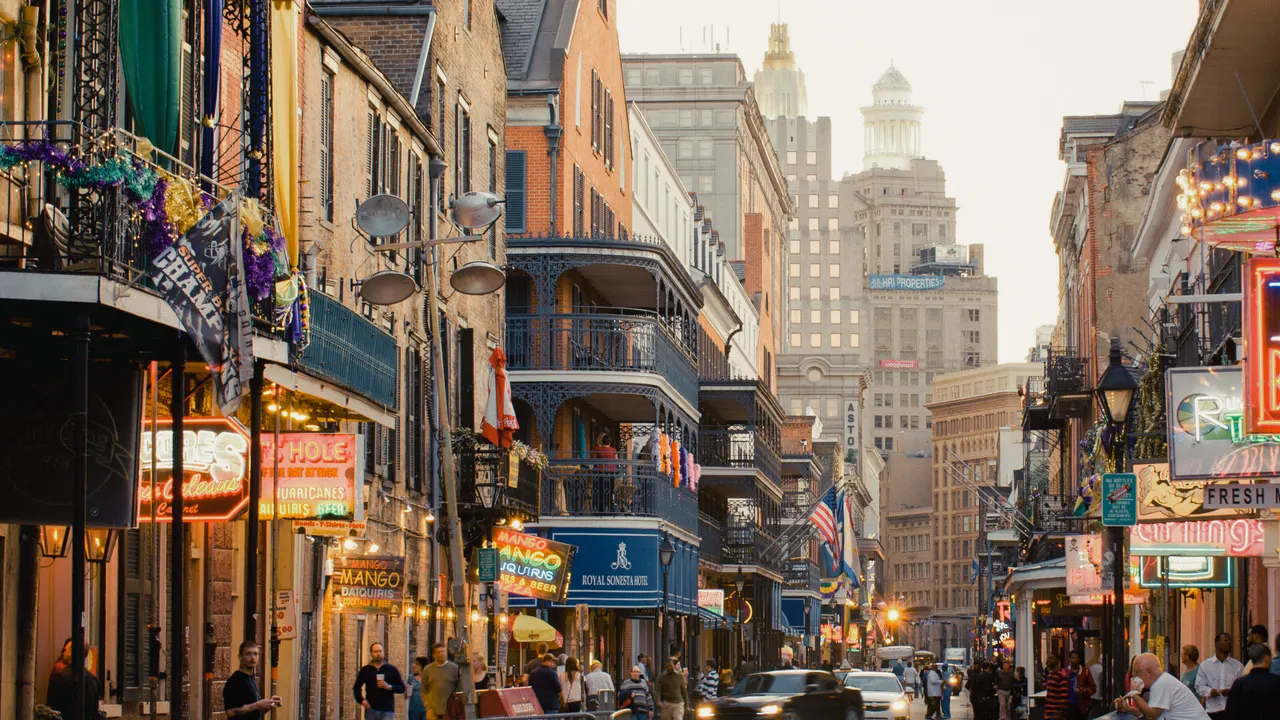
Top things to do in New Orleans include French Quarter and Jackson Square, St. Louis Cathedral, French Quarter (Vieux Carré). Plan each day around one neighborhood to avoid backtracking, then add your dates to check opening hours and booking needs.
First visit? Start with these — and plan each day around one neighborhood:
- French Quarter and Jackson Square★ 4.7 · 28.4k reviewsThe French Quarter is the 18th-century colonial core, and Jackson Square sits where the Place d'Armes faced the Mississippi River.
- St. Louis Cathedral★ 4.8 · 5.0k reviewsThe cathedral on Jackson Square traces its parish to 1720, with the present triple-spired building completed in the 1850s after earlier fires and…
- French Quarter (Vieux Carré)The Quarter is dense and old, with Jackson Square, Royal Street galleries, Bourbon Street bars, hidden courtyards, Creole townhouses, and the…
- Getting aroundRTA streetcars and buses cover the French Quarter edge, St.
By TripSapien · Updated August 24, 2026
About New Orleans
City overview
New Orleans sits on a bend of the Mississippi River, where the French Quarter, Tremé, Marigny, Bywater, Garden District, and Uptown turn Creole architecture, brass-band music, Catholic parade calendars, and river commerce into one city. The French and Spanish colonial grid, St. Charles Avenue streetcar, above-ground cemeteries, and festival schedule make the visitor map unlike any other U.S. city.
Food & drink
New Orleans food is specific: gumbo, jambalaya, red beans and rice, crawfish etouffee, po'boys, muffulettas from the Central Grocery orbit, oysters, pralines, and beignets at Cafe du Monde. Use the French Quarter for old Creole dining, Magazine Street for neighborhood restaurants, and the Tremé-Marigny-Bywater corridor for music plus late meals.
What New Orleans is best for
New Orleans is best for food, nightlife, music, history, and architecture.
- How long to stay
- A weekend to a week
- Typical budget
- Mid-range
Top sights
Ranked using weather, setting, ratings, and review volume.
- 1National WWII Museum
- 2Frenchmen Street
- 3Garden District and Lafayette Cemetery No. 1
- 4St. Charles Avenue Streetcar
- 5Audubon Park
- 6New Orleans Museum of Art and City Park
- 7Steamboat Natchez and Mississippi riverfront
- 8Mardi Gras World
 1
1National WWII Museum
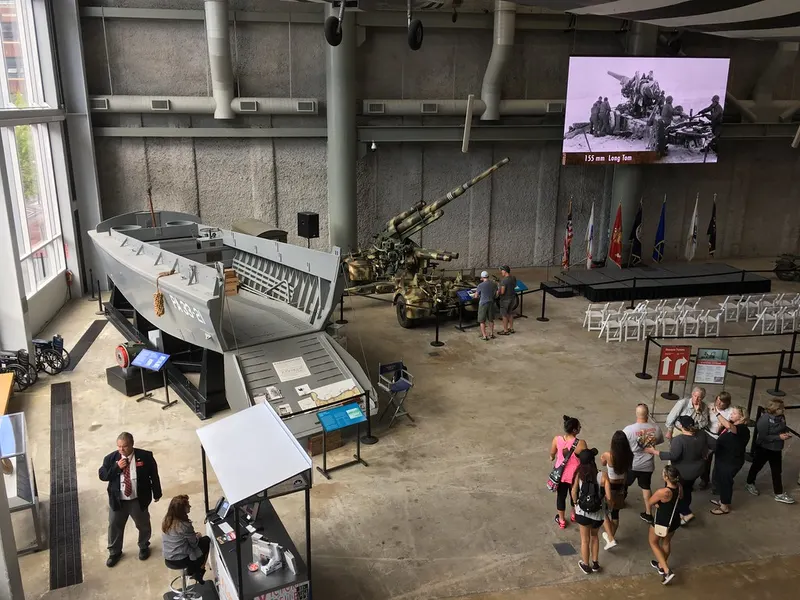
4.8★ · 29,728The museum opened in 2000 in the Warehouse District and grew from the Higgins Boats built in New Orleans for Allied landings. Exhibits cover the European and Pacific theaters, aircraft, oral histories, and the U.S. Freedom Pavilion.
Wikipedia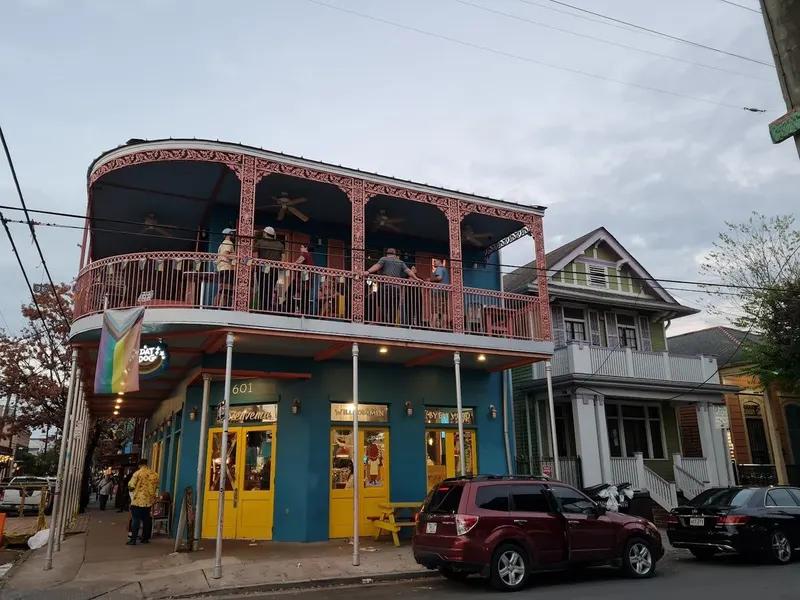 2
2Frenchmen Street
4.7★ · 500Frenchmen Street in the Marigny has music clubs such as The Spotted Cat, Blue Nile, d.b.a., and Snug Harbor within a few blocks. It is a short walk downriver from the French Quarter, beyond Esplanade Avenue.
Wikipedia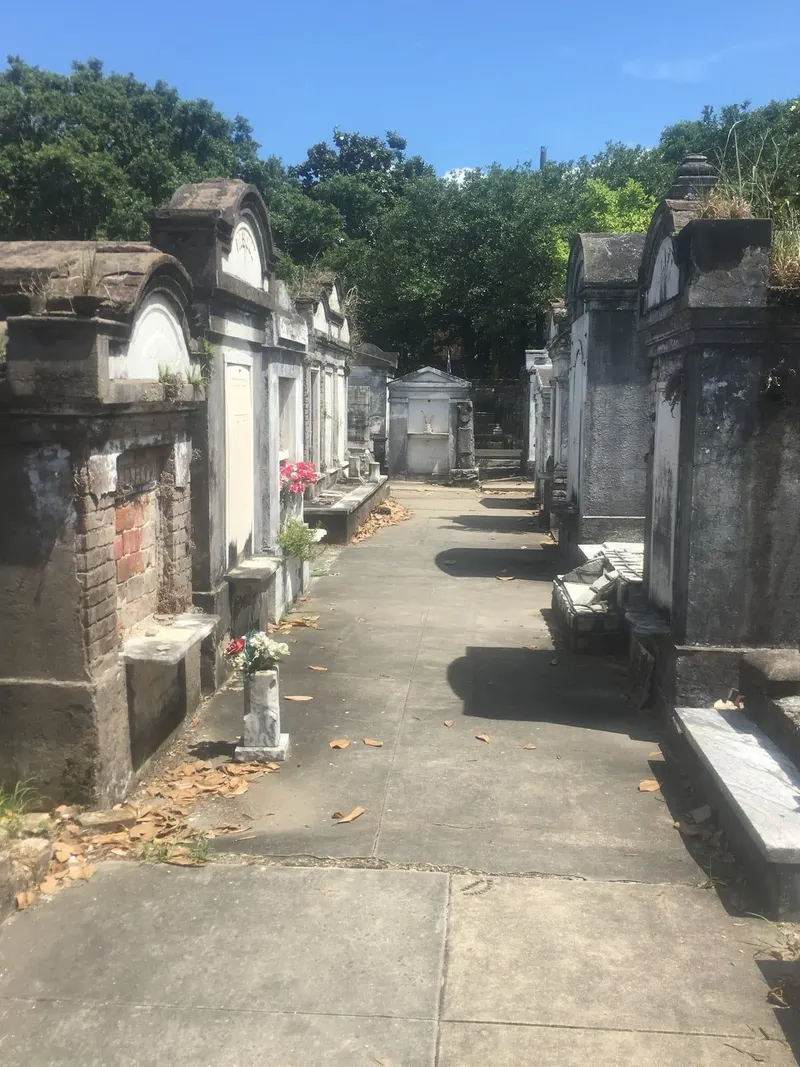 3
3Garden District and Lafayette Cemetery No. 1
3.2★ · 24The Garden District developed in the 19th century with Greek Revival, Italianate, and Victorian mansions along Prytania and Coliseum streets. Lafayette Cemetery No. 1 sits opposite Commander's Palace, though access can change during preservation work.
Show 3 more sights
- 4St. Charles Avenue Streetcar
- 5Audubon Park
- 6New Orleans Museum of Art and City Park
Neighborhoods
 1
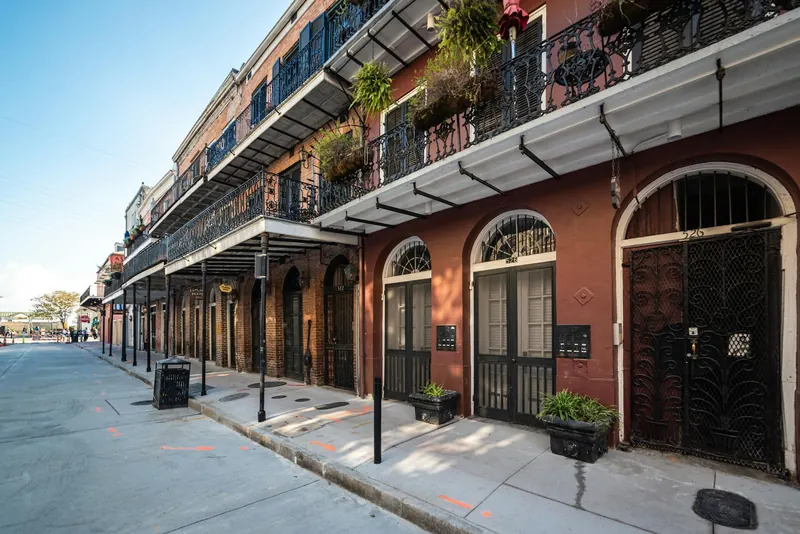
1Marigny and Bywater
Marigny and Bywater are downriver and music-heavy, with Frenchmen Street clubs, Crescent Park, colorful cottages, St. Claude Avenue venues, and neighborhood restaurants.
 2
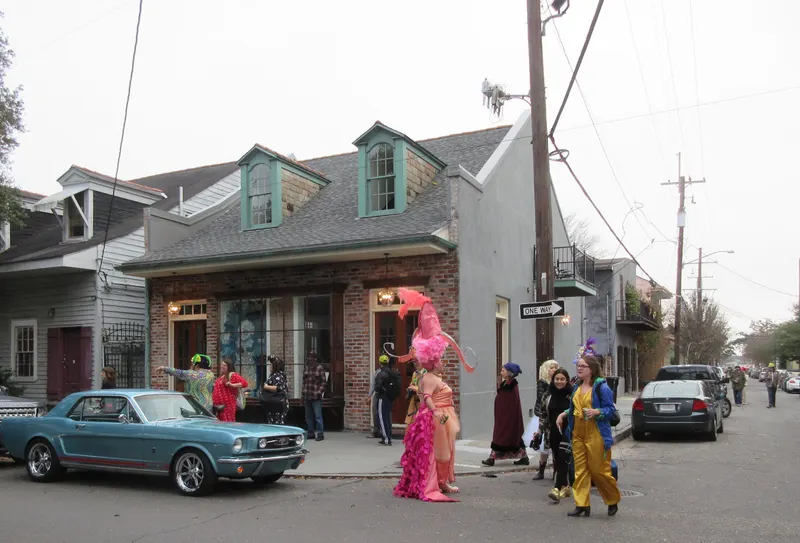
2Tremé
Tremé is tied to Black New Orleans culture, with Congo Square, Backstreet Cultural Museum, brass-band history, Creole cottages, and second-line routes near North Rampart Street.
 3
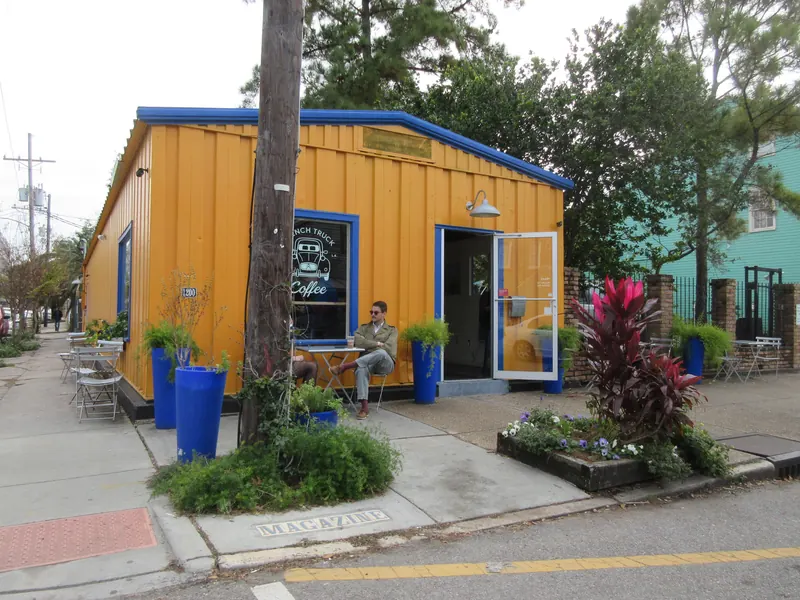
3Garden District and Lower Garden District
The Garden District is mansion-lined and leafy, with St. Charles Avenue, Magazine Street shops, Lafayette Cemetery No. 1, Commander's Palace, and streetcar stops.
Day trips
85km / 1-1.5h by car from the French Quarter
Oak Alley and River Road plantations
River Road sites such as Oak Alley, Whitney Plantation, and Laura Plantation interpret sugar estates, architecture, and enslaved labor along the Mississippi.
30km / 35-45min by car from the French Quarter
Barataria Preserve
The Jean Lafitte National Historical Park preserve has boardwalks through swamp, bayou, marsh, alligator habitat, and birding areas close to the city.
70km / 1h by car across Lake Pontchartrain Causeway
Abita Springs and the Northshore
The northshore route adds Abita Brewery, the Abita Mystery House, small towns, and the long bridge crossing over Lake Pontchartrain.
Getting around
RTA streetcars and buses cover the French Quarter edge, St. Charles Avenue, Canal Street, Rampart Street, cemeteries, City Park, and parts of Uptown using Le Pass fares. Walking works in the Quarter and Marigny, the St. Charles streetcar works for Garden District days, and rideshare is practical for late-night Bywater or airport trips.
Planning a New Orleans trip?
Add your dates and we'll check every place for closures, limited hours, and booking needs before you go.
Things to do in New Orleans by month
Pick a month for weather, any sourced events, holidays or observances, and seasonal timing. April, March and November have the most comfortable weather (tagged below).
Common questions about New Orleans
- Which neighborhoods should I explore in New Orleans?
- French Quarter (Vieux Carré), Marigny and Bywater, Tremé are useful starting points. Plan each day around one or two neighboring areas to avoid unnecessary backtracking.
- When is the best time to visit New Orleans?
- April, March, November balance comfortable temperatures with fewer rainy days in New Orleans.
- How many days do you need in New Orleans?
- a weekend to a week gives you time for food, nightlife, and music in New Orleans. Choose your month to see date-specific details.
- What is New Orleans known for?
- New Orleans is best for food, nightlife, music, history, and architecture. For matched places, TripSapien checks available hours, closure signals, and booking links.
Ready to plan New Orleans?
Turn everything above into a day-by-day New Orleans plan, with every place checked for closures and booking needs on your dates.