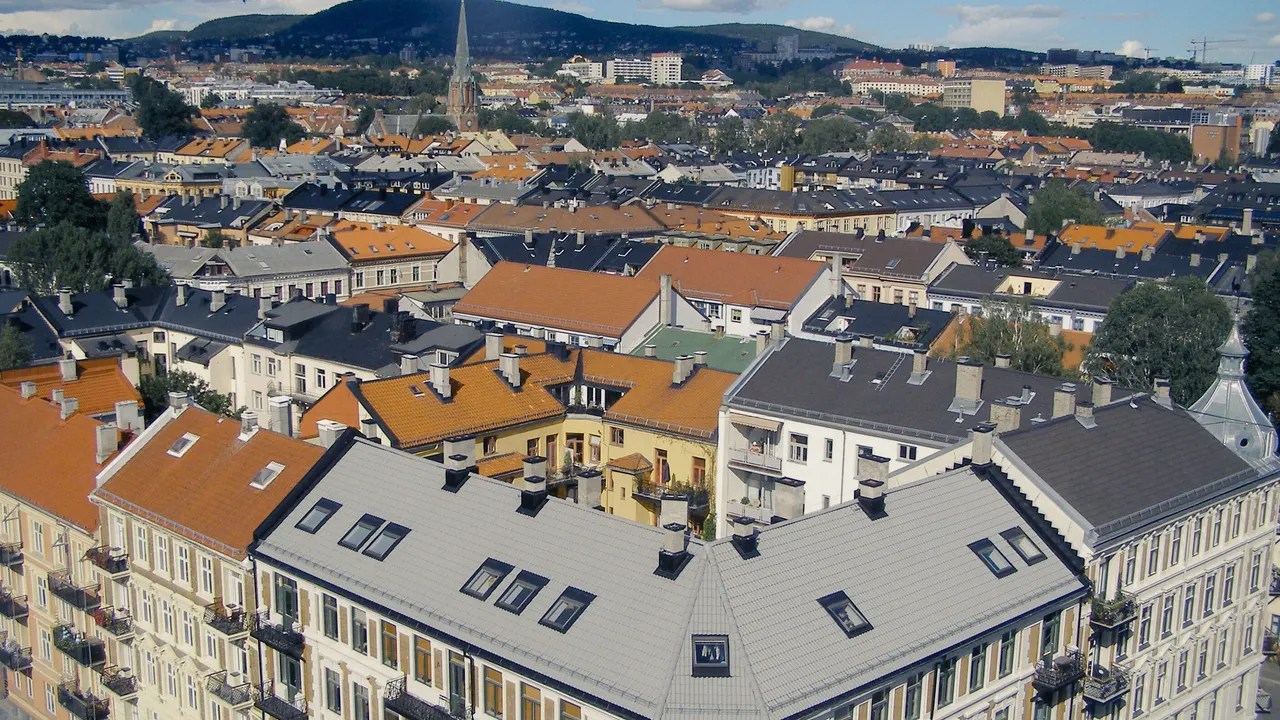
Things to do in Oslo
Top things to do in Oslo include Vigeland Park, Oslo Opera House, Sentrum and Bjørvika. Plan each day around one neighborhood to avoid backtracking, then add your dates to check opening hours and booking needs.
First visit? Start with these — and plan each day around one neighborhood:
- Vigeland Park★ 4.7 · 25.5k reviewsGustav Vigeland designed more than 200 sculptures for the park between the 1920s and 1940s, including the Monolith and the Angry Boy.
- Oslo Opera House★ 4.7 · 32.0k reviewsSnøhetta designed the marble-and-glass opera house that opened in 2008 with a sloping roof visitors can walk.
- Sentrum and BjørvikaThe central harbor district is sleek and transit-rich, with Oslo S, the Opera House, MUNCH, Deichman library, Barcode towers, and fjord promenades.
- Getting aroundRuter tickets cover metro, tram, bus, local train, and ferries inside the Oslo zones, with the metro best for Holmenkollen and eastern-western cross-city trips.
By TripSapien · Updated November 3, 2026
About Oslo
City overview
Oslo is a fjord-and-forest capital where waterfront architecture, royal avenues, sculpture parks, and museum peninsulas sit minutes from metro lines into the hills. Bjørvika and Aker Brygge show the new harbor city, Grünerløkka and Tøyen carry the cafe and immigrant layers, and Bygdøy turns a short ferry ride into a concentration of polar, maritime, and folk museums.
Food & drink
Oslo food ranges from fiskesuppe, cured salmon, shrimp, reindeer, brunost, waffles, open-faced sandwiches, and cardamom buns to immigrant kitchens in Grønland. Mathallen, Vippa, Aker Brygge seafood spots, and Grønland restaurants make the city easier to eat without overspending.
What Oslo is best for
Oslo is best for architecture, history, food, art, and nature.
- How long to stay
- A weekend to a week
- Typical budget
- Higher-end
Top sights
Ranked using weather, setting, ratings, and review volume.
- 1MUNCH
- 2Akershus Fortress
- 3Fram Museum
- 4Kon-Tiki Museum
- 5Norwegian Museum of Cultural History
- 6National Museum
- 7Astrup Fearnley Museum
- 8Holmenkollen Ski Museum and Tower
 1
MUNCH
4.5★ · 18,727The new Munch Museum opened in Bjørvika in 2021, moving Edvard Munch’s collection into a tall waterfront building by Estudio Herreros. It stands beside the Opera House and Deichman Bjørvika library.
 2
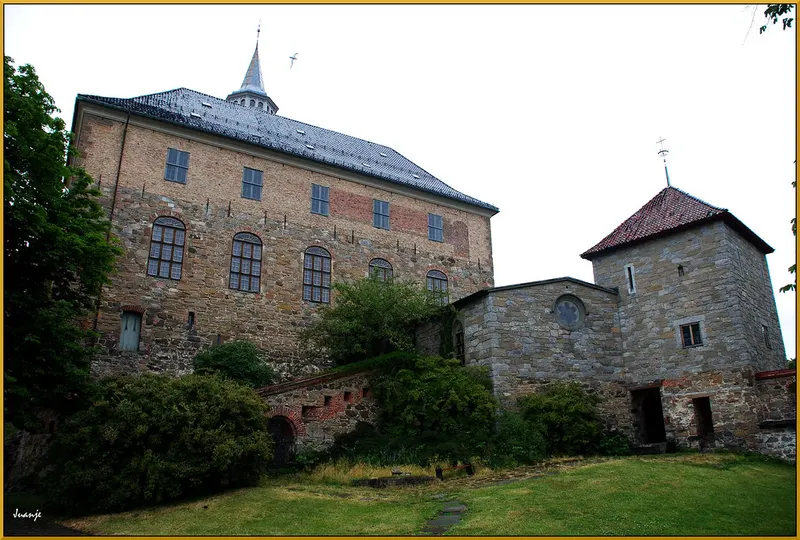
Akershus Fortress
4.5★ · 18,439King Håkon V began the fortress around 1299 to defend Oslo’s harbor, and later kings adapted it into a Renaissance castle and military complex. The ramparts overlook Aker Brygge, City Hall, and the fjord.
Wikipedia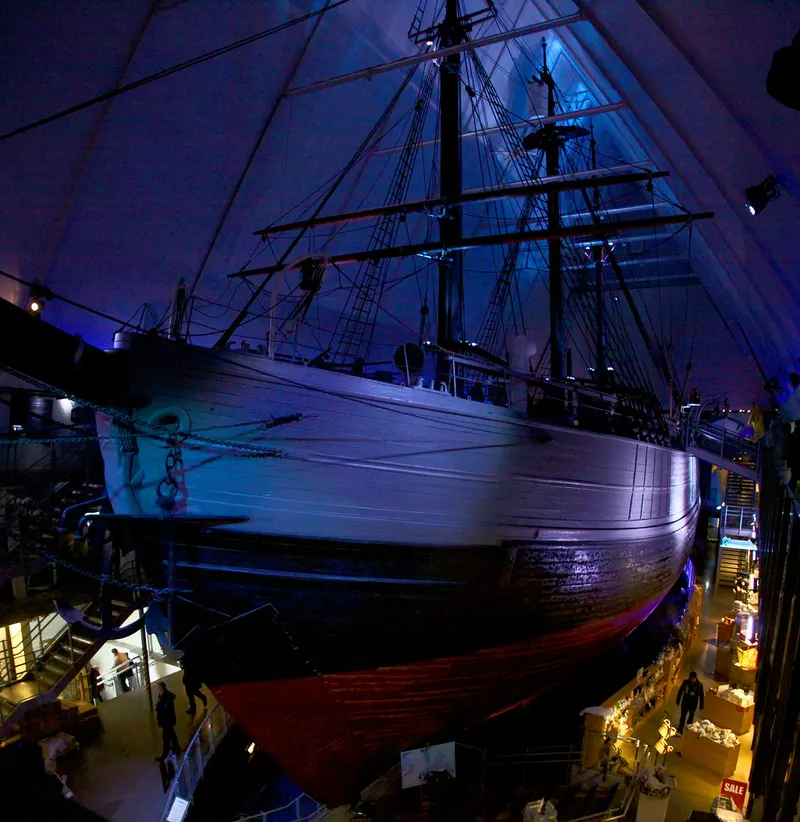 3
Fram Museum
4.7★ · 16,018The museum opened in 1936 around the polar ship Fram, used by Fridtjof Nansen, Otto Sverdrup, and Roald Amundsen. It stands on Bygdøy near the Kon-Tiki Museum.
Wikipedia
Show 5 more sights
4Kon-Tiki Museum
The museum opened in 1950 to display Thor Heyerdahl’s Kon-Tiki raft and later expedition vessels. It sits on Bygdøy beside Fram, making the two museums an easy pair.
Wikipedia5Norwegian Museum of Cultural History
Founded in 1894, the open-air museum on Bygdøy preserves farmsteads, town houses, stave-church architecture, and folk-life exhibits from across Norway. It is a short bus or seasonal ferry ride from the center.
Wikipedia6National Museum
The consolidated National Museum opened on the waterfront in 2022 in a building by Kleihues + Schuwerk. It holds Norwegian, Nordic, design, and international art near City Hall and Aker Brygge.
7Astrup Fearnley Museum
Renzo Piano designed the contemporary-art museum at Tjuvholmen, opened in 2012 with a sail-like glass roof beside the fjord. The galleries sit at the outer end of Aker Brygge’s restaurant-and-boardwalk district.
8Holmenkollen Ski Museum and Tower
The ski jump tradition at Holmenkollen dates to 1892, while the current steel-and-concrete jump opened in 2010. The museum and tower overlook Oslo from the metro-accessible forest edge.
Neighborhoods
 1
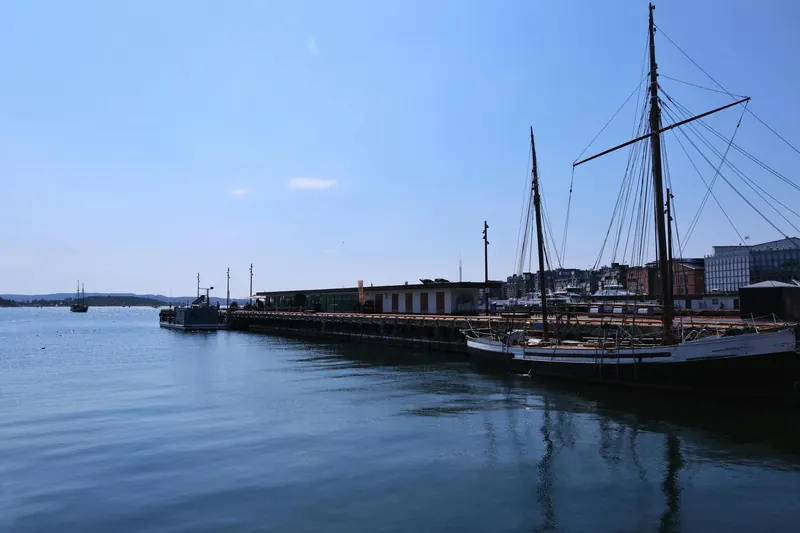
Aker Brygge and Tjuvholmen
Aker Brygge and Tjuvholmen are polished waterfront Oslo, with restaurants, the National Museum, Astrup Fearnley, ferries, and sunset boardwalks.
 2
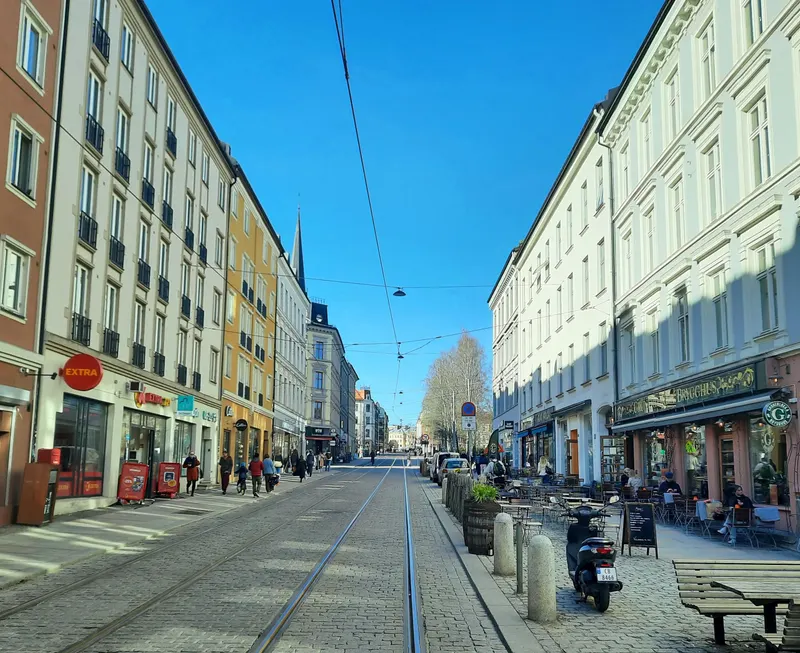
Grünerløkka
Grünerløkka is the alternative cafe district, with vintage shops, bars, Akerselva paths, Mathallen, music venues, and apartment streets.
 3
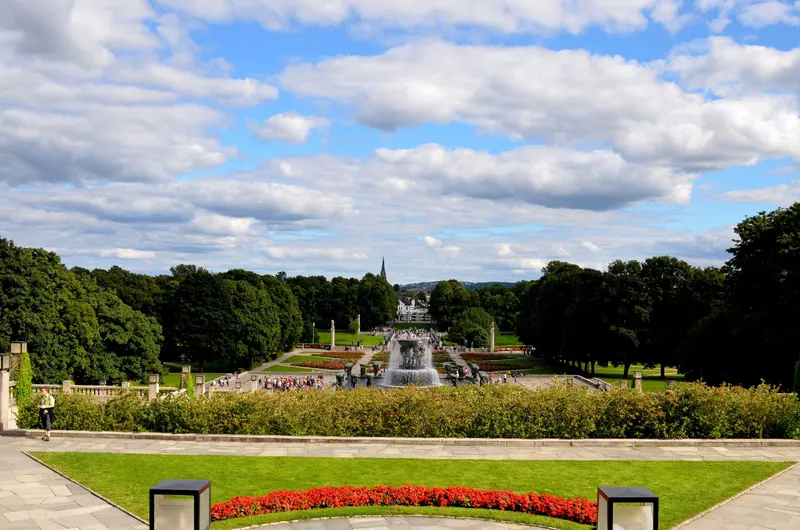
Frogner and Majorstuen
Frogner and Majorstuen feel affluent and leafy, with Vigeland Park, embassies, Bogstadveien shopping, trams, and older apartment blocks.
Show 26 more neighborhoods
- 4Gamle Oslo, Grønland, and Tøyen
The east side mixes immigrant restaurants, Tøyen parks, Munch-era history, botanical gardens, mosques, bars, and more everyday street life.
- 5Bygdøy
Bygdøy is the museum peninsula, with Fram, Kon-Tiki, the Folk Museum, beaches, villas, wooded lanes, and summer ferries from the harbor.
- 6Adamstuen
- 7Aker Brygge
Become a popular destination for shopping, dining, and entertainment since the 1980s, transitioning from an industrial area. It features a high-end residential atmosphere with various restaurants and waterfront views along the promenade.
- 8Alna
A quiet and safe area with easy access to public transport and nearby shopping centers like Alna Center. The neighborhood features parks, playgrounds, and sports facilities.
- 9Bekkelaget
- 10Bislett
A lively area popular with students and young professionals, featuring a mix of cafes, restaurants, and bakeries. It's home to Bislett Stadium and close to parks like St. Hanshaugen and Stensparken.
- 11Bjerke
Quiet and family-friendly, Bjerke features several grocery stores, parks, and sports facilities.
- 12Briskeby
Originally a rural area with wooden houses from the 1820s, some of which are preserved. The Briskeby Line tram runs through the area, and Vigeland Park and Oslo Museum are nearby.
- 13Bryn
- 14Enerhaugen
The streets of Enerhaugen include Sørligata, Enerhaugggata, and Smedgata, with the Tøyen subway station nearby. This area developed in the 1800s as a suburb of Oslo, situated just south of Tøyen manor.
- 15Frogner
Frogner Park and Frogner Manor. It's also known for high real estate prices, reflecting its desirability in Oslo.
- 16Frognerseteren
A popular starting point for hiking and skiing in Oslo, with Frognerseteren Station serving as the terminal for the Holmenkollen Line. The Frognerseteren Restaurant features traditional Norwegian cuisine and is an example of Dragestil architecture.
- 17Gamle Oslo
Gamle Oslo, meaning "Old Oslo," contains the city's Old Town and several landmarks. It has the Edvard Munch Museum, the Botanical Gardens, and a medieval park.
- 18Gimle
An exclusive Oslo neighborhood known for its many embassies and expensive properties. It offers views from Gimle hill and is near the Gustav Vigeland Museum.
- 19Grefsen
A residential area with Grefsen Church, consecrated in 1940. The Gjøvik Railway Line runs through the neighborhood, and Grefsenåsen hill is nearby.
- 20Grønland
Grønland is known for its ethnic diversity and is home to a large immigrant population. The area has several tram and bus lines, as well as the Oslo Metro at Grønland Station.
- 21Haugerud
- 22Holmen
The Royal Norwegian Air Force housing estate along Stasjonsveien, designed by architect Erling Viksjø. Gressbanen stadium, home to the sports club IF Ready, is also located here.
- 23Holmenkollen
- 24Homansbyen
- 25Ila
A quiet area with parks, cafes, and restaurants nearby. The Akerselva river is close by, providing scenic walking paths and access to the trendy Grünerløkka district.
- 26Kampen
- 27Kjelsås
A quiet area with family-friendly vibes, surrounded by nature and hiking trails, including paths to Grefsenkollen for city views. Grocery stores like SPAR and Coop Prix are nearby, and the Akerselva River offers a nice spot for summer dips.
- 28Majorstuen
- 29Montebello
Day trips
2-8km / 10-25min by Ruter ferry from Aker Brygge
Oslofjord islands
Hovedøya, Gressholmen, and Langøyene add beaches, monastery ruins, walking paths, and summer swimming minutes from the city.
40km / about 1h by bus and ferry from central Oslo
Drøbak and Oscarsborg Fortress
The fjord town and island fortress give wooden streets, harbor cafes, and World War II coastal-defense history south of the capital.
180km / about 2h by train from Oslo S
Lillehammer
The Olympic town adds Maihaugen open-air museum, ski-jump views, lake scenery, and a mountain-town contrast to Oslo.
Getting around
Ruter tickets cover metro, tram, bus, local train, and ferries inside the Oslo zones, with the metro best for Holmenkollen and eastern-western cross-city trips. Oslo Pass adds museums and transit, while the standard train from Oslo Airport to Oslo S is usually the better-value airport ride than the express train.
Planning a Oslo trip?
Add your dates and we'll check every place for closures, limited hours, and booking needs before you go.
Things to do in Oslo by month
Pick a month for weather, any sourced events, holidays or observances, and seasonal timing. July, August and June have the most comfortable weather (tagged below).
Common questions about Oslo
- Which neighborhoods should I explore in Oslo?
- Sentrum and Bjørvika, Aker Brygge and Tjuvholmen, Grünerløkka are useful starting points. Plan each day around one or two neighboring areas to avoid unnecessary backtracking.
- When is the best time to visit Oslo?
- July, August, June balance comfortable temperatures with fewer rainy days in Oslo.
- How many days do you need in Oslo?
- a weekend to a week gives you time for architecture, history, and food in Oslo. Choose your month to see date-specific details.
- What is Oslo known for?
- Oslo is best for architecture, history, food, art, and nature. For matched places, TripSapien checks available hours, closure signals, and booking links.
Ready to plan Oslo?
Turn everything above into a day-by-day Oslo plan, with every place checked for closures and booking needs on your dates.