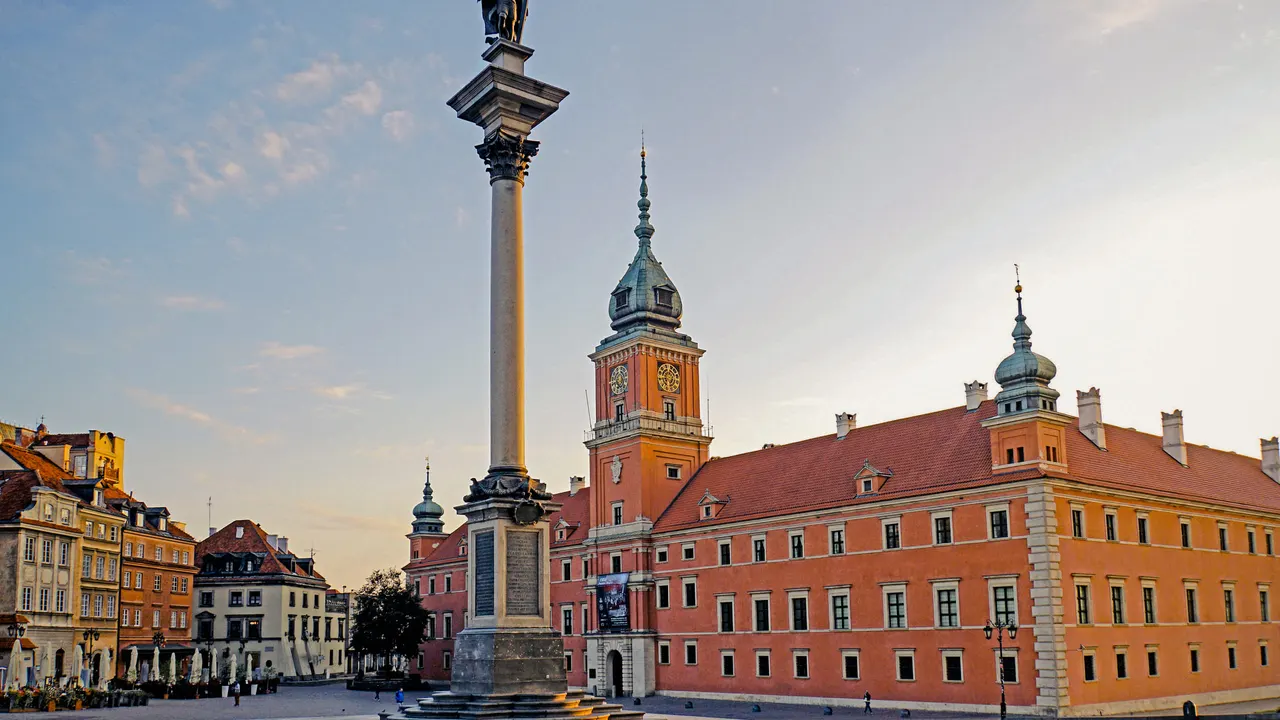
Things to do in Warsaw
Top things to do in Warsaw include Old Town Market Square and Barbican, Royal Castle, Old Town and New Town. Plan each day around one neighborhood to avoid backtracking, then add your dates to check opening hours and booking needs.
First visit? Start with these — and plan each day around one neighborhood:
- Old Town Market Square and Barbican★ 4.7 · 10.8k reviewsThe Old Town core was almost completely destroyed in World War II and meticulously reconstructed from paintings, surveys, and surviving fragments…
- Royal Castle★ 4.7 · 58.2k reviewsThe brick royal residence was rebuilt between 1971 and 1984 after wartime destruction, restoring state apartments, Canaletto rooms, and the Castle…
- Old Town and New TownThe reconstructed historic core feels ceremonial and compact, with Castle Square, the Royal Castle, Market Square, the Barbican, and Freta Street…
- Getting aroundWarsaw Public Transport runs two metro lines, red-and-yellow trams, buses, SKM trains, and airport links under one ticket system.
By TripSapien · Updated August 24, 2026
About Warsaw
City overview
Warsaw is a Vistula River capital rebuilt around memory: the UNESCO Old Town was reconstructed after 1945, while Śródmieście and Praga show the city's Soviet, Jewish, and post-industrial layers. The most useful traveler axis runs from Castle Square down Krakowskie Przedmieście and Nowy Świat, then east across the river to Praga's factory courtyards and murals.
Food & drink
Warsaw food is milk-bar, market, and modern Polish: pierogi are dumplings filled with potato, cheese, meat, or fruit, zurek brings sour rye soup with sausage and egg, bigos stews cabbage and meat, and kotlet schabowy plates breaded pork cutlet with potatoes. Hala Gwardii, Hala Mirowska, Praga Koneser, and milk bars around Śródmieście make it easy to compare zapiekanka, paczki, old canteens, and newer tasting menus.
What Warsaw is best for
Warsaw is best for architecture, art, food, history, and nightlife.
- How long to stay
- A weekend to a week
- Typical budget
- Mid-range
Top sights
Ranked using weather, setting, ratings, and review volume.
- 1Palace of Culture and Science
- 2POLIN Museum of the History of Polish Jews
- 3Warsaw Uprising Museum
- 4Łazienki Park and Palace on the Isle
- 5Wilanów Palace
- 6Copernicus Science Centre
- 7National Museum in Warsaw
- 8Neon Museum
 1
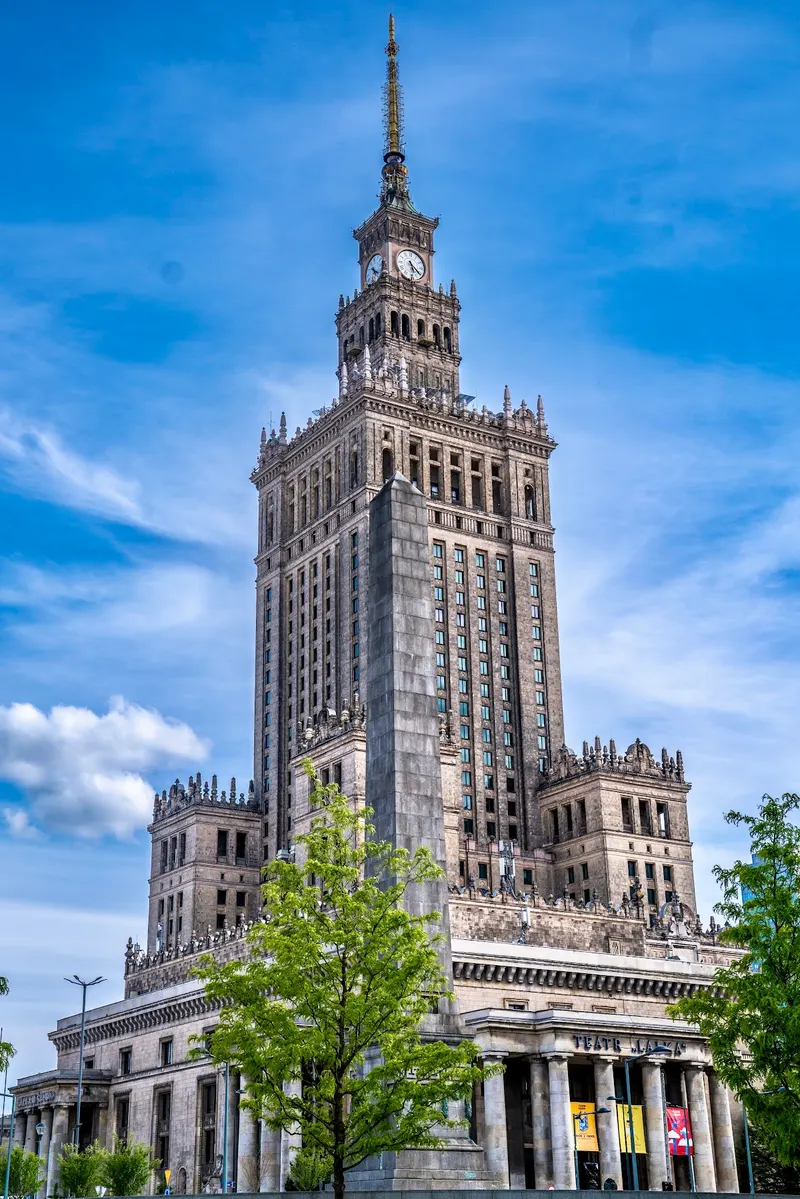
1Palace of Culture and Science
4.6★ · 84,775Lev Rudnev designed the 1955 Soviet high-rise as a gift from the USSR, and its clock tower still dominates central Warsaw. The observation terrace is beside Centrum Metro and Warszawa Centralna station.
Wikipedia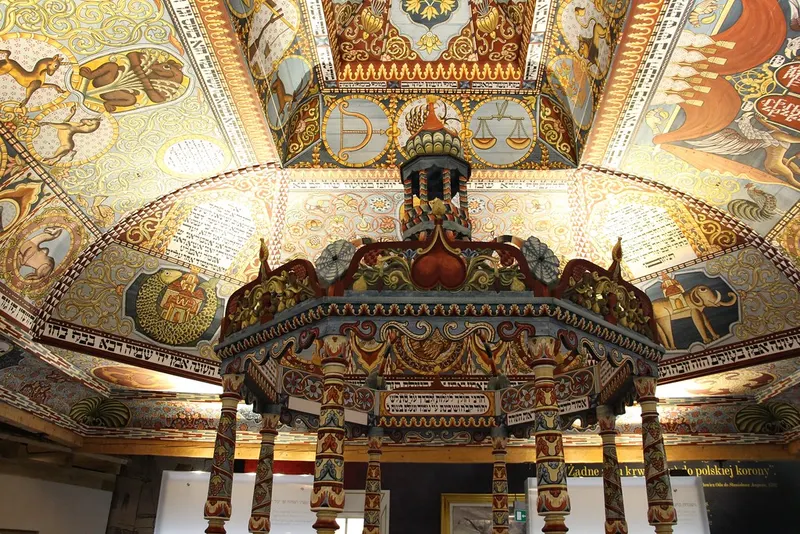 2
2POLIN Museum of the History of Polish Jews
4.6★ · 20,868The Finnish studio Lahdelma & Mahlamäki designed this undulating glass-and-copper museum, which opened on the former Warsaw Ghetto site in 2013. The core exhibition traces a thousand years of Jewish life in Poland near the Monument to the Ghetto Heroes.
Wikipedia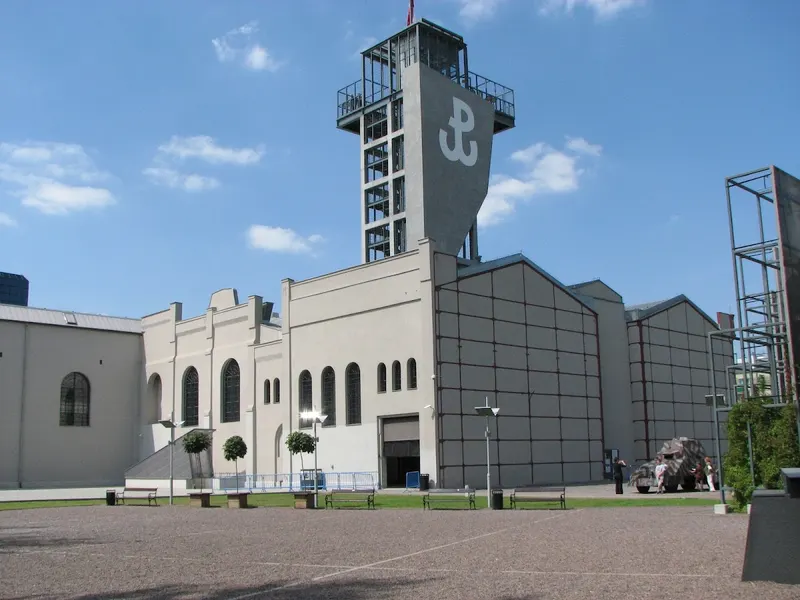 3
3Warsaw Uprising Museum
4.7★ · 38,769Opened in 2004 inside a former tram power station, the museum documents the 1944 uprising through aircraft fragments, sewers, street reconstructions, and insurgent testimonies. It stands in Wola, two tram stops west of Rondo Daszyńskiego.
Wikipedia
Show 3 more sights
- 4Łazienki Park and Palace on the Isle
- 5Wilanów Palace
- 6Copernicus Science Centre
Neighborhoods
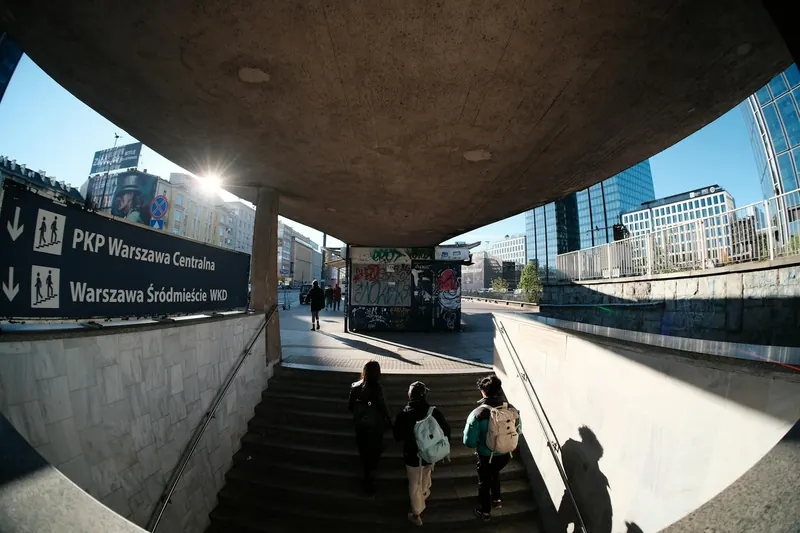 1
1Śródmieście and Royal Route
Central Warsaw is the practical base, where Warszawa Centralna, the Palace of Culture and Science, Nowy Świat, Krakowskie Przedmieście, and university buildings line the main visitor spine.
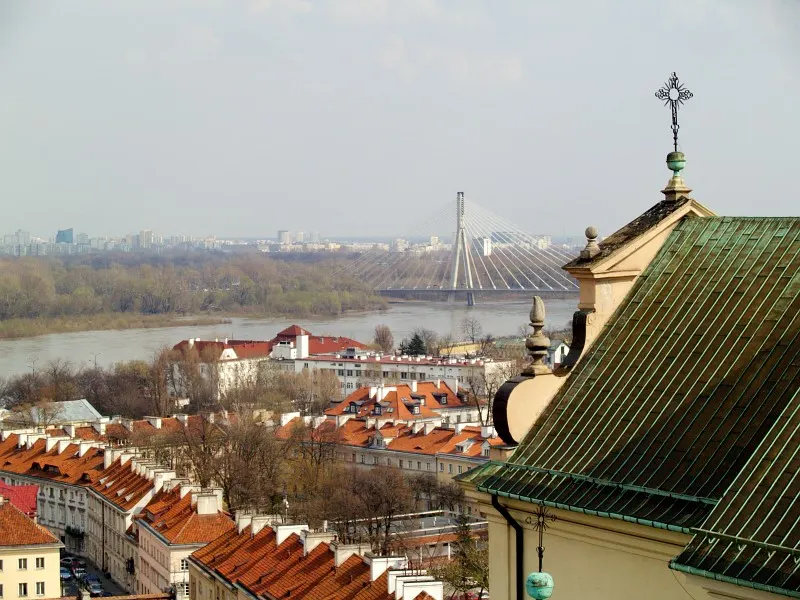 2
2Powiśle
Powiśle sits low by the Vistula with river boulevards, Copernicus Science Centre, Elektrownia Powiśle, and summer bar terraces under the escarpment.
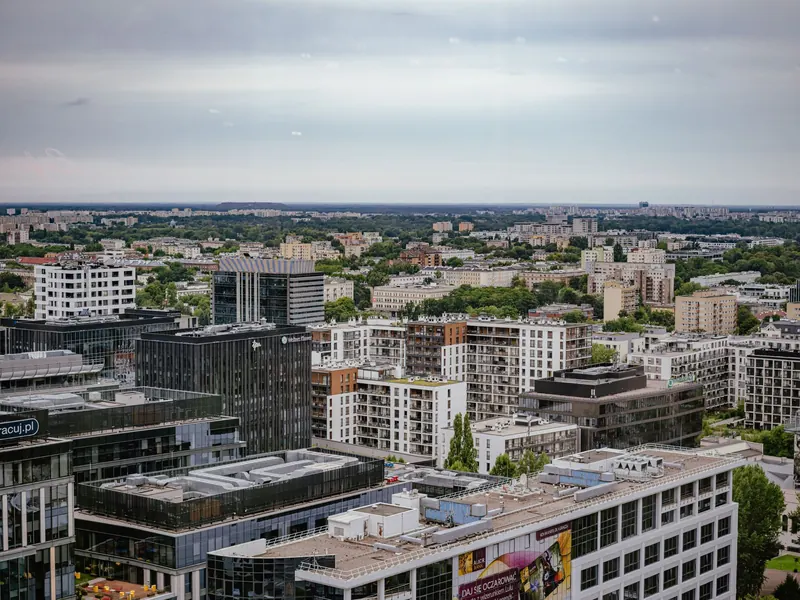 3
3Praga Północ and Praga Południe
Right-bank Praga is rougher-edged and creative, with Koneser, Ząbkowska Street, Soho Factory, Orthodox domes, and murals spread beyond the tourist core.
Day trips
55km / about 1h by car or tour bus from central Warsaw
Żelazowa Wola
Frédéric Chopin's birthplace is a manor-house museum set in a garden park near the Utrata River. Summer recitals make the trip more than a quick photo stop.
130km / 1h 20min by train from Warszawa Centralna to Łódź Fabryczna
Łódź
Former textile factories, Piotrkowska Street, Manufaktura, and film-school history make Łódź the strongest urban contrast to Warsaw.
25km / 45min by car or suburban bus from Młociny Metro
Kampinos National Park
Forests, dunes, wetlands, elk habitat, and wartime memorials sit just northwest of the city. Bring shoes for sandy trails after rain.
Getting around
Warsaw Public Transport runs two metro lines, red-and-yellow trams, buses, SKM trains, and airport links under one ticket system. The fastest cross-core moves are Metro M1 north-south, Metro M2 east-west to Praga, and trams along Aleje Jerozolimskie.
Planning a Warsaw trip?
Add your dates and we'll check every place for closures, limited hours, and booking needs before you go.
Things to do in Warsaw by month
Pick a month for weather, any sourced events, holidays or observances, and seasonal timing. August, June and July have the most comfortable weather (tagged below).
Common questions about Warsaw
- Which neighborhoods should I explore in Warsaw?
- Old Town and New Town, Śródmieście and Royal Route, Powiśle are useful starting points. Plan each day around one or two neighboring areas to avoid unnecessary backtracking.
- When is the best time to visit Warsaw?
- August, June, July balance comfortable temperatures with fewer rainy days in Warsaw.
- How many days do you need in Warsaw?
- a weekend to a week gives you time for architecture, art, and food in Warsaw. Choose your month to see date-specific details.
- What is Warsaw known for?
- Warsaw is best for architecture, art, food, history, and nightlife. For matched places, TripSapien checks available hours, closure signals, and booking links.
Ready to plan Warsaw?
Turn everything above into a day-by-day Warsaw plan, with every place checked for closures and booking needs on your dates.