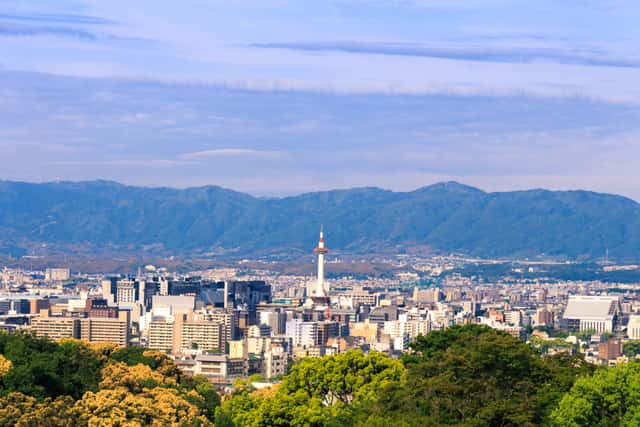
Kyoto
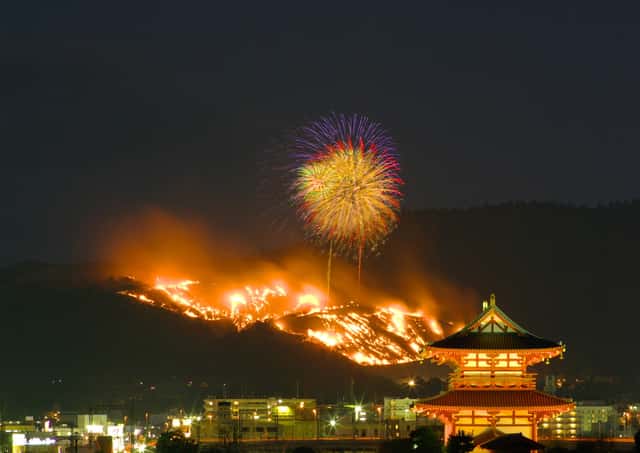
Nara
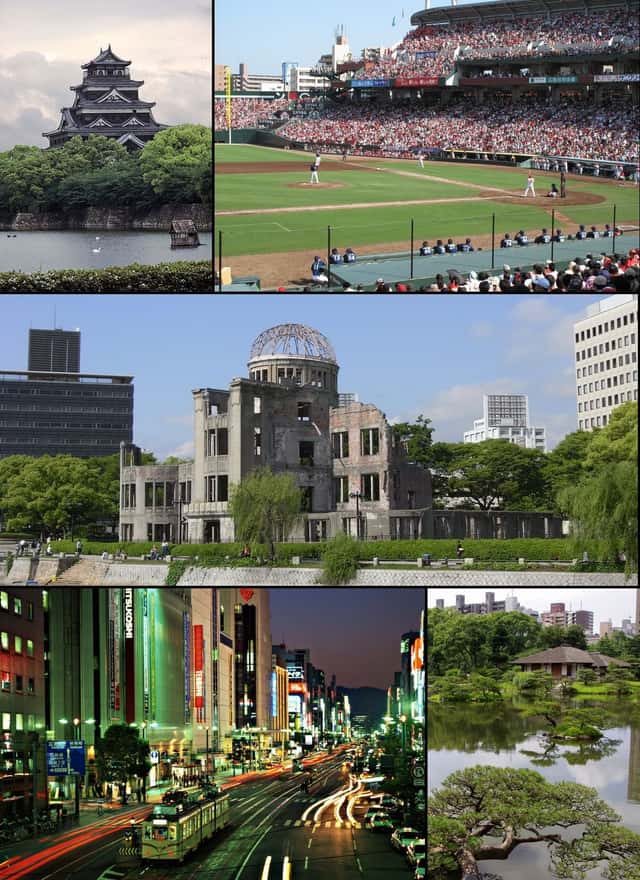
Hiroshima
Japan · Multi-city itinerary
Ancient Japan itinerary — July 2026
By Tripsapien Research · Updated May 20, 2026
July 2026 is a shoulder-season time for the Ancient Japan trip (Kyoto, Nara & Hiroshima). Daytime highs run from about 29°C / 84°F to 32°C / 90°F across the stops. Plan around 6–8 days for the full Kyoto, Nara & Hiroshima loop. Tripsapien checks every place on your list against your exact dates — hours, closures and booking pressure at each stop.
The route
About 6–8 days · 3 cities
Old-capital Japan and the west: temple-dense Kyoto, the free-roaming deer and Great Buddha of Nara, and Hiroshima with the Peace Park and the floating torii of Miyajima. All sit on the Sanyo Shinkansen line.
Kyoto
Kyoto in July
Temperature
90°F / 74°F
32°C / 23.6°C
Precipitation
13d
8.9in · 225mm
Daylight
14.1h
July is hot, humid, and wet, with Gion Matsuri crowds making central buses and hotel locations important.
July is hot, humid, and wet, with Gion Matsuri crowds making central buses and hotel locations important.
City overview
Kyoto sits in a mountain basin in Kansai, with the Kamo River, Higashiyama slopes, Arashiyama hills, and an 794 grid plan shaping temple routes across the former imperial capital. Gion and Higashiyama carry the geisha lanes and hillside temples, Arashiyama holds river-and-bamboo scenery, and Central Kyoto links Kyoto Station, Nijo Castle, Nishiki Market, and the Imperial Palace.
Food & drink
Kyoto food is seasonal and temple-adjacent: kaiseki sequences small courses around season and vessel, shojin ryori is Buddhist vegetarian temple cooking, yudofu near Nanzen-ji turns simmered tofu into the main event, and yuba brings tofu skin into soups and set meals. Nishiki Market, Pontocho, Kiyamachi, Kyoto Station ramen floors, Gion restaurants, Fushimi sake streets, and Uji stops add hamo, matcha sweets, yatsuhashi, and sake tastings.
Top sights
Ranked for July suitability using weather, setting, ratings, and review volume.
- 1Sanjusangen-do
- 2Kiyomizu-dera
- 3Fushimi Inari Taisha
- 4Kinkaku-ji
- 5Ginkaku-ji and the Philosopher Path
- 6Ryoan-ji
- 7Kyoto Imperial Palace and Kyoto Gyoen
- 8Nijo Castle
- 9Nishiki Market
- 10Arashiyama Bamboo Grove and Tenryu-ji
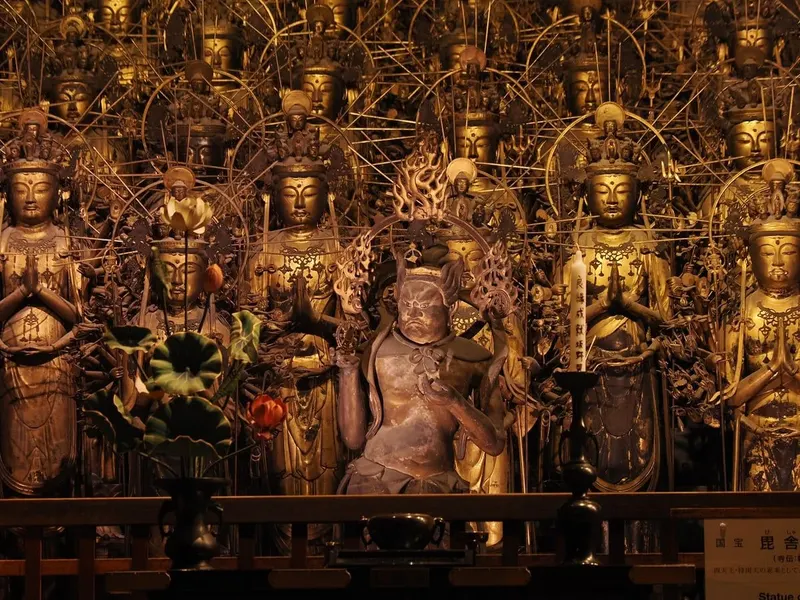 1
1Sanjusangen-do
4.7★ · 16,859indoorOpen dailyThe long temple hall near Shichijo holds 1,001 images of Kannon in a single dramatic interior. It works well with Kyoto National Museum and routes between Kyoto Station and Higashiyama.
Wikipedia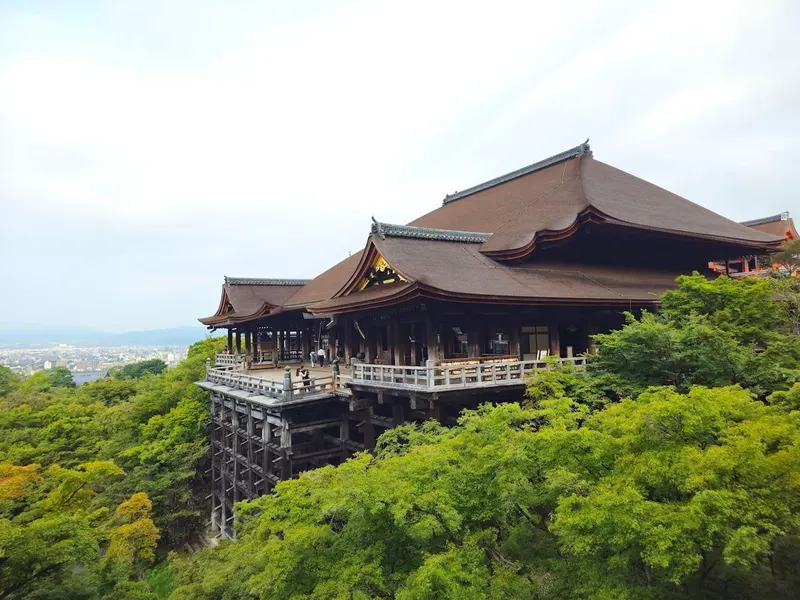 2
2Kiyomizu-dera
4.6★ · 69,350indoorOpen dailyThe Higashiyama temple is famous for its large wooden stage above the hillside and the approach streets of Sannenzaka and Ninenzaka. It is one of the Historic Monuments of Ancient Kyoto in the UNESCO listing.
WikipediaArrive near opening or late afternoon; the Higashiyama approach lanes bottleneck during cherry blossom and autumn color weeks.
 3
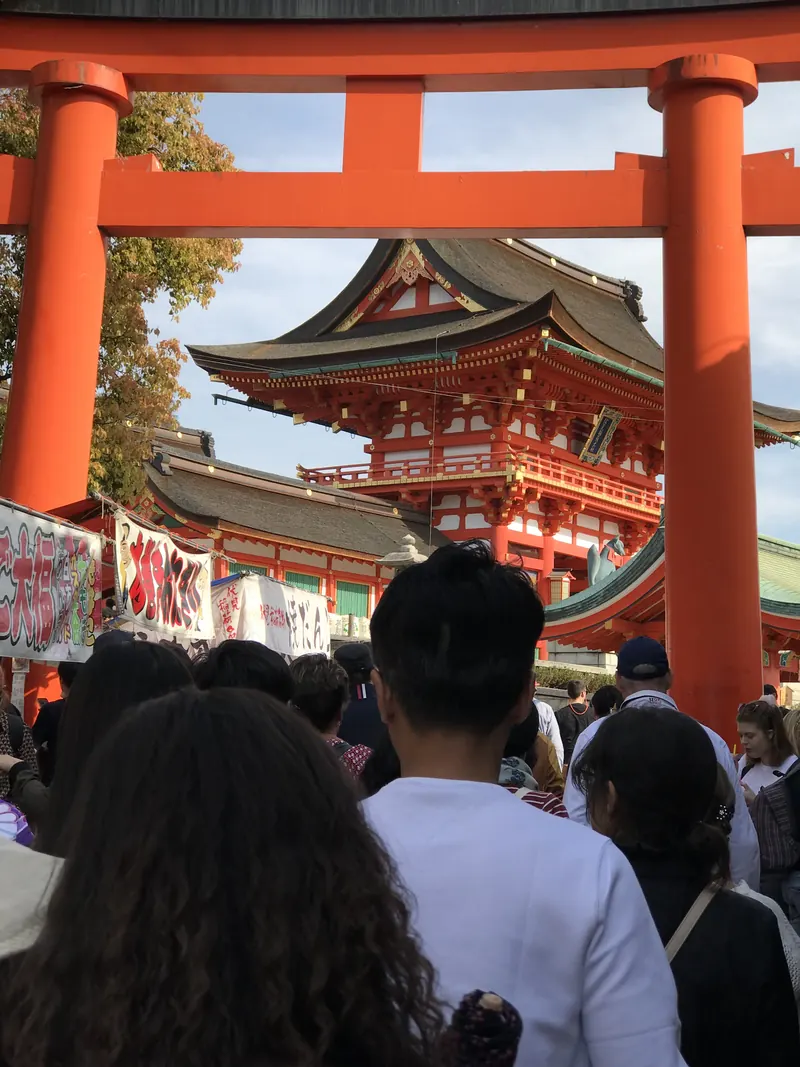
3Fushimi Inari Taisha
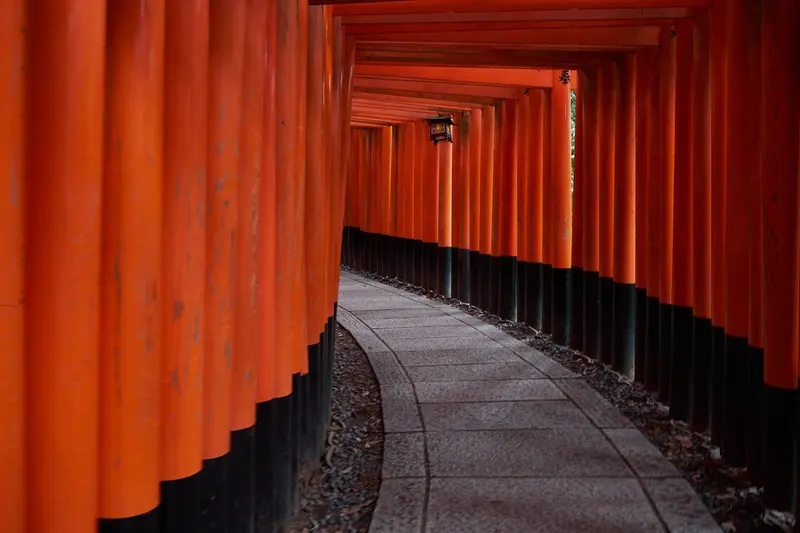
4.6★ · 87,888indoorOpen dailyThousands of vermilion torii gates climb Mount Inari from the shrine beside JR Inari station. The full mountain loop takes far longer than the first photo corridor and thins out above the lower shrines.
Wikipedia
Show 7 more sights
- 4Kinkaku-ji
- 5Ginkaku-ji and the Philosopher Path
- 6Ryoan-ji
- 7Kyoto Imperial Palace and Kyoto Gyoen
- 8Nijo Castle
- 9Nishiki Market
- 10Arashiyama Bamboo Grove and Tenryu-ji
Neighborhoods
 1
1Gion and Higashiyama
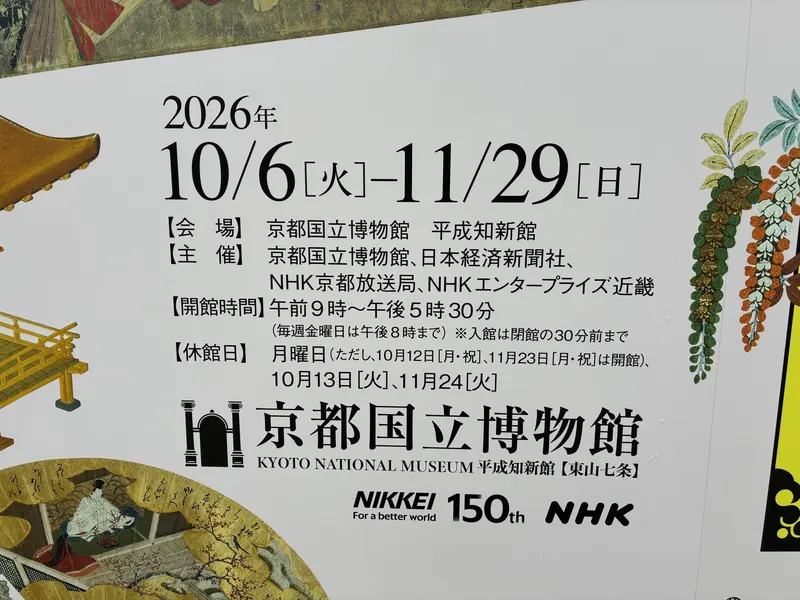
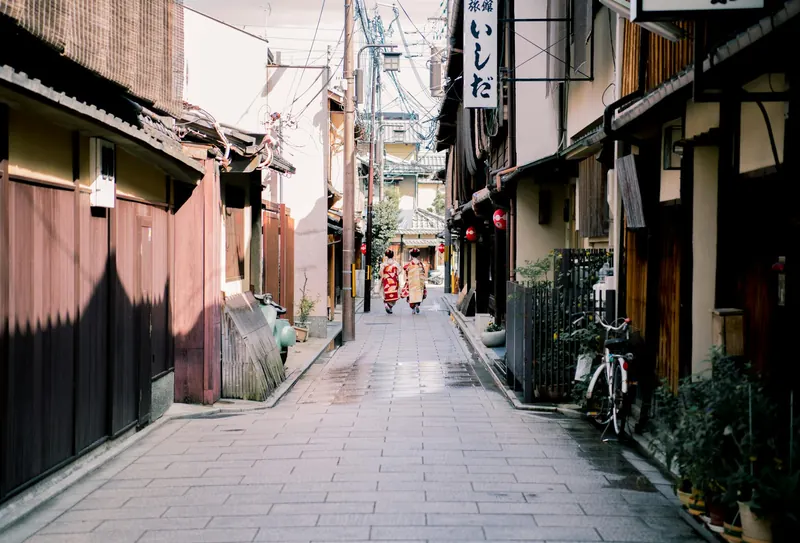
Gion and Higashiyama are Kyoto lanes and slopes, with Hanami-koji, Yasaka Shrine, Kiyomizu-dera, Sannenzaka, Ninenzaka, teahouses, and heavy evening foot traffic.
 2
2Downtown Kyoto and Nishiki
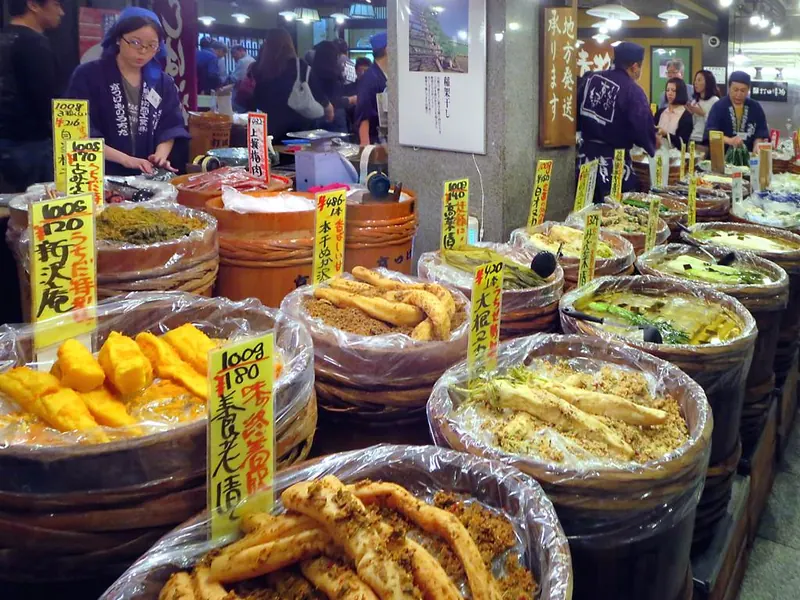
Downtown centers on Shijo-Kawaramachi, Nishiki Market, Teramachi, Shinkyogoku, Pontocho, Kiyamachi, and the Kamo River dining terraces.
 3
3Arashiyama and Sagano
Arashiyama and Sagano feel greener and slower, with bamboo groves, Tenryu-ji, Togetsukyo Bridge, riverboats, monkey park climbs, and temple lanes.
 4
4Northern Kyoto
Northern Kyoto collects Kinkaku-ji, Ryoan-ji, Ninna-ji, Kamigamo Shrine, Shimogamo Shrine, university edges, and quieter residential streets.
 5
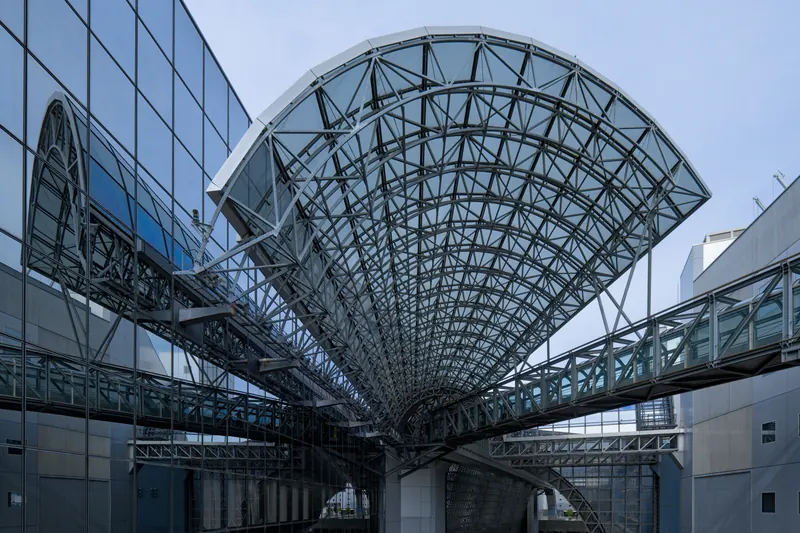
5Central Kyoto and Kyoto Station
Central Kyoto includes Kyoto Station, Nijo Castle, Kyoto Gyoen, the Imperial Palace, Nishi Hongan-ji, business hotels, and bus hubs.
 6
6Fushimi and Southern Kyoto
Fushimi and southern Kyoto add Fushimi Inari, sake breweries, Tofuku-ji, Daigo-ji, and rail links toward Uji and Nara.
Getting around
Use ICOCA on JR, Keihan, Hankyu, Kyoto Subway, city buses, Randen, and most regional rail; Kyoto Station, Shijo-Kawaramachi, Sanjo Keihan, and Kitaoji are the useful transfer points. Buses reach Kinkaku-ji and many northwestern temples, Keihan is best for Gion-Fushimi Inari, Hankyu helps Arashiyama, and bicycles work well in the central grid outside peak crowds.
Nara
Nara in July
Temperature
84°F / 72°F
29°C / 22.1°C
Precipitation
9d
6.1in · 154mm
Daylight
14.1h
July is hot and humid after the rains, with shaded Kasuga paths useful at midday.
July is hot and humid after the rains, with shaded Kasuga paths useful at midday.
City overview
Nara is the former Japanese capital where Nara Park, Todai-ji, Kasuga Taisha, Kofuku-ji, Naramachi, and Nishinokyo sit between Kintetsu Nara, JR Nara, and the forested Kasugayama edge. The city is smaller than Kyoto but more concentrated, with deer, temple precincts, sake shops, old merchant houses, and palace ruins close enough for slow walking days.
Food & drink
Nara food is compact and local: kakinoha-zushi is pressed sushi wrapped in persimmon leaves, narazuke pickles are cured in sake lees, and chagayu is a simple tea rice porridge tied to temple-town mornings. Higashimuki Shopping Street, Mochiidono arcade, Sanjo-dori, and Naramachi lanes add miwa somen, green yomogi mochi, kuzu sweets, and sake from Harushika Brewery.
Top sights
Ranked for July suitability using weather, setting, ratings, and review volume.
- 1Todai-ji
- 2Kasuga Taisha
- 3Toshodai-ji
- 4Kofuku-ji
- 5Nara National Museum
- 6Yakushi-ji
- 7Heijo Palace Site
- 8Naramachi
- 9Nara Park
- 10Isuien Garden and Yoshikien Garden
 1
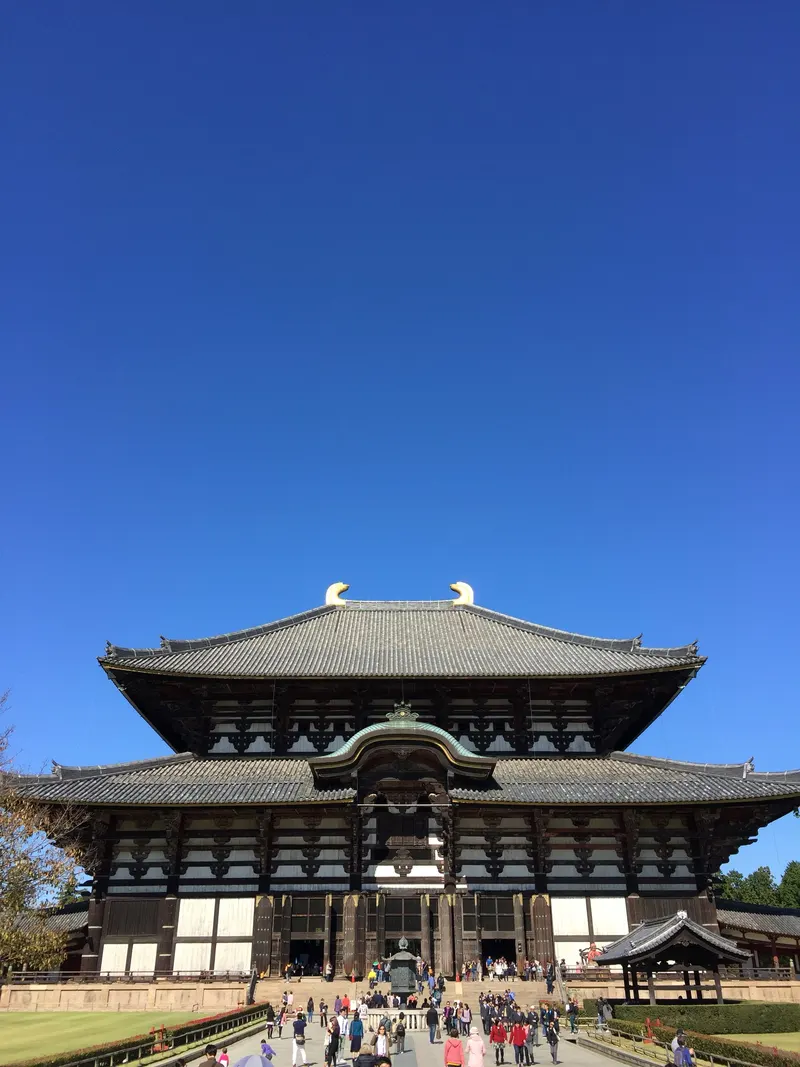
1Todai-ji
4.7★ · 30,798indoorOpen dailyThe temple houses the Great Buddha in Daibutsu-den, one of Nara Park signature buildings. The approach passes deer, gates, lanterns, and museum halls.
Wikipedia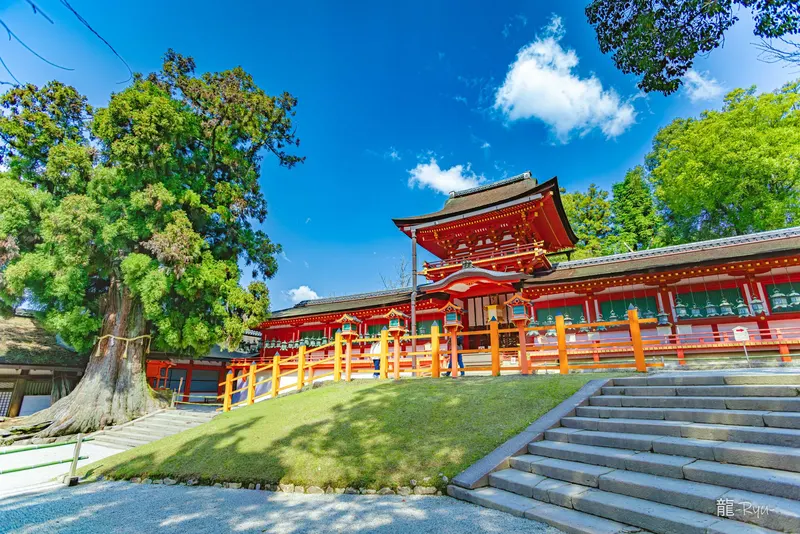 2
2Kasuga Taisha
4.5★ · 14,882indoorOpen dailyThe shrine at the forest edge is known for stone and bronze lanterns, vermilion corridors, and paths leading into Kasuga-yama Primeval Forest.
Wikipedia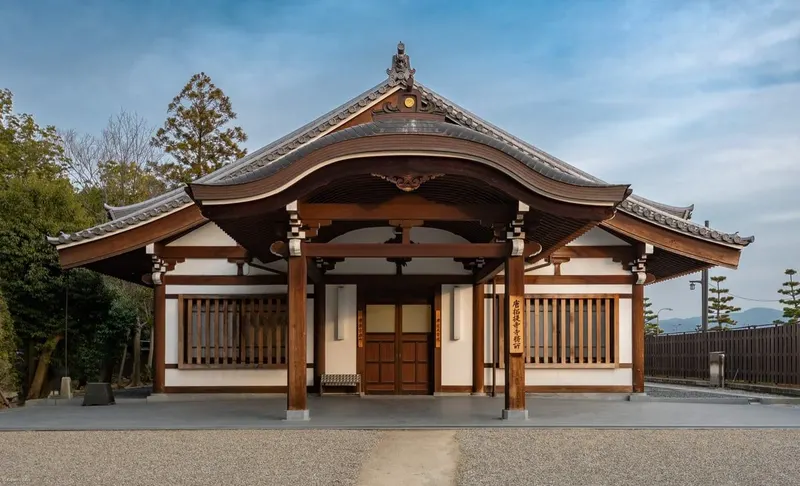 3
3Toshodai-ji
4.5★ · 4,649indoorOpen dailyThe temple founded by the Chinese monk Ganjin sits near Yakushi-ji and has quiet halls, mossy grounds, and important Nara-period architecture.
Wikipedia
Show 7 more sights
- 4Kofuku-ji
- 5Nara National Museum
- 6Yakushi-ji
- 7Heijo Palace Site
- 8Naramachi
- 9Nara Park
- 10Isuien Garden and Yoshikien Garden
Neighborhoods
 1
1Nara Park and Kasugayama
This eastern zone is temple-and-forest focused, with Todai-ji, Kasuga Taisha, deer paths, ponds, lanterns, and museum lawns.
 2
2Kintetsu Nara and Higashimuki
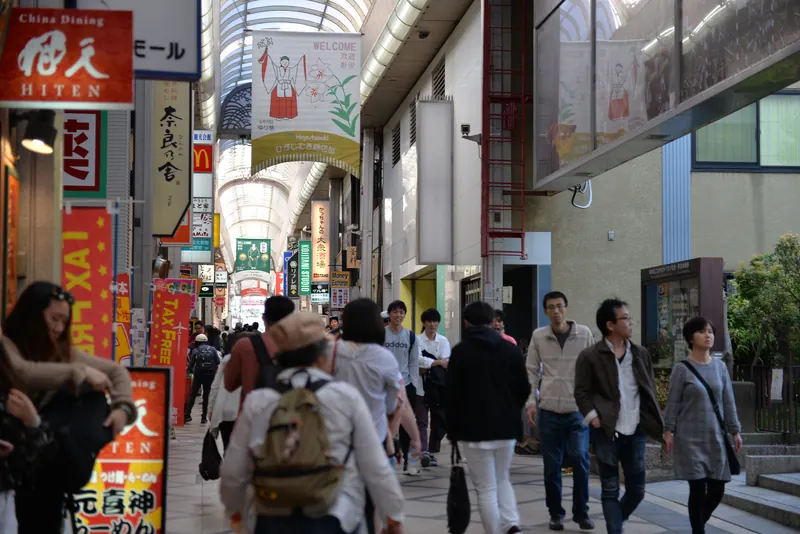
The station-side core has shopping arcades, Sanjo-dori, Sarusawa Pond access, restaurants, lockers, buses, and the fastest arrival point for Kyoto or Osaka.
 3
3Naramachi
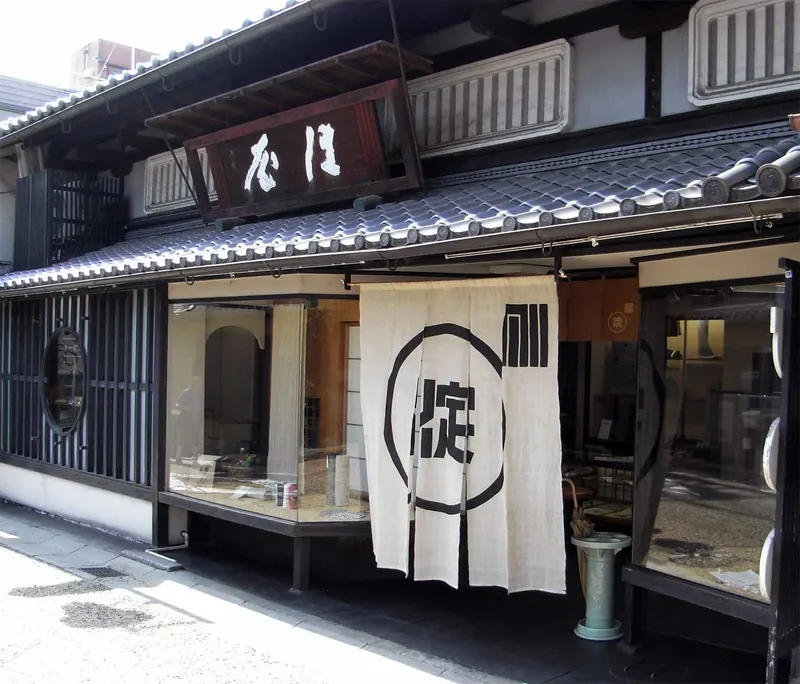
Naramachi is low-rise and historic, with machiya houses, craft shops, cafes, sake stops, small temples, and quieter evening walks.
 4
4JR Nara and Sanjo-dori
The western arrival zone has hotels, rail connections, the long Sanjo-dori walk, supermarkets, and practical dining before the old-town core.
 5
5Nishinokyo
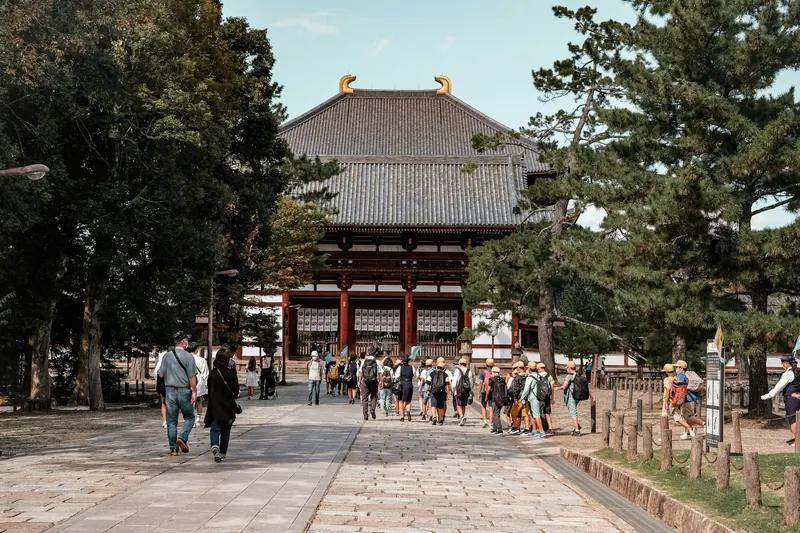
Nishinokyo is temple-focused and less crowded, with Yakushi-ji, Toshodai-ji, canals, suburban streets, and more space between sights.
 6
6Heijo and Saidaiji
The northwestern side centers on Heijo Palace Site, open fields, museums, reconstructed gates, and rail links toward Yamato-Saidaiji.
Getting around
Kintetsu Nara is closest to Nara Park, while JR Nara is useful for Horyu-ji, Kyoto, and Osaka connections; ICOCA cards work on most rail and bus trips. Walk the central park-Naramachi core, then use Nara Kotsu buses or Kintetsu trains for Nishinokyo and Heijo Palace Site.
Hiroshima
Hiroshima in July
Temperature
88°F / 75°F
30.9°C / 24.1°C
Precipitation
12d
11in · 280mm
Daylight
14.1h
Sea
82.8°F
28.2°C
July is hot and very wet, with heavy-rain buffers important for ferries and trains.
July is hot and very wet, with heavy-rain buffers important for ferries and trains.
City overview
Hiroshima is a delta city on the Ota River where Peace Memorial Park, the Atomic Bomb Dome, Hondori, Hatchobori, Hiroshima Station, and Ujina Port structure most visitor days. The city combines 1945 memory work, rebuilt castle grounds, garden walks, streetcar travel, okonomiyaki counters, and easy ferries toward Miyajima.
Food & drink
Hiroshima food centers on Hiroshima-style okonomiyaki, oysters, anago-meshi, tsukemen, lemon products from Setouchi islands, sake, and momiji manju sweets. Okonomimura, Ekinishi, Hondori, Nagarekawa, and Miyajima oyster shops are the main food anchors.
Top sights
Ranked for July suitability using weather, setting, ratings, and review volume.
- 1Hiroshima Peace Memorial Museum
- 2Mitaki-dera
- 3Mazda Museum
- 4Hiroshima Museum of Art
- 5Okonomimura
- 6Hondori Shopping Arcade
- 7Peace Memorial Park
- 8Atomic Bomb Dome
- 9Shukkeien Garden
- 10Hiroshima Castle
 1
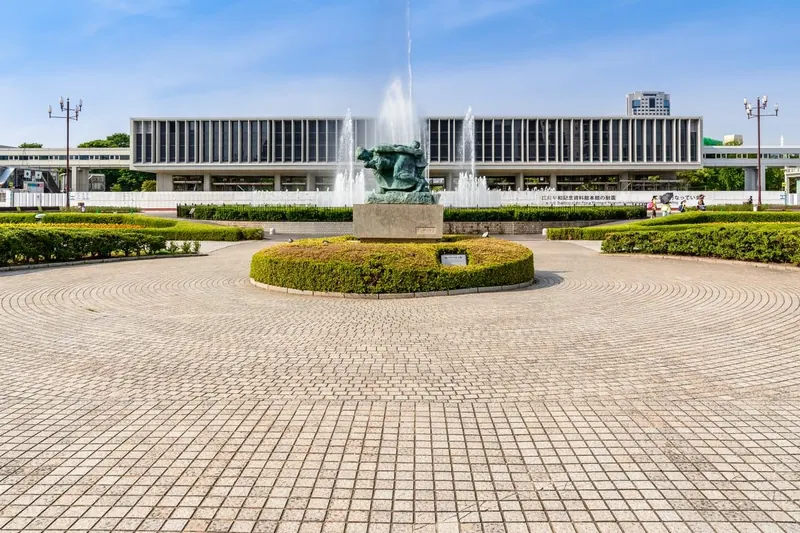
1Hiroshima Peace Memorial Museum
4.7★ · 28,818indoorOpen dailyThe museum presents survivor testimony, artifacts, photographs, and the history of the atomic bombing. The material is direct and deserves unhurried time.
Wikipedia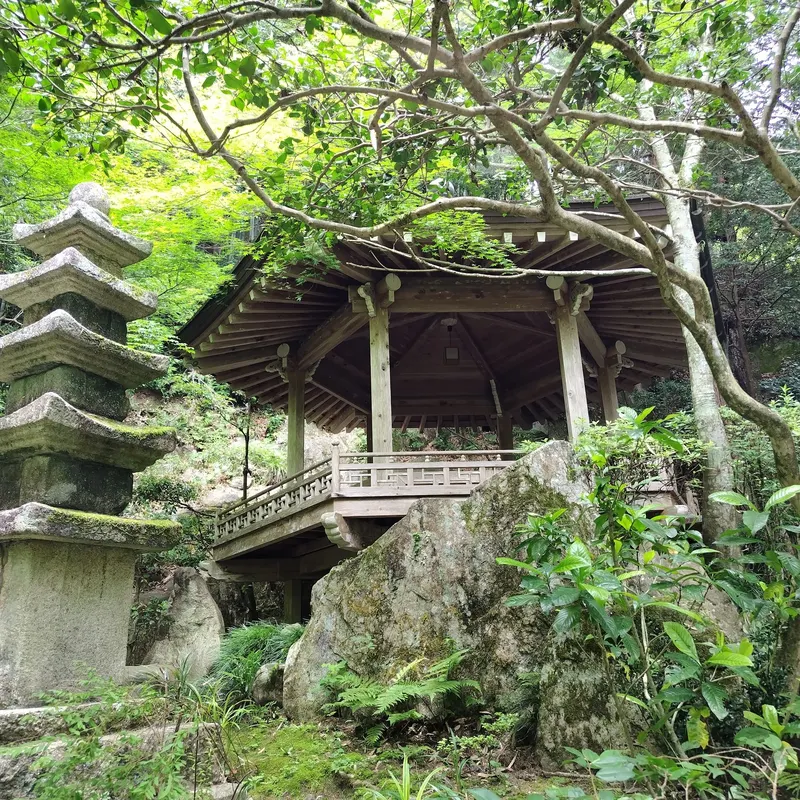 2
2Mitaki-dera
4.6★ · 1,202indoorOpen dailyThe hillside temple northwest of the center has waterfalls, stone figures, forest paths, and a quieter atmosphere than the downtown memorial district.
Wikipedia 3
3Mazda Museum
4.6★ · 1,078indoorClosed Sat/SunThe factory museum in Fuchu explains Mazda history and auto production, with tours normally requiring advance reservation.
Show 7 more sights
- 4Hiroshima Museum of Art
- 5Okonomimura
- 6Hondori Shopping Arcade
- 7Peace Memorial Park
- 8Atomic Bomb Dome
- 9Shukkeien Garden
- 10Hiroshima Castle
Neighborhoods
 1
1Peace Park and Kamiyacho
This central zone is solemn and civic, with memorial sites, river walks, museums, streetcars, offices, and hotels close together.
 2
2Hondori and Hatchobori
Hondori and Hatchobori are the shopping and dining core, with arcades, department stores, Okonomimura, cafes, and tram intersections.
 3
3Hiroshima Station and Ekimae
The station area is practical, with Shinkansen access, hotels, Ekinishi bars, buses, trams, and fast links to Miyajima or Mazda tours.
 4
4Nagarekawa and Shintenchi
Nagarekawa is the nightlife belt, with bars, karaoke, late food, small streets, and Okonomimura nearby.
 5
5Hijiyama
Hijiyama rises south of the center, with parks, manga and contemporary-art museums, cherry trees, and quieter paths.
 6
6Ujina Port
Ujina is ferry-oriented and bay-facing, with the passenger terminal, waterfront walks, warehouses, and island connections.
Getting around
Hiroden streetcars are the main city tool, connecting Hiroshima Station, Hatchobori, Peace Park, Ujina Port, and the Miyajima ferry approach. JR trains handle Miyajima, Saijo, Kure, and Onomichi, while central Peace Park-Hondori-Hatchobori is walkable.
Best time to do the Ancient Japan trip
In July, the Ancient Japan trip runs daytime highs from 29°C / 84°F to 32°C / 90°F, with nights down to about 22°C / 72°F at the coolest stop. It is one of the wetter months, with up to 13 rainy days at the wettest stop. Weighed across all 3 stops, July is a shoulder-season time to travel.
The most comfortable months across Kyoto, Nara & Hiroshima are October, May and April, based on average daytime temperatures and rainfall at every stop. July 2026 is a quieter shoulder season to go.
Check this route against your dates
Tripsapien starts with the sights on this page or places you paste, then checks hours, closures, booking pressure and neighborhoods for your exact July dates — across every city on the Ancient Japan trip.
Plan this Ancient Japan tripCommon questions about the Ancient Japan trip
- When is the best time to do the Ancient Japan trip?
- The most comfortable months across Kyoto, Nara, Hiroshima are October, May and April, based on average daytime temperatures and rainfall at each stop. July is a shoulder-season time — see the per-stop weather below for the exact picture in July 2026.
- How many days do you need for the Ancient Japan trip?
- A comfortable Ancient Japan trip runs about 6–8 days, allowing roughly Kyoto 3, Nara 1, Hiroshima 2 nights plus travel between stops. Add a day if you want a slower pace or extra day trips.
- What's the route for the Ancient Japan trip?
- The classic order is Kyoto, Nara & Hiroshima. Each city below has its own July weather, events and top-sights list.
- Will the sights be open during my July Ancient Japan trip?
- Opening days and hours vary by weekday, season and public holiday, and they differ from city to city on a multi-stop trip. Paste your Ancient Japan list into Tripsapien and it checks every place in Kyoto, Nara, Hiroshima against your exact dates, flagging closures and what needs booking ahead before you go.