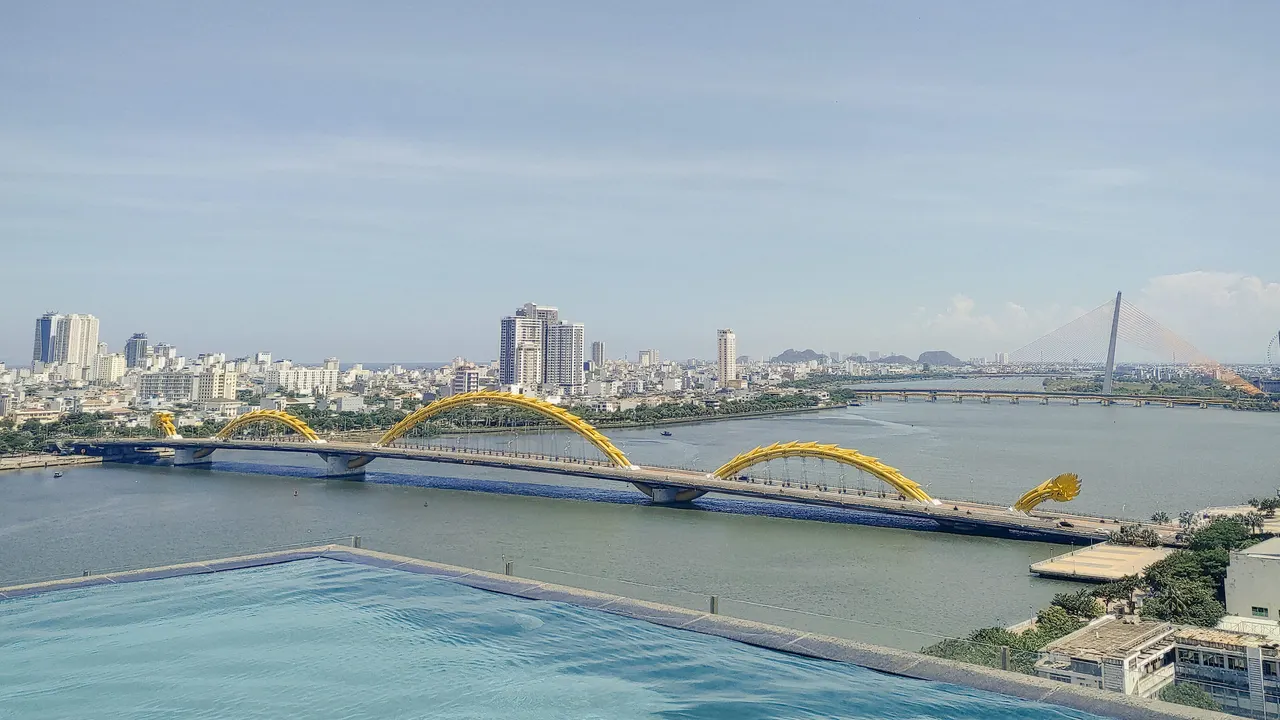
Central Vietnam itinerary — August 2026
For the Central Vietnam trip (Da Nang, Hoi An & Hue), August 2026 is one of the less comfortable months by weather. Across Da Nang and Hoi An, daytime highs run from about 32°C / 90°F to 34°C / 93°F. Plan around 5–7 days for the full Da Nang, Hoi An & Hue loop.
In this order — about 5–7 days:
- Da Nang3 nights
- Hoi An2 nights
- Route noteReserve the longest intercity leg first and keep transfer days free of timed sights.
By TripSapien · Updated August 24, 2026
Da Nang
Da Nang in August
TempTemperature
93°F / 78°F
34.1°C / 25.3°C
RainPrecipitation
11d
4.5in · 115mm
LightDaylight
12.5h
Sea
88.3°F
31.3°C
August remains steamy and wetter, so watch storm forecasts before Ba Na Hills or Hai Van Pass trips.
City overview
Da Nang is Central Vietnam's beach-and-river city, set between the South China Sea, the Hàn River, the Marble Mountains, and the green Sơn Trà Peninsula. My Khe and My An carry the resort-and-surf stay, Hải Châu holds the river bridges and markets, and Ngũ Hành Sơn points travelers toward caves, stone villages, and day trips without letting nearby Hội An become the headline.
Food & drink
Da Nang is the place to eat mì Quảng, bún chả cá, bánh tráng cuốn thịt heo, bánh xèo, cao lầu-style noodles, and grilled seafood without Hoi An prices. Han Market, Con Market, My An seafood streets, and An Thuong cafes give the city a practical food circuit from breakfast to late beer.
Top sights
Ranked for August suitability using weather, setting, ratings, and review volume.
- 1Sơn Trà Peninsula and Linh Ung Pagoda
- 2Đà Nẵng Cathedral
- 3Museum of Cham Sculpture
- 4My Khe Beach
- 5Hàn River Bridge
- 6Dragon Bridge
- 7Marble Mountains
- 8Ba Na Hills and Golden Bridge
- 9APEC Sculpture Park
- 10Han Market
 1
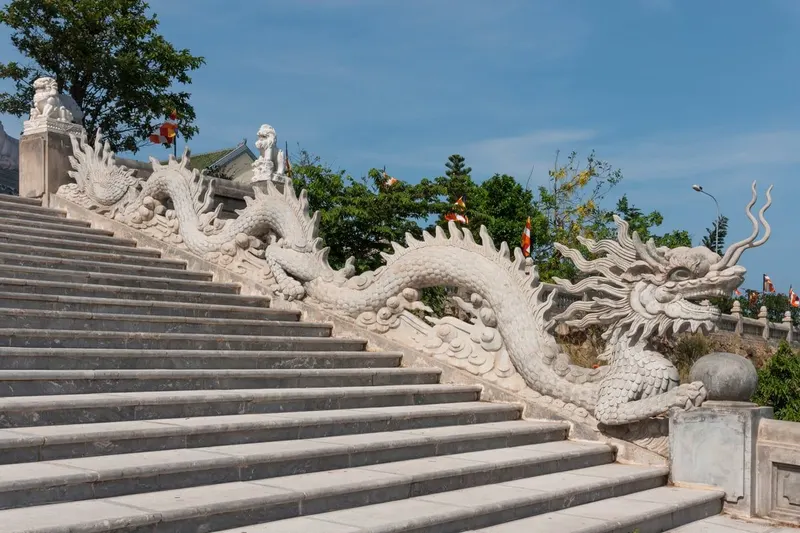
1Sơn Trà Peninsula and Linh Ung Pagoda
4.7★ · 7,361indoorOpen dailySon Tra, also called Monkey Mountain, is a forested reserve north of My Khe with red-shanked douc monkeys, military roads, and sea viewpoints. Linh Ung Pagoda opened its 67-metre Lady Buddha statue in 2010 above Bai But bay.
 2
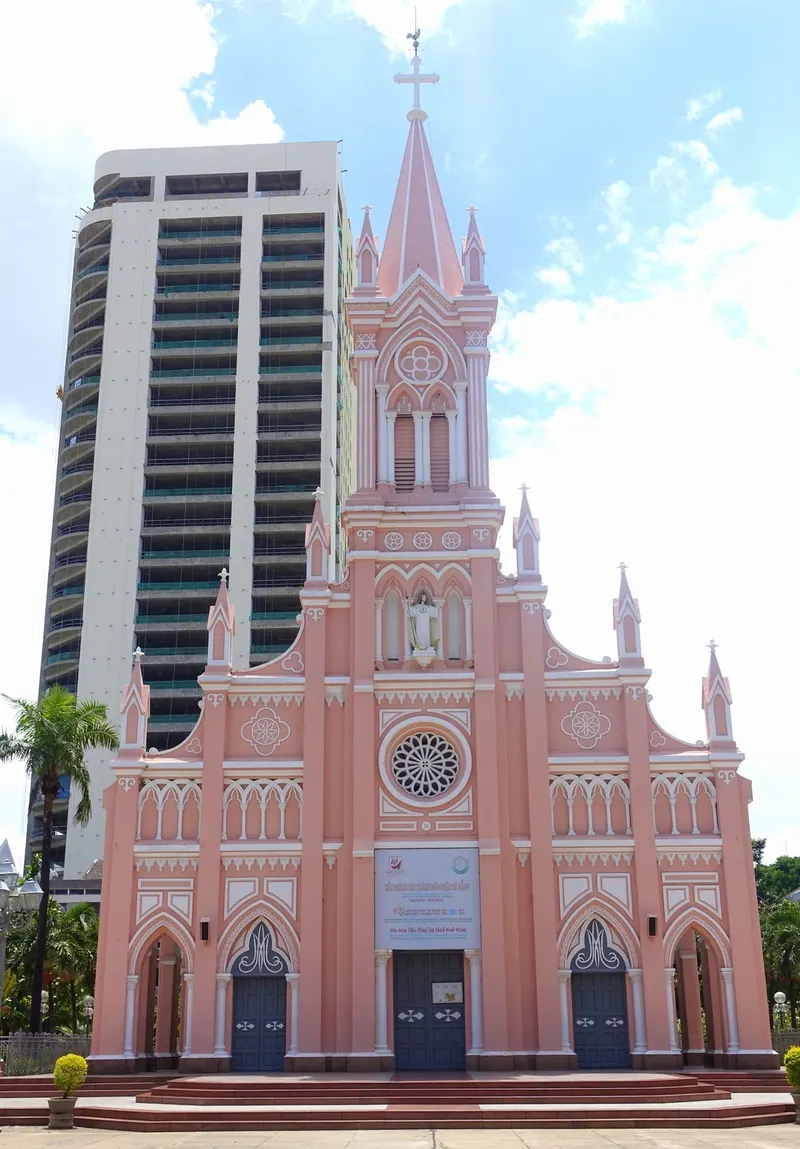
2Đà Nẵng Cathedral
4.4★ · 2,791indoorClosed SunFrench priest Louis Vallet built the pink Gothic Revival cathedral in 1923, and locals still call it the Rooster Church for the weathercock on its steeple. The church sits on Tran Phu Street between Han Market and the river.
 3
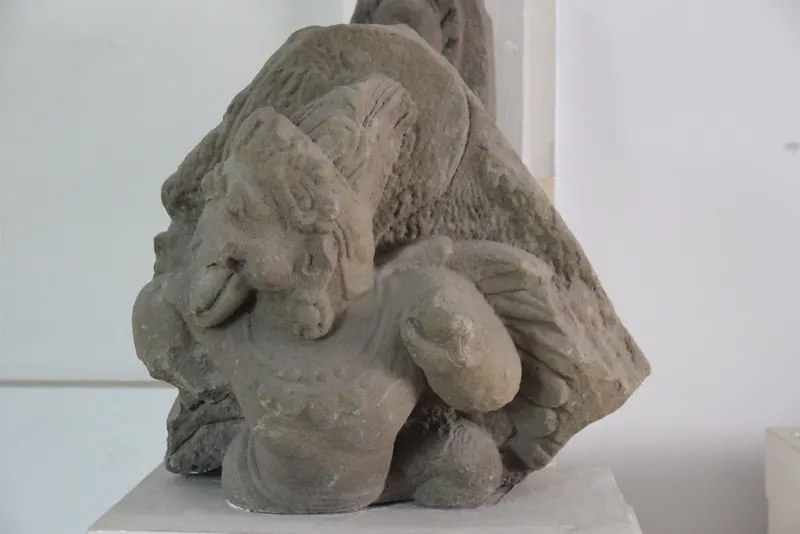
3Museum of Cham Sculpture
4.2★ · 7,944indoorOpen dailyThe French School of the Far East opened this museum in 1919 to display Cham sandstone sculpture collected from My Son, Tra Kieu, and other central sites. It stands near the western end of Dragon Bridge in Hai Chau.
Wikipedia
Show 7 more sights
- 4My Khe Beach
- 5Hàn River Bridge
- 6Dragon Bridge
- 7Marble Mountains
- 8Ba Na Hills and Golden Bridge
- 9APEC Sculpture Park
- 10Han Market
Neighborhoods
 1
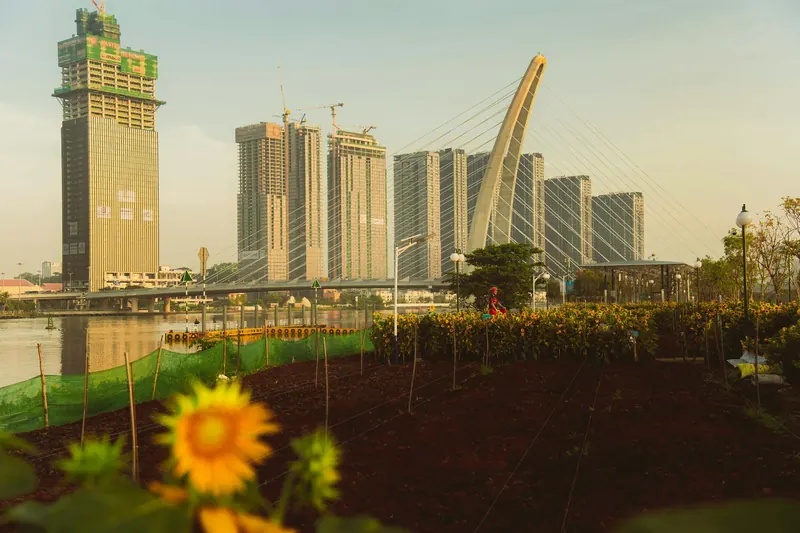
1Hải Châu and Bach Dang riverfront
Hai Chau is the downtown spine, with Han Market, Da Nang Cathedral, Bach Dang promenade, the Cham Sculpture Museum, and the western bridgeheads packed close together.
 2
2My Khe and Phuoc My
My Khe and Phuoc My feel like the hotel-and-beach strip, with Vo Nguyen Giap towers, seafood restaurants, sunrise swimmers, and quick taxi access to Dragon Bridge.
 3
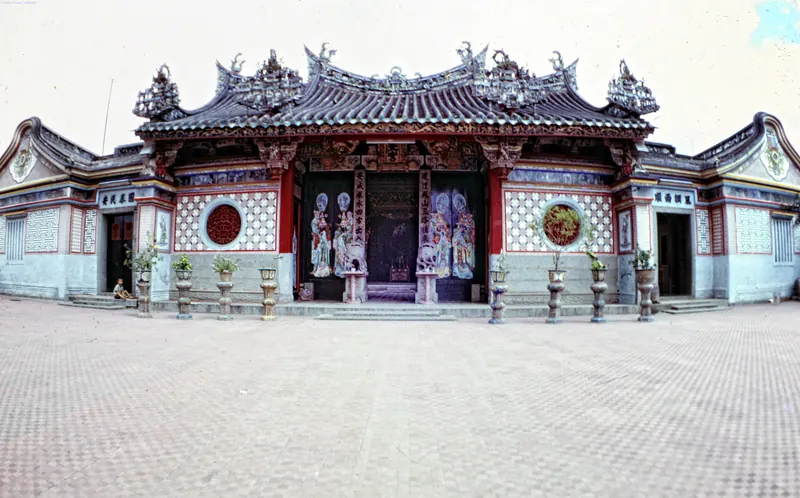
3My An and An Thuong
My An is the backpacker-and-expat pocket behind the beach, with An Thuong lanes, cafes, bars, massage shops, and easy walks to the sand.
 4
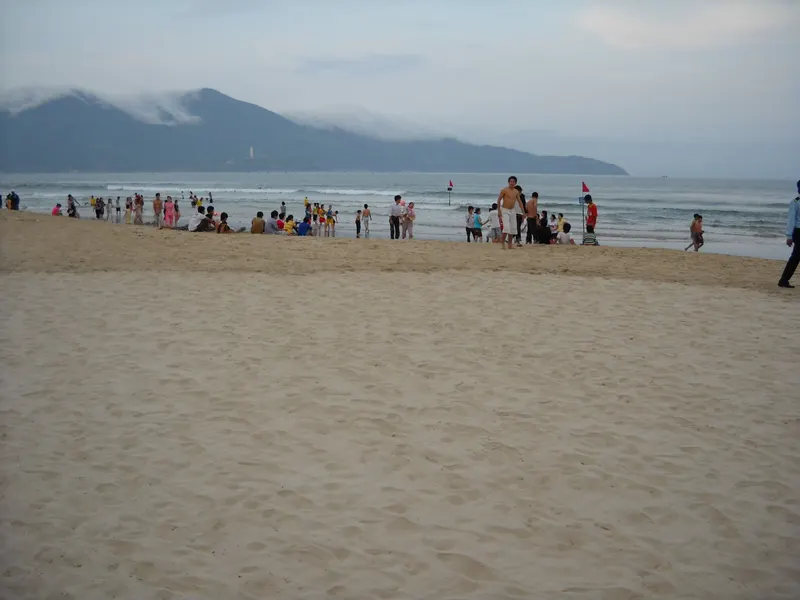
4Sơn Trà Peninsula
Son Tra is green, steep, and scenic, with Linh Ung Pagoda, InterContinental road views, monkey habitat, and quiet coves beyond the city grid.
 5
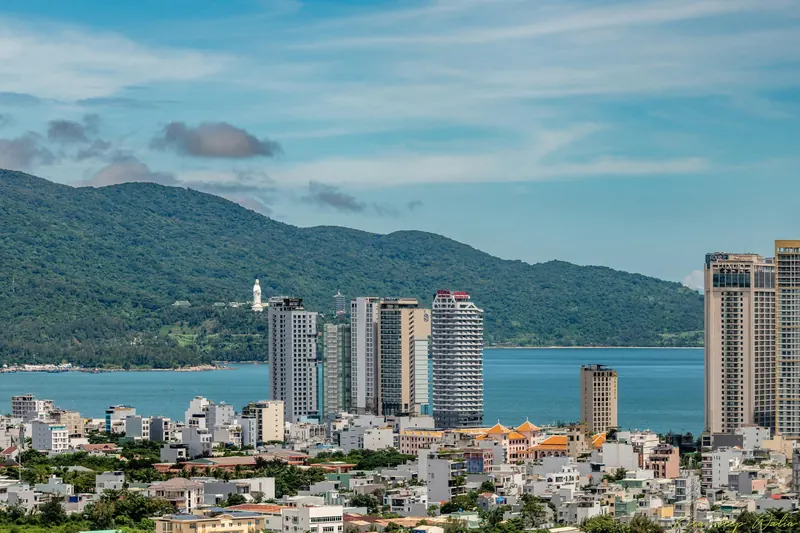
5Ngũ Hành Sơn and Non Nuoc
Ngu Hanh Son is the cave-and-resort side of Da Nang, anchored by Marble Mountains, Non Nuoc stone carving, golf resorts, and the coastal road toward Hoi An.
 6
6Thanh Khê and the airport side
Thanh Khe is more residential and transport-focused, with Da Nang railway station, local markets, airport access, and fewer resort services than the beach.
Getting around
Grab cars and motorbikes are the simplest way to move between beach hotels, Hai Chau, Marble Mountains, and Son Tra, while taxis from Mai Linh and Taxi Xanh are common at hotels. City buses #6 and #10 connect the airport, Han River, and My Khe cheaply, but most visitors use taxis for hot or rainy cross-river trips.
Hoi An
Hoi An in August
TempTemperature
90°F / 80°F
32.4°C / 26.7°C
RainPrecipitation
14d
6.1in · 154mm
LightDaylight
12.5h
August remains hot but wetter, so keep flexibility for Cham Islands boats.
City overview
Hội An is a Thu Bồn River trading port where the UNESCO Ancient Town, An Hội island, Cẩm Nam, Cẩm Châu, and An Bang Beach create a compact city-beach rhythm. The city is known for Chinese assembly halls, Japanese merchant history, lantern evenings, tailoring shops, and food that changes block by block around Central Market.
Food & drink
Hội An food includes cao lau, white rose dumplings, mi quang, com ga, banh mi, banh xeo, wontons, and herb-heavy rice-paper dishes. Central Market, Morning Market, Madam Khanh, Bale Well, Tra Que gardens, and An Bang seafood cover the first eating route.
Events & festivals
- Aug 26
Hoi An Lantern Festival (August 2026)
August's lantern night dims the ancient town to candle-glow: paper lanterns drift down the Thu Bon while the streets fill with folk songs and bai choi performances.
Source: TripSapien festival dataset
Top sights
Ranked for August suitability using weather, setting, ratings, and review volume.
- 1Tra Que Vegetable Village
- 2Quan Cong Temple
- 3Museum of Trade Ceramics
- 4Hội An Central Market
- 5Phuc Kien Meeting Hall
- 6Japanese Covered Bridge
- 7Thanh Hà Pottery Village
- 8An Bang Beach
- 9Old House of Tan Ky
- 10An Hội Night Market
 1
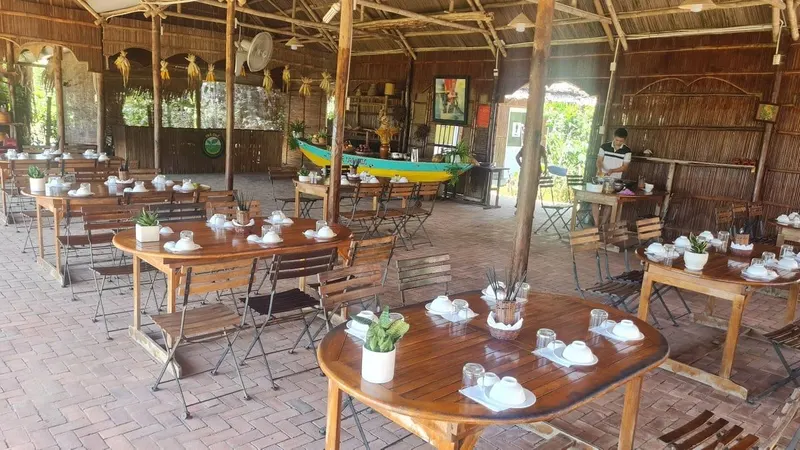
1Tra Que Vegetable Village
4.5★ · 839indoorOpen dailyThe farming village between the Ancient Town and An Bang grows herbs used in Hội An cooking classes and noodle shops.
 2
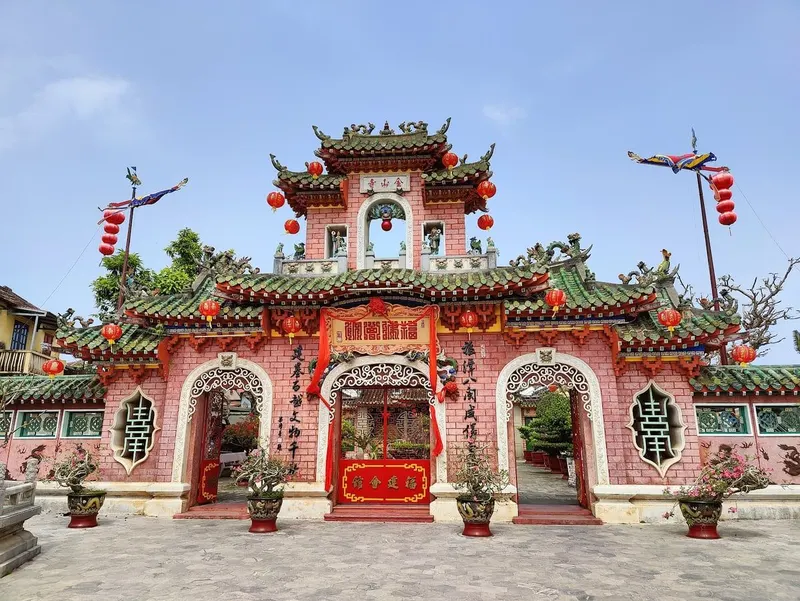
2Quan Cong Temple
4.3★ · 199indoorOpen dailyThe 17th-century Chinese temple honors the general Quan Cong and anchors the Central Market side of the old quarter.
 3
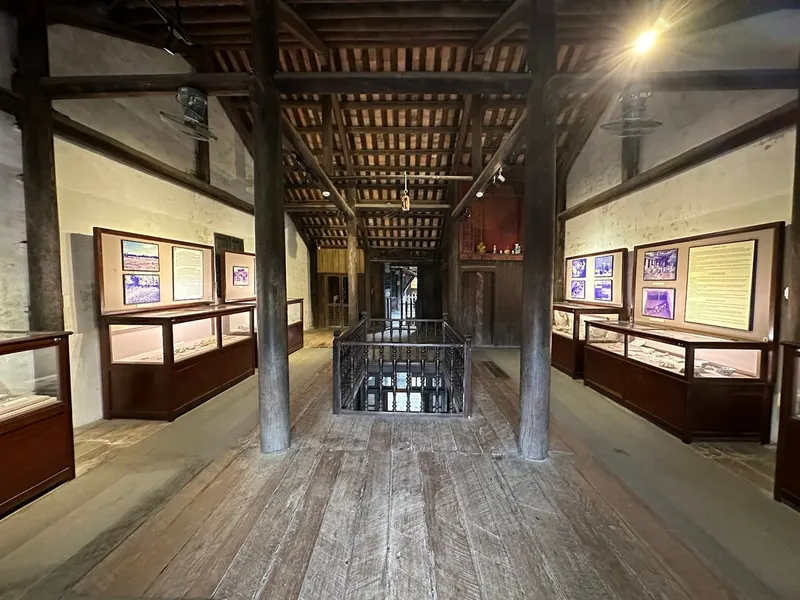
3Museum of Trade Ceramics
4.1★ · 181indoorOpen dailyThe museum connects Hội An to Japanese, Chinese, and Southeast Asian trade routes through ceramics found around the port town.
Wikipedia
Show 7 more sights
- 4Hội An Central Market
- 5Phuc Kien Meeting Hall
- 6Japanese Covered Bridge
- 7Thanh Hà Pottery Village
- 8An Bang Beach
- 9Old House of Tan Ky
- 10An Hội Night Market
Neighborhoods
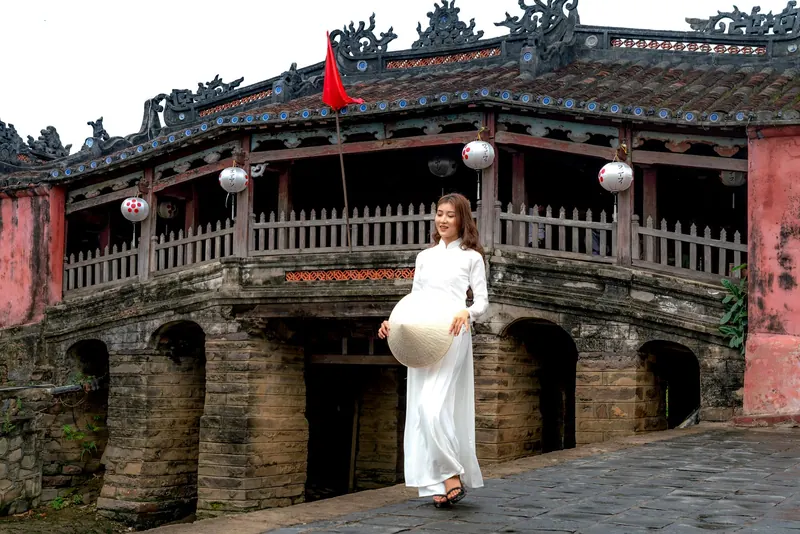 1
1Ancient Town
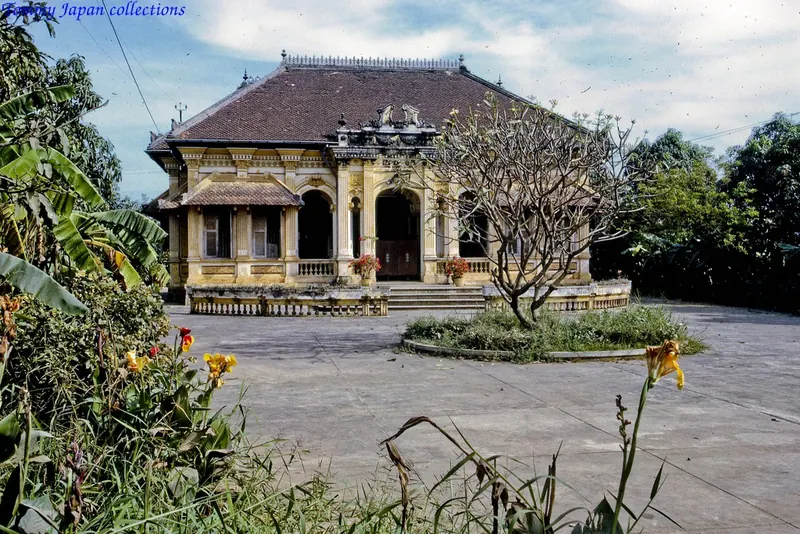
The protected core has yellow shophouses, assembly halls, the Japanese Covered Bridge, Central Market, lantern shops, and car-free evening streets.
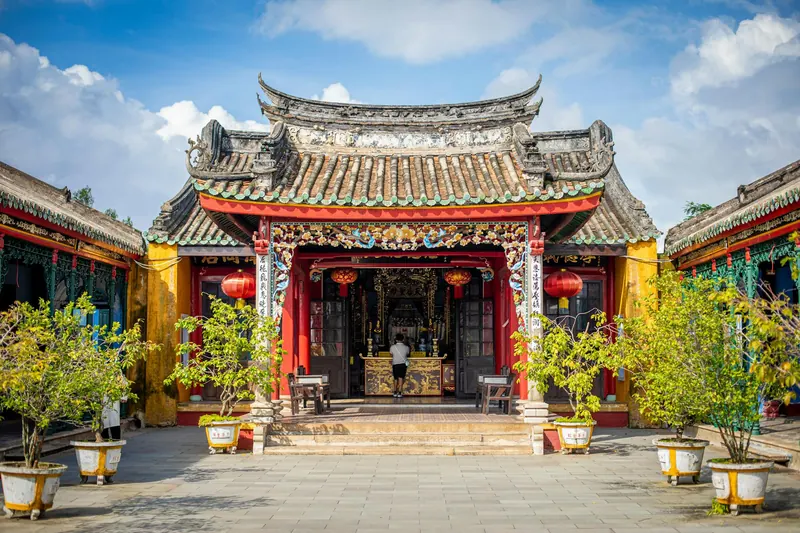 2
2An Hội island
An Hội is the nightlife and night-market side, with lantern stalls, riverside bars, homestays, and boat docks facing the old town.
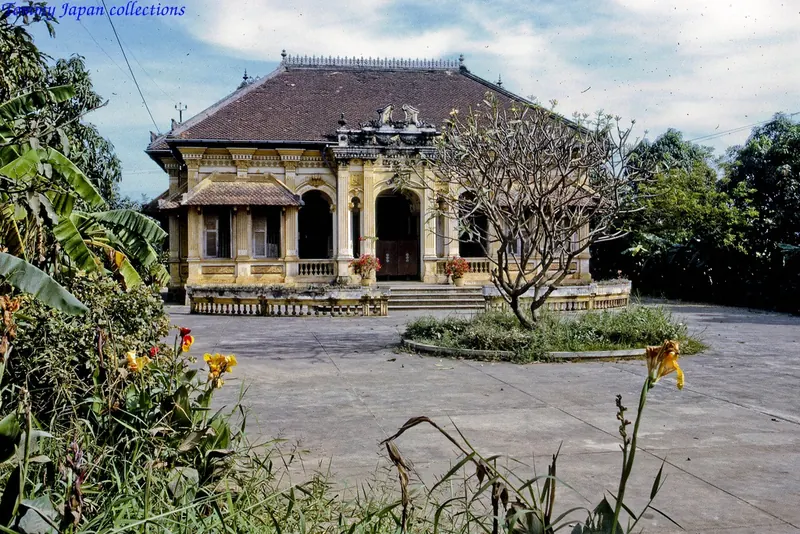 3
3Cẩm Phô
Cẩm Phô sits west of the central old streets, with old houses, the bridge approach, smaller lanes, guesthouses, and quieter food stops.
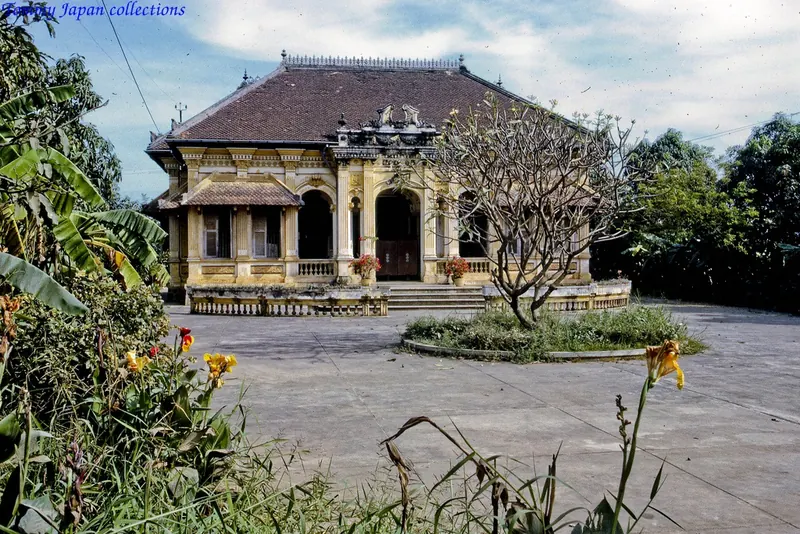 4
4Cẩm Châu
Cẩm Châu is a homestay and rice-field base between town and beach, with bike routes, gardens, cooking schools, and local restaurants.
 5
5Cẩm Nam
Cẩm Nam island feels more local, with river views, residential lanes, corn dishes, and a short bridge connection to the Ancient Town.
 6
6An Bang and Cửa Đại coast
The coastal strip has seafood, beach clubs, small hotels, fishing boats, surf, and weather-dependent swimming.
Getting around
The Ancient Town is best on foot, while bicycles, scooters, taxis, shuttles, and ride-hail handle Cẩm Châu, An Bang, Tra Que, and Cửa Đại. Most arrivals use Da Nang airport or Da Nang station rather than Tra Kieu station.
Planning the Central Vietnam route?
Add your dates and we'll pace all 2 cities — every place checked for closures, limited hours, and booking needs in August.
Don't-miss stops along the way

Hue Imperial City
The walled Nguyen-dynasty citadel and royal tombs of Hue are a scenic two-hour drive north of Da Nang over the Hai Van Pass — the historic anchor of central Vietnam.
Weather by month for the Central Vietnam trip
In August, climate averages for Da Nang and Hoi An show daytime highs from 32°C / 90°F to 34°C / 93°F, with nights down to about 25°C / 77°F in the coolest of those cities. The rainiest of those cities averages about 14 rainy days. Based on climate averages for Da Nang and Hoi An, August is one of the less comfortable months by weather.
The most comfortable months for this route are February, March and January, based on average daytime temperatures and rainfall in Da Nang and Hoi An. August 2026 is a lower-comfort month.
Common questions about the Central Vietnam trip
- When is the best time to do the Central Vietnam trip?
- The most comfortable months across Da Nang and Hoi An are February, March and January, based on average daytime temperatures and rainfall for those cities. August is one of the less comfortable months by weather — see the city climate sections below for the averages in August 2026.
- How many days do you need for the Central Vietnam trip?
- A comfortable Central Vietnam trip runs about 5–7 days, allowing roughly Da Nang 3, Hoi An 2 nights plus travel between stops. Add a day if you want a slower pace or extra day trips.
- What's the route for the Central Vietnam trip?
- The classic order is Da Nang, Hoi An & Hue. Hue Imperial City is a featured stop along the way. The detailed month sections below cover Da Nang and Hoi An.
Ready to plan the Central Vietnam trip?
Turn this route into a day-by-day plan for August 2026, every stop checked for closures and booking needs on your exact dates.