Colombia itinerary — July 2027
For the Colombia trip (Bogotá, Medellín & Cartagena), July 2027 is mixed for weather comfort. Across Bogota, Medellin and Cartagena, daytime highs run from about 19°C / 66°F to 32°C / 90°F. Plan around 9–11 days for the full Bogotá, Medellín & Cartagena loop.
In this order — about 9–11 days:
- Bogota3 nights
- Medellin3 nights
- Cartagena3 nights
- Route noteReserve the longest intercity leg first and keep transfer days free of timed sights.
By TripSapien · Updated October 29, 2026
Bogota
Bogota in July
TempTemperature
66°F / 48°F
18.8°C / 8.8°C
RainPrecipitation
17d
1.8in · 45mm
LightDaylight
12.2h
July is breezy and relatively drier, with jackets needed for evening Chapinero and Zona T outings.
City overview
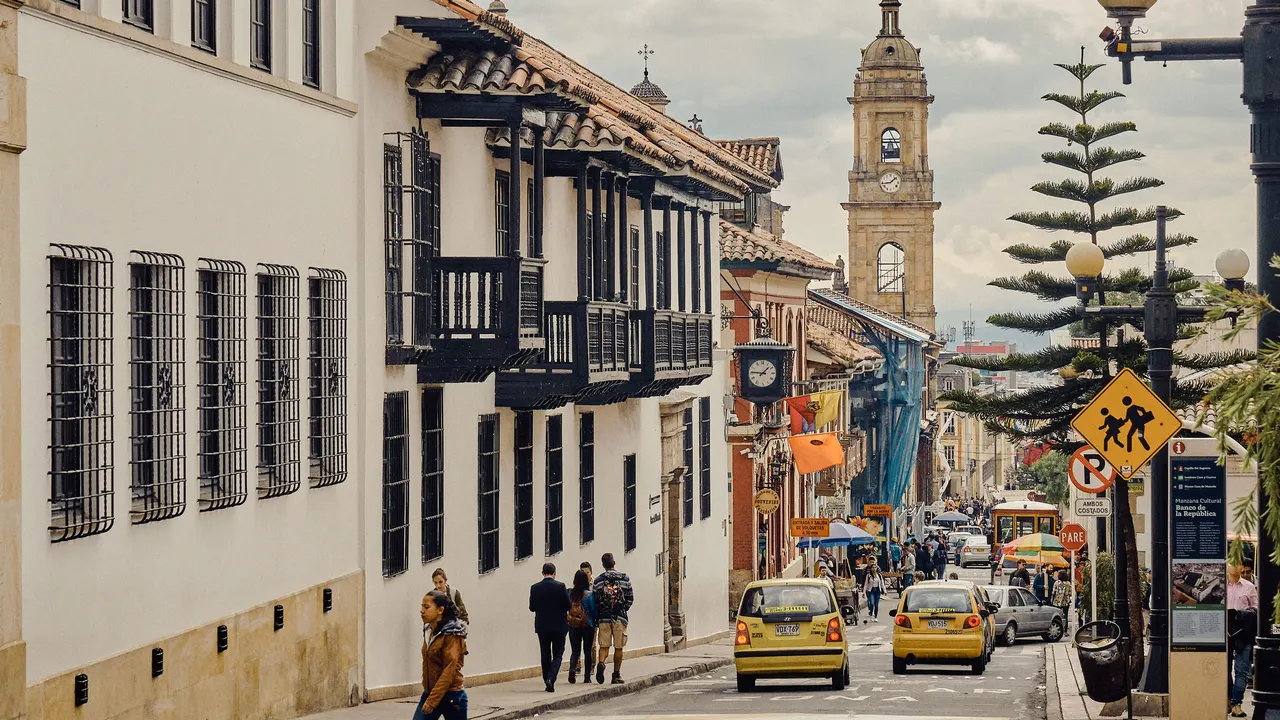
Bogotá is a 2,640m Andean capital where La Candelaria, Monserrate, TransMilenio corridors, universities, and northern dining districts stretch along the eastern mountains. The useful visitor map starts in La Candelaria, then moves north through La Macarena, Chapinero, Zona T, Parque 93, and Usaquén.
Food & drink
Bogotá food is built for cool Andean weather: ajiaco santafereño is chicken-and-potato soup with guascas herbs, corn, capers, and cream, while changua is a milk-and-egg breakfast soup. Paloquemao Market, La Perseverancia Market, La Candelaria cafes, and Usaquén restaurants add tamales, arepas, chocolate con queso, lechona, empanadas, obleas, and fruit juices from both highland and tropical regions.
Events & festivals
- Jul 20
Colombian Independence Day Military Parade
Associated occasion: Colombian Independence Day.
Planning lead · dates set closer in · Source: TripSapien festival dataset
Holidays & observances
- Jul 5Saints Peter and PaulPublic holiday
- Jul 20Independence DayPublic holiday
Top sights
Ranked for July suitability using weather, setting, ratings, and review volume.
- 1Museo del Oro
- 2Botero Museum
- 3Museo Nacional de Colombia
- 4Paloquemao Market
- 5La Candelaria
- 6Usaquén
- 7Monserrate
- 8Simón Bolívar Metropolitan Park
- 9Plaza de Bolívar
- 10Ciclovía
 1
Museo del Oro
4.8★ · 51,285indoorClosed MonThe Gold Museum holds one of the world major pre-Hispanic gold collections, including Muisca, Zenú, and Quimbaya pieces. It sits near Santander Park and is an easy walk from La Candelaria.
Wikipedia 2
Botero Museum
4.8★ · 26,042indoorClosed TueFernando Botero donated his own works and an international collection to the museum in a restored colonial house. It is part of the Banco de la Republica museum cluster near the old mint.
Wikipedia 3
Museo Nacional de Colombia
4.7★ · 33,806indoorClosed MonThe National Museum occupies a former prison building and traces Colombian history through archaeology, art, political objects, and modern memory. It stands between La Macarena and the Centro Internacional.
Show 7 more sights
4Paloquemao Market
The market is the best place to see Colombian fruit, flowers, herbs, meat, fish, and breakfast counters in one building. Go early for flowers and fruit tastings.
5La Candelaria
The historic district has colonial houses, universities, theaters, churches, murals, and museums layered into steep streets below the mountains. Walk during the day and keep valuables simple.
6Usaquén
The former village north of the center now mixes colonial streets, a Sunday flea market, restaurants, cafes, and Parque de Usaquén. It gives a slower contrast to La Candelaria.
Wikipedia7Monserrate
The church-topped mountain rises east of downtown with funicular, cable car, and walking routes to the summit. The altitude makes the view powerful but the climb demanding for new arrivals.
Wikipedia8Simón Bolívar Metropolitan Park
The huge west-side park is Bogotá main green lung, with lakes, lawns, concerts, the botanical garden nearby, and cycling routes. It is easiest by taxi or a combined TransMilenio ride.
Wikipedia9Plaza de Bolívar
The national square is framed by the Primatial Cathedral, Capitolio Nacional, Palace of Justice, and city hall. It is the civic center of La Candelaria and the natural start of a downtown walk.
Wikipedia10Ciclovía
On Sundays and holidays, Bogotá closes long road corridors for cyclists, runners, skaters, and food stalls. The event shows the city public-space culture better than a single monument.
Wikipedia
Neighborhoods
 1
La Candelaria
La Candelaria is historic, student-heavy, and steep, with Plaza de Bolívar, museums, colonial houses, churches, murals, hostels, and daytime walking routes.
 2
La Macarena and Centro Internacional
La Macarena adds galleries, restaurants, bullring streets, National Museum access, and a transition from old downtown to modern office towers.
 3
Chapinero
Chapinero is broad and mixed, with universities, LGBTQ nightlife, cafes, informal commerce, mountain-edge streets, and quick TransMilenio links.
 4
Zona Rosa, Zona T, and Parque 93
The northern dining and nightlife zone is polished and busy, with malls, bars, restaurants, hotels, and late-night taxi demand.
 5
Usaquén
Usaquén feels village-like despite the city around it, with Sunday markets, restaurants, old church streets, and leafy residential blocks.
 6
Teusaquillo and Ciudad Salitre
This central-west belt is practical and institutional, with parks, embassies, Corferias, El Dorado airport routes, and easier cross-city logistics.
Getting around
TransMilenio BRT, SITP buses, TransMiCable, and the TuLlave card cover most formal transit, while taxis and ride-hail handle late nights and mountain-edge neighborhoods. The altitude is real: plan gentler first-day walks, hydrate, and avoid sprinting up Monserrate or La Candelaria hills.
Medellin
Medellin in July
TempTemperature
83°F / 64°F
28.6°C / 17.6°C
RainPrecipitation
17d
4.7in · 120mm
LightDaylight
12.3h
July is a relative break in the rains, useful for Guatape and Arví before August event demand.
City overview
Medellín fills the Aburrá Valley with a metro spine, cable cars up steep comunas, springlike weather, and neighborhoods that changed sharply over the last generation. Most visitors split time between El Poblado for hotels and food, Laureles for a calmer local base, Centro for museums, and San Javier or Comuna 13 for guided street-art walks.
Food & drink
Medellín food is Antioquian: bandeja paisa, arepa paisa, mondongo, sancocho, chicharron, buñuelos, empanadas, mazamorra, and fresh fruit juices. Mercado del Rio, Plaza Minorista, La 70, Envigado fondas, and El Poblado dining rooms give a broad first pass.
Holidays & observances
- Jul 5Saints Peter and PaulPublic holiday
- Jul 20Independence DayPublic holiday
Top sights
Ranked for July suitability using weather, setting, ratings, and review volume.
- 1El Castillo Museum
- 2Museo Casa de la Memoria
- 3Jardín Botánico
- 4Parque Explora and Planetario
- 5Metrocable and Santo Domingo
- 6Comuna 13 escalators and murals
- 7Parque Arví
- 8Pueblito Paisa and Cerro Nutibara
- 9La 70 and Laureles nightlife
- 10Plaza Botero and Museo de Antioquia
 1
El Castillo Museum
4.7★ · 15,396indoorOpen dailyThe Gothic-style house in El Poblado was built in the 1930s and now holds decorative arts, gardens, and valley views. It is a calm contrast to nearby malls and traffic.
Wikipedia 2
Museo Casa de la Memoria
4.6★ · 6,998indoorClosed MonThe museum addresses conflict, displacement, and memory in Medellín and Colombia through testimony and installations. It gives necessary context beyond nightlife and cable-car views.
 3
Jardín Botánico
4.7★ · 44,956mixedClosed MonThe botanical garden has orchids, palms, a lake, iguanas, and the timber Orquideorama pavilion. It sits beside Universidad metro station, Parque Explora, and the planetarium.
Show 7 more sights
4Parque Explora and Planetario
Parque Explora is an interactive science museum with aquariums and hands-on exhibits, paired with the nearby planetarium. It is a practical rainy-afternoon stop near the botanical garden.
5Metrocable and Santo Domingo
The cable cars are part of the public transit system and connect steep neighborhoods to the metro. The ride toward Santo Domingo shows how the valley geography shapes daily life.
6Comuna 13 escalators and murals
Outdoor escalators, murals, music, and guided walks explain one of the city most visible urban-change stories. Go with a local guide and avoid turning residential streets into a checklist.
7Parque Arví
The forest reserve above the valley is reached by continuing the cable-car system from Santo Domingo. Trails, markets, and cooler air make it the easiest nature escape without leaving transit.
Wikipedia8Pueblito Paisa and Cerro Nutibara
The hilltop replica Antioquian village is touristy but gives a quick panorama over the valley. It stands on Cerro Nutibara between Centro and Laureles.
9La 70 and Laureles nightlife
Carrera 70 near Estadio is a lively corridor of bars, salsa, vallenato, casual food, and football-night crowds. It feels more local and less polished than Parque Lleras.
10Plaza Botero and Museo de Antioquia
Fernando Botero bronze sculptures fill the downtown plaza outside the museum, which holds Botero works, regional art, and Antioquia history. The area is central and crowded, so daytime visits are best.
Neighborhoods
 1
El Poblado and Provenza
El Poblado is hotel-heavy and international, with Provenza restaurants, Parque Lleras bars, malls, steep side streets, and late-night ride-hail demand.
 2
Laureles and Estadio
Laureles is flatter and residential, with tree-lined avenues, La 70 nightlife, cafes, the stadium, and quick metro access.
 3
Centro and La Candelaria
The center is intense and daytime-focused, with Plaza Botero, Museo de Antioquia, churches, markets, commerce, and the city old civic layer.
 4
San Javier and Comuna 13
The west-side hillside district is known for guided mural walks, outdoor escalators, viewpoints, local vendors, and the San Javier metro link.
 5
Envigado
Envigado is technically its own municipality but functions as a southern neighborhood for many visitors, with plazas, fondas, restaurants, and a more local evening pace.
 6
Aranjuez and Universidad
This north-central area links the botanical garden, Parque Explora, the planetarium, university stops, and transit routes toward Santo Domingo.
Getting around
Medellín Metro, Metroplus buses, trams, and Metrocables use the Civica card and make the city easier than its steep hills suggest. Ride-hail or taxis are practical for late El Poblado, airport transfers, and cross-valley moves that the metro does not serve directly.
Cartagena
Cartagena in July
TempTemperature
90°F / 78°F
32.2°C / 25.7°C
RainPrecipitation
10d
4.3in · 110mm
LightDaylight
12.6h
Sea
85.5°F
29.7°C
July remains hot and showery, though Caribbean school-holiday beach traffic keeps Bocagrande busy.
City overview
Cartagena is a Caribbean port where the walled colonial city, Getsemaní street art, fortress lines, and modern Bocagrande beach towers sit around a hot, humid bay. The useful traveler map is Centro and San Diego inside the walls, Getsemaní just outside the clock tower, and Bocagrande, Manga, Crespo, or La Boquilla for beaches, hotels, and airport access.
Food & drink
Cartagena food is coastal and Afro-Caribbean: arepa de huevo, posta negra cartagenera, coconut rice, fried fish, ceviche, cazuela de mariscos, mote de queso, patacones, and cocadas. Portal de los Dulces, Plaza de la Trinidad street stalls, Bazurto Market tours, and old-city seafood restaurants give the clearest range.
Holidays & observances
- Jul 5Saints Peter and PaulPublic holiday
- Jul 20Independence DayPublic holiday
Top sights
Ranked for July suitability using weather, setting, ratings, and review volume.
- 1Castillo San Felipe de Barajas
- 2Convento e Iglesia de San Pedro Claver
- 3Plaza de Bolívar and Museo del Oro Zenú
- 4Convento de la Popa
- 5Museo Naval del Caribe
- 6Palacio de la Inquisicion
- 7Walled City and Las Murallas
- 8Torre del Reloj and Plaza de los Coches
- 9Getsemaní and Plaza de la Trinidad
- 10Las Bóvedas
 1
Castillo San Felipe de Barajas
4.7★ · 68,063indoorOpen dailyThe hill fortress grew from a 17th-century Spanish defensive work into a huge tunnel-and-bastion complex guarding the land approach to Cartagena. It stands east of Getsemaní on San Lazaro hill.
Wikipedia 2
Convento e Iglesia de San Pedro Claver
4.7★ · 2,723indoorOpen dailyThe church and convent honor the Jesuit priest who worked with enslaved Africans arriving through Cartagena in the 17th century. The complex sits near Plaza de la Aduana and the Naval Museum.
 3
Plaza de Bolívar and Museo del Oro Zenú
4.6★ · 1,389indoorClosed MonThe shaded square is ringed by colonial balconies, the cathedral, museums, and street performers. The small gold museum explains Zenú metalwork and river cultures from the region.
Show 7 more sights
4Convento de la Popa
The hilltop convent above the city dates to the early 17th century and gives the widest view over Cartagena bay, Bocagrande, and the walled city. Taxis are the practical way up and down.
Wikipedia5Museo Naval del Caribe
The naval museum covers Cartagena maritime defenses, Caribbean sea routes, and modern Colombian naval history. It sits beside San Pedro Claver, making it easy to pair with the old port squares.
6Palacio de la Inquisicion
The 18th-century palace holds a museum on colonial authority, punishment, and Cartagena history. Its carved stone doorway faces Plaza de Bolívar inside the walled city.
7Walled City and Las Murallas
Cartagena walls were built and expanded from the 16th to 18th centuries to protect the Spanish Caribbean port. The ramparts link bastions, sea views, plazas, and sunset walks around Centro and San Diego.
8Torre del Reloj and Plaza de los Coches
The clock tower is the main gate into the old city, opening onto Plaza de los Coches and the Portal de los Dulces. It is the most practical meeting point between Getsemaní and the walled core.
9Getsemaní and Plaza de la Trinidad
Getsemaní was once a working neighborhood outside the walls and now mixes murals, hostels, restaurants, music, and Plaza de la Trinidad evenings. It is a short walk from the clock tower.
10Las Bóvedas
The vaulted cells built into the northeastern walls were once military storage and later prison spaces. Today they hold handicraft shops between San Diego and the sea wall.
Wikipedia
Neighborhoods
 1
Centro
Centro is the polished walled core, with the clock tower, Plaza de la Aduana, cathedral, Bolívar square, colonial balconies, boutique hotels, and heavy daytime foot traffic.
 2
San Diego
San Diego is quieter and residential inside the walls, with Las Bóvedas, Plaza de San Diego, small hotels, restaurants, and easy rampart access.
 3
Getsemaní
Getsemaní feels colorful and social, with Trinidad square, murals, hostels, bars, street food, and restored houses between the walls and Castillo San Felipe.
 4
Bocagrande and Castillogrande
Bocagrande and Castillogrande are modern beach-and-condo strips, with high-rise hotels, malls, bay views, and easier taxi logistics than the old city.
 5
Manga
Manga is a bayfront residential district with republican houses, marinas, restaurants, and bridges linking the old city to the port and bus routes.
 6
Crespo and La Boquilla
North of the center, Crespo holds the airport approach while La Boquilla adds fishing villages, beach hotels, mangrove canoe tours, and a less colonial rhythm.
Getting around
The walled city and Getsemaní are best on foot, with taxis or ride-hail useful for Bocagrande, Manga, La Popa, the airport, and late returns. Buses and Transcaribe serve longer local moves, but visitors usually save them for daylight and simple routes.
Planning the Colombia route?
Add your dates and we'll pace all 3 cities — every place checked for closures, limited hours, and booking needs in July.
Weather by month for the Colombia trip
In July, climate averages for Bogota, Medellin and Cartagena show daytime highs from 19°C / 66°F to 32°C / 90°F, with nights down to about 9°C / 48°F in the coolest of those cities. The rainiest of those cities averages about 17 rainy days. Based on climate averages for Bogota, Medellin and Cartagena, July is mixed for weather comfort.
The most comfortable months for this route are January, February and December, based on average daytime temperatures and rainfall in Bogota, Medellin and Cartagena. July 2027 is mixed for weather comfort.
Common questions about the Colombia trip
- When is the best time to do the Colombia trip?
- The most comfortable months across Bogota, Medellin and Cartagena are January, February and December, based on average daytime temperatures and rainfall for those cities. July is mixed for weather comfort — see the city climate sections below for the averages in July 2027.
- How many days do you need for the Colombia trip?
- A comfortable Colombia trip runs about 9–11 days, allowing roughly Bogota 3, Medellin 3, Cartagena 3 nights plus travel between stops. Add a day if you want a slower pace or extra day trips.
- What's the route for the Colombia trip?
- The classic order is Bogotá, Medellín & Cartagena. The detailed month sections below cover Bogota, Medellin and Cartagena.
Ready to plan the Colombia trip?
Turn this route into a day-by-day plan for July 2027, every stop checked for closures and booking needs on your exact dates.