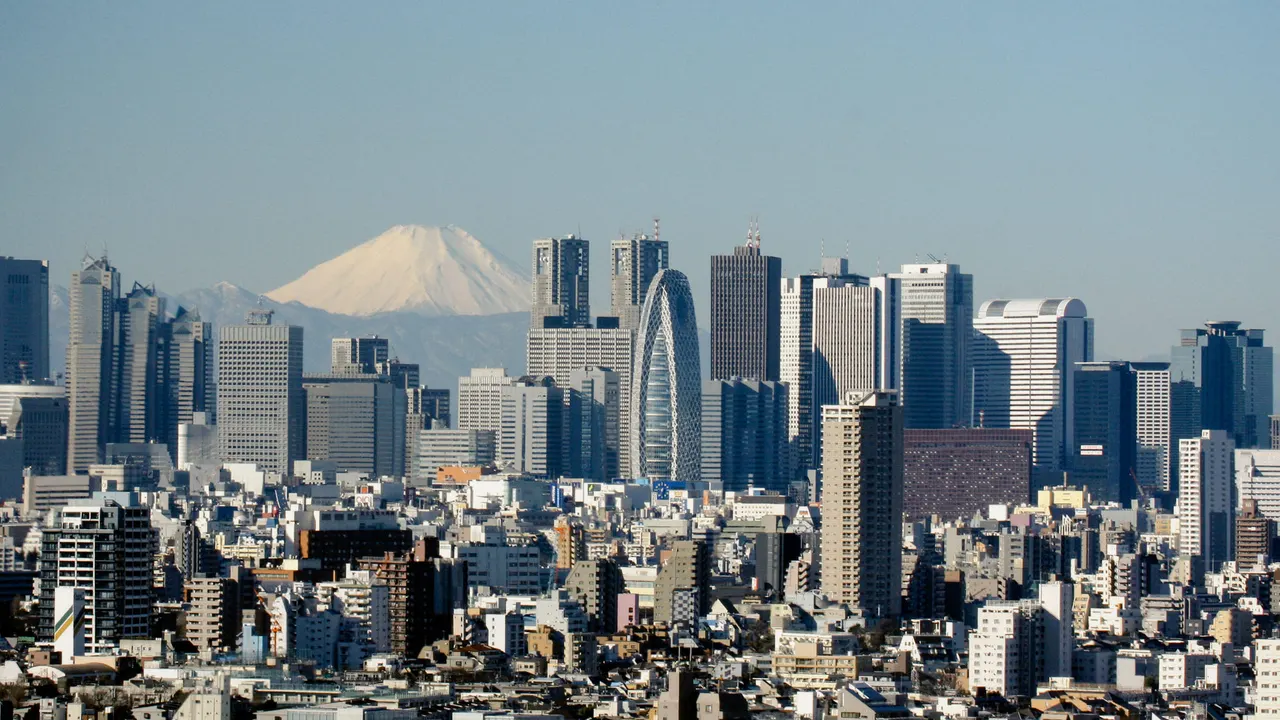
Japan Golden Route itinerary — November 2026
For the Japan Golden Route trip (Tokyo, Kyoto & Osaka), November 2026 is one of the most comfortable months by weather. Across Tokyo, Kyoto and Osaka, daytime highs run from about 17°C / 63°F to 18°C / 64°F. Plan around 9–11 days for the full Tokyo, Kyoto & Osaka loop.
In this order — about 9–11 days:
- Tokyo4 nights
- Kyoto3 nights
- Osaka2 nights
- Route noteReserve the longest intercity leg first and keep transfer days free of timed sights.
By TripSapien · Updated August 24, 2026
Tokyo
Tokyo in November
TempTemperature
61°F / 48°F
16.3°C / 9.1°C
RainPrecipitation
14d
3.5in · 88.9mm
LightDaylight
10.7h
Sea
63.5°F
17.5°C
November is one of Tokyo's best months, with dry air and autumn color in parks such as Ueno and Meiji Jingu Gaien.
City overview
Tokyo is a rail-shaped metropolis where the JR Yamanote loop frames the old shogun centre, while Shinjuku, Shibuya, Ueno, Asakusa, Ginza, and Odaiba pull visitors into separate city-centres. The Sumida River, Tokyo Bay, and the former Edo castle grounds still organize the first-timer map even when the subway makes the city feel borderless.
Food & drink
Tokyo is one of the world's densest restaurant cities, with Edo-mae sushi, tempura, unagi, soba, ramen, tonkatsu, and Tsukishima monjayaki all tied to specific districts. Tsukiji Outer Market is the breakfast anchor, Ginza and Nihonbashi handle high-end sushi counters, Shinjuku and Ebisu cover izakaya nights, and the city has held more Michelin-starred restaurants than any other city in several guide years while still rewarding cheap station-counter meals.
Events & festivals
- Nov 1 – Nov 10
Tokyo International Film Festival 2026
An annual film festival showcasing international and Japanese films, held at multiple venues across Tokyo.
Planning lead · dates set closer in · Source: festival research
- Nov 5 – Nov 15
Tokyo Ramen Show 2026
A popular food festival featuring ramen shops from all over Japan competing and serving their best bowls in Komazawa Olympic Park.
Planning lead · dates set closer in · Source: festival research
- Nov 15
Shichi-Go-San Festival Celebrations
Traditional celebration for children aged 3, 5, and 7 visiting shrines, notably Meiji Shrine and Asakusa Shrine in Tokyo.
Planning lead · dates set closer in · Source: festival research
- Nov 20 – Nov 29
Tokyo Motor Show 2026
A major international auto show featuring the latest in automotive technology and concept cars, held at Tokyo Big Sight.
Planning lead · dates set closer in · Source: festival research
- Nov 21 – Nov 23
Tokyo Art Book Fair 2026
A fair dedicated to art publications, zines, and independent publishers, held at the Museum of Contemporary Art Tokyo.
Planning lead · dates set closer in · Source: festival research
Holidays & observances
- Nov 3Culture DayPublic holiday
- Nov 23Labor Thanksgiving DayPublic holiday
Top sights
Ranked for November suitability using weather, setting, ratings, and review volume.
- 1Meiji Jingu & Harajuku
- 2Ueno Park, Tokyo National Museum & Ameyoko
- 3Senso-ji & Nakamise-dori
- 4Akihabara Electric Town
- 5Odaiba & the Yurikamome
- 6Shibuya Crossing
- 7Imperial Palace East Gardens
- 8Tokyo Skytree & Sumida River
- 9Ginza & Tsukiji Outer Market
- 10Toyosu Market
 1
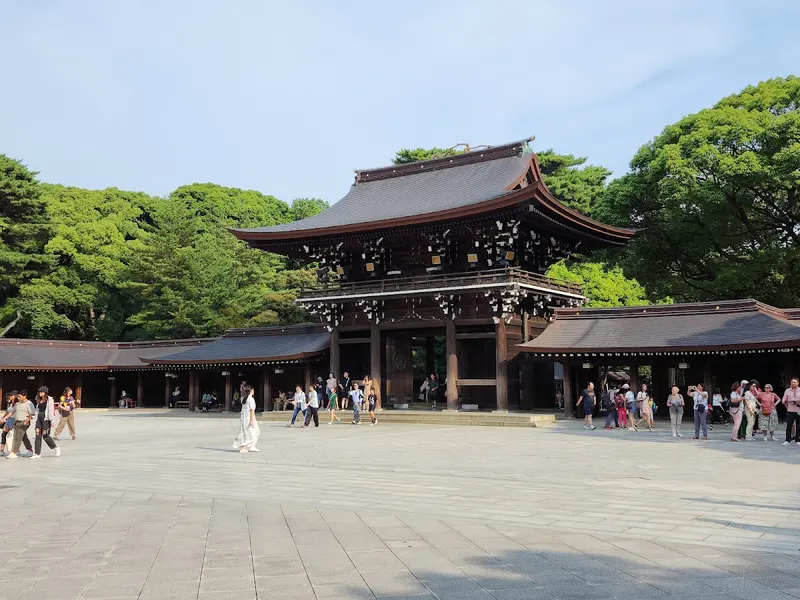
1Meiji Jingu & Harajuku
4.6★ · 50,308indoorThe shrine forest beside Harajuku Station creates a quiet break between Yoyogi Park, Takeshita-dori fashion crowds, and Omotesandō shopping. It works best early before school groups and weekend cosplay traffic build.
 2
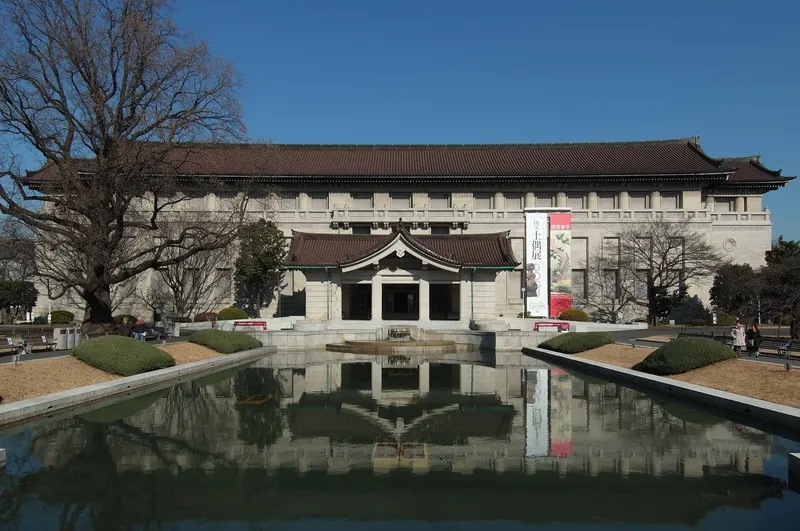
2Ueno Park, Tokyo National Museum & Ameyoko
4.5★ · 30,268indoorClosed MonUeno combines major museums, parkland, cherry blossoms, and the Ameyoko market lanes running toward Okachimachi. In sakura season, blue tarps under the trees change the park's rhythm completely.
 3
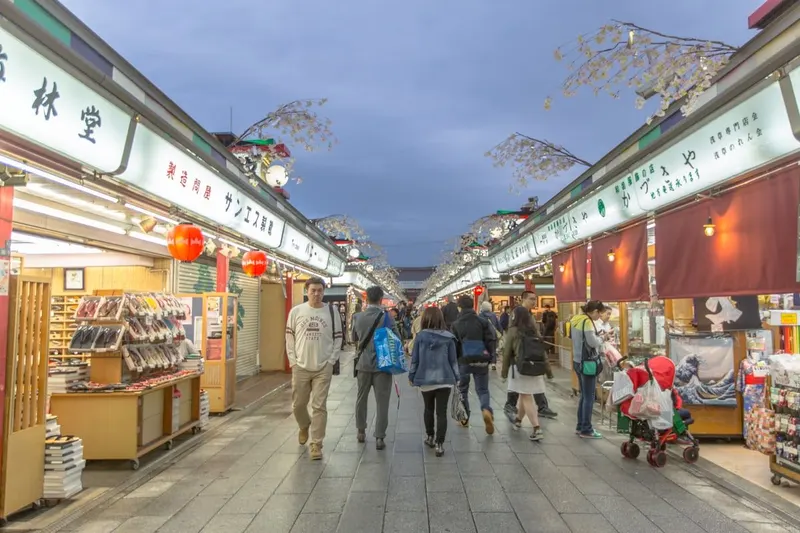
3Senso-ji & Nakamise-dori
4.3★ · 15,283mixedOpen dailyAsakusa's temple approach runs through Nakamise-dori souvenir stalls to Tokyo's most famous Buddhist temple. It is the clearest surviving entry point into the old shitamachi east side.
Show 7 more sights
- 4Akihabara Electric Town
- 5Odaiba & the Yurikamome
- 6Shibuya Crossing
- 7Imperial Palace East Gardens
- 8Tokyo Skytree & Sumida River
- 9Ginza & Tsukiji Outer Market
- 10Toyosu Market
Neighborhoods
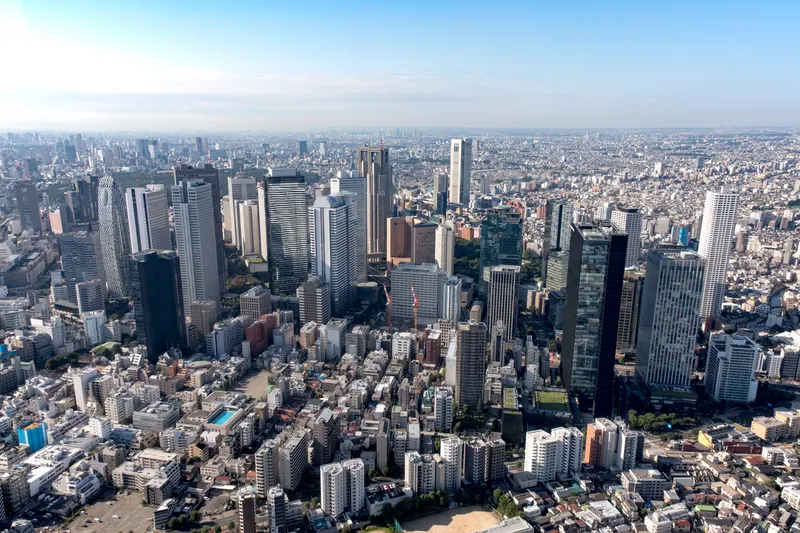 1
1Shinjuku
Shinjuku is a transport machine, nightlife district, and hotel base in one: the station, Tokyo Metropolitan Government towers, Kabukichō, Golden Gai, and department-store basements all stack together.
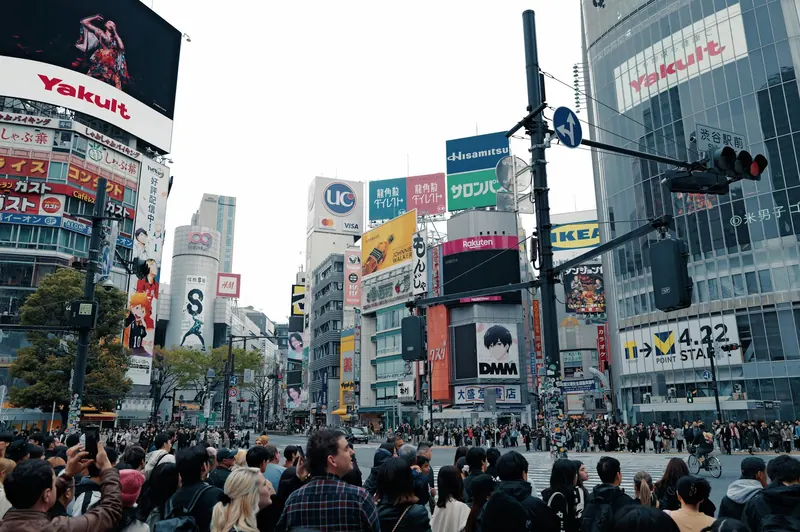 2
2Shibuya, Harajuku & Ebisu
This west-side belt is youth fashion, crossings, music shops, cafes, and shrine forest. Shibuya and Harajuku bring the crowds; Ebisu is the calmer dinner-and-bar release valve.
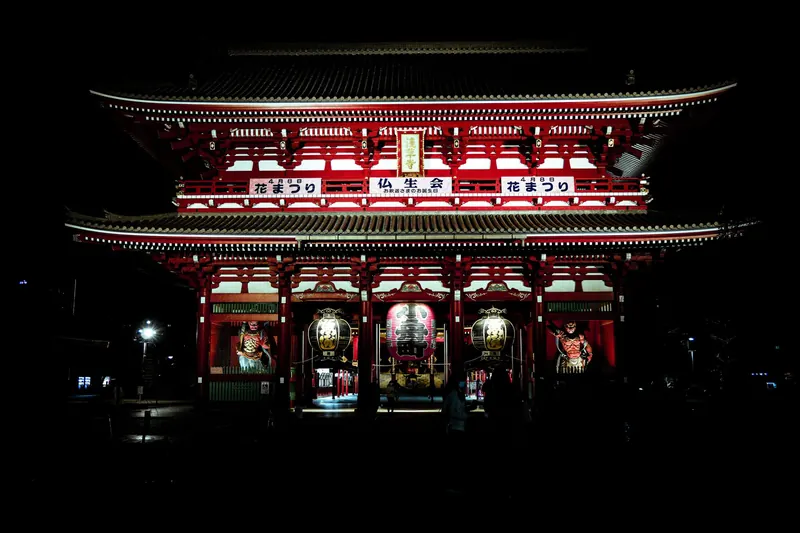 3
3Ueno, Asakusa & Taito
Taito keeps the old-town Tokyo feeling with Senso-ji, Ueno museums, Ameyoko, kitchenware streets, and Sumida River access. It is better for temples and markets than late-night skyscraper views.
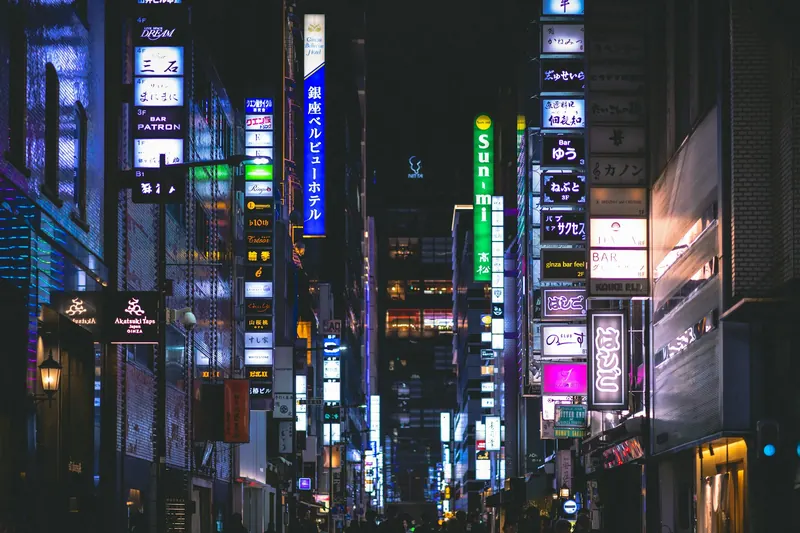 4
4Ginza, Nihonbashi & Tsukiji
Chuo is polished and expensive: Ginza stores, Kabuki-za, Nihonbashi department stores, and Tsukiji breakfasts sit on a gridded east-centre map.
 5
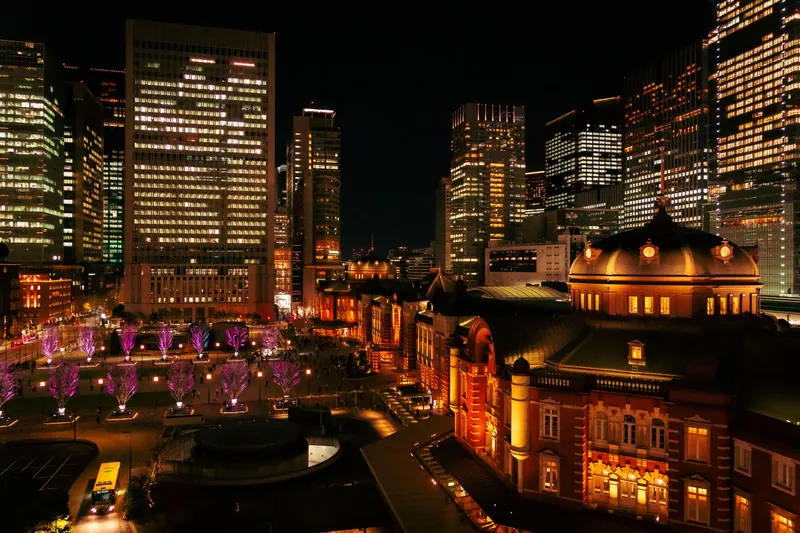
5Chiyoda, Marunouchi & Akihabara
Chiyoda mixes the Imperial Palace, Tokyo Station, Marunouchi offices, Jimbocho bookshops, and Akihabara hobby retail. It is the business core with sudden specialist pockets.
 6
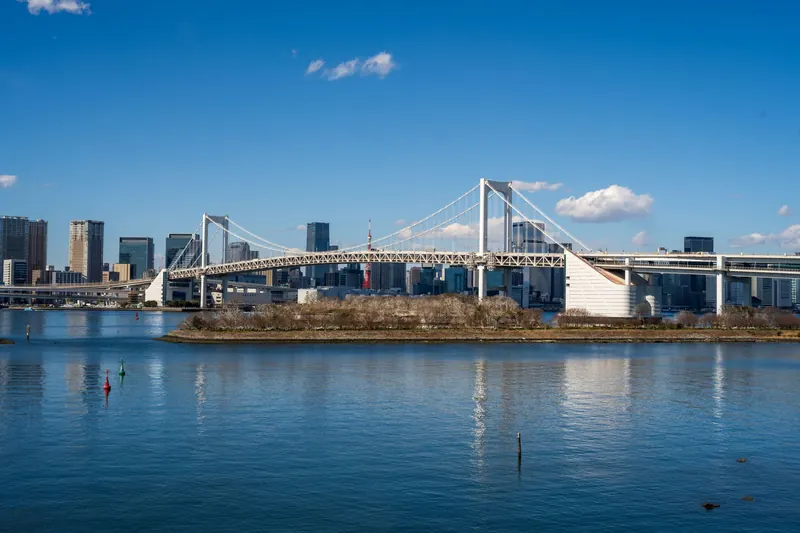
6Minato, Roppongi & Odaiba
Minato covers embassies, Roppongi museums and nightlife, Tokyo Tower, Shiodome, and bayfront Odaiba. It is spread out, so rail-line choice matters more here than in Taito.
Getting around
Tokyo runs on JR, Tokyo Metro, Toei Subway, and private railways; Suica and PASMO IC cards remove fare math across almost all of them, while the Yamanote loop is the mental map for first-timers. Haneda is the closer airport, Narita is about 70km east, and subway fares in 2026 start around 180 yen with Tokyo Metro/Toei passes useful only on heavy subway-only days.
Kyoto
Kyoto in November
TempTemperature
63°F / 47°F
17.3°C / 8.4°C
RainPrecipitation
7d
3in · 75mm
LightDaylight
10.1h
November brings autumn color, so book early and use dawn starts for Tofuku-ji, Arashiyama, and Kiyomizu-dera.
City overview
Kyoto sits in a mountain basin in Kansai, with the Kamo River, Higashiyama slopes, Arashiyama hills, and an 794 grid plan shaping temple routes across the former imperial capital. Gion and Higashiyama carry the geisha lanes and hillside temples, Arashiyama holds river-and-bamboo scenery, and Central Kyoto links Kyoto Station, Nijō Castle, Nishiki Market, and the Imperial Palace.
Food & drink
Kyoto food is seasonal and temple-adjacent: kaiseki sequences small courses around season and vessel, shojin ryori is Buddhist vegetarian temple cooking, yudofu near Nanzen-ji turns simmered tofu into the main event, and yuba brings tofu skin into soups and set meals. Nishiki Market, Pontocho, Kiyamachi, Kyoto Station ramen floors, Gion restaurants, Fushimi sake streets, and Uji stops add hamo, matcha sweets, yatsuhashi, and sake tastings.
Events & festivals
- Nov 3
Kyoto Jidai Matsuri (Festival of the Ages)
A historic parade celebrating Kyoto's rich history, featuring participants dressed in authentic costumes from various periods of Japanese history.
Planning lead · dates set closer in · Source: festival research
- Nov 6 – Nov 9
ICC Kyoto, Iwakura Oosagicho, Sakyo Ward.
Source: TripSapien festival dataset
- Nov 7 – Nov 8
Kyoto International Manga Anime Fair 2026
A major event showcasing manga and anime culture with exhibitions, guest appearances, and merchandise sales.
Planning lead · dates set closer in · Source: festival research
- Nov 14 – Nov 15
Arashiyama Momiji Festival
Celebration of autumn foliage in the scenic Arashiyama area, including traditional music performances and boat rides on the Hozu River.
Planning lead · dates set closer in · Source: festival research
- Nov 14 – Nov 30
Kiyomizu-dera Autumn Illumination
Evening illumination of Kiyomizu-dera Temple highlighting the vibrant autumn leaves.
Planning lead · dates set closer in · Source: festival research
- Nov 21
To-ji Temple Kobo-san Market
Monthly flea market held at To-ji Temple, offering antiques, crafts, food, and local goods.
Planning lead · dates set closer in · Source: festival research
Holidays & observances
- Nov 3Culture DayPublic holiday
- Nov 23Labor Thanksgiving DayPublic holiday
Top sights
Ranked for November suitability using weather, setting, ratings, and review volume.
- 1Kyoto Imperial Palace and Kyoto Gyoen
- 2Nijō Castle
- 3Nishiki Market
- 4Arashiyama Bamboo Grove and Tenryū-ji
- 5Sanjūsangen-do
- 6Kiyomizu-dera
- 7Fushimi Inari Taisha
- 8Kinkaku-ji
- 9Ginkaku-ji and the Philosopher Path
- 10Ryōan-ji
 1
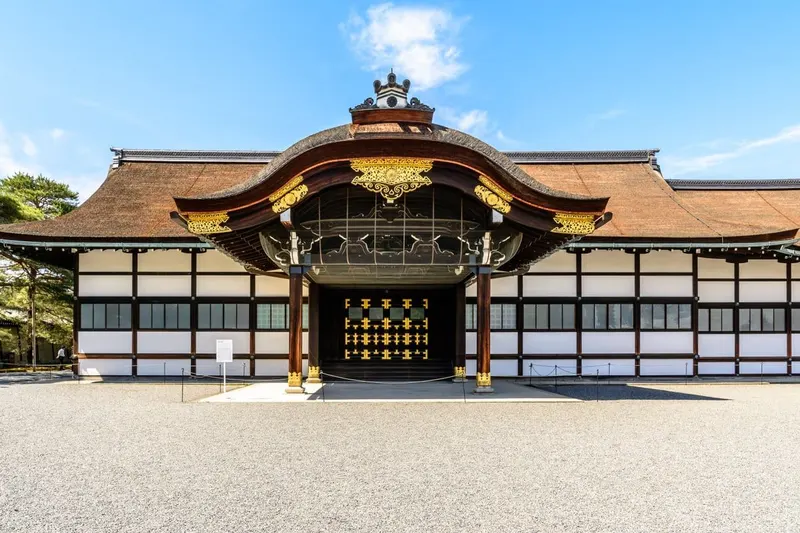
1Kyoto Imperial Palace and Kyoto Gyoen
4.5★ · 9,740outdoorOpen dailyThe Imperial Palace stands inside Kyoto Gyoen, the large central park that preserves the court-era layout before the 1868 move to Tokyo. Palace visits, broad gravel paths, and seasonal trees give the city center breathing room.
 2
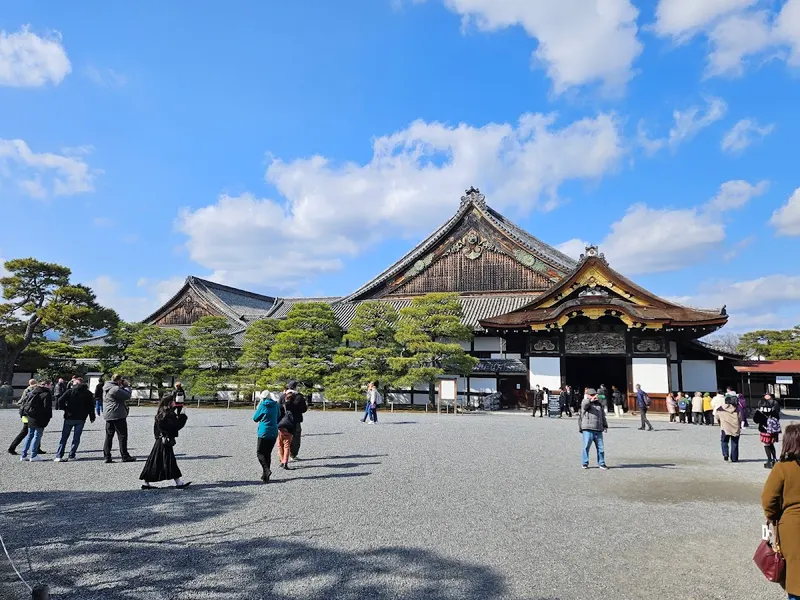
2Nijō Castle
4.4★ · 41,779outdoorOpen dailyNijō Castle was a Tokugawa shogun residence in central Kyoto and is part of the UNESCO group. Painted rooms, defensive gates, gardens, and nightingale floors explain power in Kyoto after the imperial court era.
Wikipedia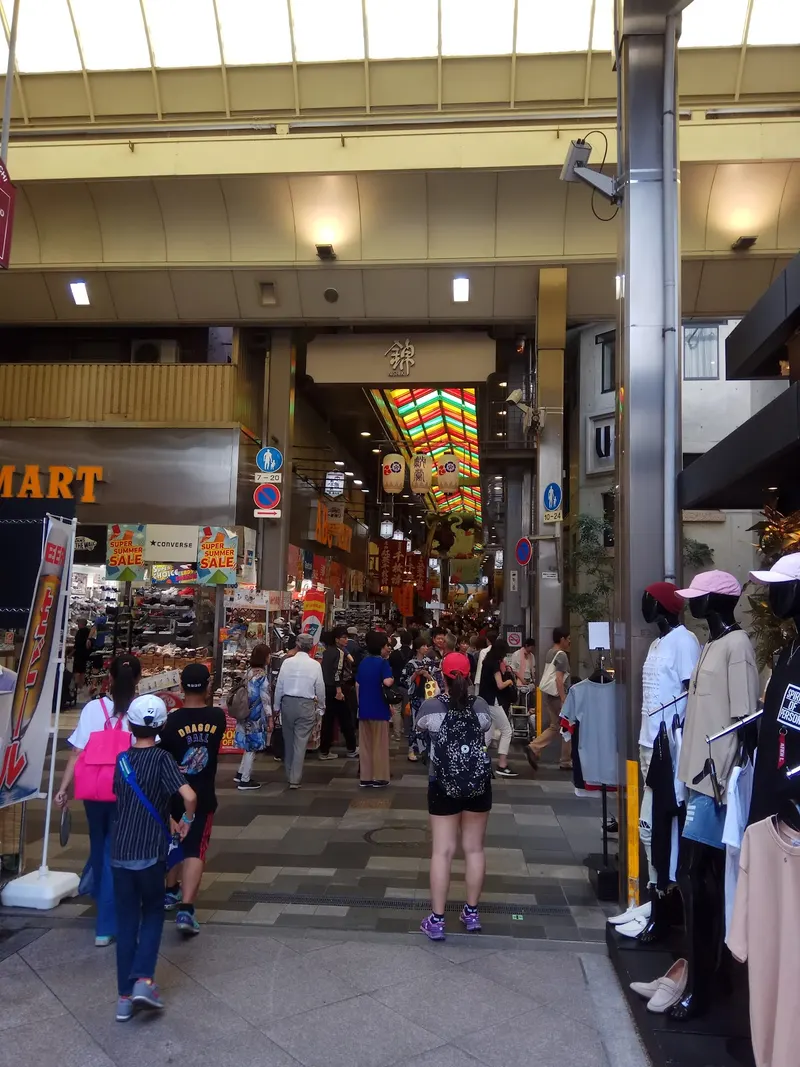 3
3Nishiki Market
4.3★ · 51,748outdoorNishiki Market runs through downtown Kyoto with pickle shops, seafood counters, tea sweets, yuba, knives, and snack stalls. It connects naturally with Teramachi, Shinkyogoku, and Kawaramachi shopping streets.
Wikipedia
Show 7 more sights
- 4Arashiyama Bamboo Grove and Tenryū-ji
- 5Sanjūsangen-do
- 6Kiyomizu-dera
- 7Fushimi Inari Taisha
- 8Kinkaku-ji
- 9Ginkaku-ji and the Philosopher Path
- 10Ryōan-ji
Neighborhoods
 1
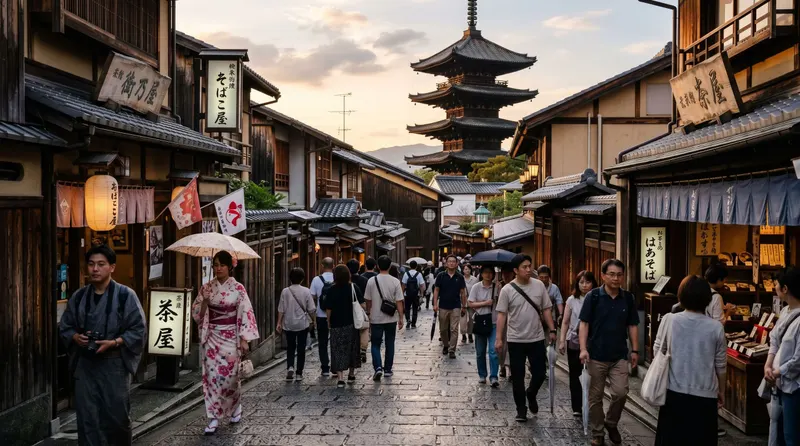
1Gion and Higashiyama
Gion and Higashiyama are Kyoto lanes and slopes, with Hanami-koji, Yasaka Shrine, Kiyomizu-dera, Sannenzaka, Ninenzaka, teahouses, and heavy evening foot traffic.
 2
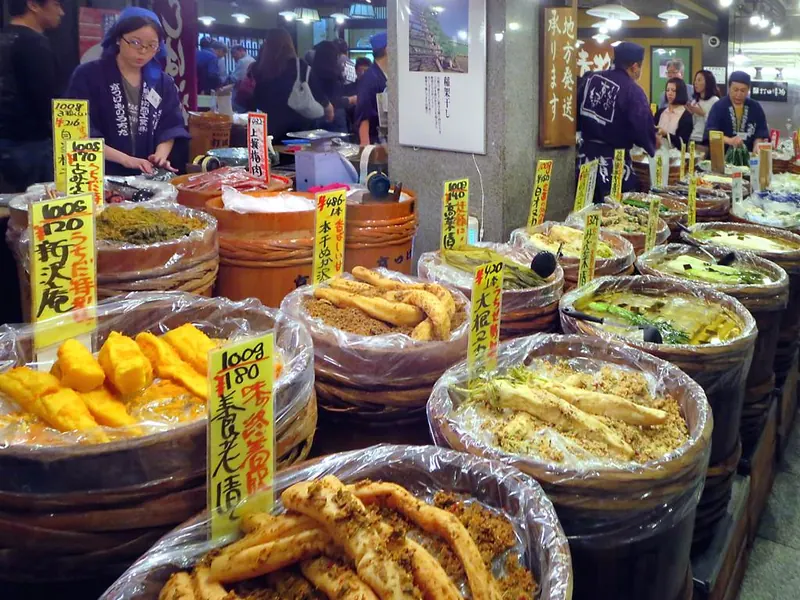
2Downtown Kyoto and Nishiki
Downtown centers on Shijo-Kawaramachi, Nishiki Market, Teramachi, Shinkyogoku, Pontocho, Kiyamachi, and the Kamo River dining terraces.
 3
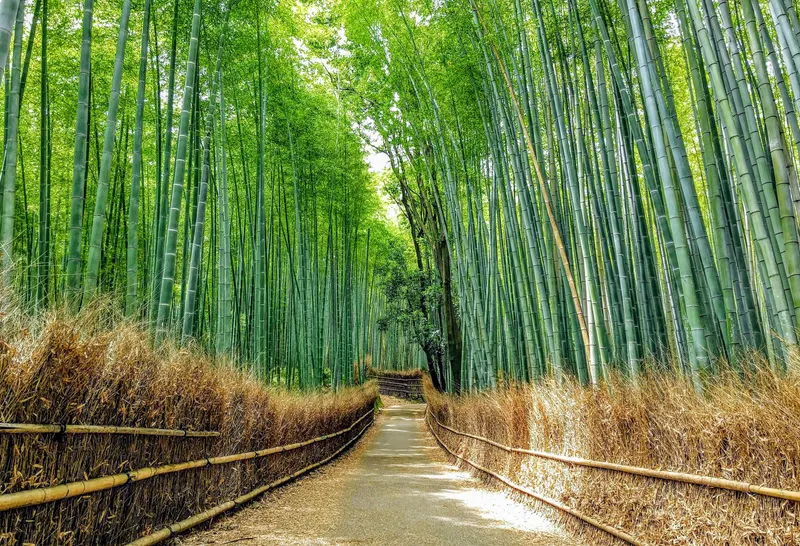
3Arashiyama and Sagano
Arashiyama and Sagano feel greener and slower, with bamboo groves, Tenryu-ji, Togetsukyo Bridge, riverboats, monkey park climbs, and temple lanes.
 4
4Northern Kyoto
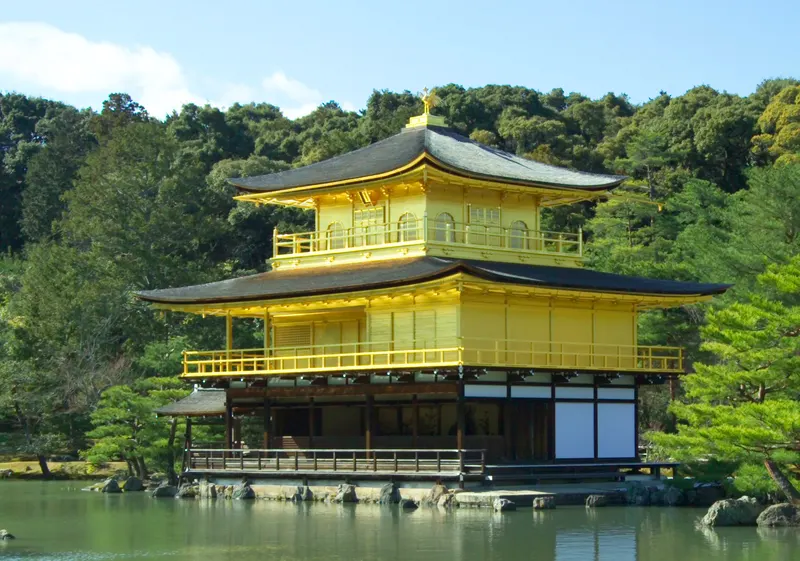
Northern Kyoto collects Kinkaku-ji, Ryōan-ji, Ninna-ji, Kamigamo Shrine, Shimogamo Shrine, university edges, and quieter residential streets.
 5
5Central Kyoto and Kyoto Station
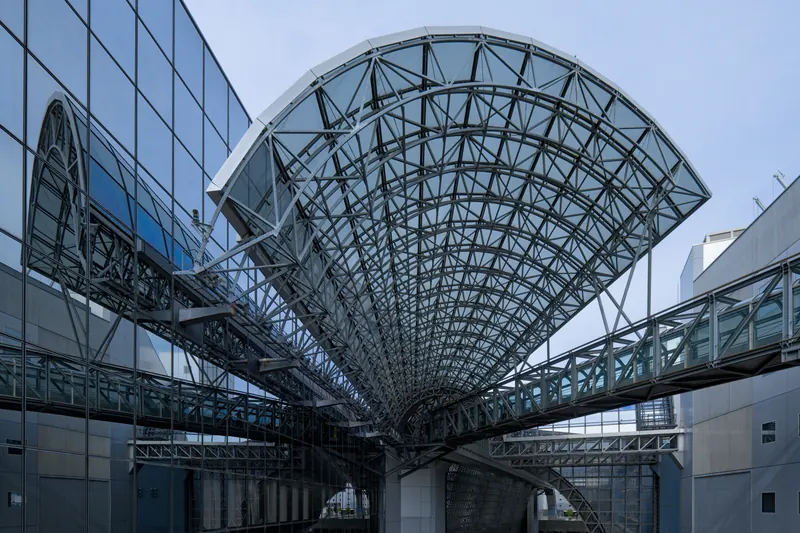
Central Kyoto includes Kyoto Station, Nijō Castle, Kyoto Gyoen, the Imperial Palace, Nishi Hongan-ji, business hotels, and bus hubs.
 6
6Fushimi and Southern Kyoto
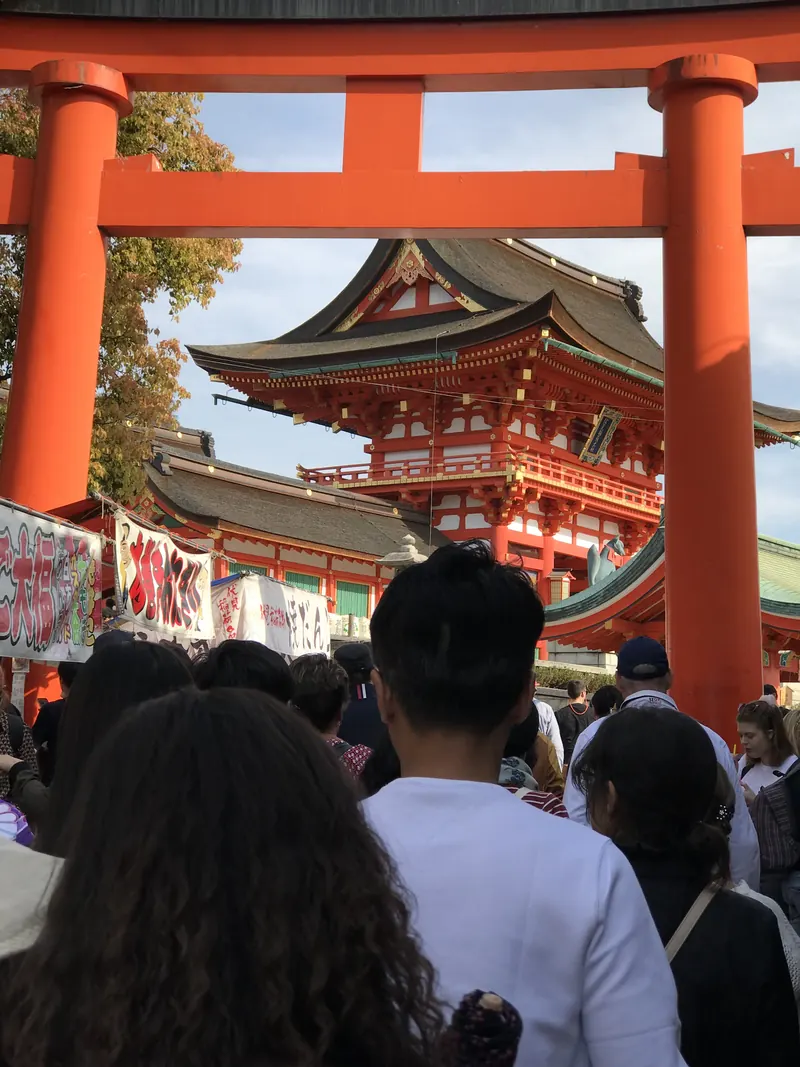
Fushimi and southern Kyoto add Fushimi Inari, sake breweries, Tofuku-ji, Daigo-ji, and rail links toward Uji and Nara.
Getting around
Use ICOCA on JR, Keihan, Hankyu, Kyoto Subway, city buses, Randen, and most regional rail; Kyoto Station, Shijo-Kawaramachi, Sanjō Keihan, and Kitaoji are the useful transfer points. Buses reach Kinkaku-ji and many northwestern temples, Keihan is best for Gion-Fushimi Inari, Hankyu helps Arashiyama, and bicycles work well in the central grid outside peak crowds.
Osaka
Osaka in November
TempTemperature
64°F / 50°F
17.8°C / 9.9°C
RainPrecipitation
11d
3.2in · 80.2mm
LightDaylight
10.8h
Sea
63.1°F
17.3°C
November is crisp and one of the best months for Nara, Kyoto, Osaka Castle Park, and long walking days.
City overview
Osaka is Kansai's food-and-rail hub, historically called Naniwa and shaped by rivers, canals, merchant districts, and the north-south pull between Umeda and Namba. Kita, Minami, Tennoji, Shinsekai, Osaka Castle, and the Bay Area each have a distinct use: trains and towers, neon food streets, old temples, working-class kushikatsu, castle park, and theme-park waterfront.
Food & drink
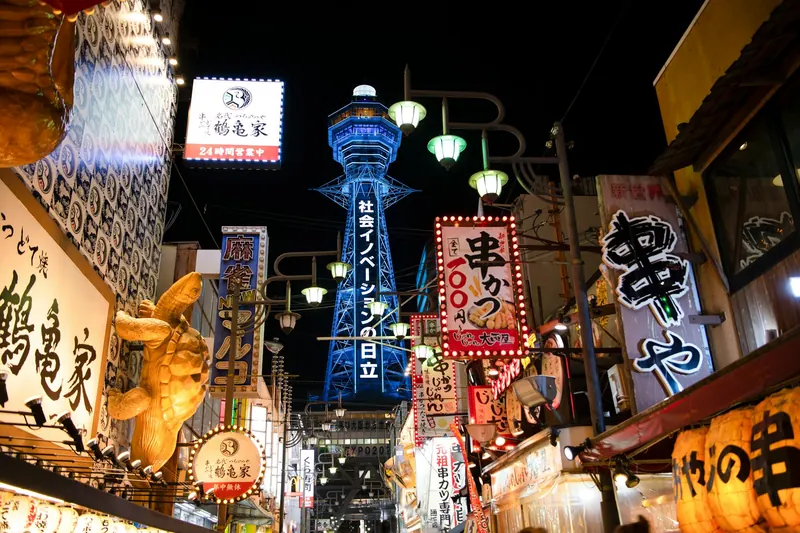
Osaka is Japan's kuidaore city, where takoyaki, okonomiyaki, kushikatsu, udon, pressed sushi, and negiyaki are core itinerary items rather than snacks between sights. Dōtonbori and Kuromon Ichiba are the easy first stop, Shinsekai is the kushikatsu base around Daruma, and the city is usually cheaper and louder than Tokyo or Kyoto for counter meals.
Holidays & observances
- Nov 3Culture DayPublic holiday
- Nov 23Labor Thanksgiving DayPublic holiday
Top sights
Ranked for November suitability using weather, setting, ratings, and review volume.
- 1Abeno Harukas 300
- 2Universal Studios Japan
- 3Osaka Castle & Osaka Castle Park
- 4Kuromon Ichiba Market
- 5Osaka Aquarium Kaiyukan
- 6Sumiyoshi Taisha
- 7Tsūtenkaku & Shinsekai
- 8National Bunraku Theater
- 9Dōtonbori
- 10Shitennoji
 1
1Abeno Harukas 300
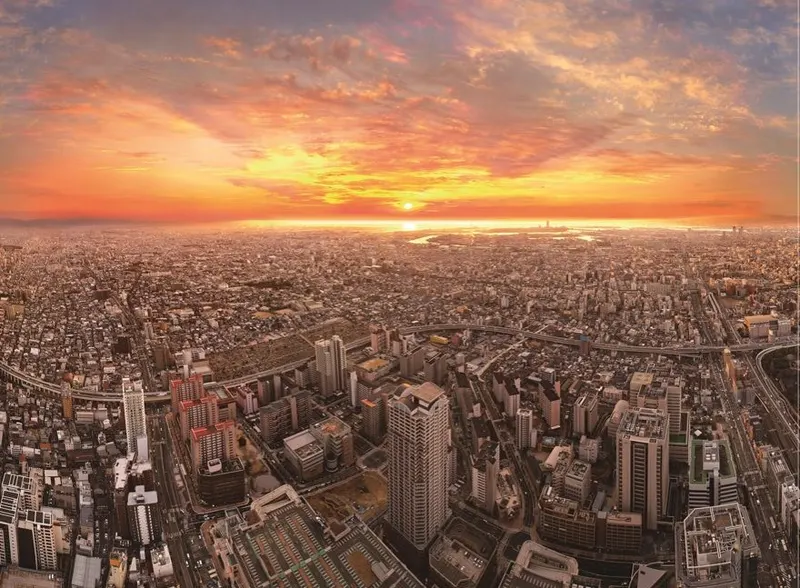
4.6★ · 22,364outdoorOpen dailyAbeno Harukas rises over Tennoji and Osaka-Abenobashi stations, with the Harukas 300 observatory on the 60th floor at 300m. Free city views are also possible from public windows around the 16th to 30th floors.
 2
2Universal Studios Japan
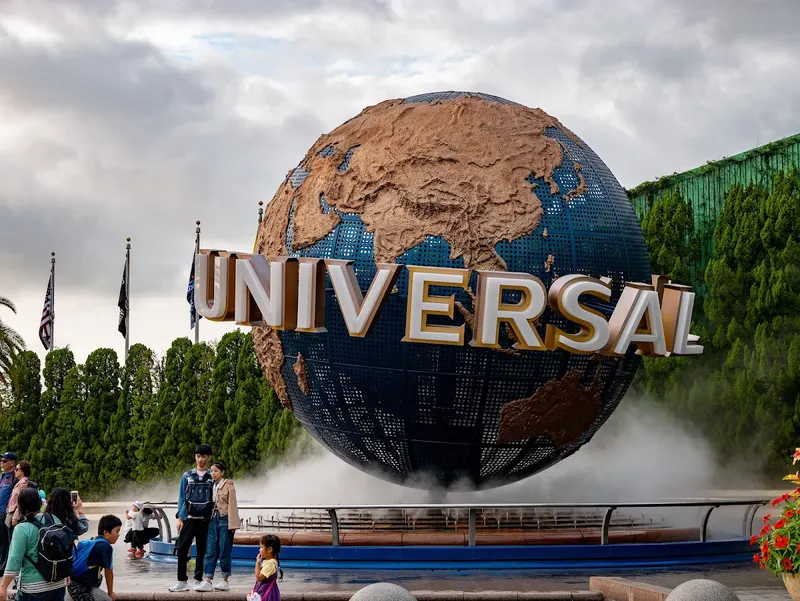
4.5★ · 152,238outdoorUniversal Studios Japan anchors the Bay Area and is Japan's second-largest theme park. It is connected to central Osaka by rail spurs from the Osaka Loop Line and can consume a full day.
WikipediaBuy dated park tickets and timed-entry options ahead for peak school holidays and major ride areas.
 3
3Osaka Castle & Osaka Castle Park
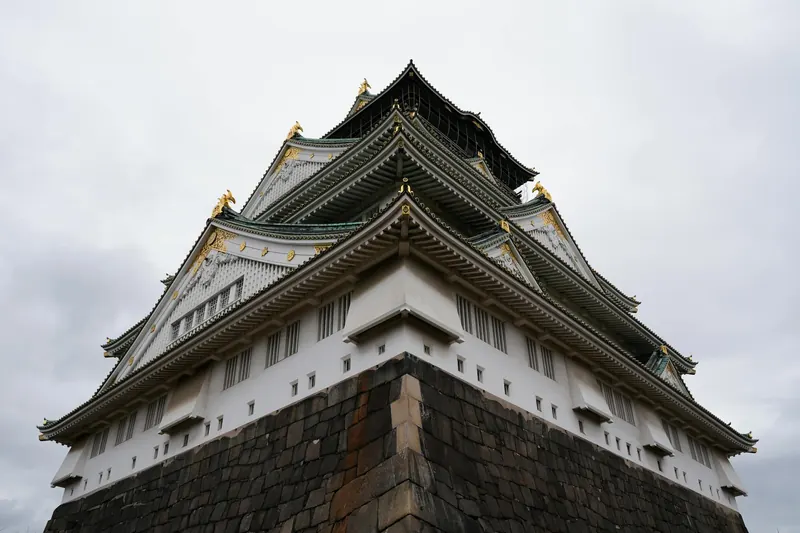
4.4★ · 50,489outdoorOpen dailyOsaka Castle is one of Japan's most visited sights, although the current keep is a reconstruction with a modern museum interior. The surrounding park, moats, and nearby Osaka Museum of History give the better read on why the castle matters.
Show 7 more sights
- 4Kuromon Ichiba Market
- 5Osaka Aquarium Kaiyukan
- 6Sumiyoshi Taisha
- 7Tsūtenkaku & Shinsekai
- 8National Bunraku Theater
- 9Dōtonbori
- 10Shitennoji
Neighborhoods
 1
1Kita, Umeda & Osaka Station
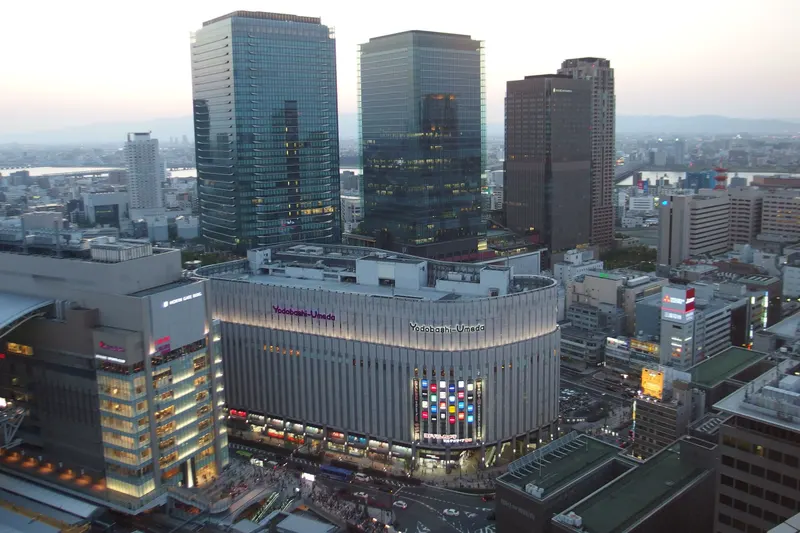
Kita is the northern rail-and-office centre, with JR Osaka, Umeda stations, department stores, underground malls, and the Umeda Sky Building. It is practical for hotels and regional day trips.
 2
2Minami, Namba & Shinsaibashi
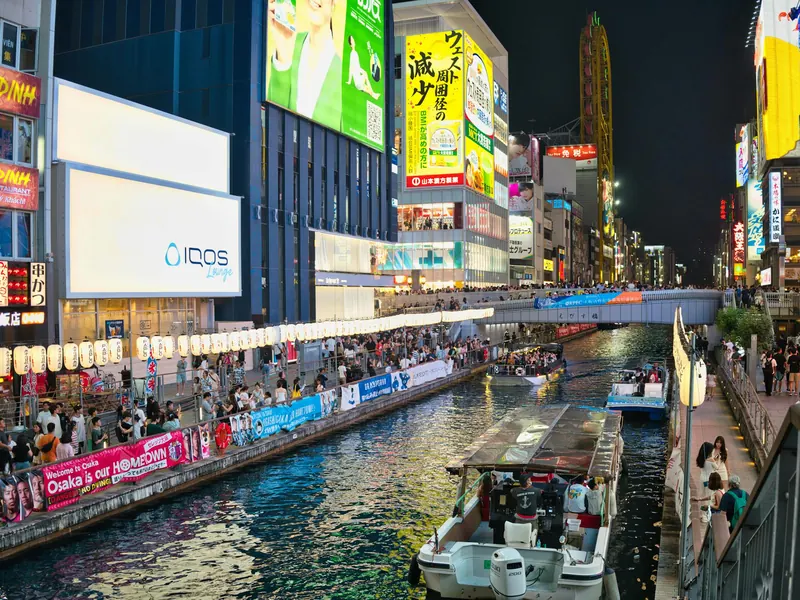
Minami is the neon food-and-shopping core, with Namba, Shinsaibashi, Dōtonbori, Horie, Amerikamura, and dense late-night streets. First-time visitors spend more time here than anywhere else.
 3
3Tennoji & Abeno
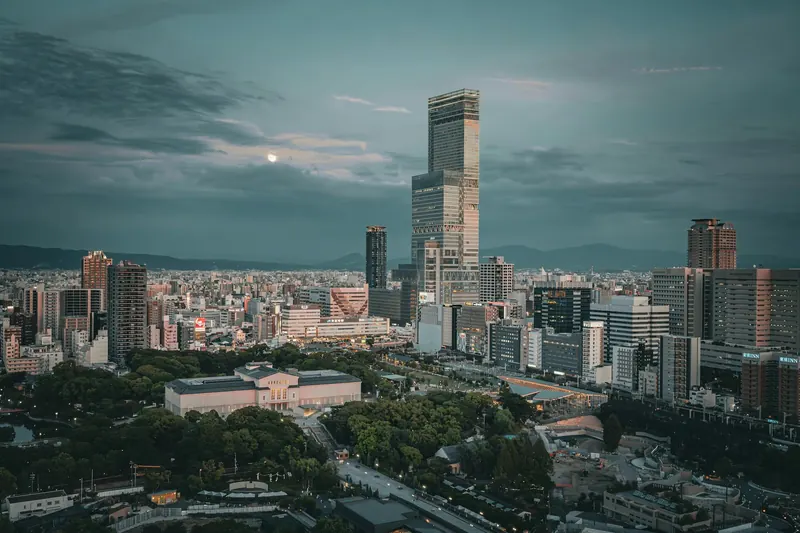
Tennoji is a major rail hub with Shitennoji, Tennōji Park, the zoo, Abeno Harukas, and links to Nara. It feels older and more local than Umeda.
 4
4Shinsekai
Shinsekai sits west of Tennoji around Tsutenkaku, Jan-Jan Yokocho, kushikatsu counters, arcade games, and old amusement-district texture. Stay alert but do not skip it for food.
 5
5Osaka Castle & Kyobashi
The castle side combines broad parkland, Osaka Business Park, history museums, and Kyobashi nightlife. It is better for daytime space than for a first restaurant base.
 6
6Bay Area
The Bay Area is purpose-built leisure: Universal Studios Japan, Kaiyukan, Tenpozan Ferris Wheel, malls, and ferries. It is a full-day zone rather than a casual after-dinner walk.
Getting around
Osaka moves on Osaka Metro, JR, Hankyu, Hanshin, Kintetsu, Keihan, and Nankai lines; ICOCA IC cards remove fare math across almost all of them, while the Midosuji subway line links Shin-Osaka, Umeda, Shinsaibashi, Namba, and Tennoji in one spine. Kansai Airport connects by Nankai to Namba or JR to Tennoji and Osaka, and the JR Osaka Loop Line helps with castle, Tennoji, and Universal Studios spurs.
Planning the Japan Golden Route route?
Add your dates and we'll pace all 3 cities — every place checked for closures, limited hours, and booking needs in November.
Weather by month for the Japan Golden Route trip
In November, climate averages for Tokyo, Kyoto and Osaka show daytime highs from 17°C / 63°F to 18°C / 64°F, with nights down to about 8°C / 46°F in the coolest of those cities. The rainiest of those cities averages about 8 rainy days. Based on climate averages for Tokyo, Kyoto and Osaka, November is one of the most comfortable months by weather.
The most comfortable months for this route are November, October and April, based on average daytime temperatures and rainfall in Tokyo, Kyoto and Osaka. November 2026 is among the highest-comfort months.
Common questions about the Japan Golden Route trip
- When is the best time to do the Japan Golden Route trip?
- The most comfortable months across Tokyo, Kyoto and Osaka are November, October and April, based on average daytime temperatures and rainfall for those cities. November is one of the most comfortable months by weather — see the city climate sections below for the averages in November 2026.
- How many days do you need for the Japan Golden Route trip?
- A comfortable Japan Golden Route trip runs about 9–11 days, allowing roughly Tokyo 4, Kyoto 3, Osaka 2 nights plus travel between stops. Add a day if you want a slower pace or extra day trips.
- What's the route for the Japan Golden Route trip?
- The classic order is Tokyo, Kyoto & Osaka. The detailed month sections below cover Tokyo, Kyoto and Osaka.
Ready to plan the Japan Golden Route trip?
Turn this route into a day-by-day plan for November 2026, every stop checked for closures and booking needs on your exact dates.