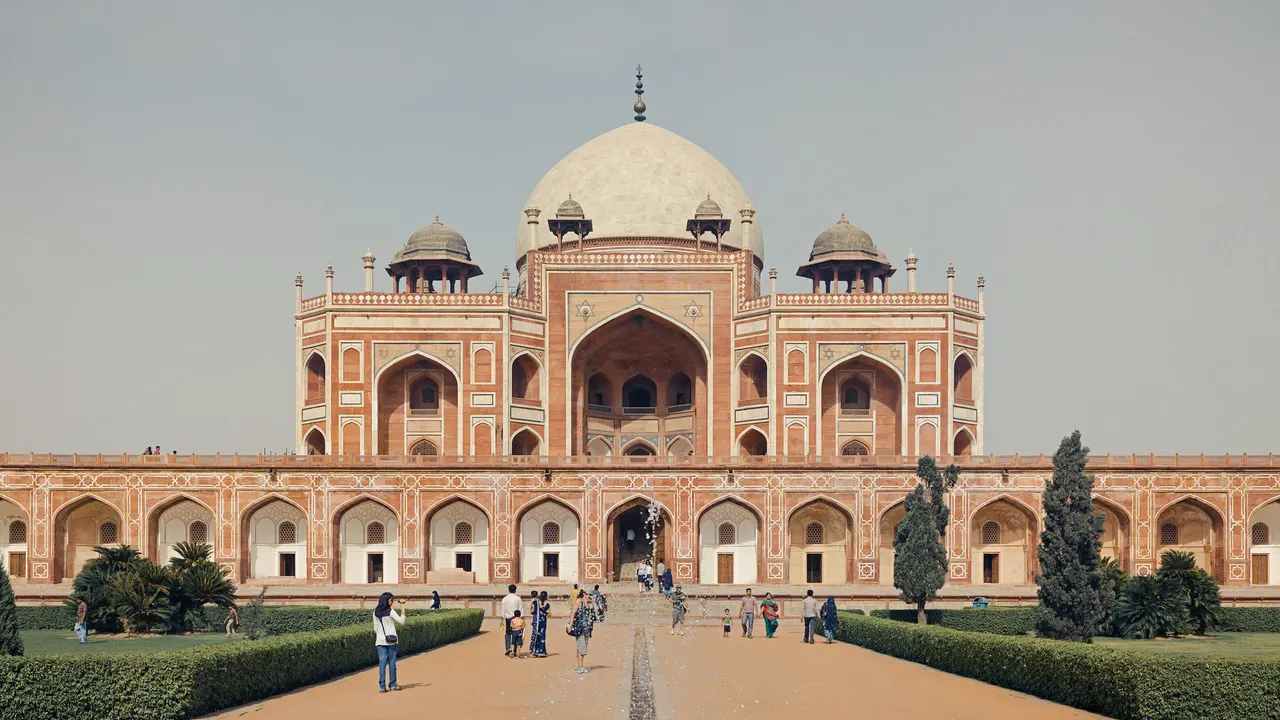
Sacred India itinerary — August 2026
For the Sacred India trip (Delhi & Varanasi), August 2026 is mixed for weather comfort. Daytime highs run from about 34°C / 93°F to 35°C / 95°F across the stops. Plan around 6–8 days for the full Delhi & Varanasi loop.
In this order — about 6–8 days:
- Delhi3 nights
- Varanasi3 nights
- Route noteReserve the longest intercity leg first and keep transfer days free of timed sights.
By TripSapien Research · Updated May 20, 2026
Delhi
Delhi in August
TempTemperature
92°F / 81°F
33.1°C / 27°C
RainPrecipitation
26d
6.8in · 173.3mm
LightDaylight
13.5h
August is the wettest month; flooded streets can slow Chandni Chowk, Nizamuddin, and Akshardham transfers.
City overview
Delhi is a Yamuna River metropolis where Old Delhi's Shahjahanabad lanes, British-planned New Delhi, and South Delhi's older sultanate sites sit in one National Capital Territory. The Red Fort, Connaught Place, Mehrauli, Nizamuddin, and Akshardham form a city map built by at least eight historic settlements.
Food & drink
Delhi is a street-food and north-Indian restaurant city: parathas in Paranthe Wali Gali, chaat around Bengali Market and Chawri Bazaar, kebabs near Jama Masjid, chole bhature in Karol Bagh, and butter chicken or dal makhani across New Delhi menus. Prices can stay low if you eat in markets rather than hotel restaurants, although Connaught Place and Khan Market push costs toward Mumbai levels. The regional fact is that Punjabi, Mughlai, Bengali CR Park, and Old Delhi Muslim cooking all operate as distinct food maps inside the same Metro system.
Holidays & observances
- Aug 15Independence DayPublic holiday
- Aug 26Prophet Mohammad's BirthdayPublic holiday
Top sights
Ranked for August suitability using weather, setting, ratings, and review volume.
- 1Akshardham Temple
- 2Jama Masjid
- 3Lotus Temple
- 4Purana Qila
- 5India Gate and Kartavya Path
- 6Connaught Place and Rajiv Chowk
- 7Red Fort
- 8Qutb Minar
- 9Hauz Khas Complex
 1
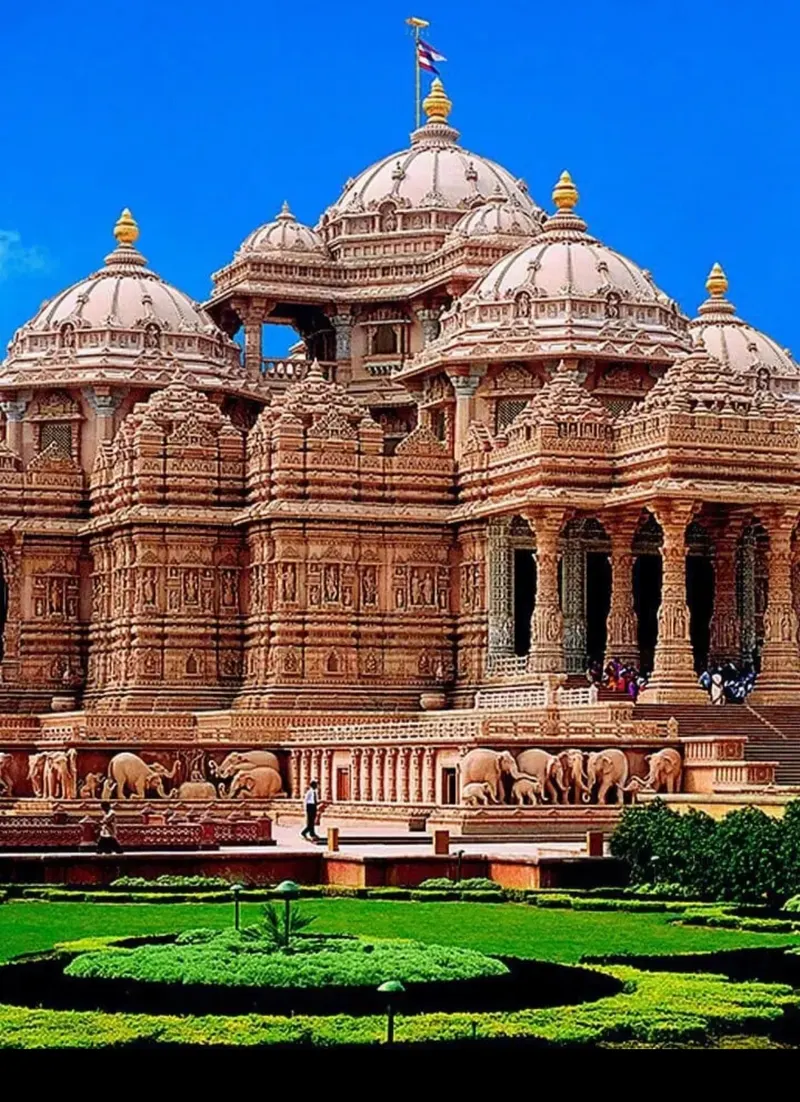
1Akshardham Temple
4.6★ · 55,195indoorClosed MonLarge Hindu temple complex east of the Yamuna, served by the Blue Line side of the Delhi Metro. It is East Delhi’s headline visitor site.
WikipediaPhones, cameras, and larger bags are restricted, so check the entry rules before taking the Metro there.
 2
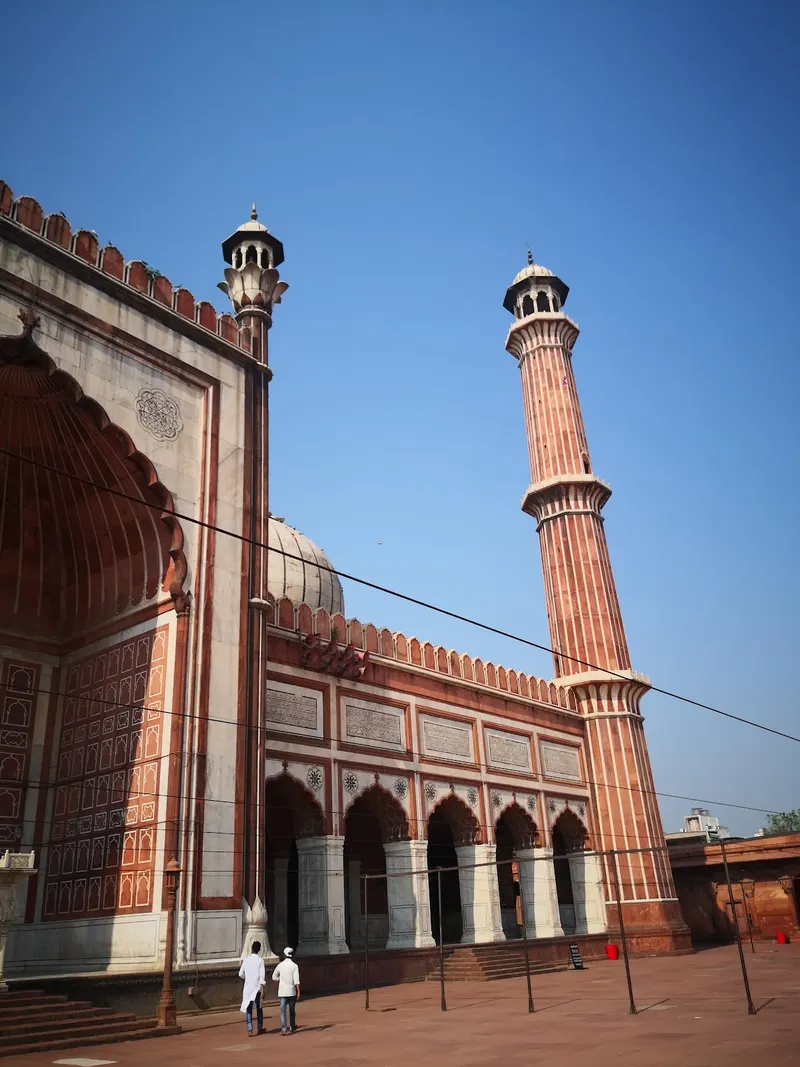
2Jama Masjid
4.5★ · 68,831indoorLarge 17th-century mosque in Old Delhi, a short walk from Red Fort through Chandni Chowk. The approach through Chawri Bazaar and cycle-rickshaw traffic is part of the experience.
Wikipedia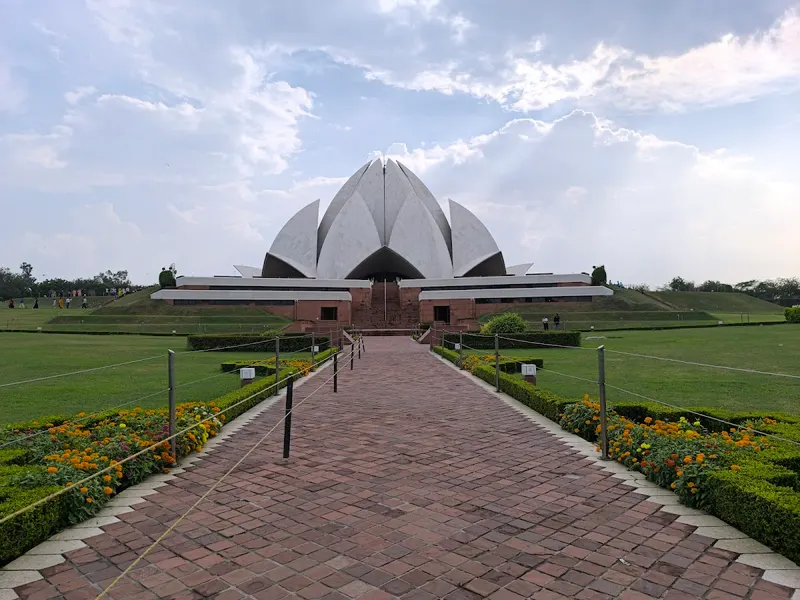 3
3Lotus Temple
4.5★ · 73,780indoorClosed MonBahai house of worship in South East Delhi with a flower-shaped structure. The temple sits near the Kalkaji and Okhla side of the city rather than the Old Delhi core.
Show 7 more sights
- 4Purana Qila
- 5India Gate and Kartavya Path
- 6Connaught Place and Rajiv Chowk
- 7Red Fort
- 8Qutb Minar
- 9Hauz Khas Complex
- 10Humayun's Tomb
Neighborhoods
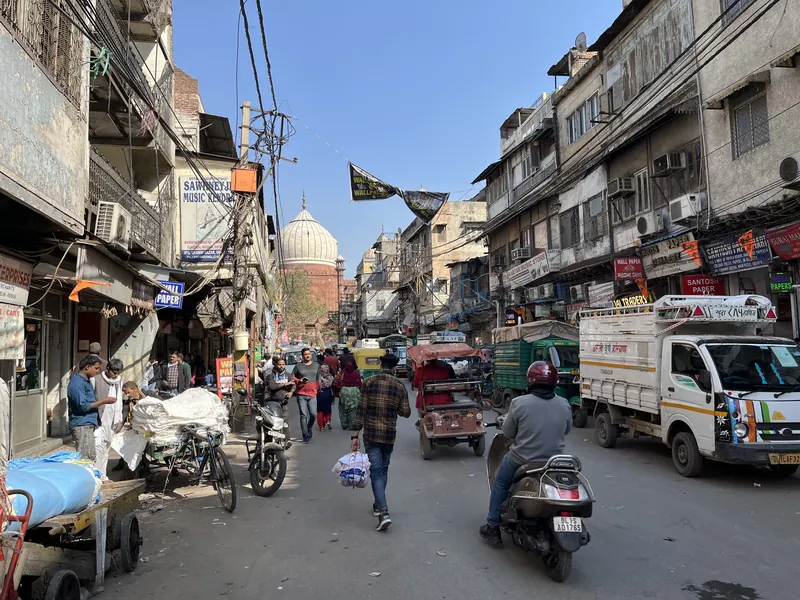 1
1Old Delhi and Chandni Chowk
Shahjahanabad core with Red Fort, Jama Masjid, Chandni Chowk, Chawri Bazaar, and Daryaganj. It is dense, loud, food-heavy, and best handled by Metro plus short cycle-rickshaw hops.
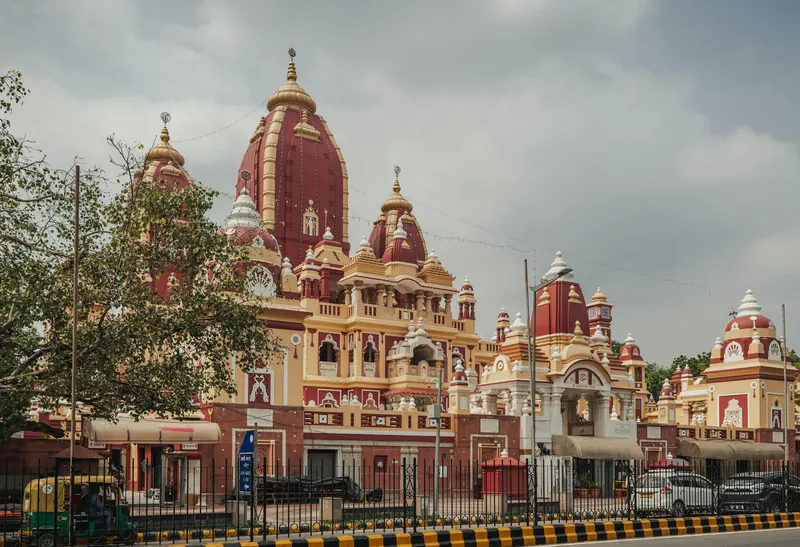 2
2New Delhi and Connaught Place
Lutyens Delhi around Connaught Place, Janpath, Kartavya Path, India Gate, and Rashtrapati Bhavan. Wide avenues and colonial blocks replace Old Delhi lanes.
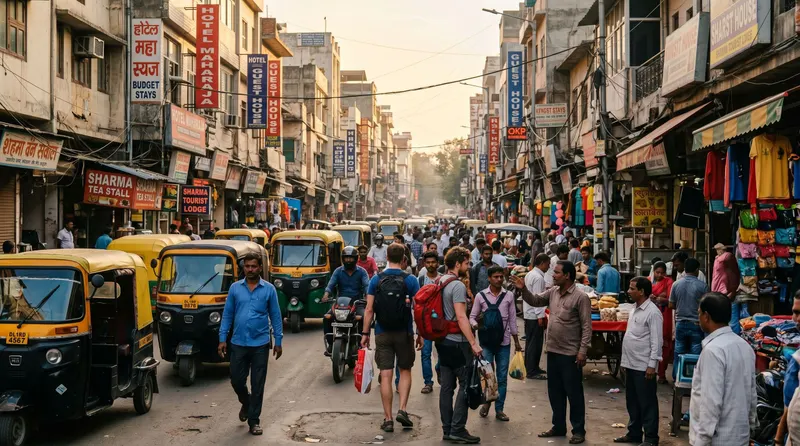 3
3Paharganj and Karol Bagh
Central Delhi hotel-and-market belt near New Delhi station, RK Ashram Marg, and Karol Bagh. It is convenient for trains and budget stays, with heavy street traffic and constant touting.
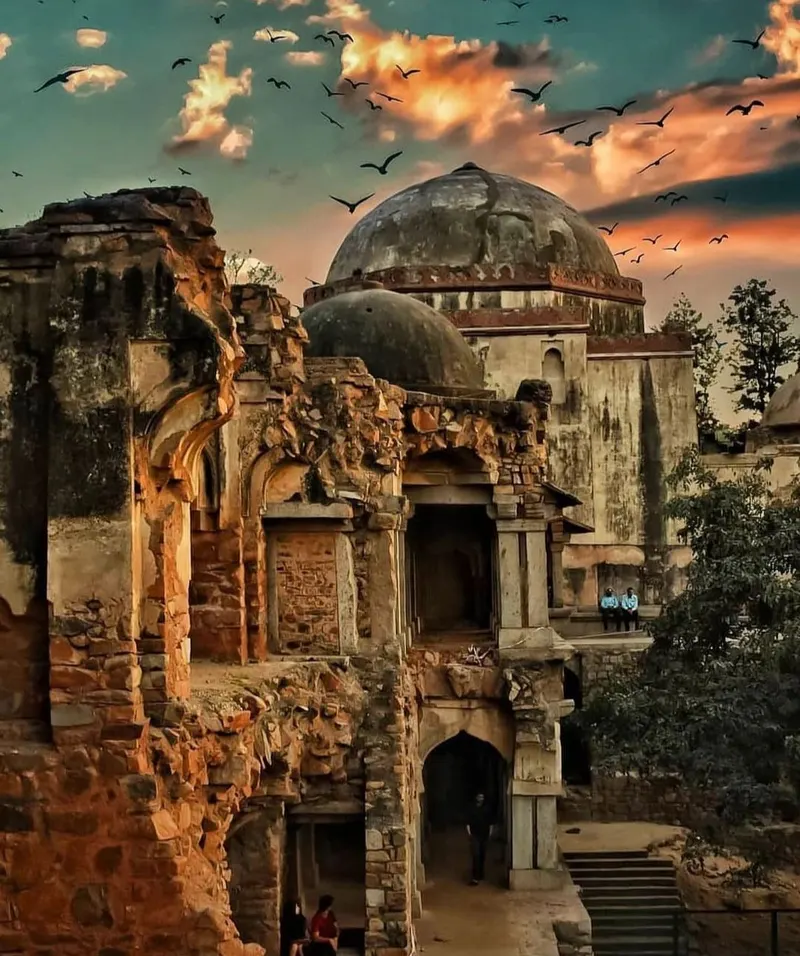 4
4South Delhi, Mehrauli, and Hauz Khas
Qutb Minar, Mehrauli Archaeological Park, Hauz Khas, Saket, and Vasant Kunj spread along the Yellow and Magenta lines. This is the upscale restaurant and medieval-ruins side of Delhi.
 5
5Nizamuddin and South East Delhi
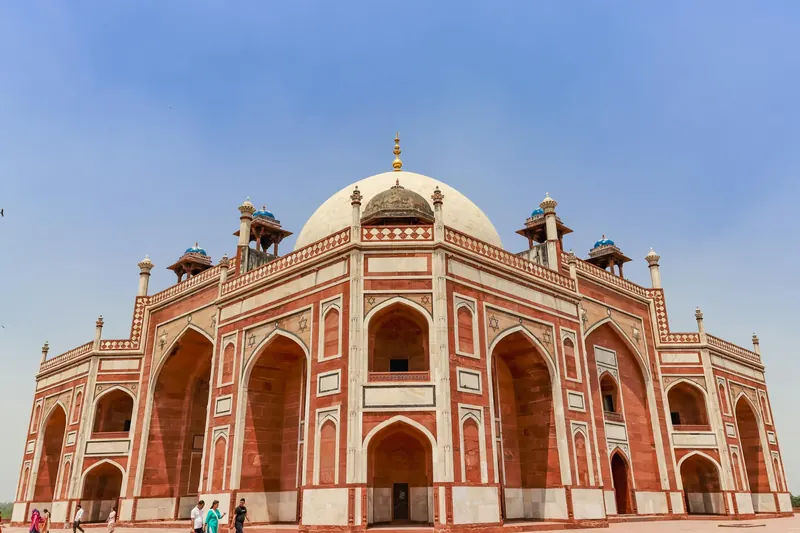
Humayun's Tomb, Sunder Nursery, CR Park, Kalkaji, Lotus Temple, and Tughlakabad sit in this broad district. It mixes Mughal garden tombs, Bengali food streets, and temple traffic.
 6
6East Delhi and the Yamuna side
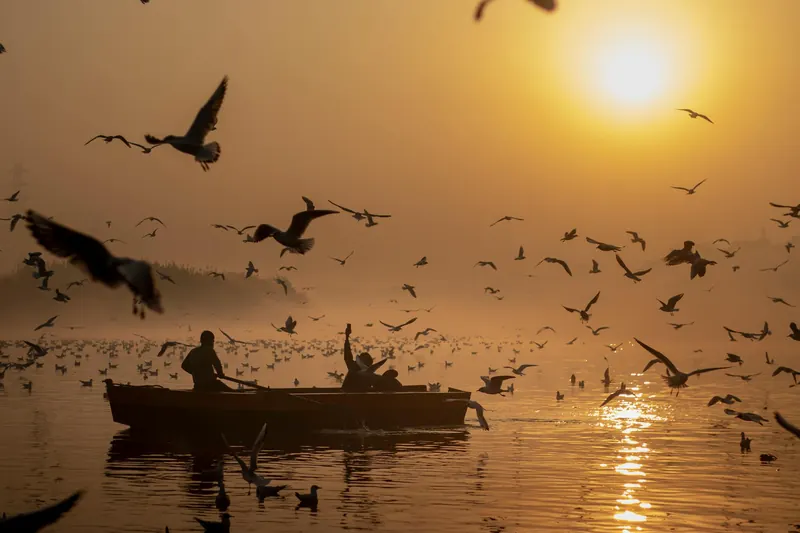
Akshardham, Shahdara, and neighborhoods east of the Yamuna give Delhi a different edge from the New Delhi axis. The Blue Line makes this side practical for one targeted temple visit.
Getting around
The Delhi Metro is the practical backbone, with Yellow Line useful for Chandni Chowk, New Delhi station, Hauz Khas, and Qutb Minar, and Blue Line useful for Akshardham. Fares run about Rs10-60, a Smart Card costs Rs200 with Rs150 value and Rs50 deposit, and the Airport Express has special fares from Indira Gandhi International Airport.
Varanasi
Varanasi in August
TempTemperature
92°F / 80°F
33.5°C / 26.6°C
RainPrecipitation
12d
11in · 280mm
LightDaylight
12.9h
August is the wettest month, so expect humidity, river changes, and slower movement.
City overview
Varanasi is the Ganges pilgrimage city where Dashashwamedh Ghat, Manikarnika Ghat, Assi Ghat, Kashi Vishwanath Temple, Godowlia, Chowk, Ramnagar, and Sarnath frame the visitor map. The city is dense, sacred, and practical at the same time: dawn boats, temple security, cremation ghats, silk lanes, chai stalls, and rickshaw logistics all shape a respectful day.
Food & drink
Varanasi food includes kachori sabzi, tamatar chaat, banarasi paan, malaiyyo, lassi, thandai, rabri, jalebi, litti chokha, and silk-lane snacks. Godowlia, Kachori Gali, Lanka, Assi cafes, Brown Bread Bakery, and ghat-side tea stalls are the first food route.
Holidays & observances
- Aug 15Independence DayPublic holiday
- Aug 26Prophet Mohammad's BirthdayPublic holiday
Top sights
Ranked for August suitability using weather, setting, ratings, and review volume.
- 1Sankat Mochan Hanuman Temple
- 2Kashi Vishwanath Temple
- 3Durga Temple
- 4Dashashwamedh Ghat
- 5Manikarnika Ghat
- 6Assi Ghat
- 7Bharat Mata Temple
- 8Ramnagar Fort
- 9Harishchandra Ghat
- 10Sarnath
 1
1Sankat Mochan Hanuman Temple
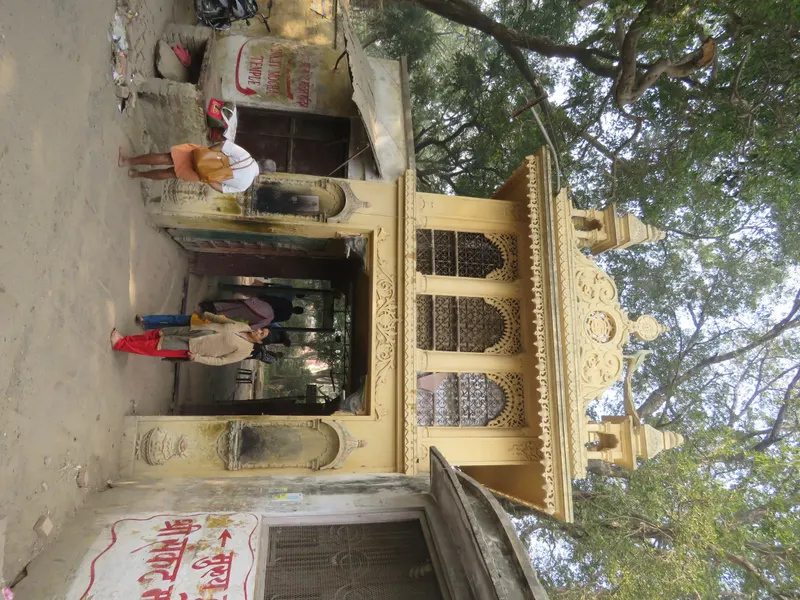
4.8★ · 10,982indoorOpen dailyThe Hanuman temple near the university side is an important active shrine, with security rules and devotional crowds.
Wikipedia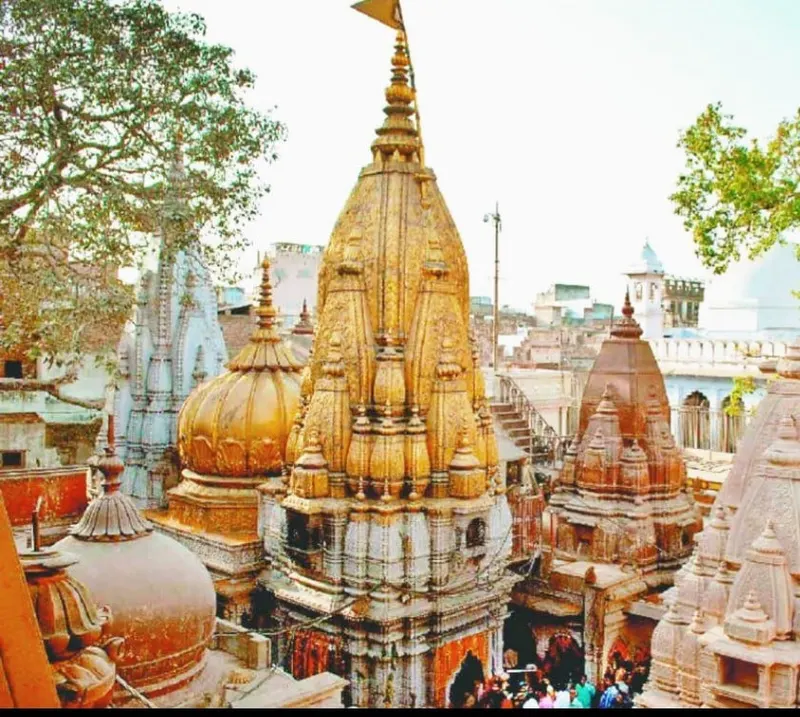 2
2Kashi Vishwanath Temple
4.7★ · 117,626indoorOpen dailyThe Shiva temple is one of the city's most important pilgrimage sites, with tight security and access through the corridor near Manikarnika.
Wikipedia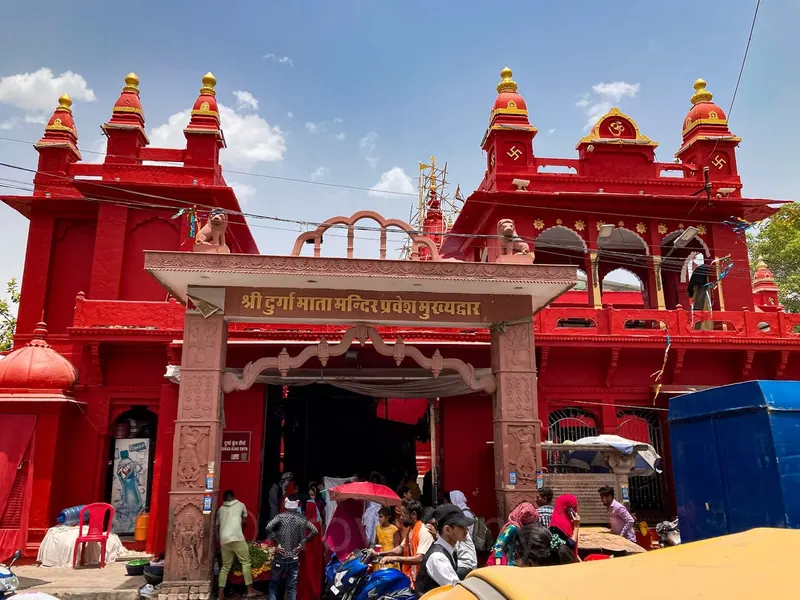 3
3Durga Temple
4.7★ · 2,431indoorOpen dailyThe 18th-century temple south of the old city is dedicated to Durga and often paired with Sankat Mochan and the BHU-Lanka side.
Show 8 more sights
- 4Dashashwamedh Ghat
- 5Manikarnika Ghat
- 6Assi Ghat
- 7Bharat Mata Temple
- 8Ramnagar Fort
- 9Harishchandra Ghat
- 10Sarnath
- 11Ganges sunrise boat route
Neighborhoods
 1
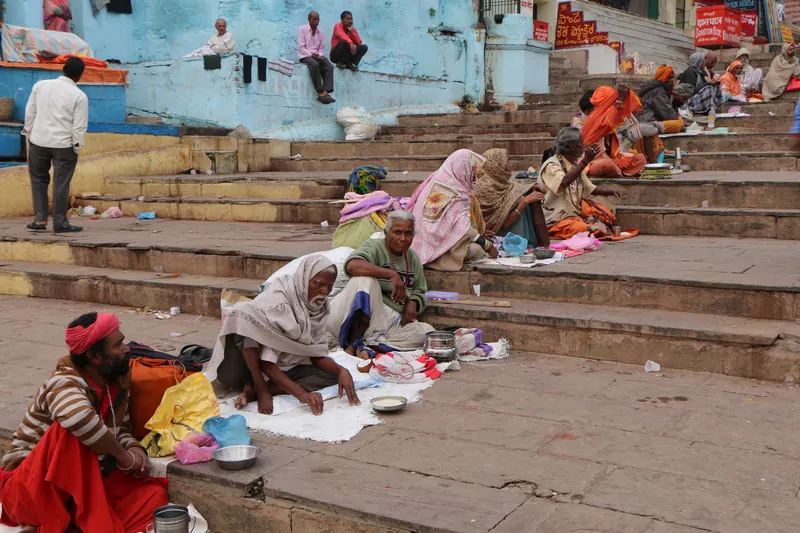
1Dashashwamedh, Godowlia, and Chowk
This is the dense old-city core, with aarti crowds, silk shops, food lanes, temple approaches, rickshaws, and constant foot traffic.
 2
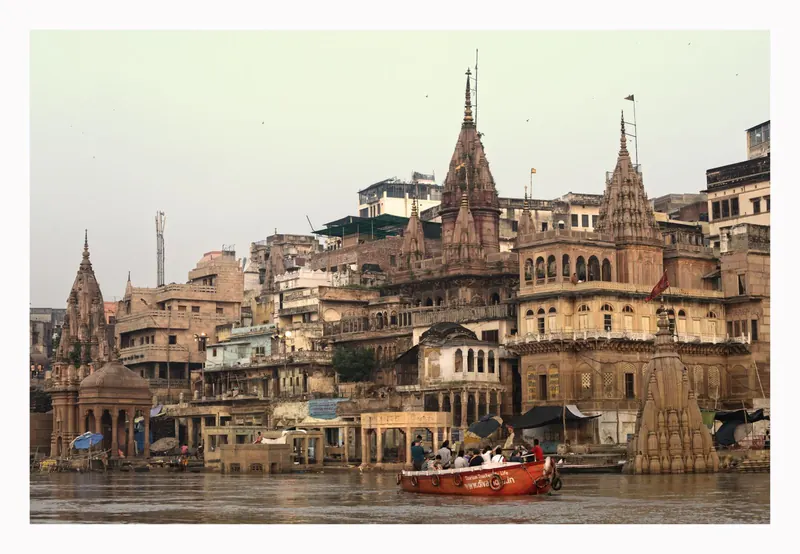
2Manikarnika and Kashi Vishwanath corridor
The sacred central stretch is intense and controlled, with cremation activity, temple security, narrow lanes, pilgrims, and a tone that requires restraint.
 3
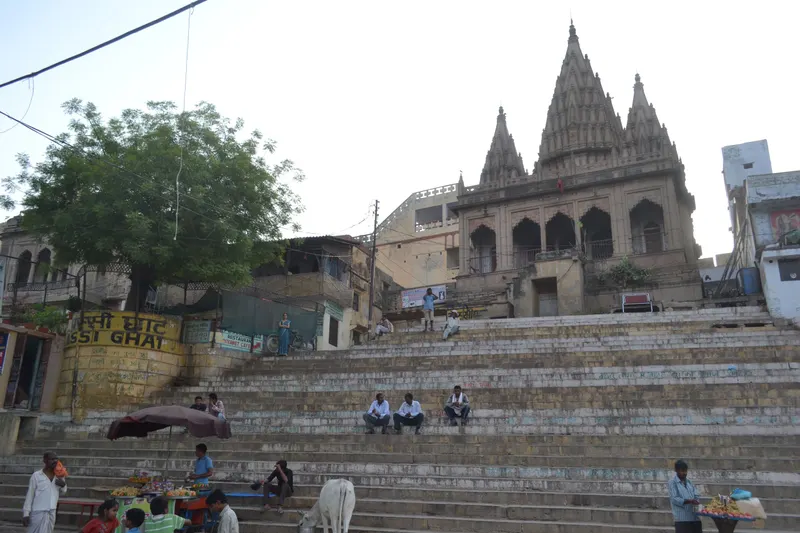
3Assi and Bhadaini
Assi is easier for longer stays, with cafes, yoga classes, guesthouses, morning aarti, bookshops, and south-side ghat walks.
 4
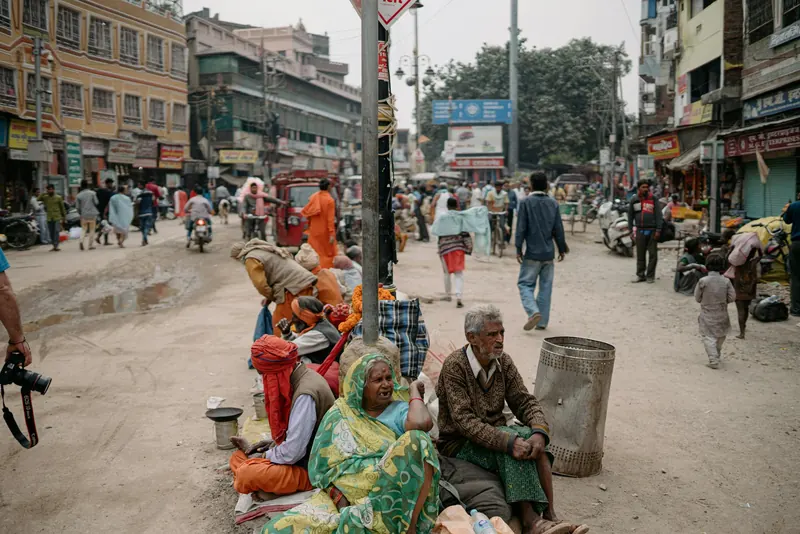
4Lanka and BHU
The university side is more spacious, with Banaras Hindu University, student food, temples, bookstores, and access toward Sankat Mochan.
 5
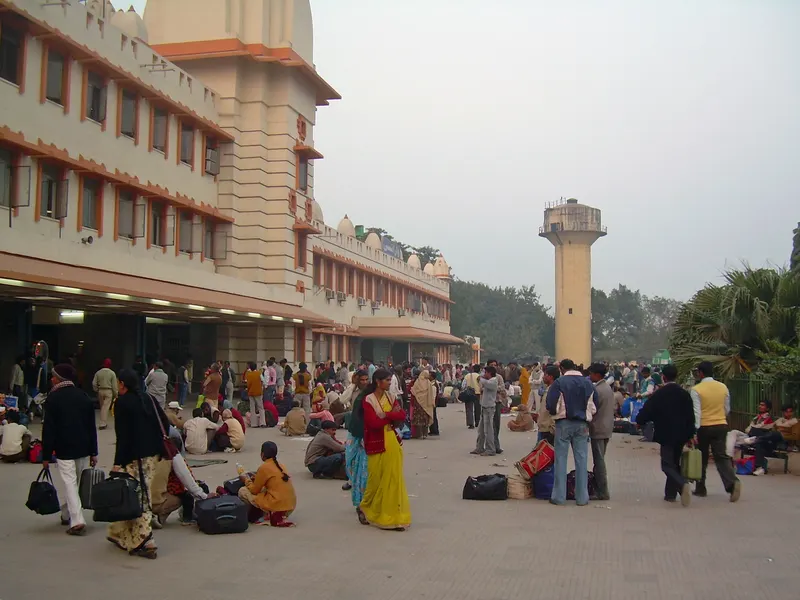
5Cantonment and Varanasi Junction
The railway-and-hotel district is less atmospheric but practical, with transport, larger hotels, Cantonment roads, and airport-transfer access.
 6
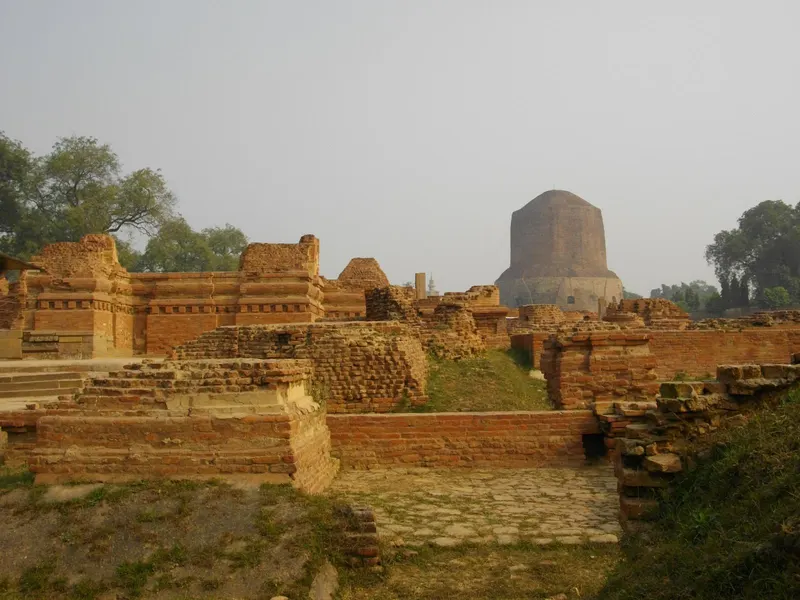
6Sarnath
Sarnath is quieter and Buddhist, with stupas, monasteries, museum grounds, pilgrims, and a calmer day away from the ghats.
Getting around
Walking, cycle rickshaws, auto-rickshaws, boats, taxis, and e-rickshaws handle Varanasi, but cars do not fit many old-city lanes. Use the ghats and lanes on foot, hire boats with a clear price, and leave wide buffers for station, airport, Sarnath, and Ramnagar transfers.
Planning the Sacred India route?
Add your dates and we'll pace all 2 cities — every place checked for closures, limited hours, and booking needs in August.
Weather by month for the Sacred India trip
In August, the Sacred India trip runs daytime highs from 34°C / 93°F to 35°C / 95°F, with nights down to about 27°C / 81°F at the coolest stop. Climate averages show about 13 rainy days at the rainiest stop. Weighed across both stops, August is mixed for weather comfort.
The most comfortable months across Delhi & Varanasi are December, January and February, based on average daytime temperatures and rainfall at every stop. August 2026 is mixed for weather comfort.
Common questions about the Sacred India trip
- When is the best time to do the Sacred India trip?
- The most comfortable months across Delhi, Varanasi are December, January and February, based on average daytime temperatures and rainfall at each stop. August is mixed for weather comfort — see the per-stop weather below for the climate averages in August 2026.
- How many days do you need for the Sacred India trip?
- A comfortable Sacred India trip runs about 6–8 days, allowing roughly Delhi 3, Varanasi 3 nights plus travel between stops. Add a day if you want a slower pace or extra day trips.
- What's the route for the Sacred India trip?
- The classic order is Delhi & Varanasi. Each city below has its own August weather, any available event listings, and a top-sights list.
Ready to plan the Sacred India trip?
Turn this route into a day-by-day plan for August 2026, every stop checked for closures and booking needs on your exact dates.