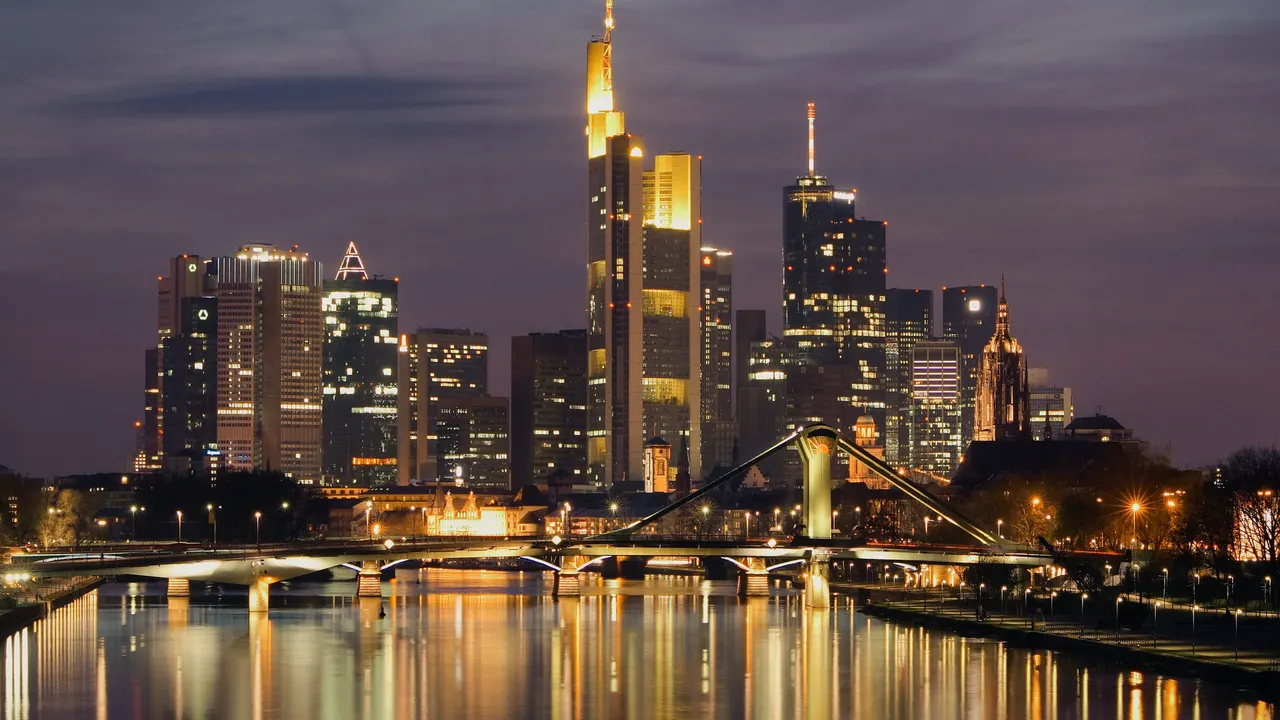
Things to do in Frankfurt
Top things to do in Frankfurt include Römerberg and Römer, Kaiserdom St Bartholomäus, Altstadt and Römerberg. Plan each day around one neighborhood to avoid backtracking, then add your dates to check opening hours and booking needs.
First visit? Start with these — and plan each day around one neighborhood:
- Römerberg and Römer★ 4.6 · 30.6k reviewsThe Römer has served as Frankfurt city hall since the 15th century, and the square around it was rebuilt after World War II destruction.
- Kaiserdom St Bartholomäus★ 4.6 · 8.6k reviewsThe Gothic cathedral grew from the 14th century and was used for Holy Roman imperial elections and coronations.
- Altstadt and RömerbergThe smallest historic core is rebuilt and ceremonial, with Römerberg, the cathedral, Paulskirche, the New Old Town, and the Main embankment close…
- Getting aroundRMV tickets cover U-Bahn, S-Bahn, trams, buses, and regional trains across Frankfurt, the airport, Mainz, and Wiesbaden zones.
By TripSapien · Updated November 3, 2026
About Frankfurt
City overview
Frankfurt is a Main River finance city with a compact rebuilt old town, a serious museum bank, and skyscrapers that make the skyline feel unlike any other German city. The traveler frame is Römerberg and Altstadt for history, Sachsenhausen and Museumsufer for riverfront culture, and Bahnhofsviertel and Westend for the dense urban edge around the Hauptbahnhof.
Food & drink
Frankfurt food is tavern and market-focused: Frankfurter Wuerstchen are slender smoked sausages, gruene Sosse mixes herbs into a cold sauce for eggs and potatoes, Handkaese mit Musik marinates sour-milk cheese with onions, and Apfelwein is poured from blue-grey Bembel jugs. Kleinmarkthalle, Fressgass, Dauth-Schneider, Lorsbacher Thal, and Textorstrasse taverns add schnitzel, Bethmaennchen, and cider-house meals.
What Frankfurt is best for
Frankfurt is best for architecture, food, art, history, and nightlife.
- How long to stay
- A weekend to a week
- Typical budget
- Mid-range
Top sights
Ranked using weather, setting, ratings, and review volume.
- 1Städel Museum
- 2Main Tower
- 3Goethe House
- 4Palmengarten
- 5Alte Oper
- 6Museumsufer
- 7European Central Bank and Grossmarkthalle
- 8Kleinmarkthalle
 1
Städel Museum
4.6★ · 13,125Banker Johann Friedrich Städel founded this art museum in 1815, and its Schaumainkai galleries now run from old masters to contemporary painting. It anchors the Museumsufer on the south bank opposite the old town.
Wikipedia 2
Main Tower
4.6★ · 7,789Schweger + Partner completed the 200-metre office tower in 1999 with a public rooftop observation deck. The entrance is in the Bankenviertel, about 10 minutes on foot from Hauptwache.
Wikipedia 3
Goethe House
4.4★ · 5,642Johann Wolfgang von Goethe was born in this Großer Hirschgraben house in 1749, and the reconstructed rooms show a bourgeois Frankfurt interior. It sits between Römerberg and the shopping streets around Hauptwache.
Wikipedia
Show 5 more sights
4Palmengarten
Garden designer Heinrich Siesmayer helped open the Palmengarten in 1871 with greenhouses, palm houses, lawns, and flower beds. The garden is in Westend near the Grüneburgpark and Goethe University campus.
Wikipedia5Alte Oper
Richard Lucae designed the opera house that opened in 1880, and Frankfurt rebuilt it as a concert hall in 1981 after wartime damage. The facade stands on Opernplatz between the banking district and Bockenheimer Anlage.
Wikipedia6Museumsufer
The south-bank museum embankment links the Städel, German Film Museum, Museum Angewandte Kunst, and communication museum in a walkable row. Eiserner Steg footbridge connects the strip to Römerberg in minutes.
Wikipedia7European Central Bank and Grossmarkthalle
The 1928 Grossmarkthalle by Martin Elsaesser was integrated into the European Central Bank campus with a 2014 tower by Coop Himmelb(l)au. The complex stands in Ostend near the Main and Hafenpark.
8Kleinmarkthalle
The postwar market hall opened in 1954 and packs produce, sausage counters, bakeries, and wine stands under one roof. It is a short walk from Konstablerwache and the Zeil shopping street.
Neighborhoods
 1
Innenstadt and Zeil
Innenstadt is shopping and transit Frankfurt, with Hauptwache, Zeil, Goethestraße, Kleinmarkthalle, and quick S-Bahn links beneath the pedestrian streets.
 2
Sachsenhausen
Sachsenhausen combines Museumsufer culture with apple-wine taverns around Textorstraße and Alt-Sachsenhausen, plus river views back to the skyline.
 3
Bahnhofsviertel
Bahnhofsviertel is intense and multicultural, with Kaiserstraße hotels, late-night restaurants, red-light blocks, and some of the city's best Asian and Middle Eastern food near Hauptbahnhof.
Show 26 more neighborhoods
- 4Westend and Bockenheim
Westend and Bockenheim feel leafy and academic, anchored by Palmengarten, Grüneburgpark, old villas, Goethe University buildings, and Leipziger Straße cafes.
- 5Ostend and European Quarter
Ostend is the newer riverfront district, with the ECB campus, Hafenpark, Osthafen warehouses, and tram links toward the fairgrounds and Europaviertel.
- 6Altstadt
Altstadt has local stops such as the Kaiserdom St Bartholomäus, Kleinmarkthalle with over 60 vendors, and the reconstructed timber houses at Römerberg and Römer. The area also features the Museum für Moderne Kunst, which presents over 4,500 works from around the world.
- 7Bankenviertel
- 8Bergen-Enkheim
- 9Bockenheim
Frankfurt's old university quarter northwest of the center, gathered around Leipziger Straße and the former Goethe campus.
- 10Bornheim
Frankfurt's east-end "merry village," climbing from the inner city toward the Berger Ridge. Berger Straße runs through half-timbered remnants, cider taverns, and indie shops, while the weekly market by the clock tower and the green slopes of Günthersburgpark give this urban district a stubbornly neighborhood scale.
- 11Dornbusch
- 12Dörnigheim
- 13Eckenheim
- 14EKZ Mainspitze
- 15Eschersheim
A historic district in northern Frankfurt, once a rural village that became a wealthy residential area around 1900. It contains an ancient lime tree planted after 1648 to mark the end of the Thirty Years' War.
- 16Europaviertel
- 17Gallus
Home to the Frankfurt train station, a key transport hub in the city. The area features a mix of residential and commercial spaces, with local eateries and shops along its streets.
- 18Ginnheim
- 19Griesheim
- 20Hausen
- 21Heddernheim
Once the Roman town of Nida, where three Mithraea temples were discovered. Later, it became a site for metalworking plants and now contains the Nordwestzentrum shopping center.
- 22Höchst
Around 400 timber-framed houses in its old town, creating a picturesque atmosphere. The area is known for its historical architecture and local markets.
- 23Hornau
- 24Innenstadt
Frankfurt's central district, known for its expensive shopping streets and real estate. It contains the Zeil, Hauptwache, Konstablerwache, Frankfurt Stock Exchange, and Alte Oper.
- 25Mainhattan
Frankfurt's skyline with high rises like the Commerzbank Tower and the European Central Bank. The area also includes historically important sites like the Imperial Cathedral of Saint Bartholomew and St. Paul's Church.
- 26Neuenhain
- 27Niederursel
- 28Nordend
A unified area, administratively split into West and East sections. It contains various dining and drink spots like 1895, Al Terrazzino, and Antony's Bar, along with cafes such as Café No.48 and Coffee Gallery.
- 29Nordend-West
A handsome inner-north quarter of Frankfurt, filled with Gründerzeit apartments, plane trees, and family cafés. Oeder Weg and Eckenheimer Landstraße carry the daily shopping, while Holzhausenpark's moated manor and the nearby Eschenheimer Turm place quiet residential life within walking distance of the financial core.
Day trips
40km / 40min by S-Bahn or regional train from Frankfurt Hauptbahnhof
Mainz
The Rhine city adds a Romanesque cathedral, Gutenberg Museum, old-town lanes, and wine bars. It is the easiest cultural day trip from Frankfurt Airport or the central station.
90km / about 1h by ICE or regional train from Frankfurt Hauptbahnhof
Heidelberg
Castle ruins, the Neckar river, university streets, and the Philosophenweg make Heidelberg the classic romantic Germany excursion.
65km / about 1h by train from Frankfurt Hauptbahnhof
Rüdesheim and the Rheingau
Vineyards, Rhine boats, Riesling taverns, and the Niederwald Monument sit west of the city. Summer weekends are busy, so book boat times before leaving Frankfurt.
Getting around
RMV tickets cover U-Bahn, S-Bahn, trams, buses, and regional trains across Frankfurt, the airport, Mainz, and Wiesbaden zones. S-Bahn lines through the City Tunnel are fastest for Hauptbahnhof, Hauptwache, Konstablerwache, and Ostend, while trams are easier along the Main and Sachsenhausen.
Planning a Frankfurt trip?
Add your dates and we'll check every place for closures, limited hours, and booking needs before you go.
Things to do in Frankfurt by month
Pick a month for weather, any sourced events, holidays or observances, and seasonal timing. June, August and July have the most comfortable weather (tagged below).
Common questions about Frankfurt
- Which neighborhoods should I explore in Frankfurt?
- Altstadt and Römerberg, Innenstadt and Zeil, Sachsenhausen are useful starting points. Plan each day around one or two neighboring areas to avoid unnecessary backtracking.
- When is the best time to visit Frankfurt?
- June, August, July balance comfortable temperatures with fewer rainy days in Frankfurt.
- How many days do you need in Frankfurt?
- a weekend to a week gives you time for architecture, food, and art in Frankfurt. Choose your month to see date-specific details.
- What is Frankfurt known for?
- Frankfurt is best for architecture, food, art, history, and nightlife. For matched places, TripSapien checks available hours, closure signals, and booking links.
Ready to plan Frankfurt?
Turn everything above into a day-by-day Frankfurt plan, with every place checked for closures and booking needs on your dates.