Things to do in Rome
Top things to do in Rome include Colosseum, Roman Forum & Palatine Hill, Centro Storico. Plan each day around one neighborhood to avoid backtracking, then add your dates to check opening hours and booking needs.
First visit? Start with these — and plan each day around one neighborhood:
- Colosseum★ 4.8 · 493.3k reviewsThe Flavian amphitheatre anchors the Colosseo district and is the visual shorthand for imperial Rome.
- Roman Forum & Palatine Hill★ 4.8 · 143.6k reviewsThe Forum was the political and ceremonial heart of ancient Rome, while the Palatine above it holds imperial palace ruins.
- Centro StoricoThe old centre is a maze of piazzas and church facades around the Pantheon, Piazza Navona, Campo de' Fiori, and the Jewish Ghetto.
- Getting aroundRome uses ATAC buses, trams, and Metro lines A, B, and C; contactless fares are EUR1.50 per 100-minute ride with a EUR7 daily cap, and Termini is the main rail/metro…
By TripSapien · Updated August 24, 2026
About Rome
City overview
Rome is built around the Tiber crossing, the Seven Hills, and 2,500 years of reuse: imperial forums, Renaissance piazzas, Baroque fountains, and Vatican territory sit within a few metro stops. First-time visitors usually split time between Centro Storico, Colosseo, Trastevere, Prati, Testaccio, and the Villa Borghese/Spanish Steps side of the north centre.
Food & drink
Rome is a pasta-and-market city first: carbonara, cacio e pepe, amatriciana, gricia, supplì, carciofi alla giudia, and thin Roman pizza all have local anchors. Testaccio and Trastevere handle trattoria dinners, the Jewish Ghetto is the place to look for artichokes, and coffee/gelato remain cheaper at stand-up counters than at seated piazza tables despite Rome's Michelin-level fine dining scene.
What Rome is best for
Rome is best for architecture, history, art, food, and nightlife.
- How long to stay
- A few days to a week
- Typical budget
- Mid-range
Top sights
Ranked using weather, setting, ratings, and review volume.
- 1Pantheon
- 2Piazza Navona, Campo de' Fiori & the Jewish Ghetto
- 3St Peter's Basilica & Vatican Museums
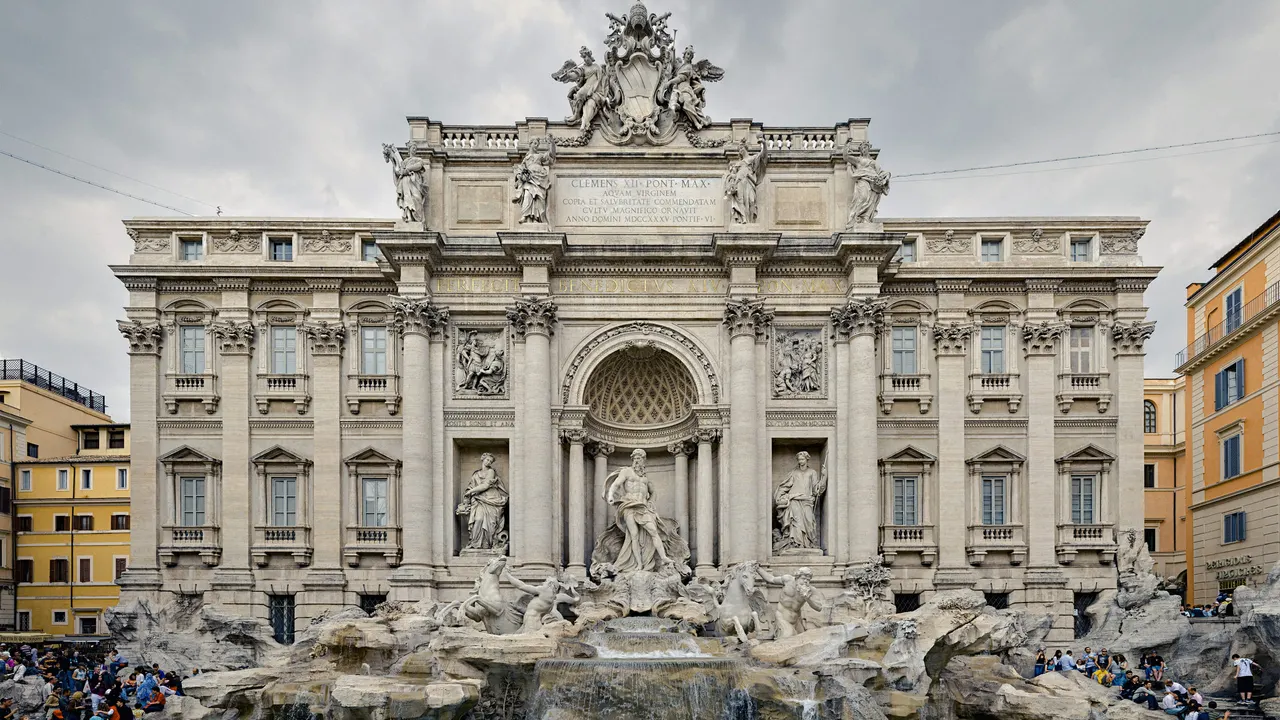
- 4Trevi Fountain
- 5Spanish Steps & Trinità dei Monti
- 6Villa Borghese & Galleria Borghese
- 7Via Appia Antica
- 8Trastevere & Testaccio
 1
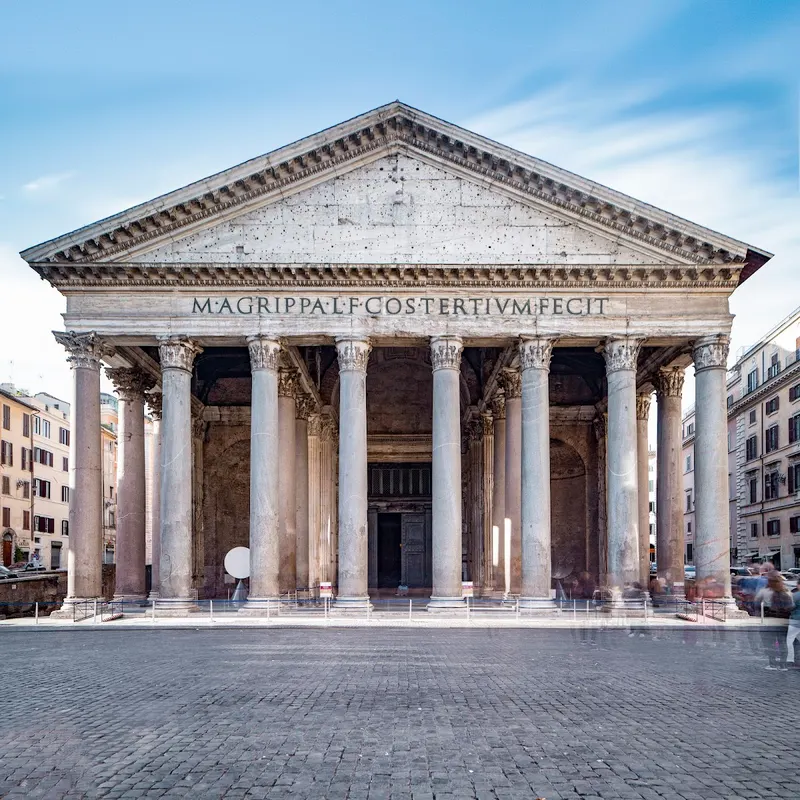
1Pantheon
4.8★ · 279,735The ancient temple-turned-church keeps its concrete dome and central oculus intact in the middle of the old city. Piazza della Rotonda makes it easy to combine with coffee, gelato, and nearby churches.
 2
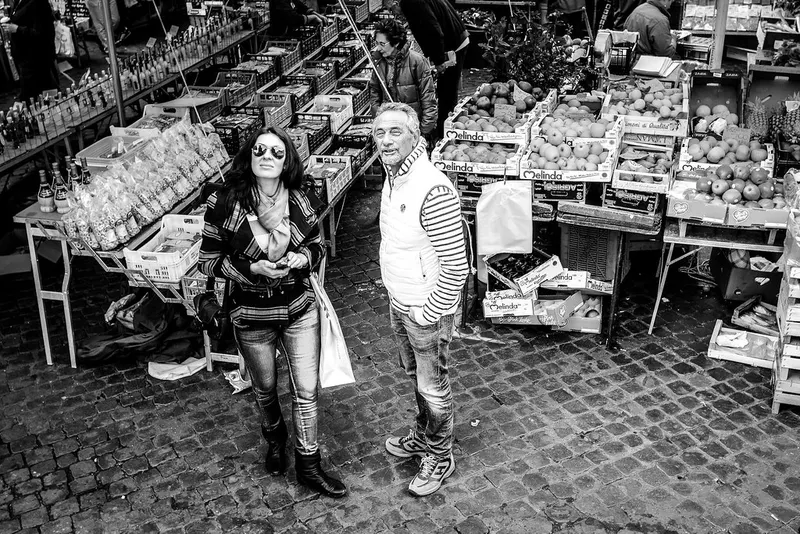
2Piazza Navona, Campo de' Fiori & the Jewish Ghetto
4.4★ · 69,652This Old Rome cluster links Bernini fountains, market lanes, medieval streets, and the Tiber-side Jewish Ghetto. It is one of the best low-transport half-days in the city.
 3
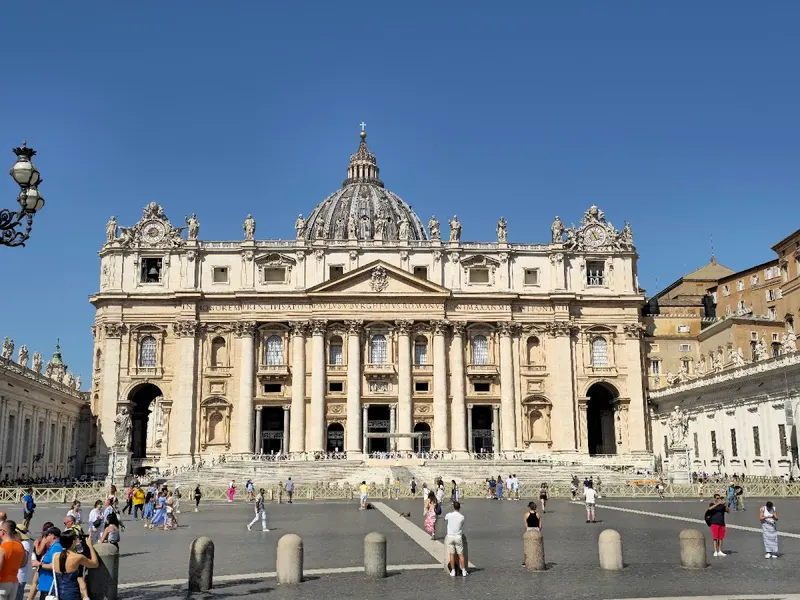
3St Peter's Basilica & Vatican Museums
4.8★ · 176,617The Vatican holds St Peter's Basilica, the Sistine Chapel, and museum corridors packed with papal collections. Prati is the practical neighborhood for early museum entries and late dinners after the crowds leave.
Vatican Museums timed entry is the stress reducer; cover shoulders and knees for St Peter's Basilica.
Show 3 more sights
- 4Trevi Fountain
- 5Spanish Steps & Trinità dei Monti
- 6Villa Borghese & Galleria Borghese
Neighborhoods
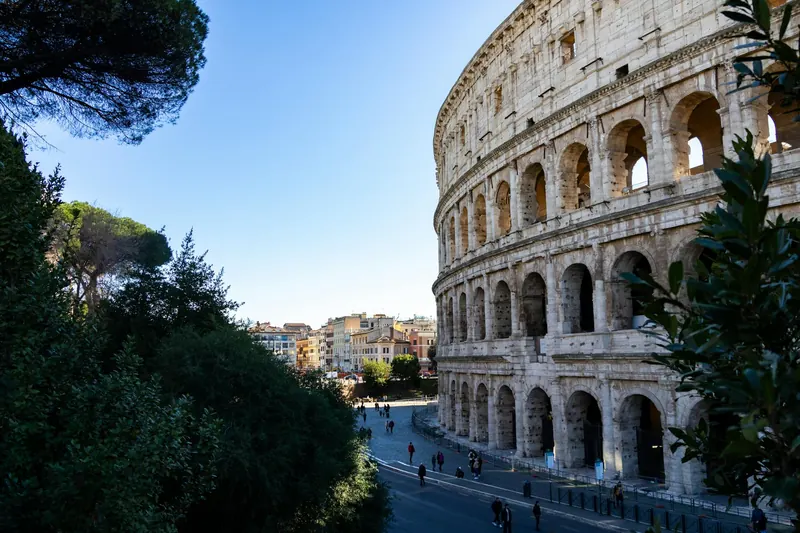 1
1Colosseo & Monti
Colosseo is ancient stone and tour groups; Monti just north of it adds wine bars, boutiques, and sloped lanes around Via Urbana. It is a strong base when the Forum and Palatine matter more than Vatican mornings.
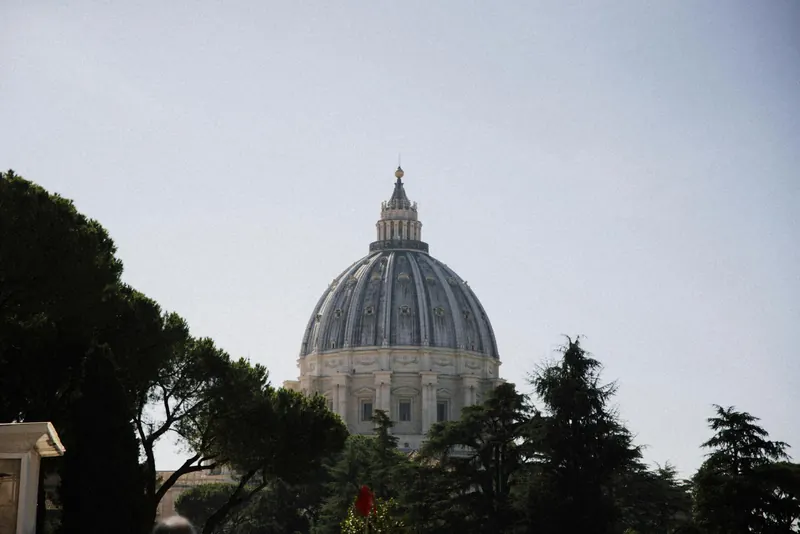 2
2Prati & Vatican
Prati is gridded, calmer, and useful for Vatican Museums entries, St Peter's Basilica, and shopping on Via Cola di Rienzo. It feels less medieval than Centro Storico and works well for families.
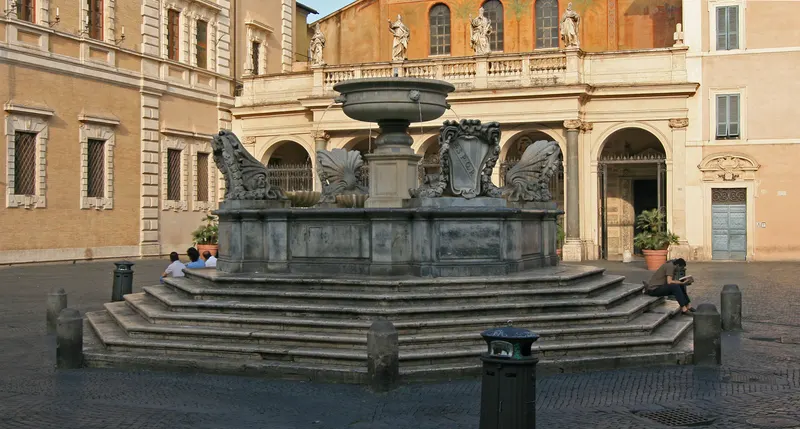 3
3Trastevere
Trastevere sits west of the Tiber with cobbled lanes, Santa Maria in Trastevere, aperitivo crowds, and trattorias. Sleep here for evening atmosphere, not fast metro access.
Day trips
25km / about 30-40m by train from Roma Porta San Paolo-Piramide
Ostia Antica
Rome's ancient port is the easiest archaeological day outside the centre, with streets, baths, warehouses, and mosaics. It is lower-pressure than Pompeii and works as a half-day.
31km / about 1h by train from Roma Tiburtina
Tivoli
Tivoli combines Villa d'Este's fountains with Hadrian's Villa outside town. Start early if you want both sites without rushing the bus transfers.
21km / about 30m by train from Roma Termini
Frascati
The Castelli Romani wine town is the simplest soft day trip, with hill air, villas, and Frascati wine. It suits a late lunch more than a checklist day.
Getting around
Rome uses ATAC buses, trams, and Metro lines A, B, and C; contactless fares are EUR1.50 per 100-minute ride with a EUR7 daily cap, and Termini is the main rail/metro interchange. The Leonardo Express links Fiumicino Airport to Termini in about 30 minutes, but walking is still fastest inside Centro Storico because many marquee sights sit off the metro grid.
Planning a Rome trip?
Add your dates and we'll check every place for closures, limited hours, and booking needs before you go.
Things to do in Rome by month
Pick a month for weather, any sourced events, holidays or observances, and seasonal timing. May, October and September have the most comfortable weather (tagged below).
Common questions about Rome
- Which neighborhoods should I explore in Rome?
- Centro Storico, Colosseo & Monti, Prati & Vatican are useful starting points. Plan each day around one or two neighboring areas to avoid unnecessary backtracking.
- When is the best time to visit Rome?
- May, October, September balance comfortable temperatures with fewer rainy days in Rome.
- How many days do you need in Rome?
- a few days to a week gives you time for architecture, history, and art in Rome. Choose your month to see date-specific details.
- What is Rome known for?
- Rome is best for architecture, history, art, food, and nightlife. For matched places, TripSapien checks available hours, closure signals, and booking links.
Ready to plan Rome?
Turn everything above into a day-by-day Rome plan, with every place checked for closures and booking needs on your dates.