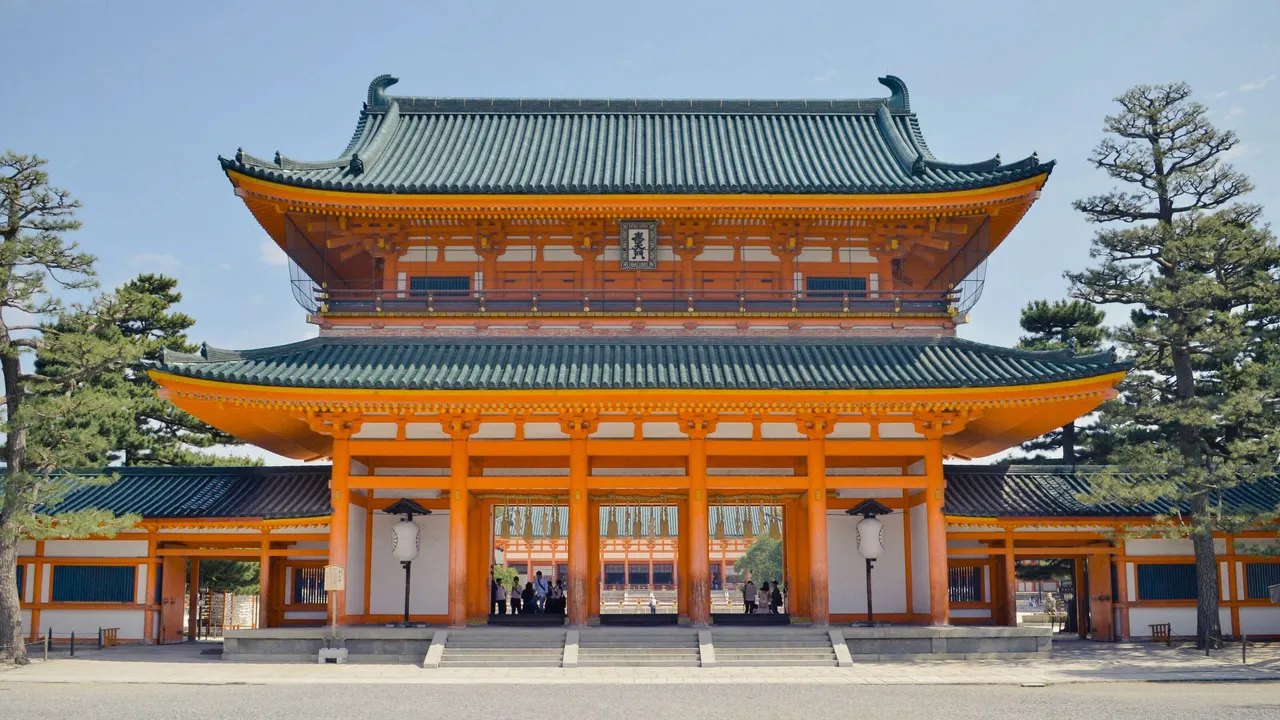
Kyoto events & things to do in July 2027
Start with Sanjūsangen-do, Kiyomizu-dera, plus Fushimi Inari Taisha. July in Kyoto averages 32°C / 90°F highs, 24°C / 74°F nights, and about 13 rainy days.
Expect 32°C/90°F days and about 13 rainy ones in July. Start with these:
- Sanjūsangen-do★ 4.7 · 17.6k reviewsThe long temple hall near Shichijo holds 1,001 images of Kannon in a single dramatic interior.
- Kiyomizu-dera★ 4.6 · 73.8k reviewsThe Higashiyama temple is famous for its large wooden stage above the hillside and the approach streets of Sannenzaka and Ninenzaka.
By TripSapien · Updated October 29, 2026
Kyoto in July 2027
Weather
TempTemperature
90°F / 74°F
32°C / 23.6°C
RainPrecipitation
13d
8.9in · 225mm
LightDaylight
14.1h
July is hot, humid, and wet, with Gion Matsuri crowds making central buses and hotel locations important.
Events & festivals
Event calendar- Jul 1 – Jul 31
The Gion Festival (祇園祭, Gion Matsuri) is one of the largest and most famous festivals in Japan, taking place annually during the month of July in Kyoto.
Planning lead · dates set closer in · Source: festival calendar
- Jul 17 – Jul 24
Gion Matsuri Yamaboko Procession
Associated occasion: Gion Matsuri.
Planning lead · projected date · Source: festival calendar

Holidays, observances & long weekends
Holiday and observance schedules can affect services and venue hours; confirm each place directly.
- Jul 19Marine DayPublic holiday
- Jul 17-Jul 19Long weekend
About Kyoto
City overview
Kyoto sits in a mountain basin in Kansai, with the Kamo River, Higashiyama slopes, Arashiyama hills, and an 794 grid plan shaping temple routes across the former imperial capital. Gion and Higashiyama carry the geisha lanes and hillside temples, Arashiyama holds river-and-bamboo scenery, and Central Kyoto links Kyoto Station, Nijō Castle, Nishiki Market, and the Imperial Palace.
Food & drink
Kyoto food is seasonal and temple-adjacent: kaiseki sequences small courses around season and vessel, shojin ryori is Buddhist vegetarian temple cooking, yudofu near Nanzen-ji turns simmered tofu into the main event, and yuba brings tofu skin into soups and set meals. Nishiki Market, Pontocho, Kiyamachi, Kyoto Station ramen floors, Gion restaurants, Fushimi sake streets, and Uji stops add hamo, matcha sweets, yatsuhashi, and sake tastings.
Top sights
Ranked for July suitability using weather, setting, ratings, and review volume.
- 1Fushimi Inari Taisha
- 2Kinkaku-ji
- 3Ginkaku-ji and the Philosopher Path
- 4Ryōan-ji
- 5Kyoto Imperial Palace and Kyoto Gyoen
- 6Nijō Castle
- 7Nishiki Market
- 8Arashiyama Bamboo Grove and Tenryū-ji
 1
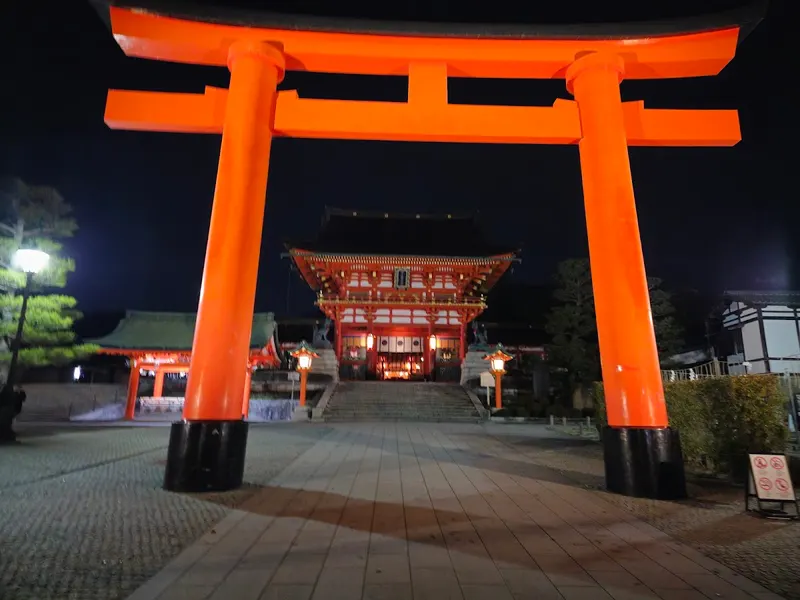
Fushimi Inari Taisha
4.6★ · 93,091indoorOpen dailyThousands of vermilion torii gates climb Mount Inari from the shrine beside JR Inari station. The full mountain loop takes far longer than the first photo corridor and thins out above the lower shrines.
Wikipedia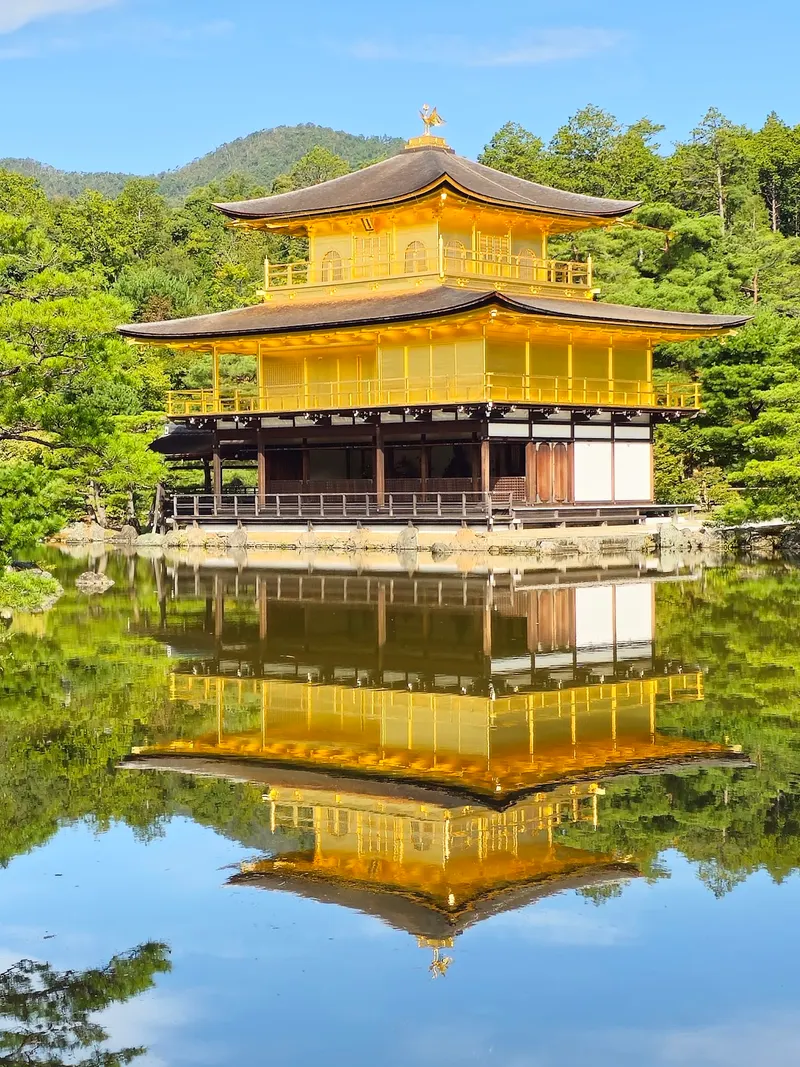 2
Kinkaku-ji
4.6★ · 71,479indoorOpen dailyThe Golden Pavilion in northern Kyoto reflects across its pond as one of the city best-known temple images. It sits in a temple-rich northern district with Ryōan-ji and Ninna-ji nearby.
Wikipedia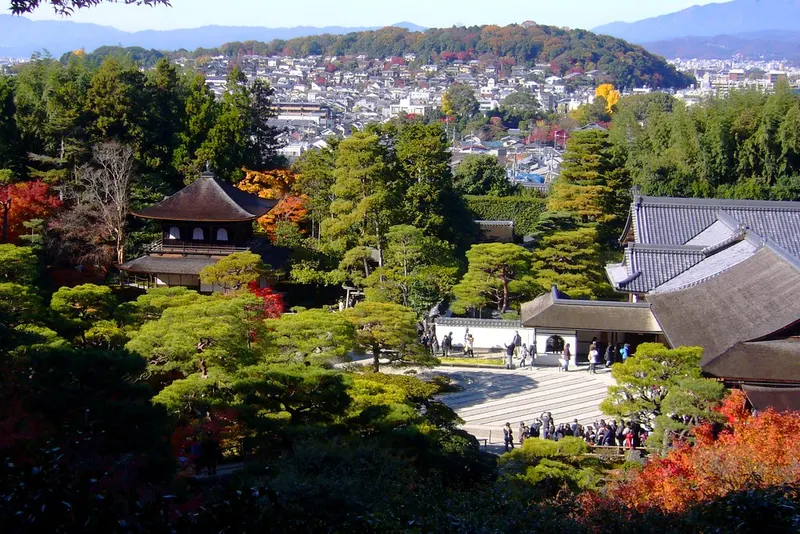 3
Ginkaku-ji and the Philosopher Path
4.5★ · 18,300indoorOpen dailyGinkaku-ji, the Silver Pavilion, anchors the northern end of the Higashiyama walking route. The Philosopher Path follows a canal south toward Nanzen-ji and is strongest in cherry blossom season.
Show 5 more sights
4Ryōan-ji
Ryōan-ji is known for its dry rock garden in northern Kyoto and sits close to Kinkaku-ji on the same temple arc. The restrained garden gives a different pace from the larger shrine crowds.
Wikipedia5Kyoto Imperial Palace and Kyoto Gyoen
The Imperial Palace stands inside Kyoto Gyoen, the large central park that preserves the court-era layout before the 1868 move to Tokyo. Palace visits, broad gravel paths, and seasonal trees give the city center breathing room.
6Nijō Castle
Nijō Castle was a Tokugawa shogun residence in central Kyoto and is part of the UNESCO group. Painted rooms, defensive gates, gardens, and nightingale floors explain power in Kyoto after the imperial court era.
Wikipedia7Nishiki Market
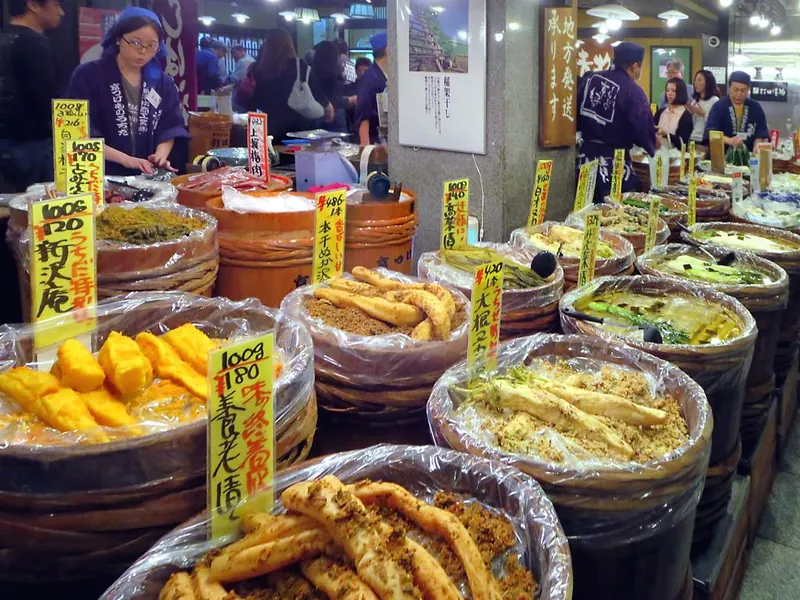
Nishiki Market runs through downtown Kyoto with pickle shops, seafood counters, tea sweets, yuba, knives, and snack stalls. It connects naturally with Teramachi, Shinkyogoku, and Kawaramachi shopping streets.
Wikipedia8Arashiyama Bamboo Grove and Tenryū-ji
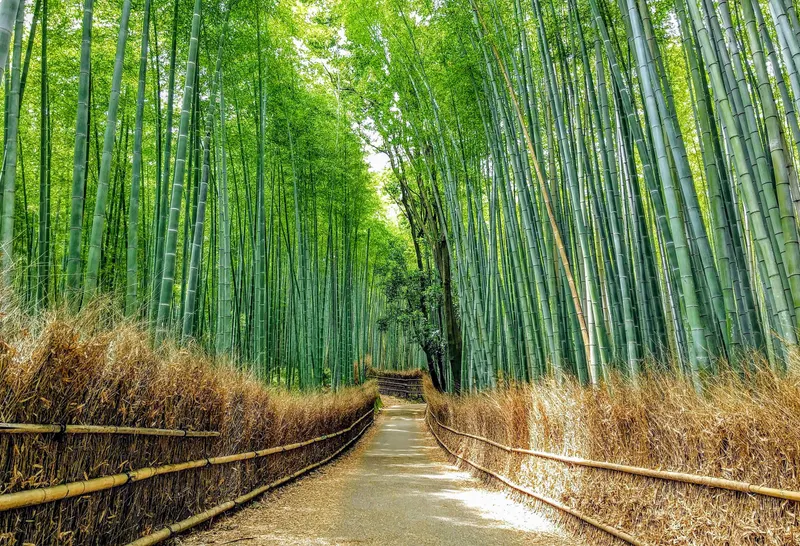
Arashiyama pairs the famous bamboo path with Tenryu-ji, Togetsukyo Bridge, and the Katsura River below wooded hills. JR Saga-Arashiyama, Randen trams, and Hankyu Arashiyama all reach the district.
Neighborhoods
 1
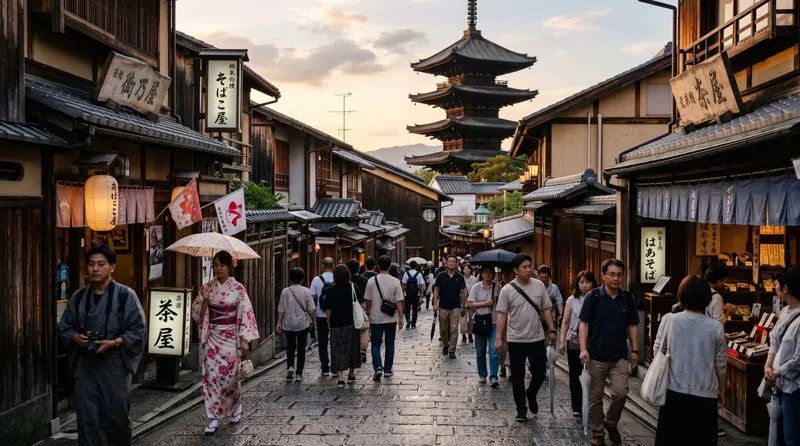
Gion and Higashiyama
Gion and Higashiyama are Kyoto lanes and slopes, with Hanami-koji, Yasaka Shrine, Kiyomizu-dera, Sannenzaka, Ninenzaka, teahouses, and heavy evening foot traffic.
 2
Downtown Kyoto and Nishiki
Downtown centers on Shijo-Kawaramachi, Nishiki Market, Teramachi, Shinkyogoku, Pontocho, Kiyamachi, and the Kamo River dining terraces.
 3
Arashiyama and Sagano
Arashiyama and Sagano feel greener and slower, with bamboo groves, Tenryu-ji, Togetsukyo Bridge, riverboats, monkey park climbs, and temple lanes.
Show 27 more neighborhoods
- 4Northern Kyoto
Northern Kyoto collects Kinkaku-ji, Ryōan-ji, Ninna-ji, Kamigamo Shrine, Shimogamo Shrine, university edges, and quieter residential streets.
- 5Central Kyoto and Kyoto Station
Central Kyoto includes Kyoto Station, Nijō Castle, Kyoto Gyoen, the Imperial Palace, Nishi Hongan-ji, business hotels, and bus hubs.
- 6Fushimi and Southern Kyoto
Fushimi and southern Kyoto add Fushimi Inari, sake breweries, Tofuku-ji, Daigo-ji, and rail links toward Uji and Nara.
- 7Arashiyama
A scenic area known for its natural beauty and cultural sites. It features the Arashiyama Monkey Park, Ōkōchi Sansō Villa, and Daikakuji Temple.
- 8Egawa
- 9Fukakusanakagawaracho
- 10Fushimi Ward
Fushimi-ku features the Fushimi Inari Shrine, known for its thousands of torii gates, and Fushimi Castle, originally built by Toyotomi Hideyoshi. The area is also famous for its sake production, with the Gekkeikan sake company founded here.
- 11Gamōno
In Kyoto, 蒲生野 is home to the Nintendo Store and specialty shops.
- 12Gion
A geisha district with high-end shops and restaurants, a Zen garden, and women in colorful kimonos. It contains Yasaka Shrine, Maruyama Park, and restaurants like Kyoboshi.
- 13Hanase-harachicho
Hanase-harachicho in Kyoto is known for Miyamaso and Japanese restaurants.
- 14Higashiyama
Famous for its historic temples like Kiyomizu-dera and the picturesque streets of Ninenzaka and Sannenzaka lined with traditional wooden machiya houses.
- 15Higashiyama Ward
Kyoto's temple-lined eastern ward, climbing from the Kamo River into the Higashiyama foothills. Kiyomizu-dera, Yasaka Shrine, and Gion's machiya lanes form the spine, but pottery shops, tiny cemeteries, and dawn walks along the Shirakawa canal supply the quieter texture behind the crowds.
- 16Hirose
- 17Hozu-chō
Known for the Hozugawa River Cruise, a two-hour riverboat ride steered with oars and bamboo poles. The cruise passes rapids, deep-water pools, and lush scenery.
- 18Izumiyacho
- 19Izumojimatsunoshitacho
Izumojimatsunoshitacho in Kyoto is known for Doppo and Japanese restaurants.
- 20Kamigyo Ward
Historic red-light districts like Kamishichiken, where traditional crafts and performing arts thrive. The Kamo River runs along the east side, and Kuramaguchi Station marks one of the Seven Exits of Kyoto.
- 21Kamitakanoshimoaramakicho
Kamtakanoshimoaramakicho in Kyoto has Japanese restaurants and is located near Kenya.
- 22Kita Ward
Kita Ward in Kyoto features the historic Kinkaku-ji Buddhist temple with its gold-leaf facade, set amid gardens and a reflecting pond. The area also offers coffee shops, Japanese izakaya restaurants, and bakery-cafes.
- 23Komatsubaraminamimachi
Komatsubaraminamimachi in Kyoto is home to Tozentei and offers Japanese restaurants.
- 24Mano
- 25Minami Ward
Kyoto's working southern ward, spreading below Kyoto Station across rail yards, factories, and residential grids.
- 26Nakagyo Ward
Central urban areas like Shijo Kawaramachi and Shijo Karasuma, with a mix of shopping and dining options. The area is also home to Nijo Station and commercial facilities like BiVi Nijo, which includes a cinema complex.
- 27Nakajimahinokamicho
Nakajimahinokamicho in Kyoto features French restaurants near anpeiji.
- 28Nakakita
- 29Nanzenjikusagawacho
Home to Hyotei, a veteran ryotei embodying the aesthetic of wabi-sabi.
- 30Nishikyo Ward
On the western edge of Kyoto, bordering the Katsura River. It contains the Katsura Imperial Villa, Saihō-ji (Moss Temple), Matsunoo-taisha, and Oharano Shrine.
Day trips
45km / about 45-60min by JR Nara Line or Kintetsu from Kyoto
Nara
Nara adds Tōdai-ji, Kasuga Taisha, Nara Park deer, and an older-capital frame. It is the most efficient temple-and-history day from Kyoto.
17km / about 20-30min by JR Nara Line from Kyoto station
Uji
Uji is known for matcha and Byodo-in, with the Nintendo Museum also in the area. The riverfront makes it a light half-day rather than a full-city transfer.
12km / about 10min by JR train from Kyoto to Otsu
Lake Biwa and Ōtsu
Otsu and Lake Biwa give water views, temples, and summer beaches beyond the Kyoto basin. Mount Hiei routes connect the lake side with Buddhist history above the city.
Getting around
Use ICOCA on JR, Keihan, Hankyu, Kyoto Subway, city buses, Randen, and most regional rail; Kyoto Station, Shijo-Kawaramachi, Sanjō Keihan, and Kitaoji are the useful transfer points. Buses reach Kinkaku-ji and many northwestern temples, Keihan is best for Gion-Fushimi Inari, Hankyu helps Arashiyama, and bicycles work well in the central grid outside peak crowds.
Planning a Kyoto trip?
Add your dates and we'll check every place for closures, limited hours, and booking needs in July.
Common questions about Kyoto in July
- Best rainy-day things to do in Kyoto in July
July averages 13 rainy days in Kyoto, so keep these indoor stops as realistic backups.
- Sanjūsangen-do — The long temple hall near Shichijo holds 1,001 images of Kannon in a single dramatic interior. It works well with Kyoto National Museum and routes between Kyoto Station and Higashiyama.
- Kiyomizu-dera — The Higashiyama temple is famous for its large wooden stage above the hillside and the approach streets of Sannenzaka and Ninenzaka. It is one of the Historic Monuments of Ancient Kyoto in the UNESCO listing.
- Fushimi Inari Taisha — Thousands of vermilion torii gates climb Mount Inari from the shrine beside JR Inari station. The full mountain loop takes far longer than the first photo corridor and thins out above the lower shrines.
- Kinkaku-ji — The Golden Pavilion in northern Kyoto reflects across its pond as one of the city best-known temple images. It sits in a temple-rich northern district with Ryōan-ji and Ninna-ji nearby.
- Ginkaku-ji and the Philosopher Path — Ginkaku-ji, the Silver Pavilion, anchors the northern end of the Higashiyama walking route. The Philosopher Path follows a canal south toward Nanzen-ji and is strongest in cherry blossom season.
- What to pack for Kyoto in July
Pack for July's weather, not a generic Kyoto checklist.
- Light, breathable daytime clothes for average highs around 32°C / 90°F.
- Breathable evening clothes because nights stay near 24°C / 74°F.
- Compact rain gear and shoes that handle wet pavement across about 13 rainy days.
- How many days do you need in Kyoto
- 4 days covers the main Kyoto highlights at a realistic pace. Add 3 extra days if you want the listed day trips.
Ready to plan Kyoto?
You've seen what's on — now get a day-by-day Kyoto plan for July 2027, every place checked for your exact dates.