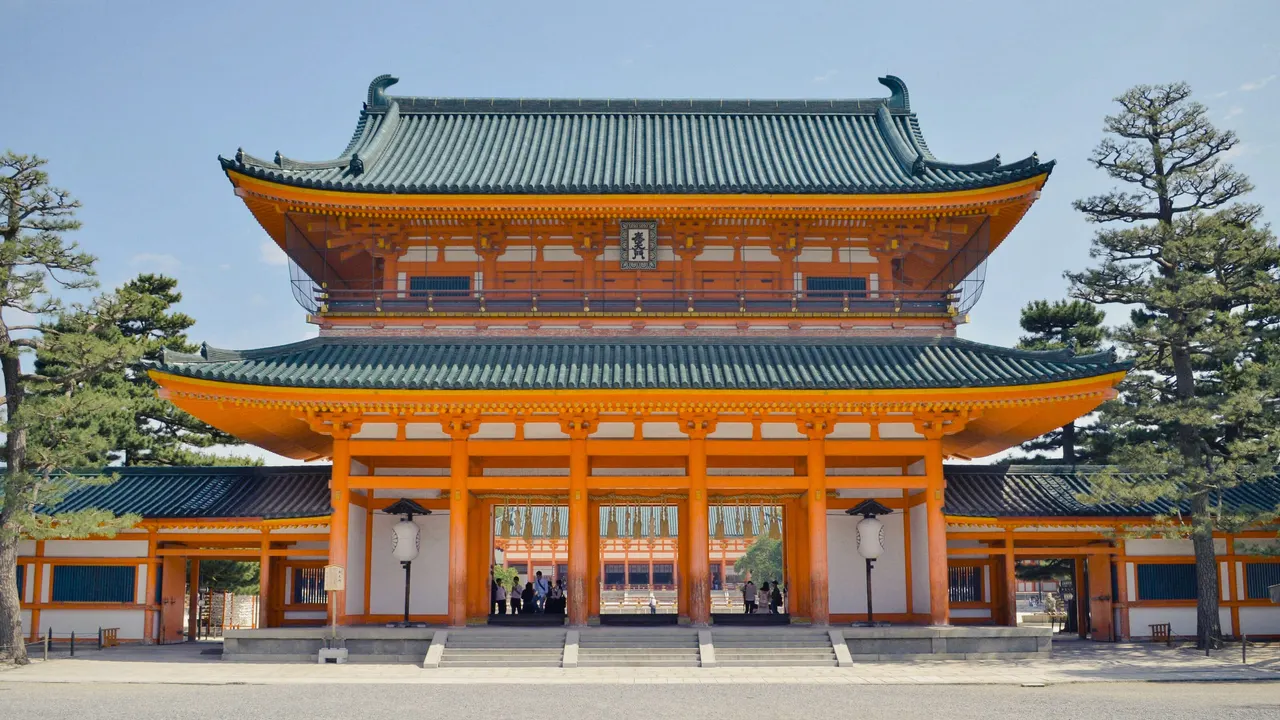
Things to do in Kyoto
Top things to do in Kyoto include Kiyomizu-dera, Fushimi Inari Taisha, Gion and Higashiyama. Plan each day around one neighborhood to avoid backtracking, then add your dates to check opening hours and booking needs.
First visit? Start with these — and plan each day around one neighborhood:
- Kiyomizu-dera★ 4.6 · 69.3k reviewsThe Higashiyama temple is famous for its large wooden stage above the hillside and the approach streets of Sannenzaka and Ninenzaka.
- Fushimi Inari Taisha★ 4.6 · 87.9k reviewsThousands of vermilion torii gates climb Mount Inari from the shrine beside JR Inari station.
- Gion and HigashiyamaGion and Higashiyama are Kyoto lanes and slopes, with Hanami-koji, Yasaka Shrine, Kiyomizu-dera, Sannenzaka, Ninenzaka, teahouses, and heavy evening…
- Getting aroundUse ICOCA on JR, Keihan, Hankyu, Kyoto Subway, city buses, Randen, and most regional rail; Kyoto Station, Shijo-Kawaramachi, Sanjō Keihan, and Kitaoji are the useful…
By TripSapien · Updated August 24, 2026
About Kyoto
City overview
Kyoto sits in a mountain basin in Kansai, with the Kamo River, Higashiyama slopes, Arashiyama hills, and an 794 grid plan shaping temple routes across the former imperial capital. Gion and Higashiyama carry the geisha lanes and hillside temples, Arashiyama holds river-and-bamboo scenery, and Central Kyoto links Kyoto Station, Nijō Castle, Nishiki Market, and the Imperial Palace.
Food & drink
Kyoto food is seasonal and temple-adjacent: kaiseki sequences small courses around season and vessel, shojin ryori is Buddhist vegetarian temple cooking, yudofu near Nanzen-ji turns simmered tofu into the main event, and yuba brings tofu skin into soups and set meals. Nishiki Market, Pontocho, Kiyamachi, Kyoto Station ramen floors, Gion restaurants, Fushimi sake streets, and Uji stops add hamo, matcha sweets, yatsuhashi, and sake tastings.
What Kyoto is best for
Kyoto is best for architecture, history, art, food, and nature.
- How long to stay
- A few days to a week
- Typical budget
- Higher-end
Top sights
Ranked using weather, setting, ratings, and review volume.
- 1Kinkaku-ji
- 2Ginkaku-ji and the Philosopher Path
- 3Nijō Castle
- 4Kyoto Imperial Palace and Kyoto Gyoen
- 5Nishiki Market
- 6Arashiyama Bamboo Grove and Tenryū-ji
- 7Sanjūsangen-do
- 8Ryōan-ji
 1
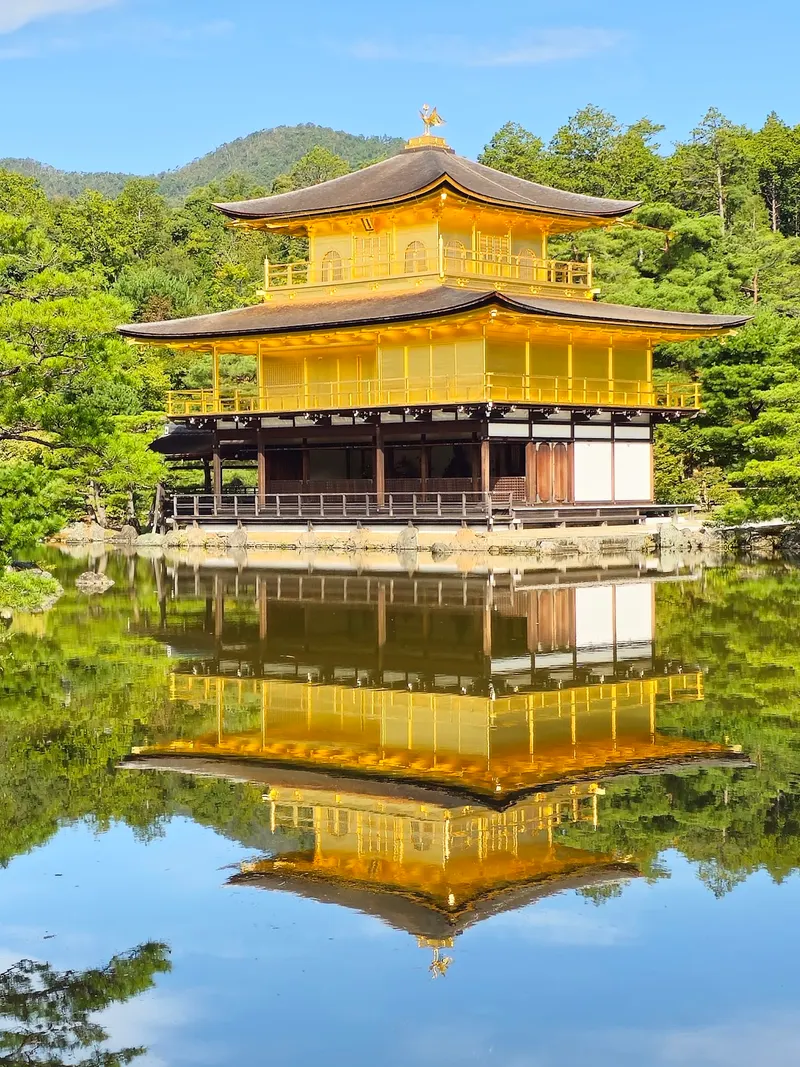
1Kinkaku-ji
4.6★ · 67,809The Golden Pavilion in northern Kyoto reflects across its pond as one of the city best-known temple images. It sits in a temple-rich northern district with Ryōan-ji and Ninna-ji nearby.
Wikipedia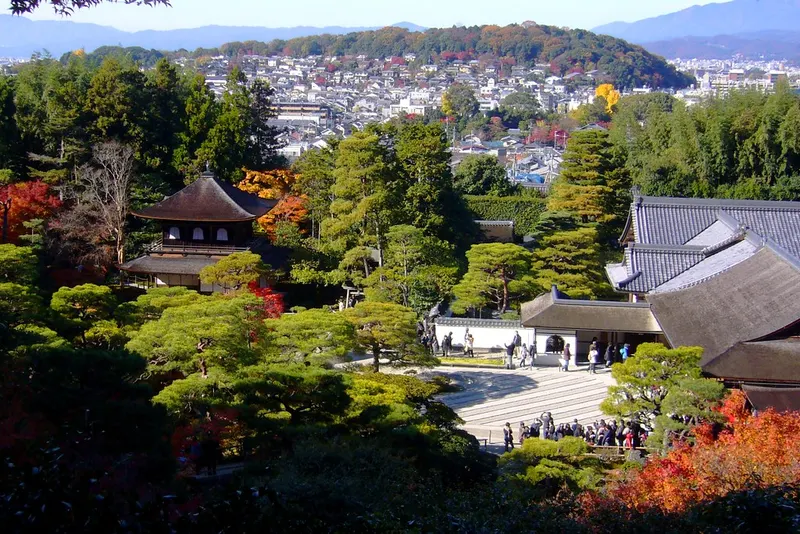 2
2Ginkaku-ji and the Philosopher Path
4.5★ · 17,224Ginkaku-ji, the Silver Pavilion, anchors the northern end of the Higashiyama walking route. The Philosopher Path follows a canal south toward Nanzen-ji and is strongest in cherry blossom season.
 3
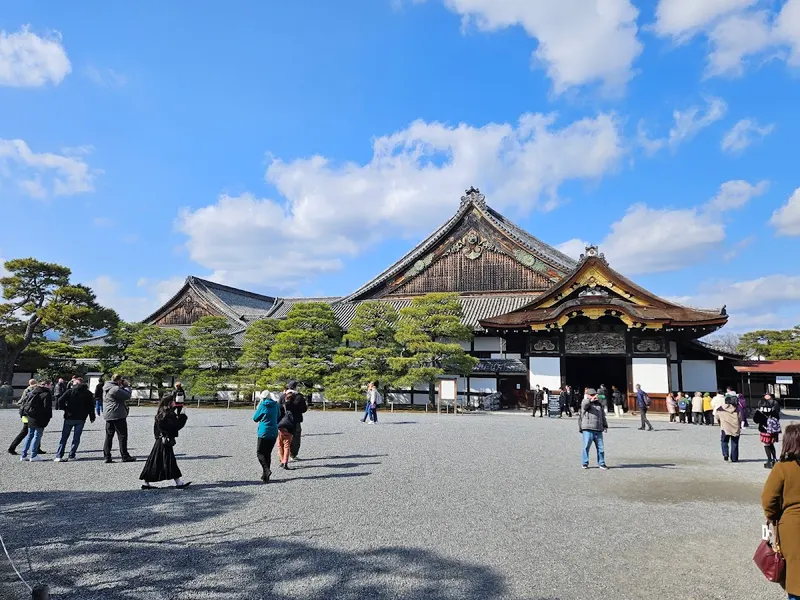
3Nijō Castle
4.4★ · 41,779Nijō Castle was a Tokugawa shogun residence in central Kyoto and is part of the UNESCO group. Painted rooms, defensive gates, gardens, and nightingale floors explain power in Kyoto after the imperial court era.
Wikipedia
Show 3 more sights
- 4Kyoto Imperial Palace and Kyoto Gyoen
- 5Nishiki Market
- 6Arashiyama Bamboo Grove and Tenryū-ji
Neighborhoods
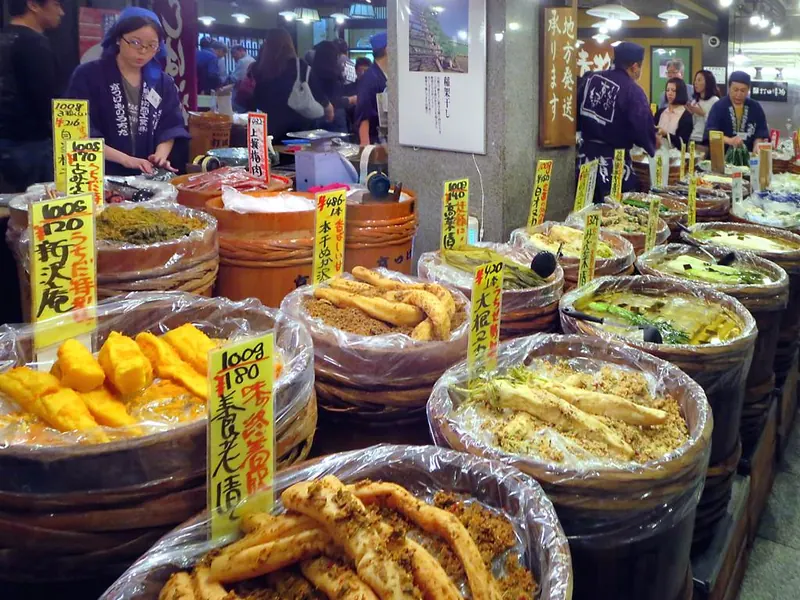 1
1Downtown Kyoto and Nishiki
Downtown centers on Shijo-Kawaramachi, Nishiki Market, Teramachi, Shinkyogoku, Pontocho, Kiyamachi, and the Kamo River dining terraces.
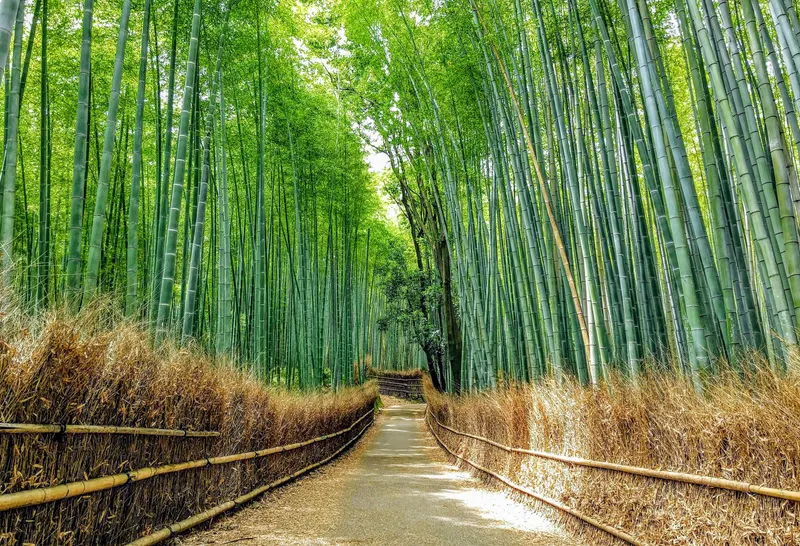 2
2Arashiyama and Sagano
Arashiyama and Sagano feel greener and slower, with bamboo groves, Tenryu-ji, Togetsukyo Bridge, riverboats, monkey park climbs, and temple lanes.
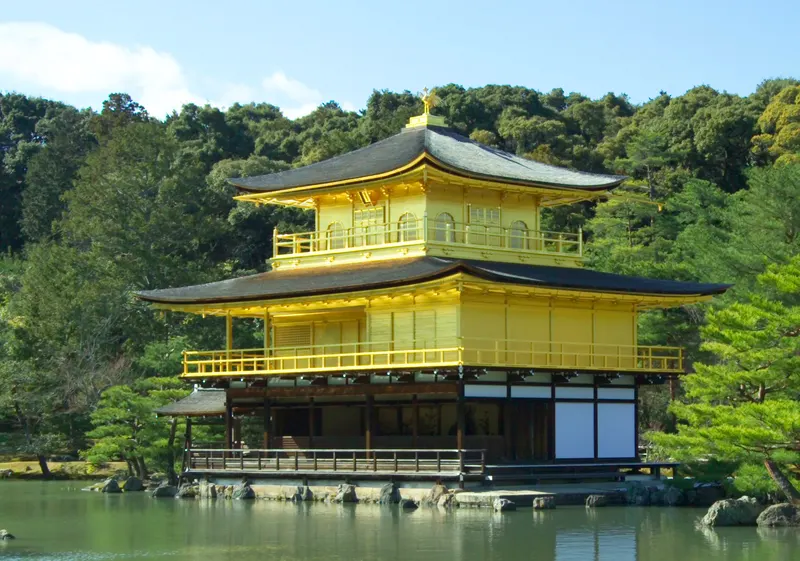 3
3Northern Kyoto
Northern Kyoto collects Kinkaku-ji, Ryōan-ji, Ninna-ji, Kamigamo Shrine, Shimogamo Shrine, university edges, and quieter residential streets.
Day trips
45km / about 45-60min by JR Nara Line or Kintetsu from Kyoto
Nara
Nara adds Tōdai-ji, Kasuga Taisha, Nara Park deer, and an older-capital frame. It is the most efficient temple-and-history day from Kyoto.
17km / about 20-30min by JR Nara Line from Kyoto station
Uji
Uji is known for matcha and Byodo-in, with the Nintendo Museum also in the area. The riverfront makes it a light half-day rather than a full-city transfer.
12km / about 10min by JR train from Kyoto to Otsu
Lake Biwa and Ōtsu
Otsu and Lake Biwa give water views, temples, and summer beaches beyond the Kyoto basin. Mount Hiei routes connect the lake side with Buddhist history above the city.
Getting around
Use ICOCA on JR, Keihan, Hankyu, Kyoto Subway, city buses, Randen, and most regional rail; Kyoto Station, Shijo-Kawaramachi, Sanjō Keihan, and Kitaoji are the useful transfer points. Buses reach Kinkaku-ji and many northwestern temples, Keihan is best for Gion-Fushimi Inari, Hankyu helps Arashiyama, and bicycles work well in the central grid outside peak crowds.
Planning a Kyoto trip?
Add your dates and we'll check every place for closures, limited hours, and booking needs before you go.
Things to do in Kyoto by month
Pick a month for weather, any sourced events, holidays or observances, and seasonal timing. October, May and April have the most comfortable weather (tagged below).
Common questions about Kyoto
- Which neighborhoods should I explore in Kyoto?
- Gion and Higashiyama, Downtown Kyoto and Nishiki, Arashiyama and Sagano are useful starting points. Plan each day around one or two neighboring areas to avoid unnecessary backtracking.
- When is the best time to visit Kyoto?
- October, May, April balance comfortable temperatures with fewer rainy days in Kyoto.
- How many days do you need in Kyoto?
- a few days to a week gives you time for architecture, history, and art in Kyoto. Choose your month to see date-specific details.
- What is Kyoto known for?
- Kyoto is best for architecture, history, art, food, and nature. For matched places, TripSapien checks available hours, closure signals, and booking links.
Ready to plan Kyoto?
Turn everything above into a day-by-day Kyoto plan, with every place checked for closures and booking needs on your dates.