Things to do in Hiroshima
Top things to do in Hiroshima include Peace Memorial Park, Atomic Bomb Dome, Peace Park and Kamiyacho. Plan each day around one neighborhood to avoid backtracking, then add your dates to check opening hours and booking needs.
First visit? Start with these — and plan each day around one neighborhood:
- Peace Memorial Park★ 4.7 · 30.8k reviewsThe central park occupies land near the hypocenter and includes the Cenotaph, Flame of Peace, Peace Bell, Children Peace Monument, and river views…
- Atomic Bomb Dome★ 4.7 · 34.6k reviewsThe former Hiroshima Prefectural Industrial Promotion Hall survived close to the 1945 hypocenter and is preserved as a UNESCO-listed memorial…
- Peace Park and KamiyachoThis central zone is solemn and civic, with memorial sites, river walks, museums, streetcars, offices, and hotels close together.
- Getting aroundHiroden streetcars are the main city tool, connecting Hiroshima Station, Hatchobori, Peace Park, Ujina Port, and the Miyajima ferry approach.
By TripSapien · Updated November 5, 2026
About Hiroshima
City overview
Hiroshima is a delta city on the Ōta River where Peace Memorial Park, the Atomic Bomb Dome, Hondori, Hatchobori, Hiroshima Station, and Ujina Port structure most visitor days. The city combines 1945 memory work, rebuilt castle grounds, garden walks, streetcar travel, okonomiyaki counters, and easy ferries toward Miyajima.
Food & drink
Hiroshima food centers on Hiroshima-style okonomiyaki, oysters, anago-meshi, tsukemen, lemon products from Setouchi islands, sake, and momiji manju sweets. Okonomimura, Ekinishi, Hondori, Nagarekawa, and Miyajima oyster shops are the main food anchors.
What Hiroshima is best for
Hiroshima is best for architecture, food, history, shopping, and kids.
- How long to stay
- A weekend to a week
- Typical budget
- Mid-range
Top sights
Ranked using weather, setting, ratings, and review volume.
- 1Hiroshima Peace Memorial Museum
- 2Hiroshima Castle
- 3Shukkeien Garden
- 4Mitaki-dera
- 5Okonomimura
- 6Hondori Shopping Arcade
- 7Mazda Museum
- 8Hiroshima Museum of Art
 1
Hiroshima Peace Memorial Museum
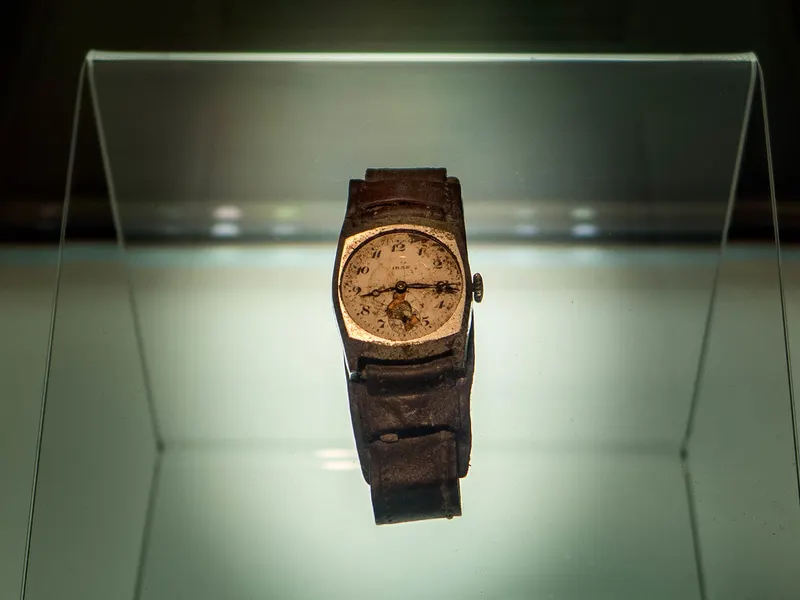
4.7★ · 30,816The museum presents survivor testimony, artifacts, photographs, and the history of the atomic bombing. The material is direct and deserves unhurried time.
Wikipedia 2
Hiroshima Castle
4.2★ · 18,536The reconstructed castle north of the city center has a museum tower, moat, shrine grounds, and a link to the city prewar feudal history.
Wikipedia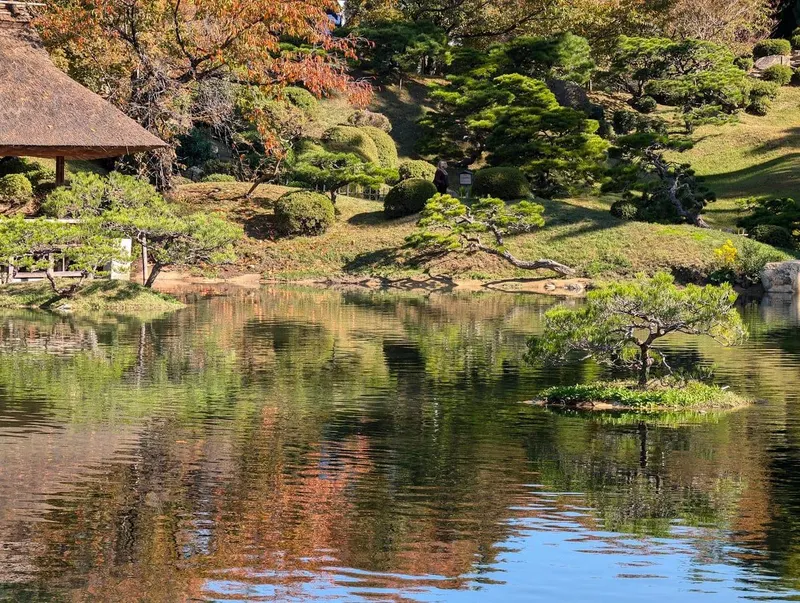 3
Shukkeien Garden
4.5★ · 9,087The Edo-period strolling garden near the Prefectural Museum of Art has ponds, bridges, tea houses, and rebuilt garden features after wartime destruction.
Show 5 more sights
4Mitaki-dera
The hillside temple northwest of the center has waterfalls, stone figures, forest paths, and a quieter atmosphere than the downtown memorial district.
Wikipedia5Okonomimura
The multi-floor okonomiyaki building in Shintenchi lets visitors compare Hiroshima-style griddles stacked with noodles, cabbage, egg, and sauce.
Wikipedia6Hondori Shopping Arcade
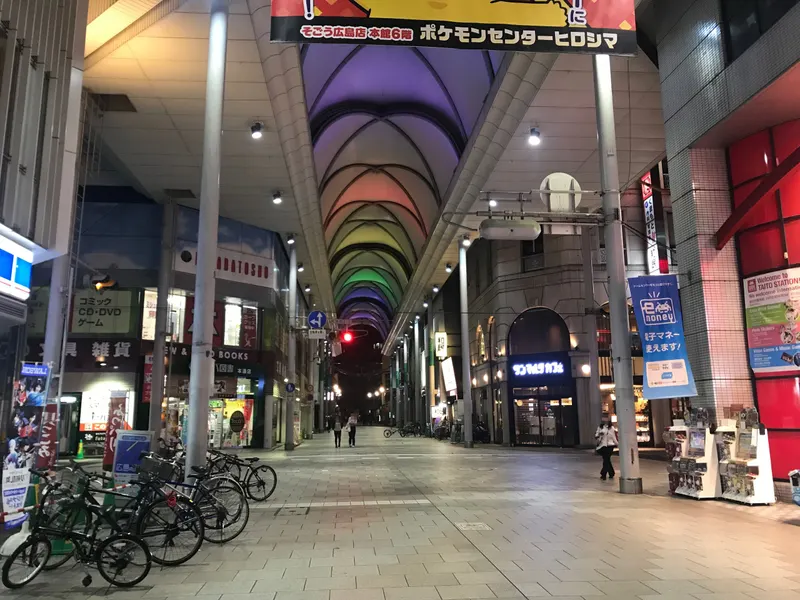
The covered arcade links the Peace Park side with Hatchobori, carrying shops, cafes, drugstores, restaurants, and easy rainy-day movement.
7Mazda Museum
The factory museum in Fuchu explains Mazda history and auto production, with tours normally requiring advance reservation.
8Hiroshima Museum of Art
The museum near Hiroshima Castle focuses on European and Japanese modern painting, making a calm indoor stop near Chuo Park.
Wikipedia
Neighborhoods
 1
Hondōri and Hatchobori
Hondori and Hatchobori are the shopping and dining core, with arcades, department stores, Okonomimura, cafes, and tram intersections.
 2
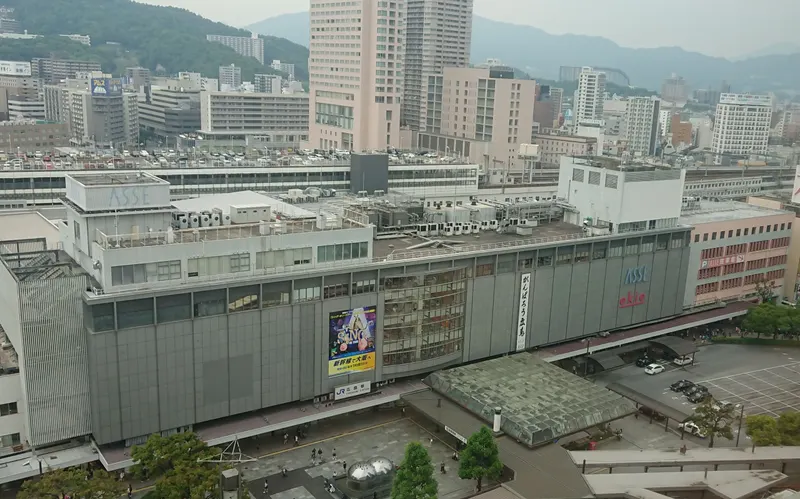
Hiroshima Station and Ekimae
The station area is practical, with Shinkansen access, hotels, Ekinishi bars, buses, trams, and fast links to Miyajima or Mazda tours.
 3
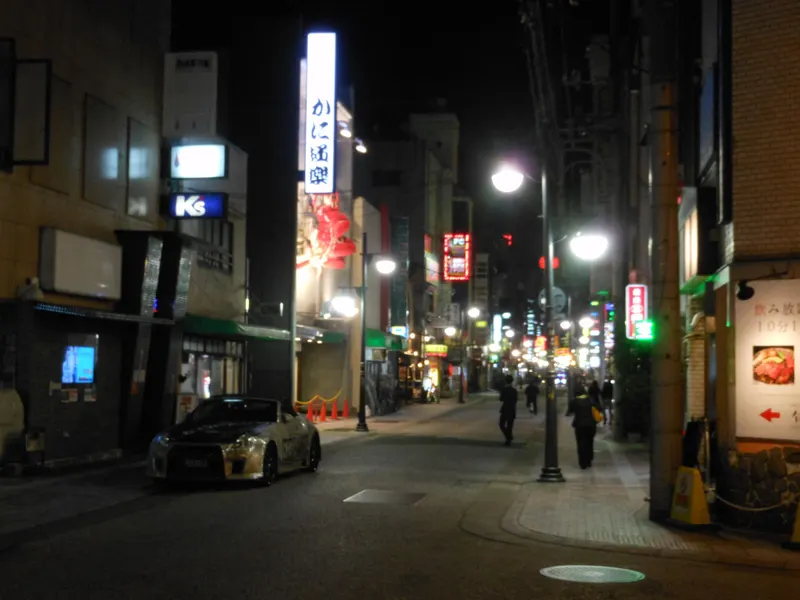
Nagarekawa and Shintenchi
Nagarekawa is the nightlife belt, with bars, karaoke, late food, small streets, and Okonomimura nearby.
Show 26 more neighborhoods
- 4Hijiyama
Hijiyama rises south of the center, with parks, manga and contemporary-art museums, cherry trees, and quieter paths.
- 5Ujina Port
Ujina is ferry-oriented and bay-facing, with the passenger terminal, waterfront walks, warehouses, and island connections.
- 6Asaminami Ward
Asaminami-ku in Hiroshima has Asaminamiku Furuichi Purasuseikotsuin Acupuncture, offering massage therapies.
- 7Dejima
- 8Deshio
- 9Ebamachi
- 10Hatchobori
- 11Higashi Ward
東区 has local stops such as Roopali Indian Restaurant, Indian Restaurant Taj Mahal Hiroshima, and sapta|サプタ. The area also features shopping at Active Intercity Hiroshima and day spas like シェラトン シャイン スパ.
- 12Hijiyamakoen
- 13Hondori
- 14Kamiyacho
- 15Konan
- 16Midori
- 17Miyajimacho
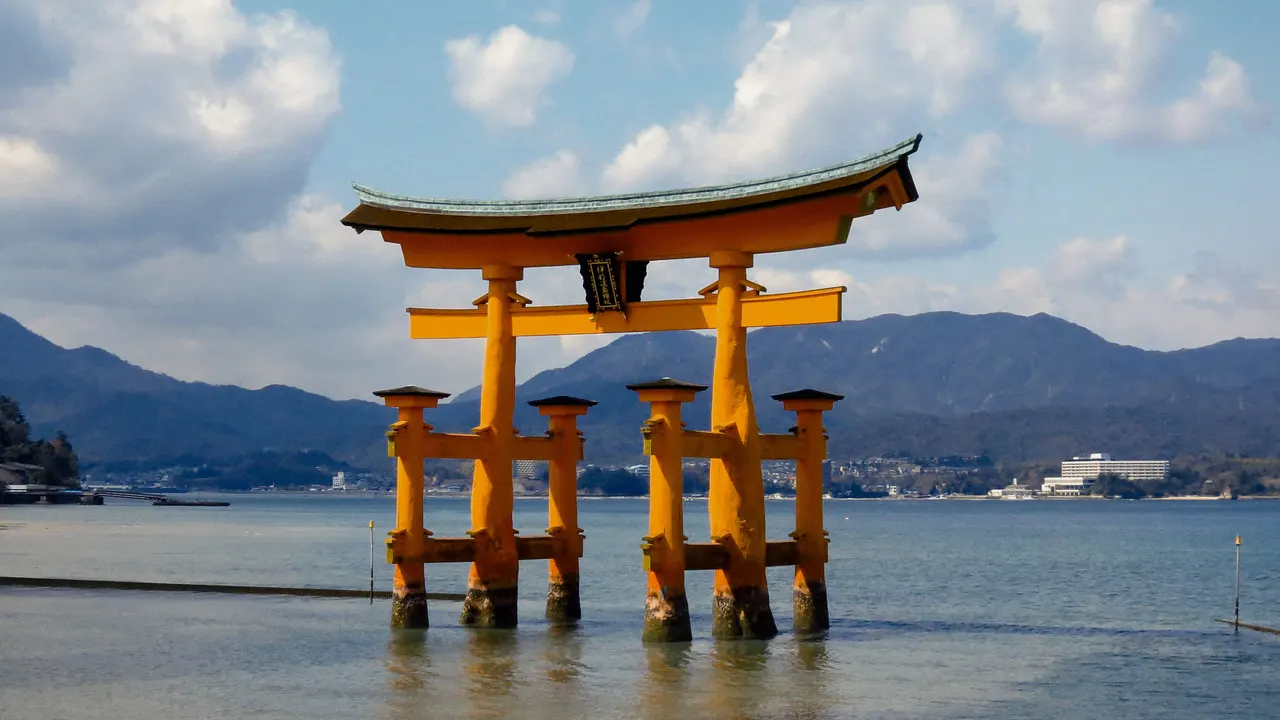
Miyajimacho in Hiroshima is home to the UNESCO World Heritage Site Itsukushima Shrine, a red-lacquered complex on stilts. The neighborhood also features the world's largest rice scoop and other historical landmarks and shrines.
- 18Naka Ward
Hiroshima's central Naka Ward, enclosed by river branches and carrying both the city's busiest commercial streets and its deepest memorial landscape.
- 19Nakamizo
A town known for its calligraphy brush production, with most of Japan's brushes still handmade here. The Fudenosato Kobo Brush Museum showcases this tradition.
- 20Nakasu
- 21Niho
- 22Nishi Ward
Mitaki-dera, a Buddhist temple known for its colorful fall foliage and memorials for atomic bomb victims. There are also several cafes, including Crepe Cafe Lamp and The Beans Roaster 9689coffee.
- 23Ōzu
- 24Saeki Ward
One of Hiroshima's eight wards. It contains the Hiroshima Branch of the Japan Mint.
- 25Shinchi
Shinchi in Hiroshima features the Mazda Museum, which traces the car maker's evolution since the 1920s with vehicle and assembly line technology displays. This area is recommended for science museums.
- 26Yahata
- 27和庄
- 28坂西
- 29平成ヶ浜
Day trips
24km / 45-60min by JR or tram plus ferry from central Hiroshima
Miyajima and Itsukushima Shrine
The island has Itsukushima Shrine, the floating torii view, Momijidani Park, ropeway access, oysters, and deer.
25km / 35-45min by JR Kure Line from Hiroshima Station
Kure
The port city has the Yamato Museum, JMSDF Kure Museum, naval history, and Seto Inland Sea views.
35km / 40min by JR Sanyo Line from Hiroshima Station
Saijo sake district
The sake-brewery town has kura warehouses, tasting rooms, water wells, and a major sake festival in October.
Getting around
Hiroden streetcars are the main city tool, connecting Hiroshima Station, Hatchobori, Peace Park, Ujina Port, and the Miyajima ferry approach. JR trains handle Miyajima, Saijo, Kure, and Onomichi, while central Peace Park-Hondori-Hatchobori is walkable.
Planning a Hiroshima trip?
Add your dates and we'll check every place for closures, limited hours, and booking needs before you go.
Things to do in Hiroshima by month
Pick a month for weather, any sourced events, holidays or observances, and seasonal timing. October, May and June have the most comfortable weather (tagged below).
Common questions about Hiroshima
- Which neighborhoods should I explore in Hiroshima?
- Peace Park and Kamiyacho, Hondōri and Hatchobori, Hiroshima Station and Ekimae are useful starting points. Plan each day around one or two neighboring areas to avoid unnecessary backtracking.
- When is the best time to visit Hiroshima?
- October, May, June balance comfortable temperatures with fewer rainy days in Hiroshima.
- How many days do you need in Hiroshima?
- a weekend to a week gives you time for architecture, food, and history in Hiroshima. Choose your month to see date-specific details.
- What is Hiroshima known for?
- Hiroshima is best for architecture, food, history, shopping, and kids. For matched places, TripSapien checks available hours, closure signals, and booking links.
Ready to plan Hiroshima?
Turn everything above into a day-by-day Hiroshima plan, with every place checked for closures and booking needs on your dates.