Things to do in Nara
Top things to do in Nara include Tōdai-ji, Nara Park, Nara Park and Kasugayama. Plan each day around one neighborhood to avoid backtracking, then add your dates to check opening hours and booking needs.
First visit? Start with these — and plan each day around one neighborhood:
- Tōdai-ji★ 4.7 · 32.6k reviewsThe temple houses the Great Buddha in Daibutsu-den, one of Nara Park signature buildings. The approach passes deer, gates, lanterns, and museum halls.
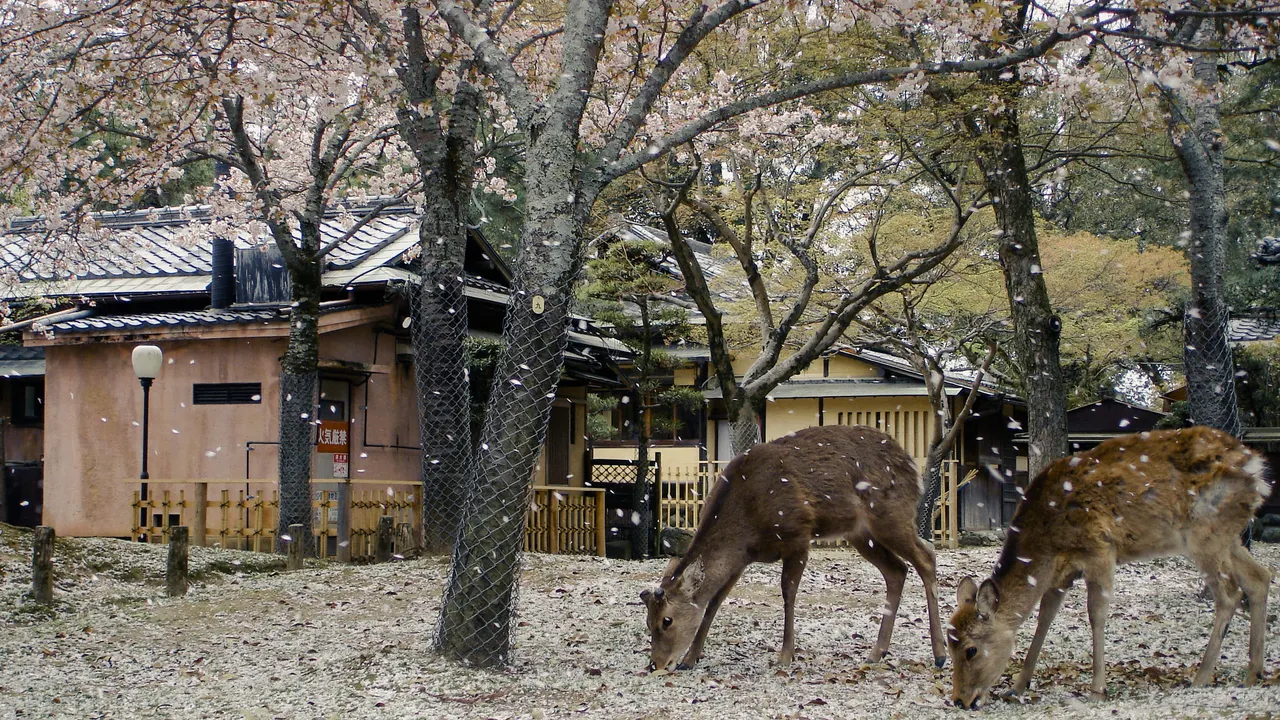
- Nara Park★ 4.6 · 78.0k reviewsThe broad park connects Tōdai-ji, Kōfuku-ji, Kasuga Taisha, museums, ponds, and free-roaming deer across the east side of the city.
- Nara Park and KasugayamaThis eastern zone is temple-and-forest focused, with Tōdai-ji, Kasuga Taisha, deer paths, ponds, lanterns, and museum lawns.
- Getting aroundKintetsu Nara is closest to Nara Park, while JR Nara is useful for Horyu-ji, Kyoto, and Osaka connections; ICOCA cards work on most rail and bus trips.
By TripSapien · Updated November 3, 2026
About Nara
City overview
Nara is the former Japanese capital where Nara Park, Tōdai-ji, Kasuga Taisha, Kōfuku-ji, Naramachi, and Nishinokyo sit between Kintetsu Nara, JR Nara, and the forested Kasugayama edge. The city is smaller than Kyoto but more concentrated, with deer, temple precincts, sake shops, old merchant houses, and palace ruins close enough for slow walking days.
Food & drink
Nara food is compact and local: kakinoha-zushi is pressed sushi wrapped in persimmon leaves, narazuke pickles are cured in sake lees, and chagayu is a simple tea rice porridge tied to temple-town mornings. Higashimuki Shopping Street, Mochiidono arcade, Sanjo-dori, and Naramachi lanes add miwa somen, green yomogi mochi, kuzu sweets, and sake from Harushika Brewery.
What Nara is best for
Nara is best for architecture, history, food, nature, and art.
- How long to stay
- A day trip to a few days
- Typical budget
- Mid-range
Top sights
Ranked using weather, setting, ratings, and review volume.
- 1Kasuga Taisha
- 2Kōfuku-ji
- 3Nara National Museum
- 4Isuien Garden and Yoshikien Garden
- 5Naramachi
- 6Heijō Palace Site
- 7Yakushi-ji
- 8Tōshōdai-ji
 1
Kasuga Taisha
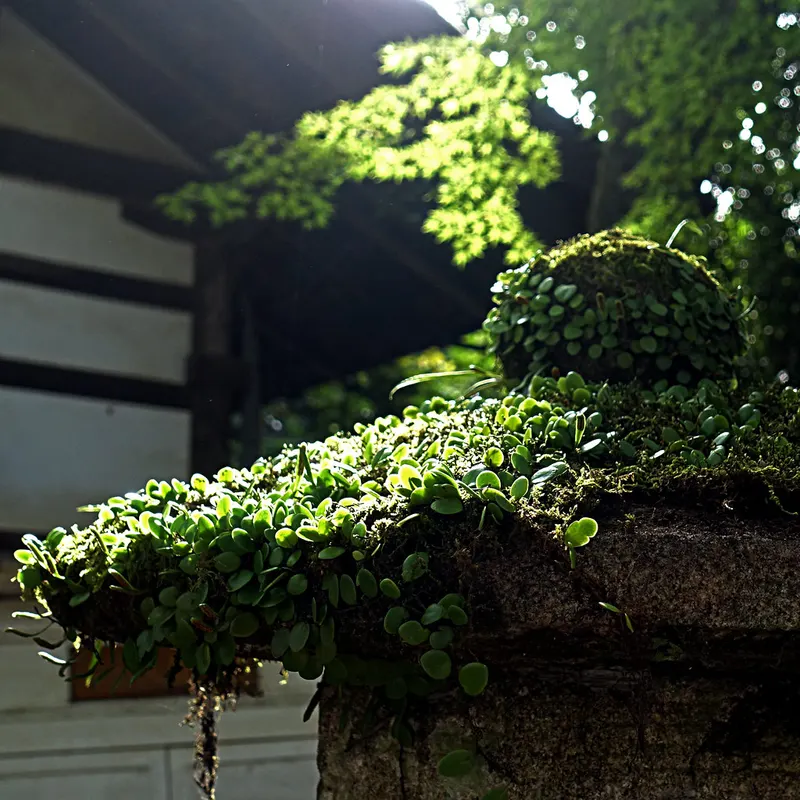
4.5★ · 15,760The shrine at the forest edge is known for stone and bronze lanterns, vermilion corridors, and paths leading into Kasuga-yama Primeval Forest.
Wikipedia 2
Kōfuku-ji
4.4★ · 13,182The temple complex near Sarusawa Pond has the five-story pagoda, Eastern Golden Hall, and national-treasure collections close to Kintetsu Nara.
Wikipedia 3
Nara National Museum
4.4★ · 5,523The museum beside Nara Park specializes in Buddhist art, sculpture, ritual objects, and exhibitions tied to the city temple history.
Wikipedia
Show 5 more sights
4Isuien Garden and Yoshikien Garden
The adjoining gardens near Tōdai-ji use ponds, tea houses, borrowed scenery, moss, and stone paths for a calmer stop between temples.
5Naramachi
The former merchant quarter south of Sanjo-dori has machiya houses, narrow lanes, craft shops, cafes, and small museums.
6Heijō Palace Site
The reconstructed palace area marks the Nara-period capital, with broad open grounds, gates, museums, and views toward the modern rail lines.
7Yakushi-ji
The Nishinokyo temple preserves major Buddhist architecture and pagodas southwest of the central park area.
Wikipedia8Tōshōdai-ji
The temple founded by the Chinese monk Ganjin sits near Yakushi-ji and has quiet halls, mossy grounds, and important Nara-period architecture.
Wikipedia
Neighborhoods
 1
Kintetsu Nara and Higashimuki
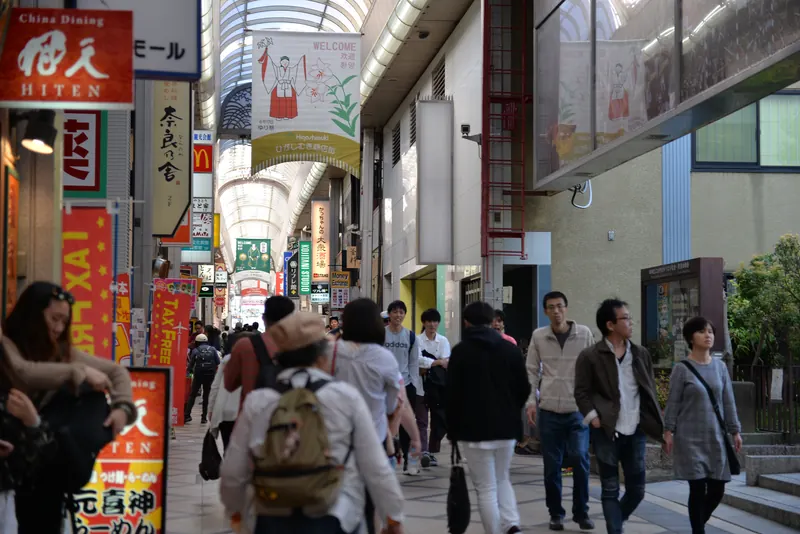
The station-side core has shopping arcades, Sanjo-dori, Sarusawa Pond access, restaurants, lockers, buses, and the fastest arrival point for Kyoto or Osaka.
 2
Naramachi
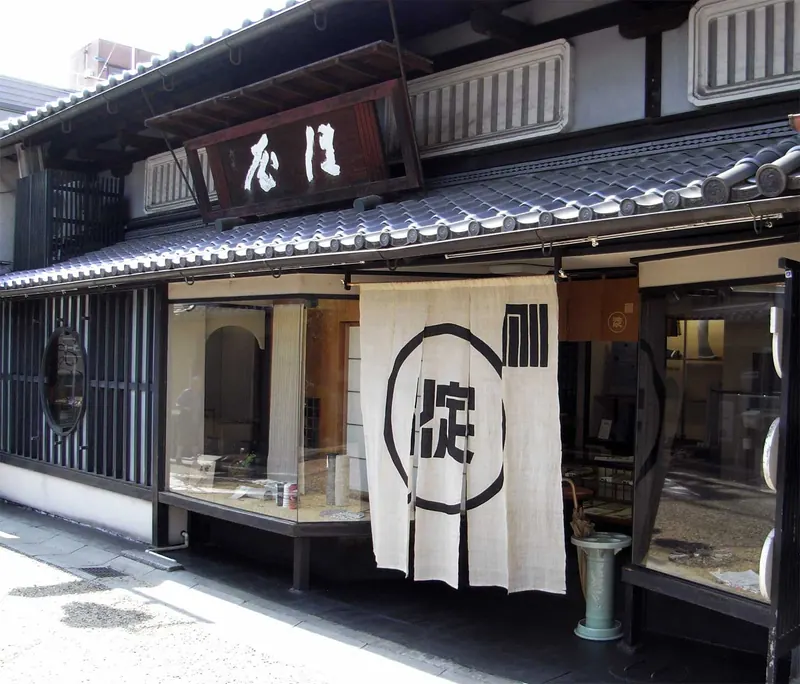
Naramachi is low-rise and historic, with machiya houses, craft shops, cafes, sake stops, small temples, and quieter evening walks.
 3
JR Nara and Sanjo-dori
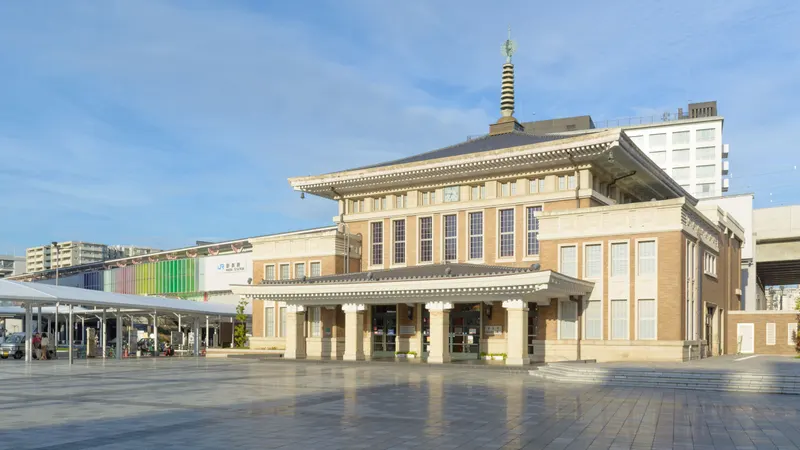
The western arrival zone has hotels, rail connections, the long Sanjo-dori walk, supermarkets, and practical dining before the old-town core.
Show 26 more neighborhoods
- 4Nishinokyo
Nishinokyo is temple-focused and less crowded, with Yakushi-ji, Tōshōdai-ji, canals, suburban streets, and more space between sights.
- 5Heijō and Saidaiji
The northwestern side centers on Heijō Palace Site, open fields, museums, reconstructed gates, and rail links toward Yamato-Saidaiji.
- 6Aburasakacho
- 7Aburasakajikatacho
- 8Akishinocho
- 9Ayameikekita
- 10Ayameikeminami
- 11Chuincho
Chuincho in Nara is home to the Frog Stone at Gangō-ji Temple, with temples being the recommended places to visit.
- 12Daianjicho
Daianjicho in Nara is known for emu., a notable spot that also offers hair salons.
- 13Daigocho
- 14Fuedo
- 15Fukuchiincho
In Nara's Fukuchiincho, find Italian restaurants and coffee shops like Espresso Nerd and Camino.
- 16Gakuenkita
- 17Ganriincho
- 18Gojocho
Gojocho in Nara is home to Tōshōdai-ji, an 8th-century Buddhist temple complex with a Golden Hall that is a national treasure.
- 19Hachijo
- 20Hanashibacho
Hanashibacho in Nara has bakery-cafes, including cafe Croco.
- 21Haricho
- 22Hashimotocho
- 23Hayashikojicho
Hayashikojicho in Nara has coffee shops and the notable Cafe&Bar Garage.
- 24Higashiando
- 25Higashimatsugaoka
- 26Higashimuki Kitamachi
Higashimuki Kitamachi in Nara offers Sakura Burger and Maguro Koya, alongside bakery-cafes and Japanese restaurants. Cafe el mundo is also located here.
- 27Higashimuki Minamimachi
Higashimuki Minamimachi in Nara is known for its jewelry stores, including Excelco Diamond Nara.
- 28Higashimuki Nakamachi
Higashimuki Nakamachi in Nara offers tonkatsu restaurants and bakery-cafes, with brewpubs like Yamato Craft Beer Kintetsu Nara Ekimae and the tonkatsu restaurant Tonkatsu Ganko Nara found along Momoshiki.
- 29Higashinari Ward
Day trips
13km / 35-45min by JR and bus from Nara Station
Ikaruga and Horyu-ji
Horyu-ji has some of Japan oldest wooden temple architecture and makes a focused half-day west of Nara.
35km / 45-60min by JR via Kyoto or Kizu
Uji
Uji adds Byodo-in, tea shops, river bridges, and matcha stops between Nara and Kyoto.
45km / 1.5h by Kintetsu from Nara via Kashiharajingu-mae
Mount Yoshino
The mountain town is famous for cherry blossoms, temple paths, and ridge walks, especially in spring.
Getting around
Kintetsu Nara is closest to Nara Park, while JR Nara is useful for Horyu-ji, Kyoto, and Osaka connections; ICOCA cards work on most rail and bus trips. Walk the central park-Naramachi core, then use Nara Kotsu buses or Kintetsu trains for Nishinokyo and Heijō Palace Site.
Planning a Nara trip?
Add your dates and we'll check every place for closures, limited hours, and booking needs before you go.
Things to do in Nara by month
Pick a month for weather, any sourced events, holidays or observances, and seasonal timing. May, June and October have the most comfortable weather (tagged below).
Common questions about Nara
- Which neighborhoods should I explore in Nara?
- Nara Park and Kasugayama, Kintetsu Nara and Higashimuki, Naramachi are useful starting points. Plan each day around one or two neighboring areas to avoid unnecessary backtracking.
- When is the best time to visit Nara?
- May, June, October balance comfortable temperatures with fewer rainy days in Nara.
- How many days do you need in Nara?
- a day trip to a few days gives you time for architecture, history, and food in Nara. Choose your month to see date-specific details.
- What is Nara known for?
- Nara is best for architecture, history, food, nature, and art. For matched places, TripSapien checks available hours, closure signals, and booking links.
Ready to plan Nara?
Turn everything above into a day-by-day Nara plan, with every place checked for closures and booking needs on your dates.